Hello. My name is Martha and I love nature, wildlife, wild expeditions, photography, film and wildlife acoustics. This site is about the places I visit and the wild things I encounter and capture; but most of all, it's about the people who I learn from and who make these moments enjoyable and memorable.
Warning-The blog may have too many photos ;-)
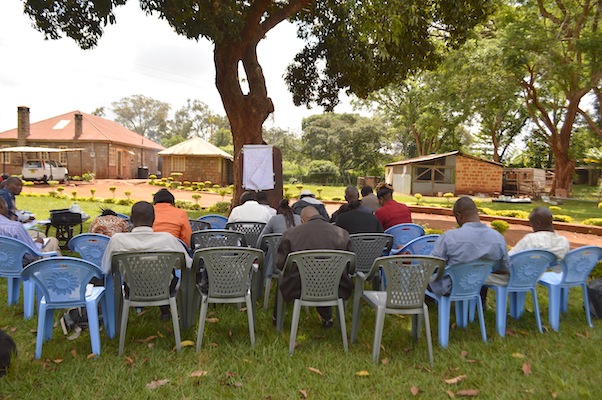
The current trending news in Kenya right now is Quail farming. Well, I’m not going down that road. The year started on a high note. I attended a rabbit farmers’ training at Kenya Agricultural & Livestock Research Organization (KALRO) in Thika, with other twenty farmers and aspiring rabbit farmers. Like the facilitators inform us, rabbit rearing began many years ago but it was a “boy thing” and didn’t flatter the adults. But, rabbit farming is the best alternative to poultry farming, with rabbit meat currently been ranked as the most nutritious white meat, lowest in cholesterol, lowest in saturated fats, high levels of protein and vitamin B12, high calcium and low sodium, need I say more?!
Rabbit enthusiasts
We covered several topics, from importance of rabbits to their diseases and treatment. One fascinating fact I learnt was that they are very clean animals and therefore their houses need to be built in such a way that they are self-cleaning; I made a mental note to redo my rabbit house. They also reproduce fast and the proper age for the first mating depends on the breed and individual development. Their manure is very rich in nitrogen and their urine, like one of the farmers confirm, can be used as pesticide in horticulture.
How to hold a rabbit
However, much as rabbit farming is relatively easy to start and maintain, it’s still neglected by many, including the lack of government support for rabbit farming ventures. The industry also faces inadequate resources and infrastructure to reach the farmers and larger community for information dissemination.
A relatively old litter
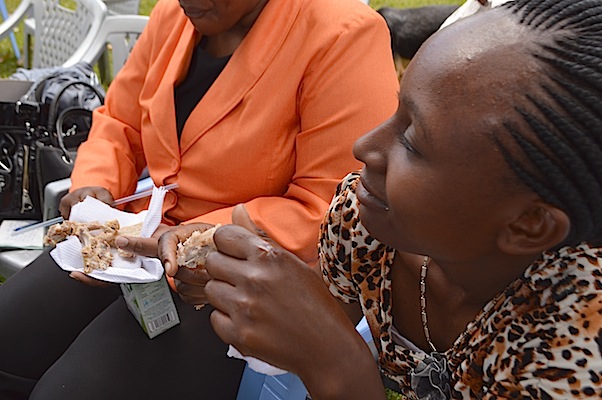
After the short training, we were served with rabbit meat (which was slaughtered during one of the demonstrations) as our lunch…it sure does taste like chicken! We later visited the resident rabbit houses. Most of them are breeding and the litter is so puffy and too fragile to hold.
It’s amazing how the 2013 has gone by so fast… I know I haven’t written any posts this year :(, so this is going to be the only post of the year 2013. I will highlight the things that have happened and hopefully promise to be consistent with my posts in coming years… does that sound like a resolution already? Well, we’ll see.
January 2013
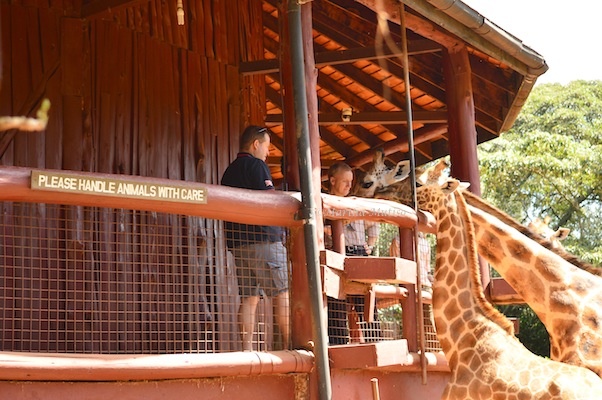
A day visit to the Giraffe Centre, in Nairobi with my friend, RJ. The Giraffe Centre, also known as the African Fund for Endangered Wildlife, is a rehabilitation centre for the endangered Rothschild’s Giraffe. Other than getting close to the giraffes, the centre is also renowned for conservation education (offering students a chance to showcase their talents in environmental competition through essay writing, art and photography); environmental and ecology trips; and micro-project funding, monitoring and evaluation.
Visitors at the Giraffe Centre, Nairobi
February 2013
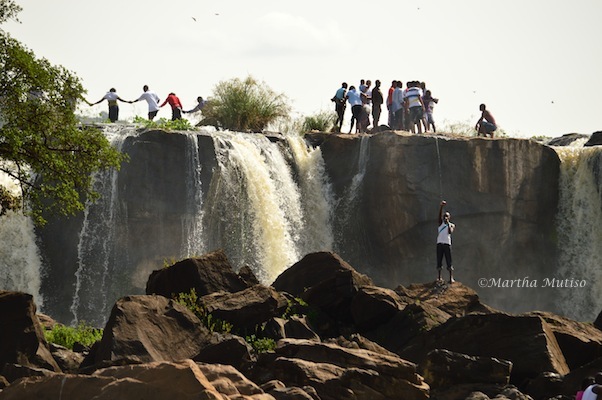
An excursion to the Fourteen Falls, which is situated 27km from Thika town, Machakos County. It’s close to the Ol Donyo Sabuk National Park and is protected by the town council. When the waters are high, the local guides will offer their boat services (at a small fee) and help visitors cross from one side to the other.
A group crossing the falls after heavy rainfall.
March 2013
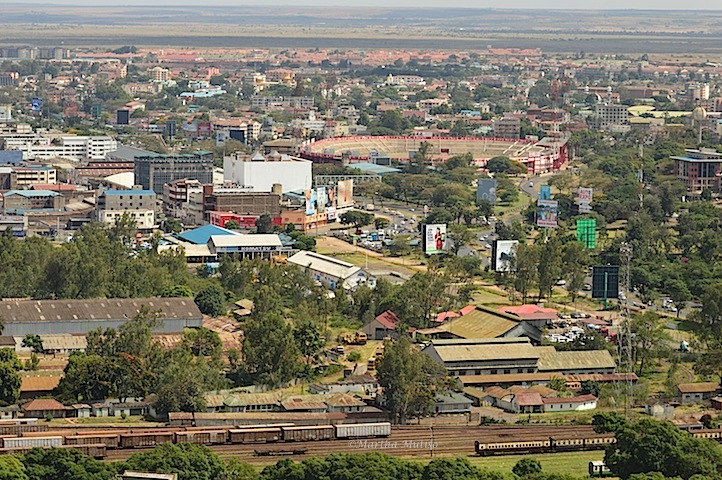
My first time on the Kenyatta International Conference Centre viewing tower, from the helipad you can see Nairobi and it’s environs in 360°.
View of the Railway Station, Nyayo stadium and Nairobi environs from the KICC helipad
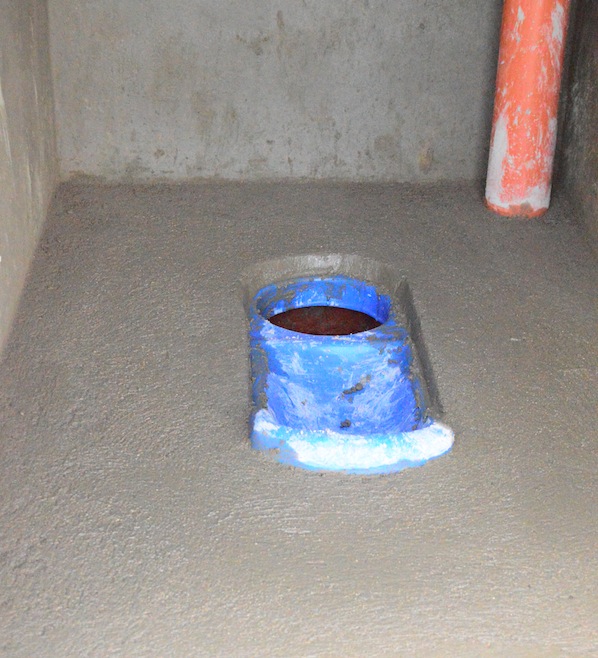
Visited friends in Kisumu and witnessed the construction of an eco toilet. An eco toilet is a dry or waterless toilet, one that doesn’t use water to take the waste somewhere else; it also allows natural processes to produce useful compost and they don’t smell. A handful of sawdust is dropped into the toilet after each use. The sawdust allows oxygen into the pile, and absorbs liquid. This allows the pile to decompose aerobically to produce nitrates, phosphates and sulphates. Well, that wasn’t why I visited my friends but was a good experience. We ended up going to birdwatch at the lake, which, we later concluded, was a not so good idea because it rained cats and dogs shorty after we arrived at the lake; though it was beautiful watching the rain and the wind shifting the water hyacinth at the lake.
An eco-toilet double-vault: The basic principle of an eco-toilet is to separate urine and faeces.
April 2013
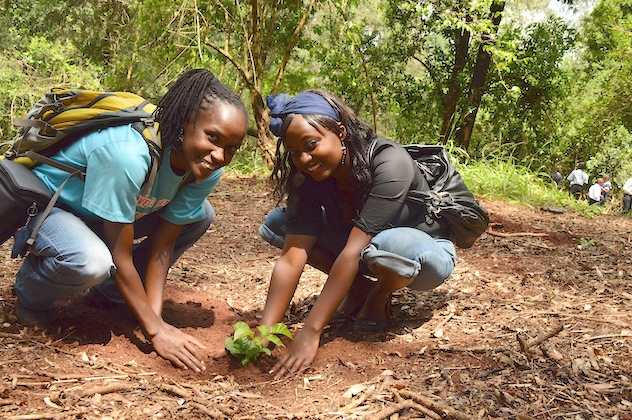
Together with the Rotaract Club of Nairobi Central and other organizations and schools, we got to plant trees at the Karura Forest Reserve, which is located in the northern part of Nairobi city and is managed by the Kenya Forest Service. The reserve also offers important attractions that visitors enjoy including Mau Mau caves, scenic waterfalls and rivers, picnic sites, walking trails and small wetlands.
Restoring mother nature, one tree at a time
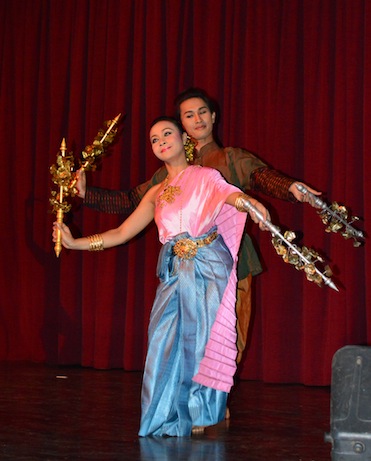
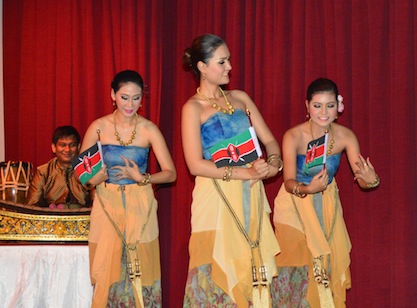
The National Museums of Kenya got to host Thailand cultural festival, a night full of Thai music, food and performances, including a tribute performance to Kenya.
May 2013
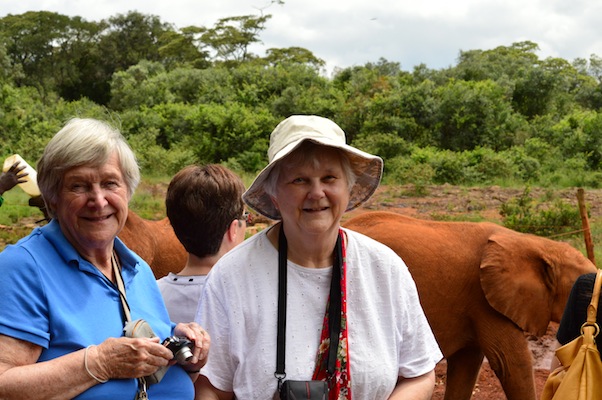
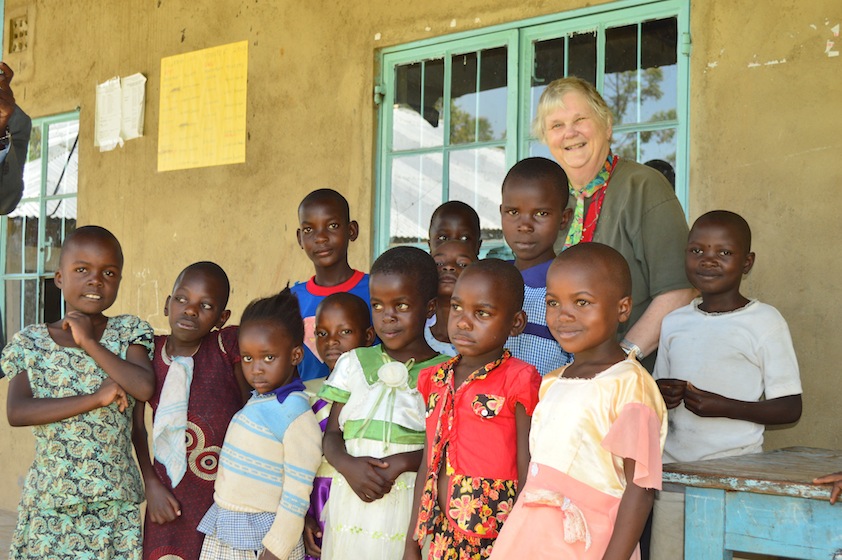
My two friends from Canada visited Kenya, and it was an amazing time visiting some of the various Canadian supported projects, families, and students in Western Kenya. We made visits to orphanages and special schools, including school for the deaf in Kakamega. We also made a visit to my rural home and family in Machakos County. Sadly, this is the same day that our dad passed on due to heart failure, may his soul rest in peace.
My friends, Angela and ShelaghPupils at the Mwikhomo school for the hearing impaired, KakamegaThe last photo I took of my dad 🙂
June 2013
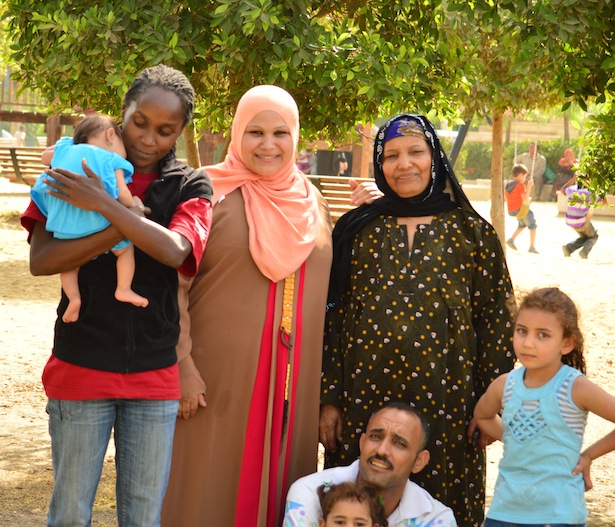
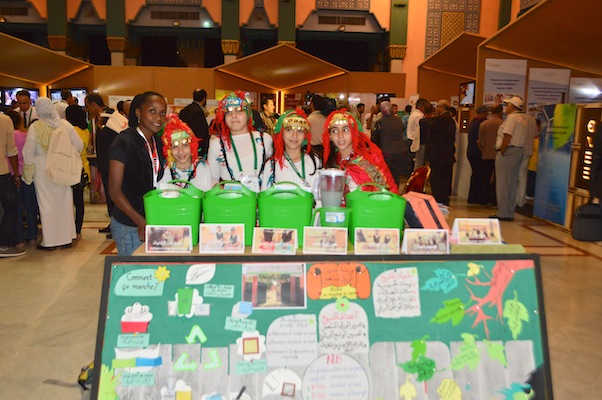
I travelled to Morocco to attend and present a poster during the seventh World Environmental Education Congress. The flight had an overnight layover at Cairo, so I spent the day photographing nature at Al-Azhar Park where I ended up dancing with kids at the park and getting invited to family picnics-I photographed them instead.
One of the families that invited me to picnic with them, we settled down for a photo shoot
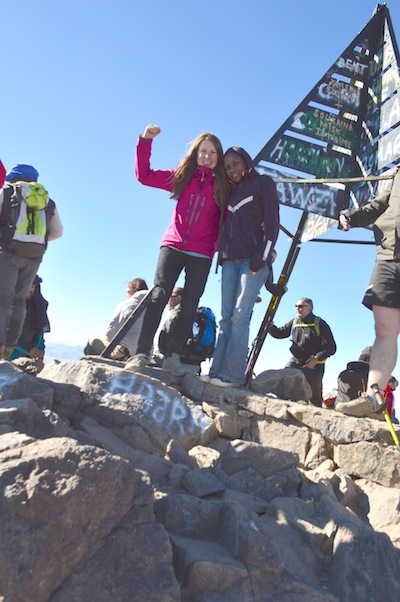
Later I flew to Casablanca, only to realize that the airline had lost my backpack along the way, but eventually found it and took a train to Marrakech. I met more people, made new friends and explored various attractions around Marrakech, including Jebel Toubkal in the High Atlas Mountains, which my new-found friend, Grace, invited me to climb. And while hiking, one local guy told our small hiking group that it was easier finding a man in Morocco than finding water, well, long story, but we could attest to that.
With Moroccan students at the conferenceAny mention of Marrakesh is incomplete without the beautiful and busy square, Place Djemaa El FnaGrace and I at the peak of Jebel Toubkal
July 2013
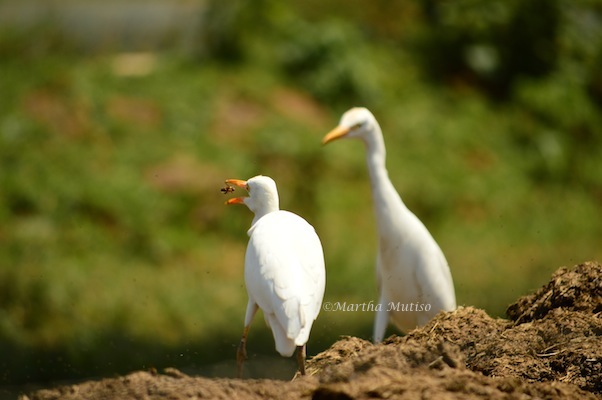
I was contracted to travel and photograph an ongoing pollinator project (read critters ☺) at Mogotio in the Mid-Rift Valley. The pollinators including insects, birds and bats were in abundance; the flowers too. These Cattle egrets interacted very well with hoverflies; they gulped them in mid-air!
Cattle Egrets feasting on hoverflies
August 2013
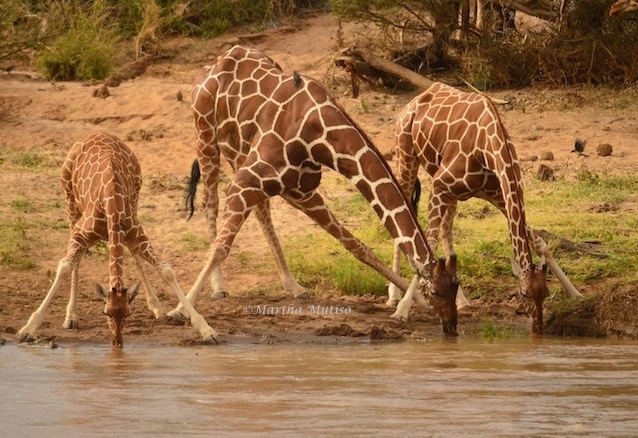
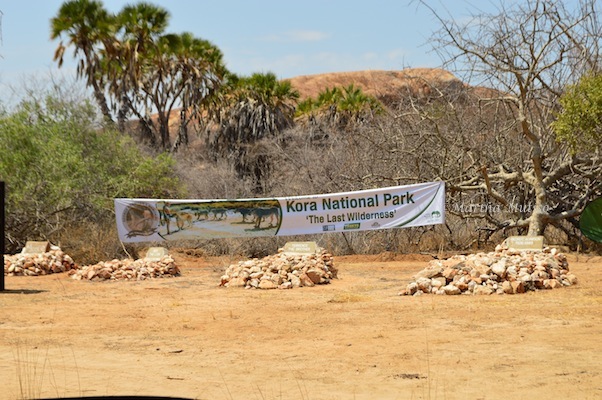
Most of the time I love to think that, I”m a passionate tour guide by profession :). I got to go on several safaris, all of which have the same itinerary. We would pick tourists from the airport or hotel in Nairobi, drive to Samburu National Reserve, spent at least two nights; then head to Lake Nakuru, Lake Naivasha or Lake Elementaita and spent two more nights before dropping the clients at Maasai Mara National Reserve. I had one group that spent a night in Amboseli National park before they proceeded with their safari in Tanzania. These, I must say, were my best guiding (and photography) moments…got to witness lions killing a hippo, ostriches having a bath in the red earth, a herd of Giraffes drinking water, and a young cheetah hunting Sacred ibises. The highlight of the month was when I hitch-hiked to Kora National Park to attend the 24th George Adamson’s (Father of the lions) memorial. What more can a tour guide ask for? 🙂
George Adamson’s burial place inside the Kora National Park; He’s buried beside his brother Terrence and Supercub, (Terrence’s favourite lion) and his own favourite, Boy.
September 2013
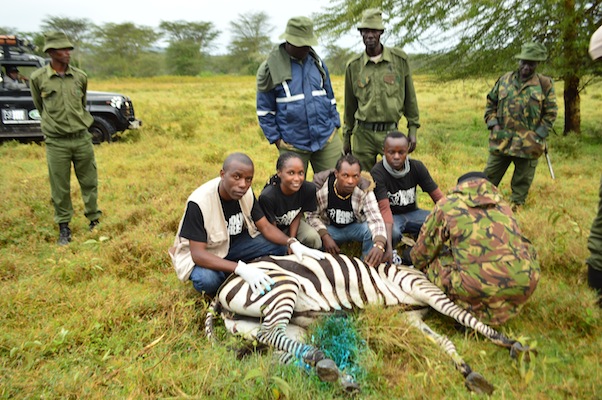
This is my birth month, as well as my late mom’s birth month; may she rest in peace. So I got to celebrate two birthdays in a span of two days. These, I celebrated by desnaring, which is an exercise that involves removing traps set by poachers to catch wildlife. The exercise was organized by Born Free Foundation team in Nairobi. We rescued several zebras; other antelopes weren’t as lucky.
The team with a zebra after the KWS vets cleaned its wounds
October 2013
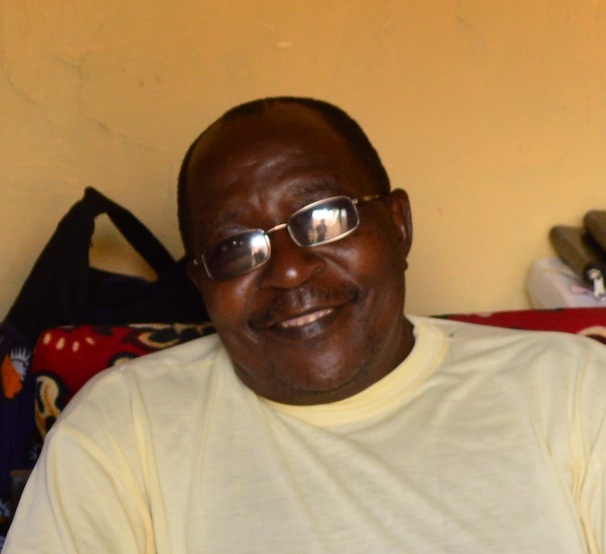
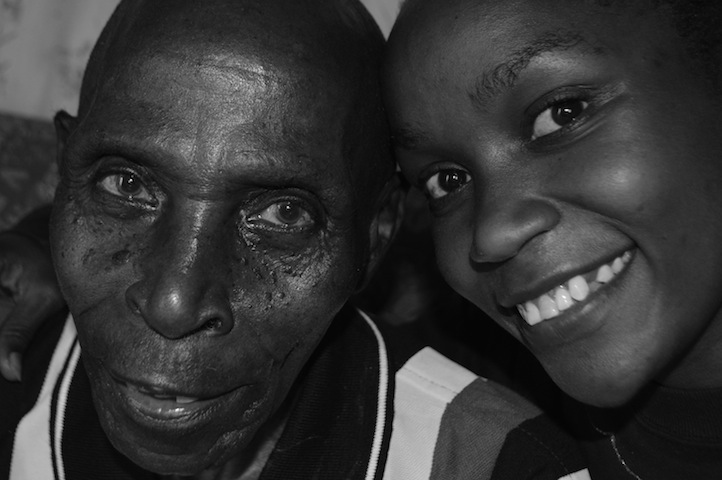
Another difficult month for our family where a week after we visited our 90-year-old grandpa, he passed on due to throat cancer, may his soul rest in peace. Here is the last photo we took together ❤
Grandpa and I, may he rest in peace.
November 2013
This month was a special one, worldwide. It was the month that the world would witness the solar eclipse, and it was noted that the only good place to see the eclipse was in Turkana. So people from all over the world…(except me!) travelled and got to witness the eclipse. Others from around the globe did witness this spectacle, but not as much as the people in Turkana did. From where I was in Nairobi (on my rooftop) I got to witness a cloudy afternoon and a rainy evening, so much for a world spectacle :).
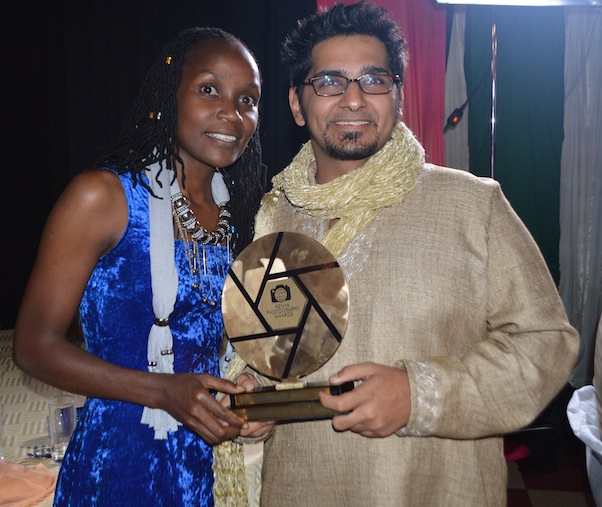
And in celebration of my photography, I was, among others, nominated as a finalist for the first Kenya Photography awards. This, I must say, was a great highlight for my not-yet-launched-photography-career. It was a better highlight for my friend Karim who has worked very hard in launching and maintaining his photography career; he won the nature photography category award, very much deserved.
Karim and I at the award event
December 2013
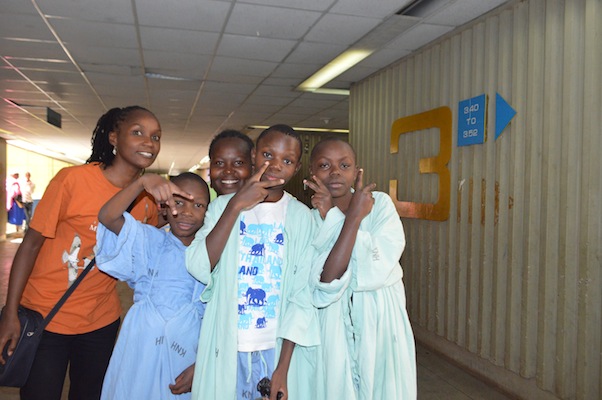
Guided by the Rotary International’s motto, “Service above self”, we, the Rotaract Club of Nairobi Central and the Rotaract Club of Nairobi University visited the Children’s Cancer Ward at Kenyatta National Hospital. We had a wonderful time interacting with these beautiful children, what with singing, dancing and playing but to say that the day did not take its toll emotionally would be a lie. However, knowing that we put a smile on their faces and hearts was peacefully calming.
Beautiful smiles, even in the face of adversity
We, Rotaract Club of Nairobi Central, also made a visit to the Thogoto Home for the aged, which is run by the PCEA church to cater for the old people. Thogoto is home for almost 100 men and women who are too old to take care of themselves, some do not have families or relatives to house them. The home takes care of their needs especially their health, diet and spiritual matters and like all old people come, they are ever delighted to share their wisdom with the younger generation.
Some elders at the home
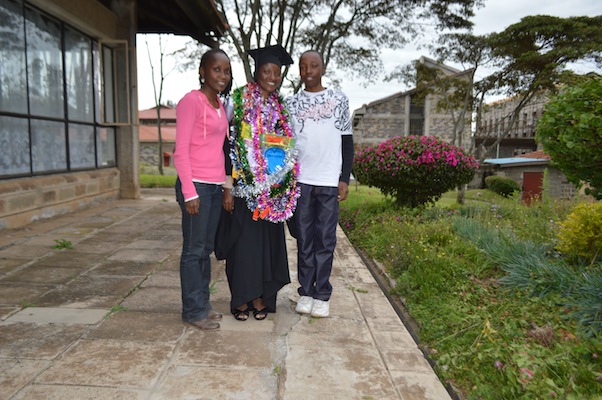
Well, 2013 was a beautiful year, topped up with my younger sister graduating from the university and my younger brother completing his primary education and my elder brother launching his IT Company. Looking forward to an awesome year in 2014! Happy new year!
“We have been invited for coffee ceremony tomorrow,” Sami quips as we discuss the day’s program in Arusha, Tanzania. When asked by our multinational group if we would have lunch before going to the coffee ceremony, he says, “Coffee doesn’t not mean we will have coffee only.” Well, that’s an exciting thought. It turns out that we were going to have a full day of Ethiopian hospitality, warmth, love and celebration.
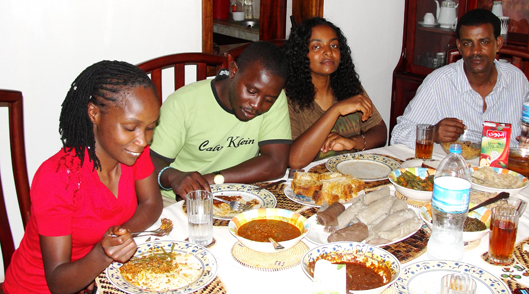
Mulu, Sami’s aunt and our host, welcomes us to her warm home; after arriving an hour late!! She had spent the entire morning preparing Ethiopian cuisine for our arrival. The table was afloat with food, ranging from Ethiopia’s famous injera–a yeast-risen flatbread with a unique, slightly spongy texture to spicy vegetables, stew and rice; and lots of laughter and friendship. Sami, Bruk and Alazar, our Ethiopian friends, inform us that an invitation to a coffee ceremony is a sign of friendship and respect, even while they are away from home. Well, it was honor to be part of this special occasion with special friends.
Ethiopian cuisine
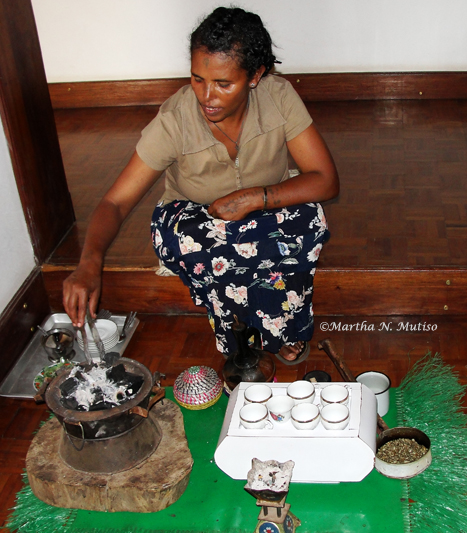
As Bruk reveals, Ethiopian respect to coffee is rich, and always ceremonial. She explained that the ceremony process starts with the ceremonial equipment being arranged on a green mat, this, we watch as Mulu sets the pieces neatly on the mat.
Getting ready to roast coffee beans
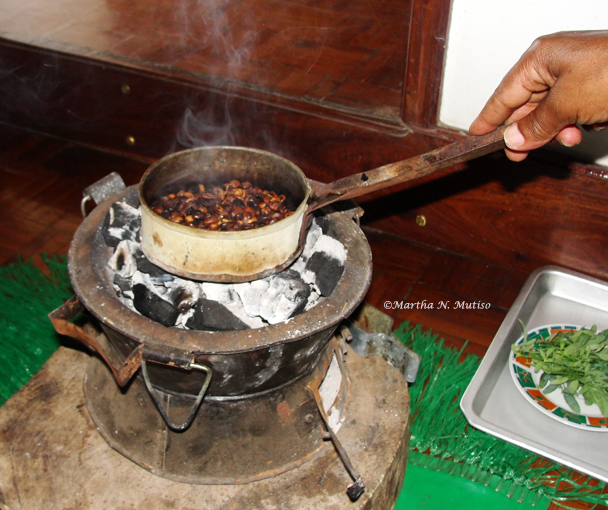
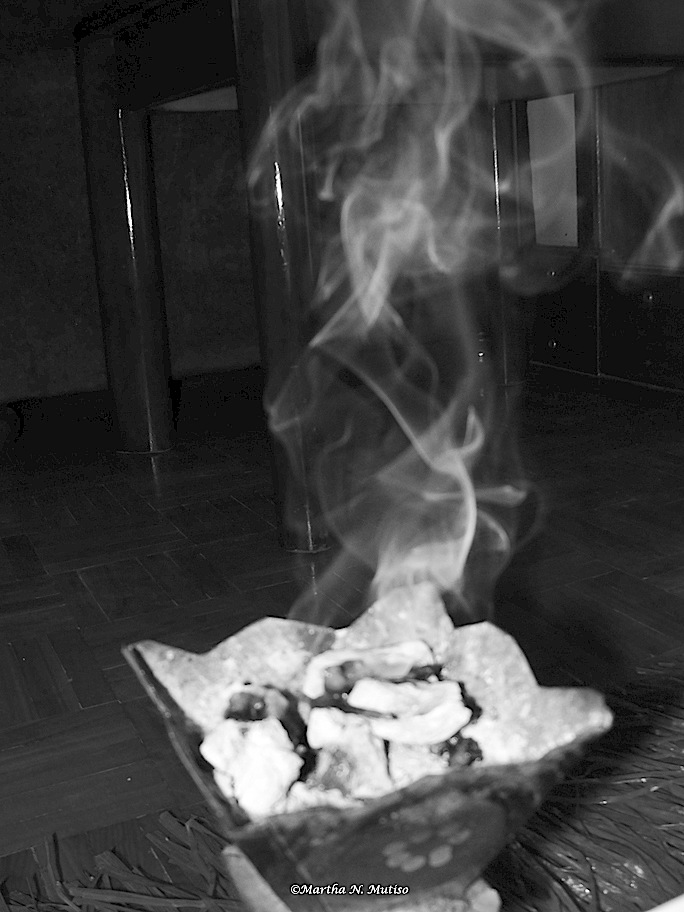
She then proceeded to roast the coffee beans in a flat pan over a small charcoal stove, the strong smell mingling with the scent of incense that is usually burnt during the ceremony.
Roasting the coffee beansA little incense
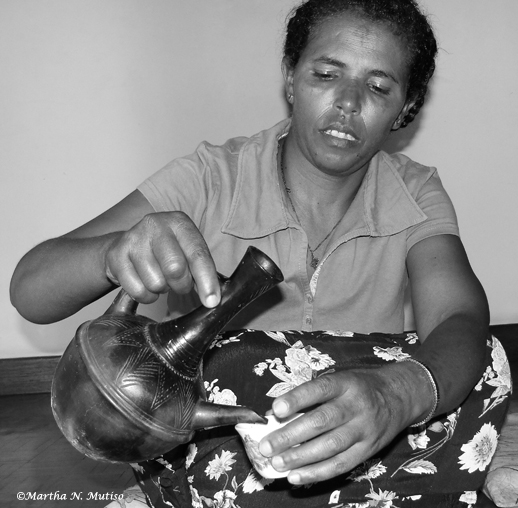
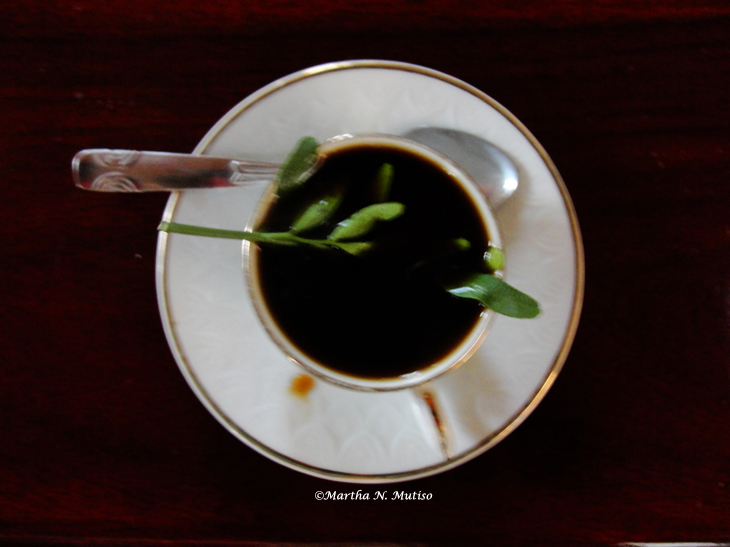
After it was ready, Mulu served the coffee in tiny china cups. As we learn later, you have only have had the buna experience if you have consumed at least three cups of black coffee, as the third round is considered to bestow a blessing.
Time for mouth watering Ethiopian coffeeBlack coffee…with some spicy herbs
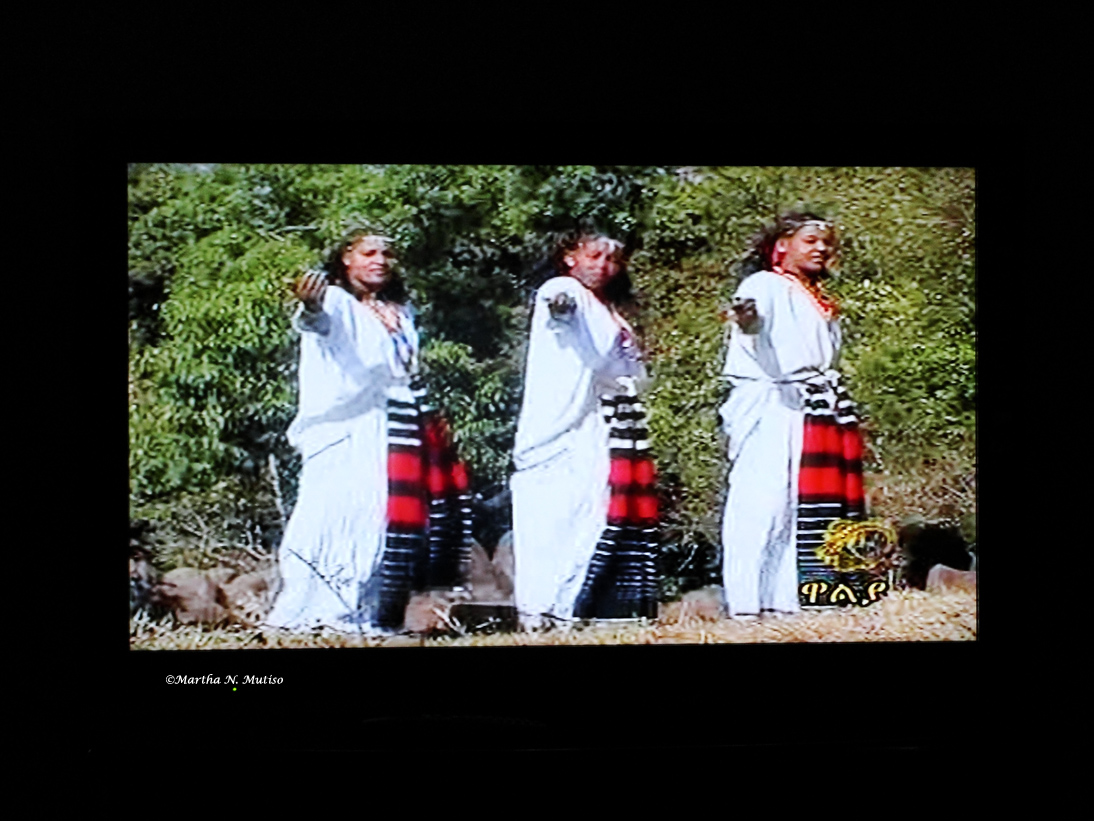
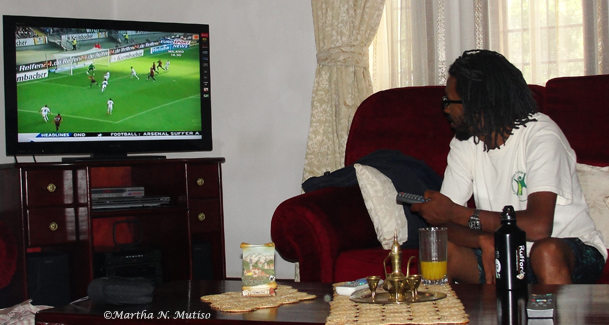
Well, I drank three cups…of milky coffee! And all the while, indulging in conversations around careers, culture, soccer and music…and toasted to long lasting friendships.
During a game drive in Nairobi National Park our group was very excited to spot the first Rhino of the day. The Nairobi National Park is one of the safest haven for both Black Rhinos (Diceros bicornis) and White Rhinos (Ceratotherium simum). The two species can be differentiated by their physical appearance, eating habits and social behavior. The White Rhinos are square-lipped, social and grazers; the Black Rhinos are hook-lipped, solitary and browsers.
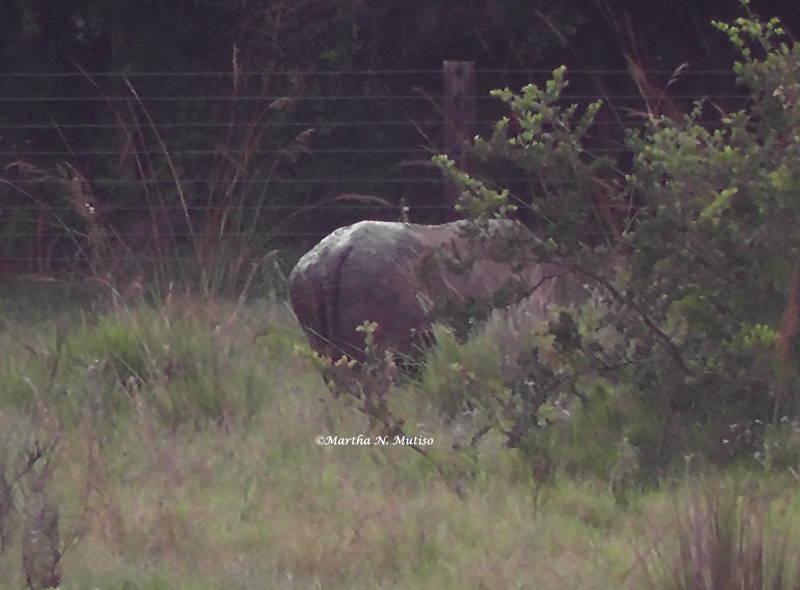
“Our Rhino” was very far and we all had turns using the binoculars to get a closer look at it. What we couldn’t tell was if it was Black Rhino or White Rhino, we could only see the rump.
The “rear” view
Well, our group was a patient bunch and didn’t mind waiting for the Rhino to lift up its head. It didn’t take very long; it lifted its head to look at us. It was my turn to look the binoculars, and I could see its head very well. The head didn’t look like it belonged to a Rhino and the horns weren’t where they are supposed to be…
I don’t look like a Rhino, do I?
It was humorously disappointing, but had a good laugh about our “special Rhino”, which turned out to be a Cape Buffalo. And every day after that, we all laughed and still do laugh at our Buffalo Rhino!!
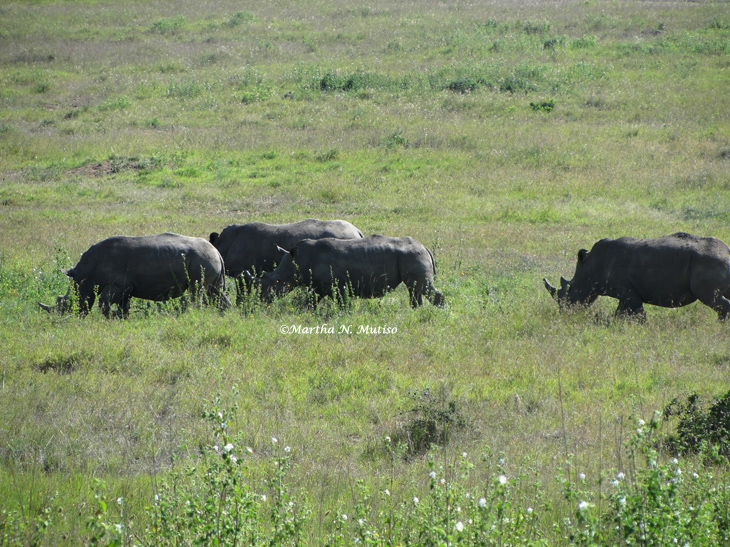
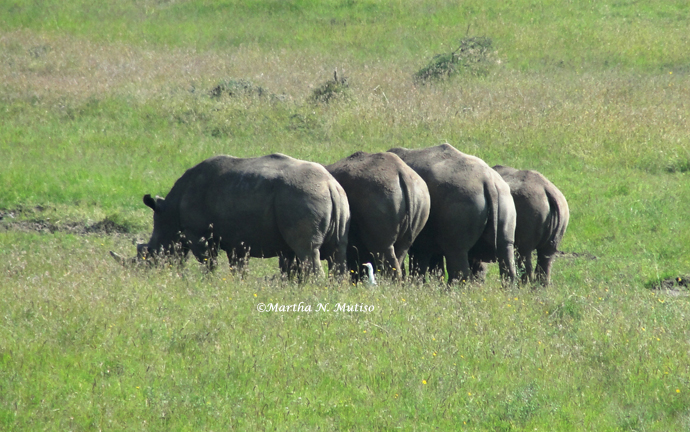
The excitement didn’t go to waste. Before we could call it a day at the Park, we were rewarded by our first sighting of not one but four Rhinos of the day, the White Rhinos. And this time round, we could clearly identify that they were Rhino Rhinos!
The White Rhinos (Ceratotherium simum)
We drove back to our camp, and reflected on how the rhino’s population is currently in decline due to poaching, habitat loss and illegal horn trade. We silently hoped that the species would survive long enough for future generations to marvel at their gracefulness and beauty.
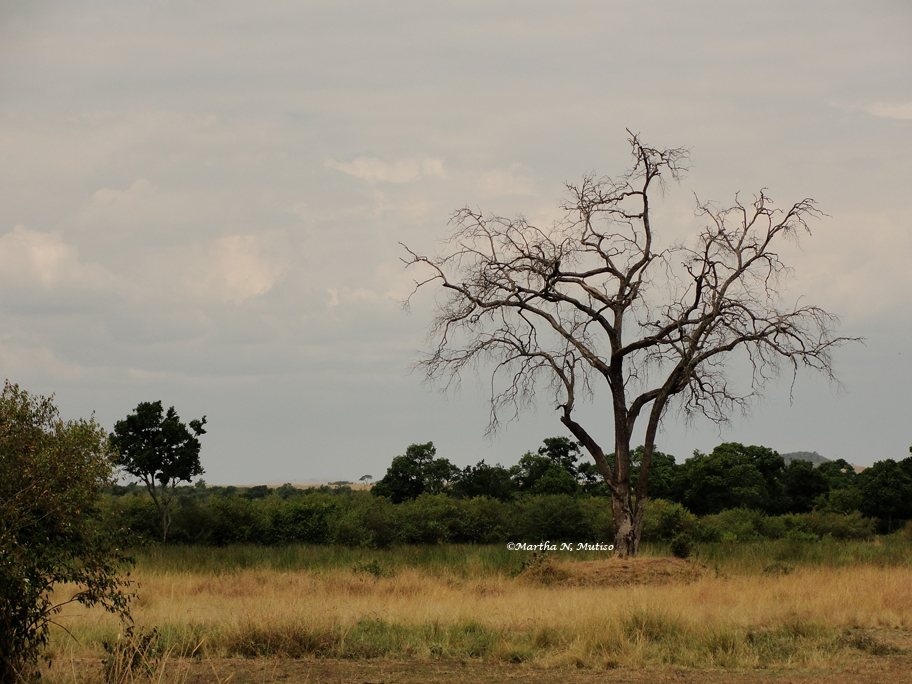
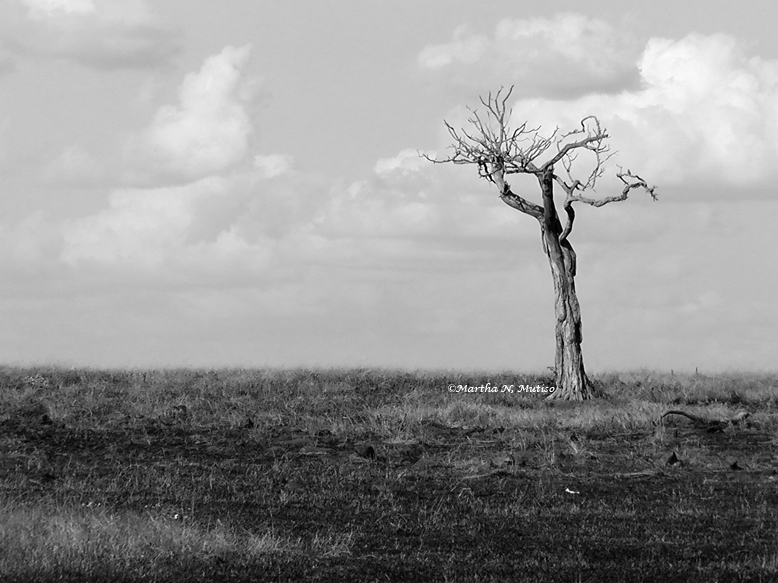
Often times we look at dead trees and frown. I had a different reaction recently when my friend Elaine echoed my thoughts after passing a very dead dry tree during a game drive in Maasai Mara. Shelley, Elaine’s daughter, was quick to assure me that I would get this reaction for the rest of the trip. Dave, Elaine’s son-in-law, also made sure to let me know that Elaine would stop and photograph all the beauty along the way. As anyone would expect any foreigner’s reaction to a lion, cheetah or leopard sighting, it was refreshing to listen to oohs and aahs of a dead tree sighting. And for once during my outdoor activities, I knew I was bound to have the greatest time of my life with this lovely crew.
We came across many of these beautiful skeletons
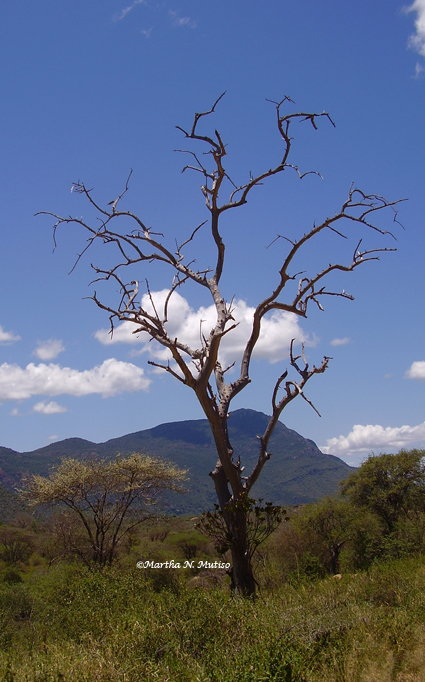
Back to the dead trees, they often stand out in far away landscapes and decorate them in the most awe striking beauty I have ever witnessed. The importance of dead trees in the ecosystem has rarely received the consideration that it deserves. It has been found out that the removal of dead wood and dead trees may seriously affect the long-term availability and viability of habitat and diversity. It may also threaten primates, reptiles, insects and birds, which depend on dead wood and forest litter for their survival.
A gorgeous dead tree in Maasai Mara landscape
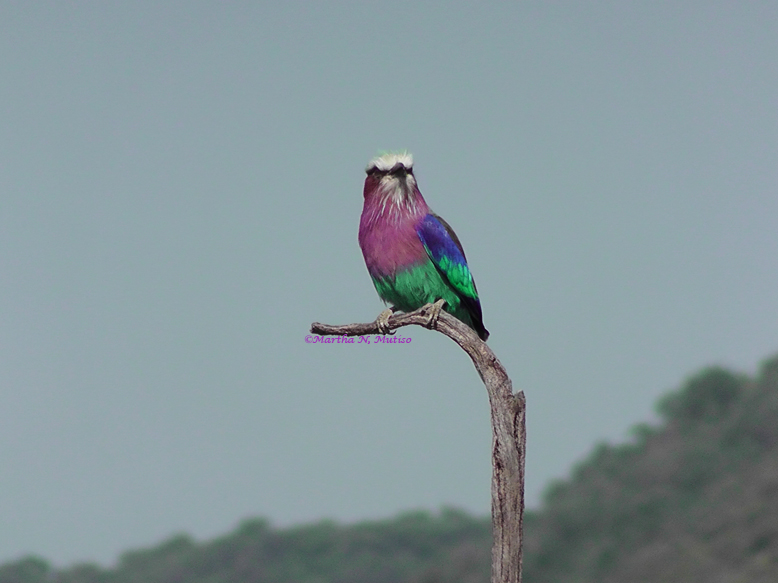
A Lilac Breasted Roller perched on a dead tree branch
My appreciation for gorgeous dead trees and other nature’s beauty was renewed during this trip. Like Elaine says, continue to enjoy dead tree skeletons as much as you can; they are the mirror of their past and each has a story to tell.
If i had a bumper sticker it would read “I love gorgeous dead trees”
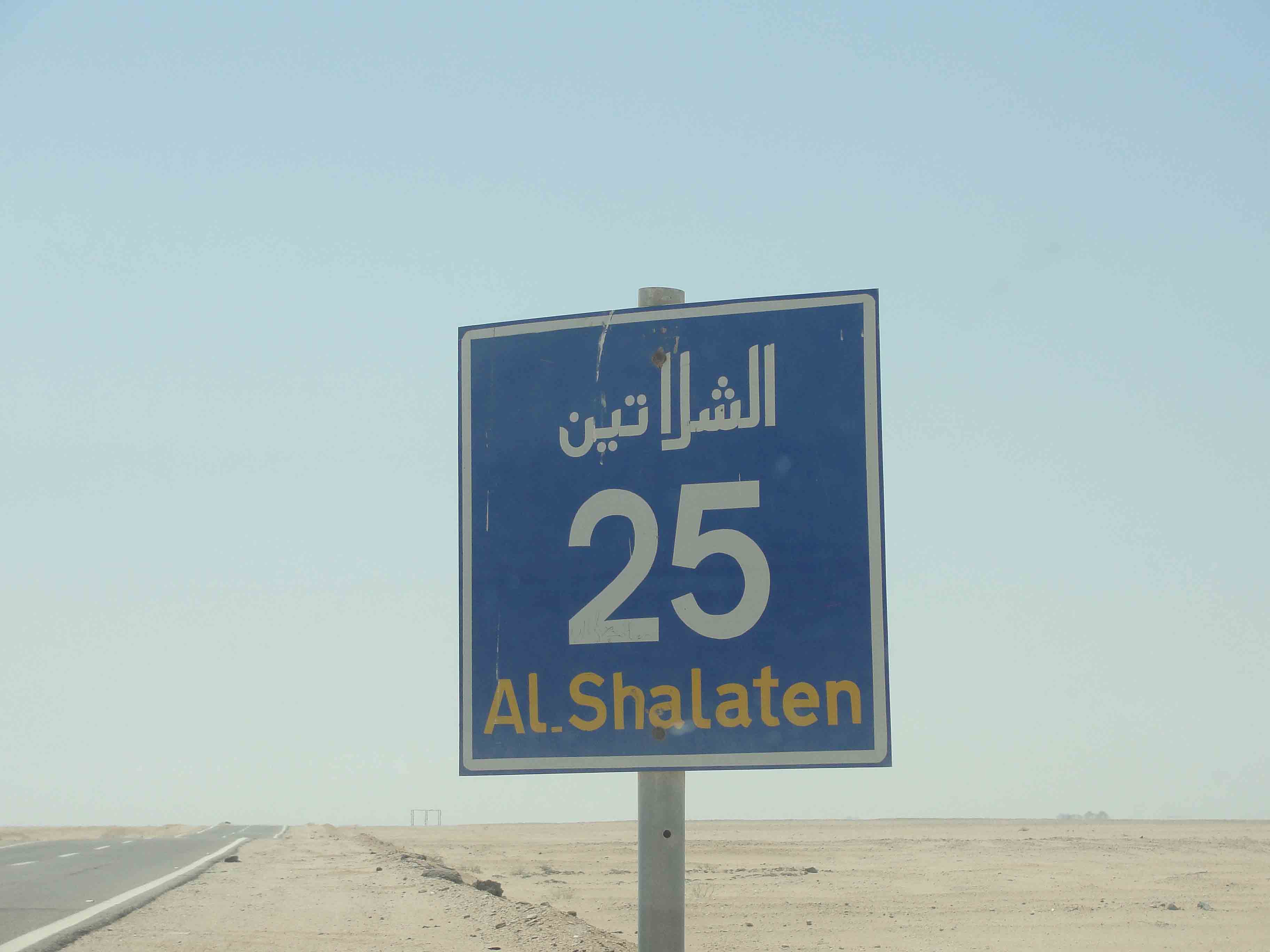
We are headed for El Shalateen, with various stops along the way, something you always expect with birdwatchers. There are beautiful sceneries along the way and special birds too. But the day’s highlight is when we get to this sign written, “El Shalateen, 25 Kilometers Ahead.” Well, the sign stirs a humorous debate between us.
And the sign is in Arabic of course 😉
Let’s stop here. What for? To take a photo. Of what? There is nothing to photograph! The sign!! Who wants a photo of a sign? There are more signs on the way. No, this is the last sign before El Shalateen.
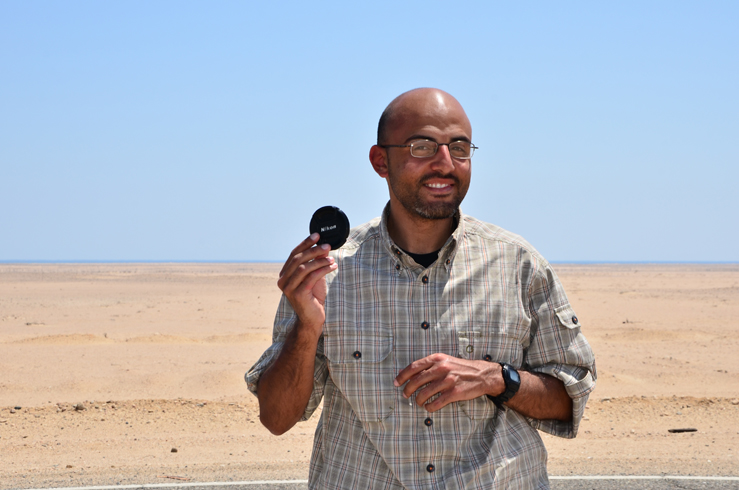
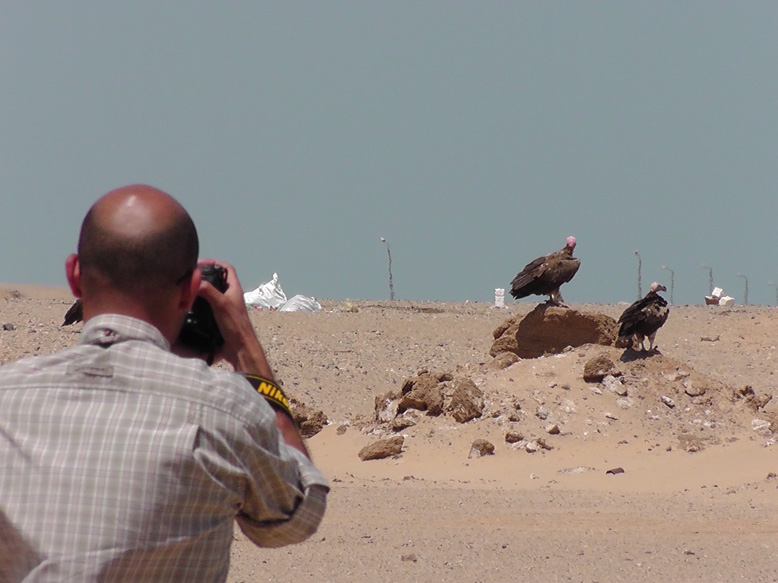
Well, I thought, why waste the moment? And the sign?! Watter is a photographer, and being one myself, I know we see things that non-photographers don’t see and at times it’s very hard to convince them to take a photo, where they don’t see any, even a road sign. So I got out of the car and decided to make the last sign at least interesting for us all.
A quick pose won’t do any harm, will it?
And some spice 😉
Russell got interested
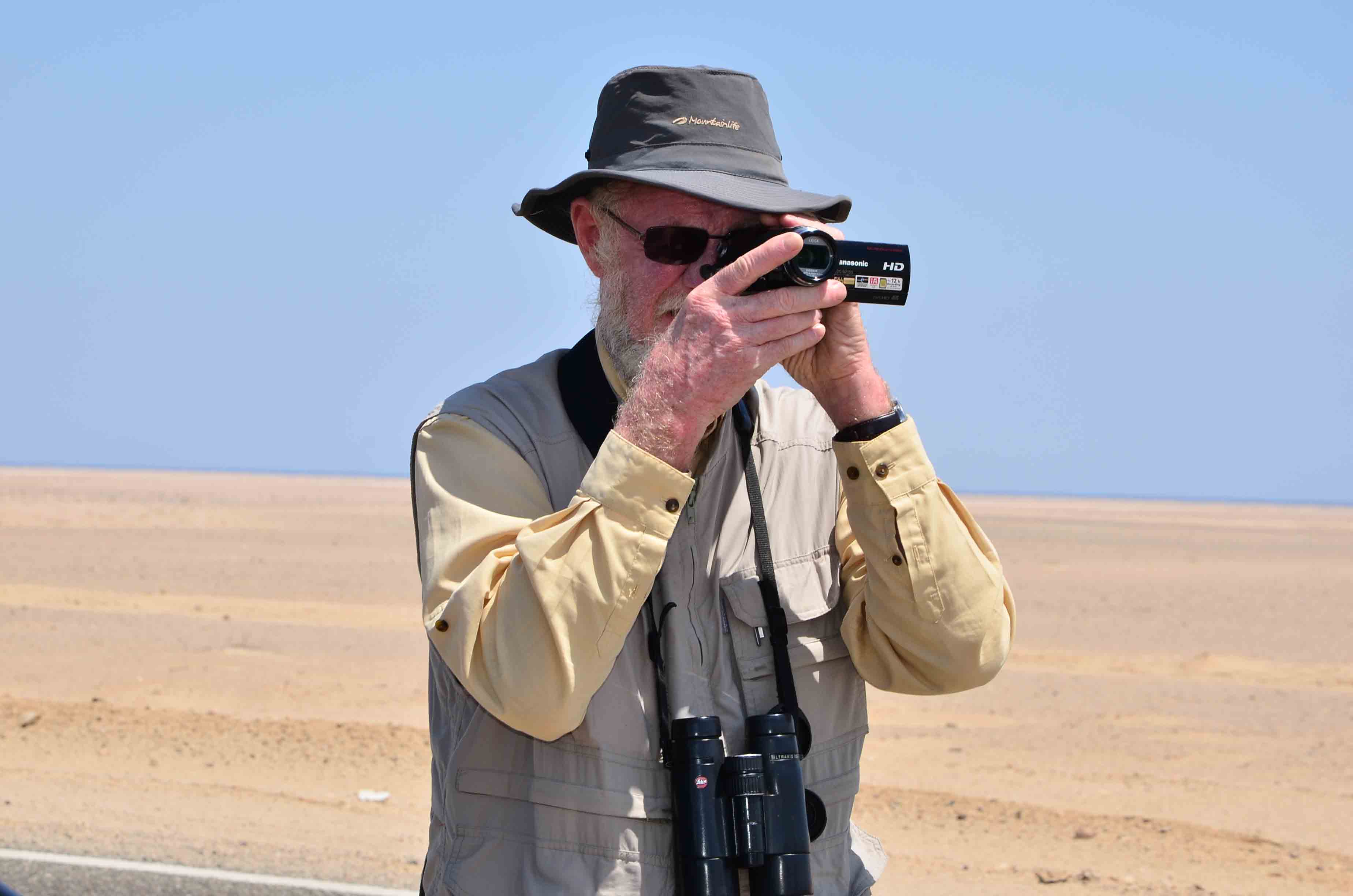
Watter opted to pose with his camera lens lid!
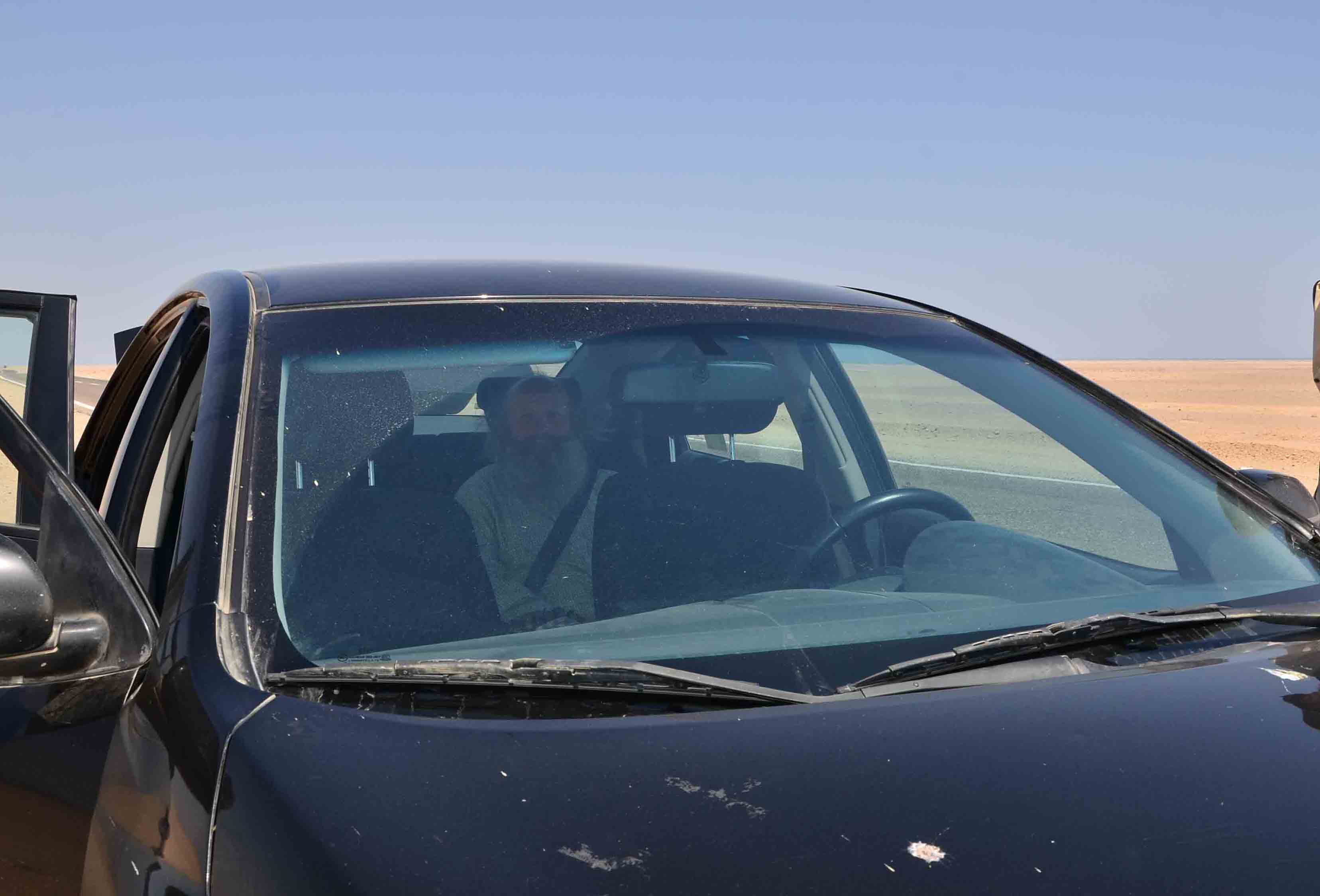
Peter opted to enjoy the show from inside the car 🙂
Believe me, after we were done, we were all grateful that we had stopped on this last sign before we got into the City of El Shalateen, the last City in Egypt, before you get to the border of Sudan and Egypt.
Watter Al Bahry, a guide, writer and professional photographer joined us in Wadi Dome from a safari along the Red Sea Coast. We talked and later he informed me that he writes articles for National Geographic in Egypt; we don’t even have a Kenyan National Geographic…for youth!! So later on he showed me one of his articles in the Egypt National Geographic Magazine for Youth. I marvel at it even though I can’t read a word-it’s in Arabic!! For a moment I considered studying Arabic as my next foreign language, this reminded me, I just read a quote in a little book and it read, “Life is too short to study German!” Well, I guess the Arabic will wait.
Watter speaks Arabic and English with Mary Lyn, our co-host and she tells him that he has speech impairment. He doesn’t understand what this means, so she simply explains that he mixes his T’s, S’s and H’s…and uses them altogether…he scratches his head and says, “I guess I need new software!” Well, it’s useful to have an Egyptian with a sense of humour!! He turns out to be my photography teacher during my stay and travel along the Red Sea.
I’ve always loved kids and they have always loved me back. I met these triplets in Hurghada, Egypt on my way to Cairo. They were on the bus that I caught from Marsa Alam. The minute the bus stopped for more passengers in Marsal Alam, I first saw two of the triplets, waving at me while holding their dad’s hands. I waved back and as if that’s what they were waiting for, they came to me and sat on my lap. I must say, I was surprised but not as much as their dad was; one minute their dad was holding their hands and the next minute they were seated comfortably on my lap.
I greeted them with the only Arabic I could remember at that time. Being kids, they continued speaking to me in Arabic, thankfully their dad understood English, he translated. Well, the only thing they asked was, “Why is she speaking English?” I’m glad I was not the dad, I didn’t even have an answer to that!! But he explained that I was from Kenya and that we speak English in our country. Still they couldn’t understand why I spoke English and not Arabic.
Music is a neutral language. On the bus ride to Cairo, the radio played Arabic music and the triplets held my hands and danced in the bus, other passengers could only smile and watch us, as they too didn’t speak English. They got to their destination too quickly and I went back to enjoying the music, the triplets’ happy faces engraved in my memory-forever :).
During a recent birding trip to Northern Rift Valley we visited a wetland that’s rich with bird diversity. But, this is not the only attraction in the area. The area had received heavy rains in the last couple of days and everything was alive and celebrating in their own unique ways.
The frogs and toads croaked and their songs filled the air on one section of the wetland. Wilson, my birding friend calls me and tells me to come and see a frog with four eyes!!
Really?! I’m curious, way too curious and ever ready to record any unusual occurrences in the wild. A four-eyed frog would just be enough for today. My gaze follows where his fingers are pointing. I can see the water lilies moving, but not because of the wind; it’s very calm. Within few minutes all I see is just two pairs of eyes peering just above the lilies. My camera is in motion-in video motion because they are not very close to me.
The birds are forgotten at this moment!! The movement goes on in the water, and still, nothing much can be seen except for the two pairs of eyes.
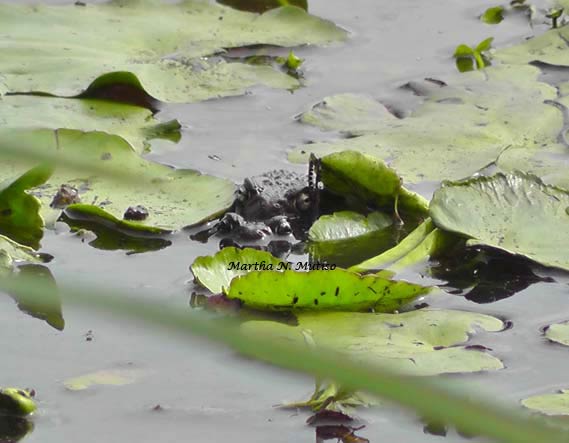
My patience pays off and atleast am sure I have more than just couple of eyes. It turns out that the four-eyed frog is none other than a couple of Guttural Toads mating!!
An injured Toad, a goat must have stepped on it 😉
Phew, am a bit disappointed that it wasn’t a Four-eyed Frog, but just excited that I have witnessed the behavior first-hand and happy to go back to birding after the croaky break!
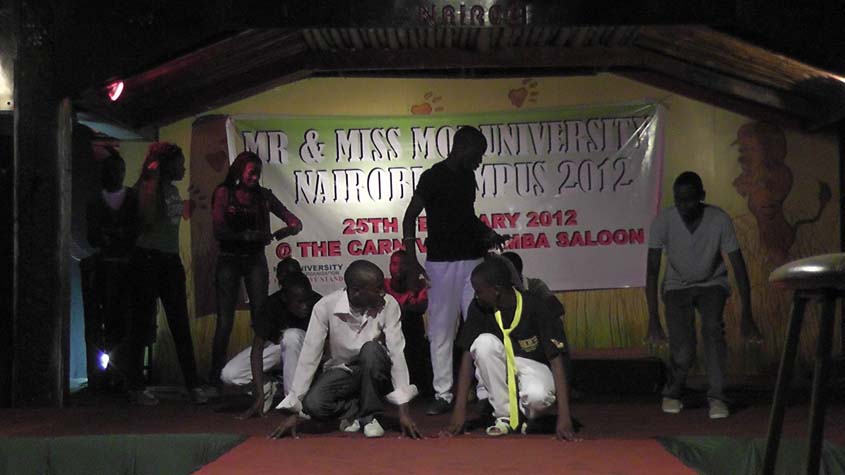
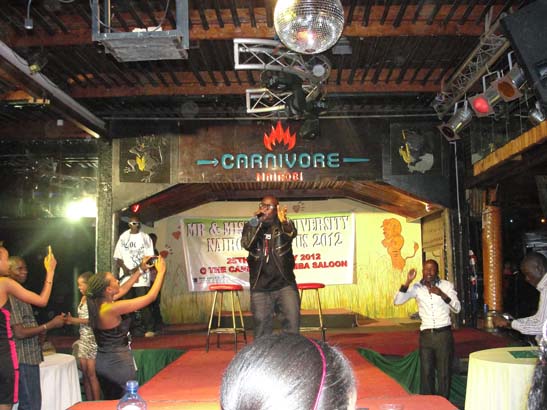
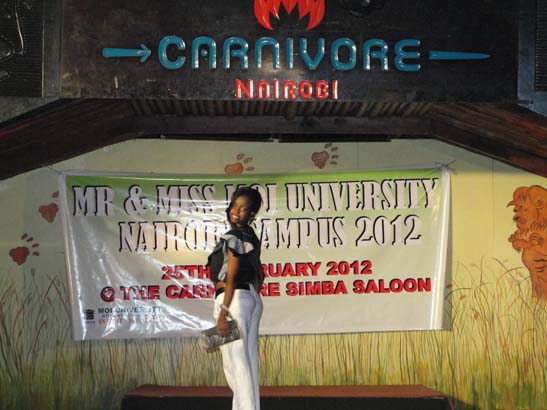
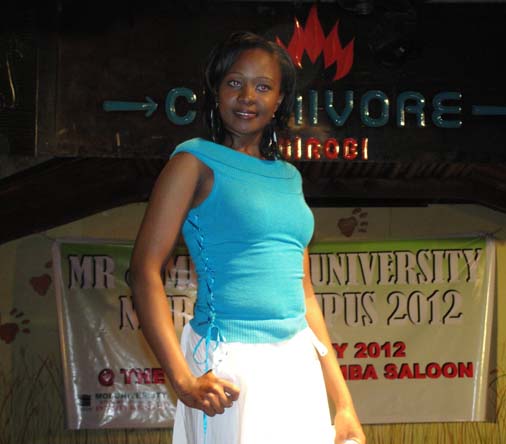
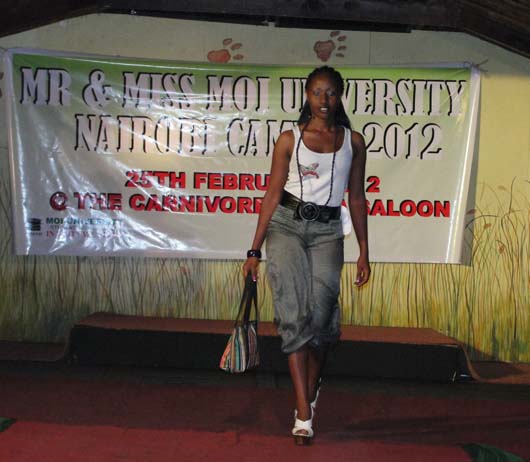
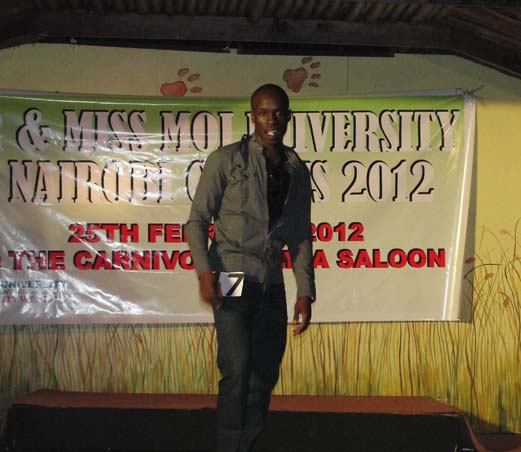
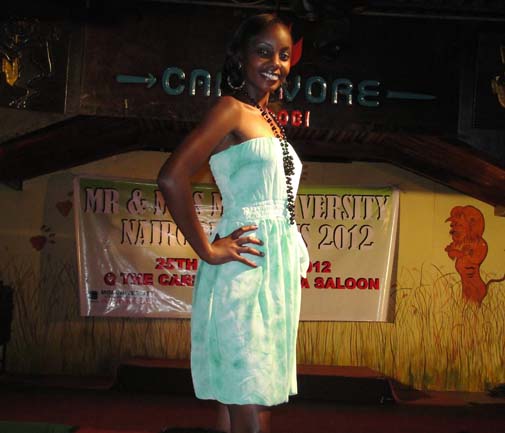
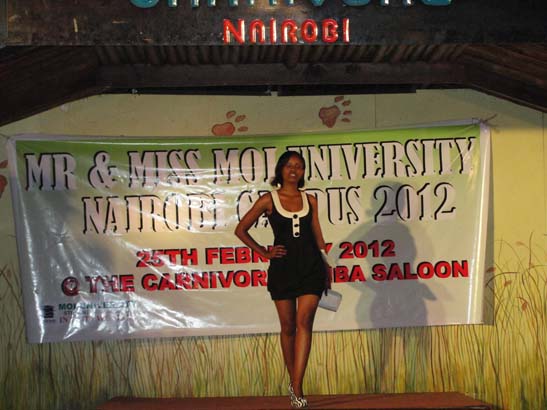
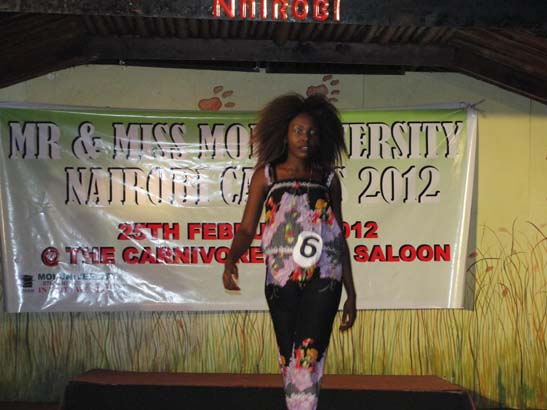
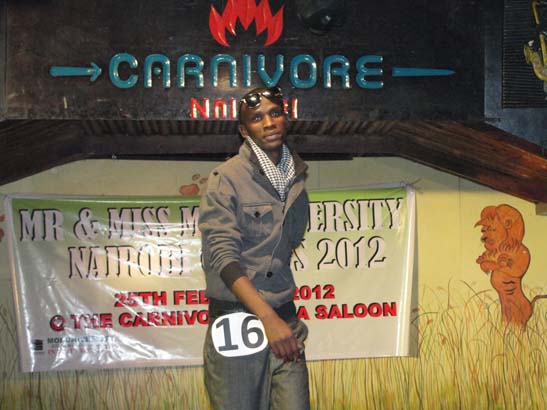
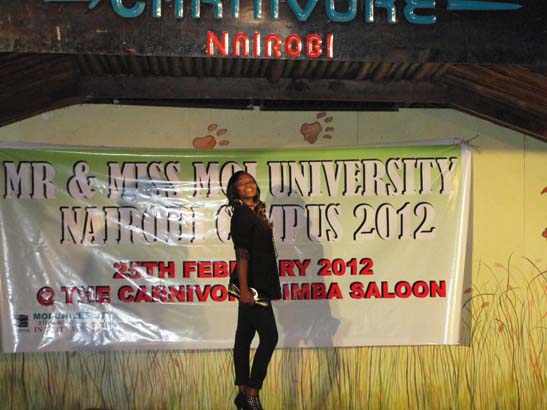
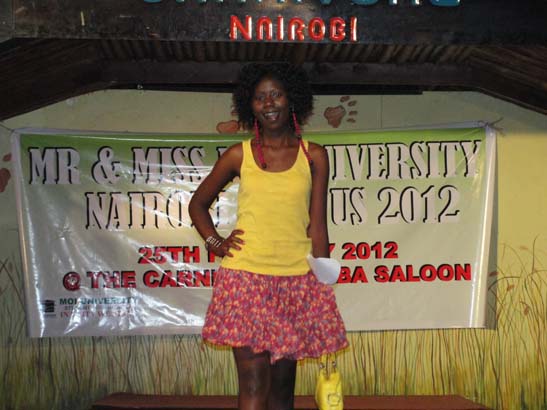
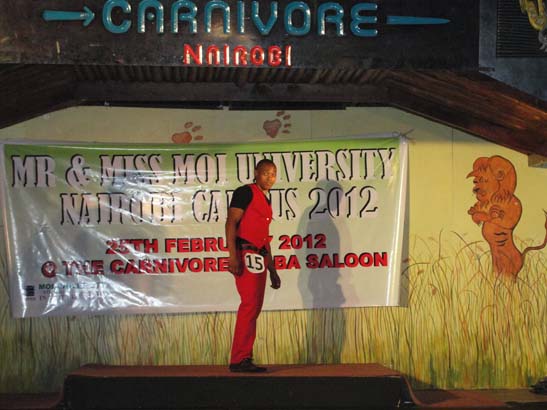
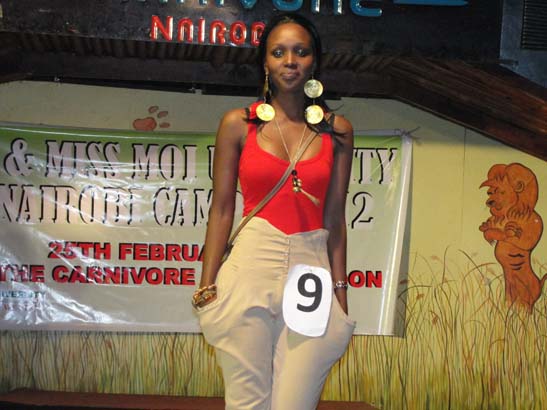
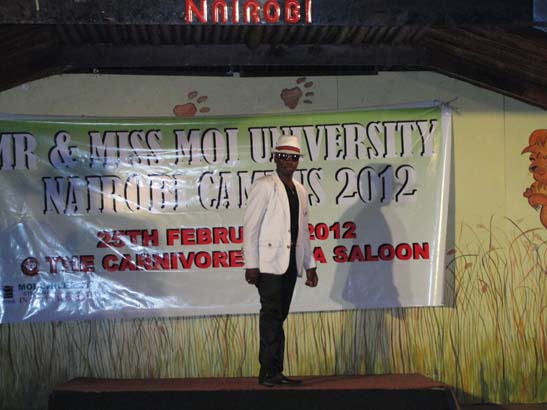
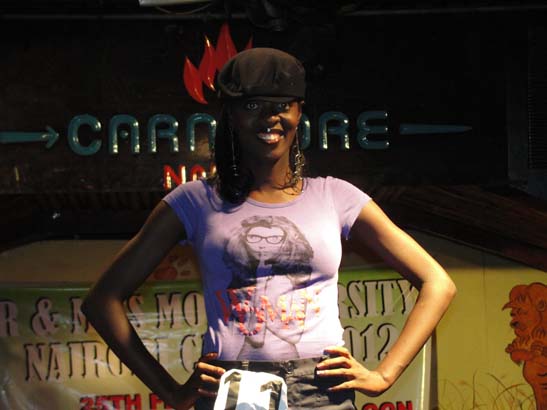
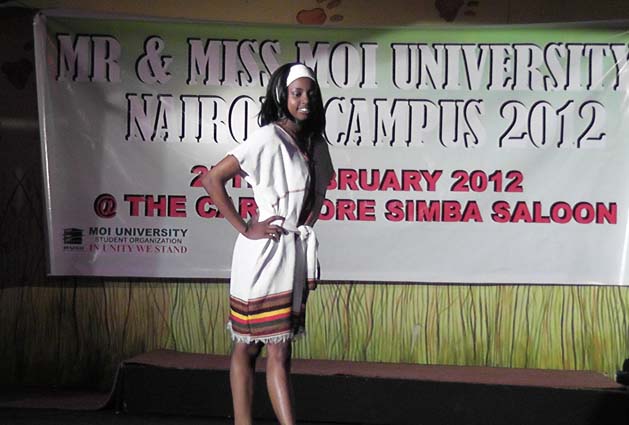
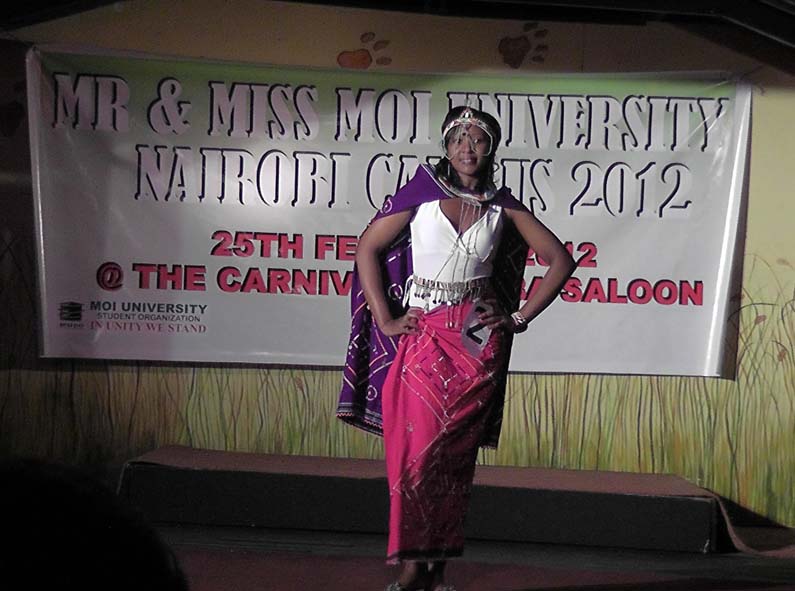
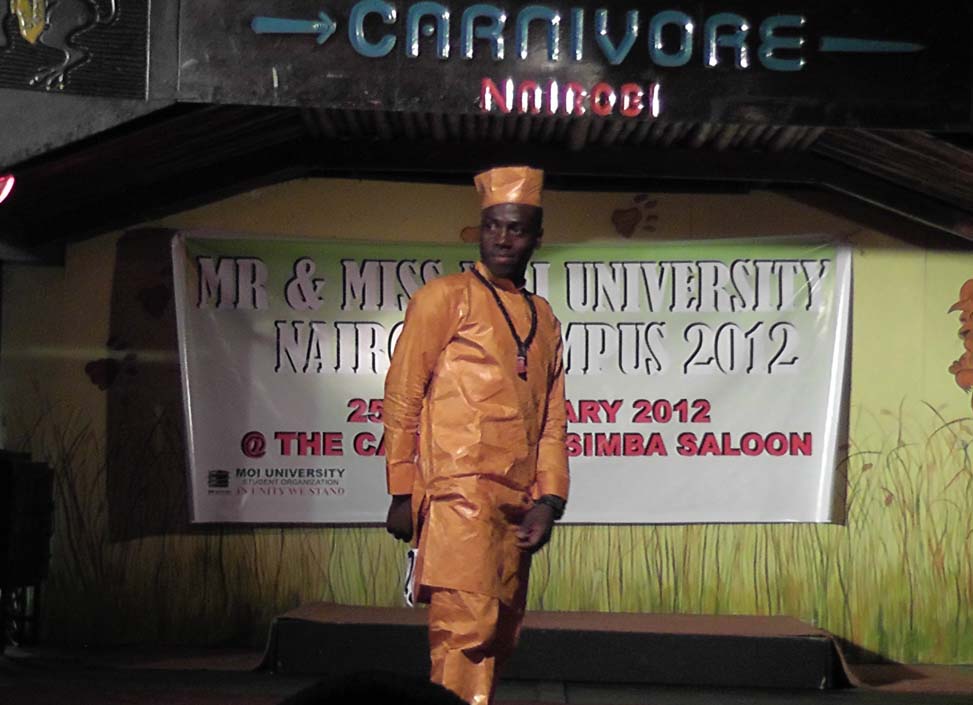
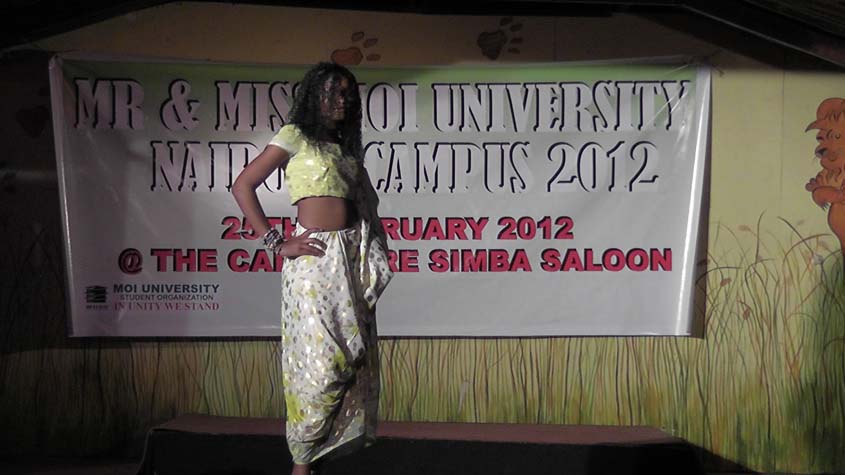
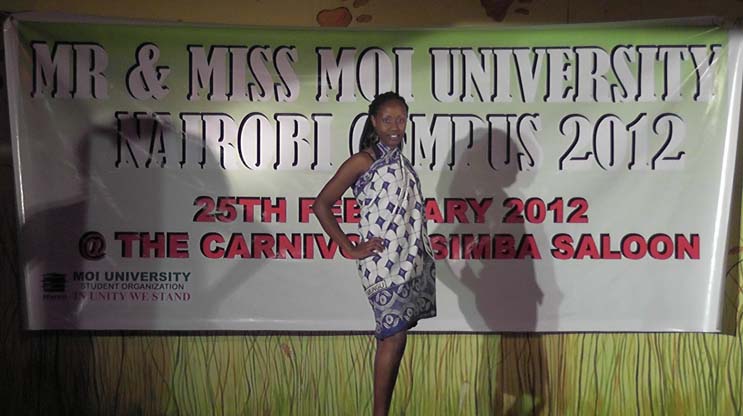
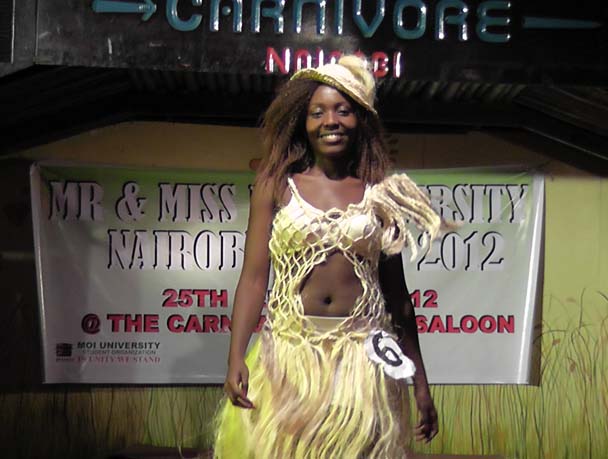
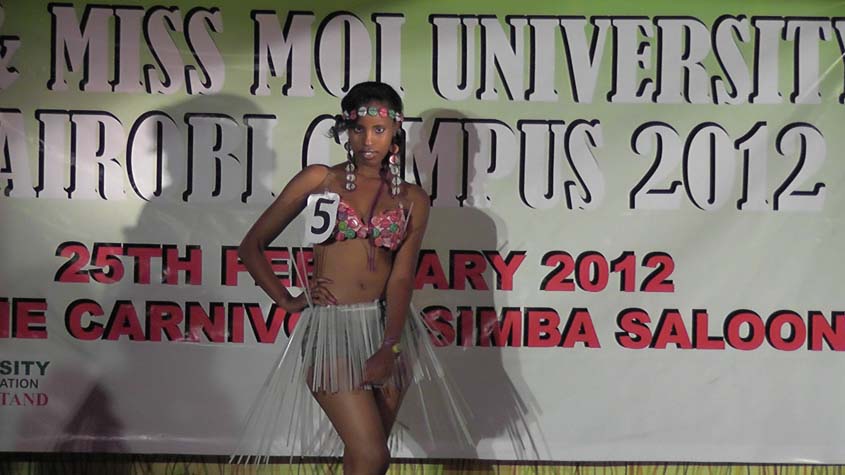
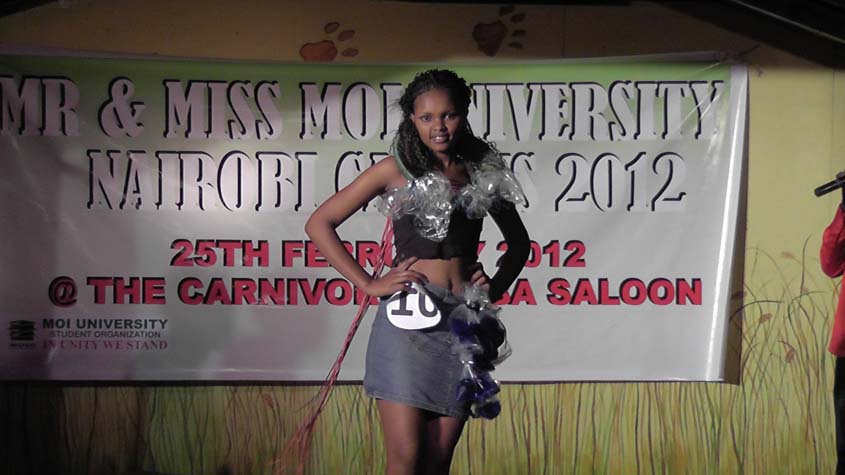
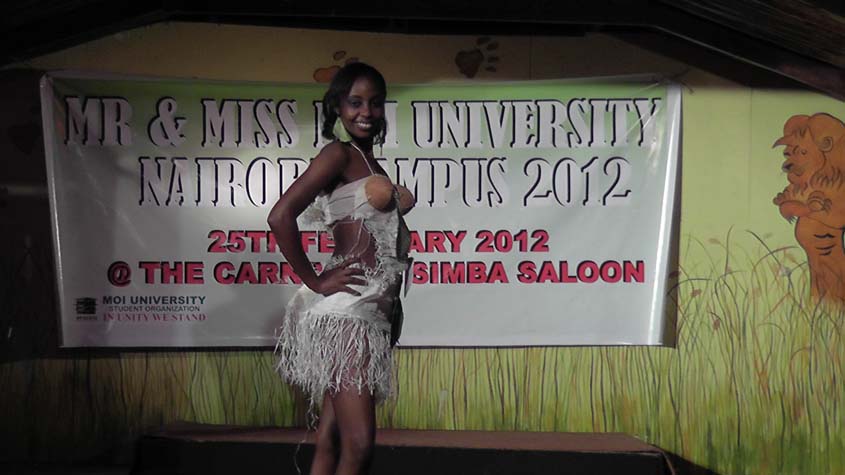
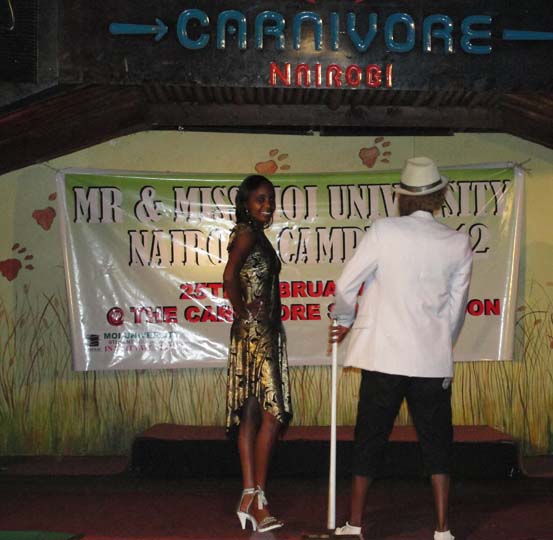
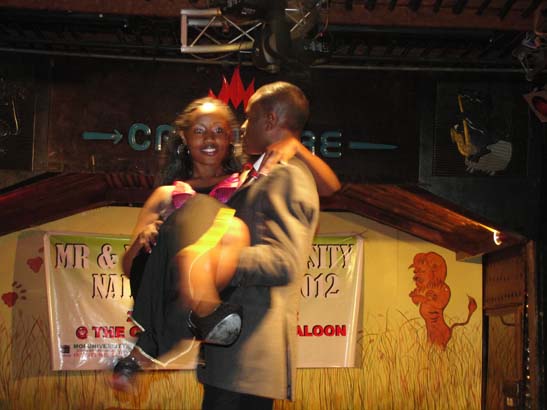
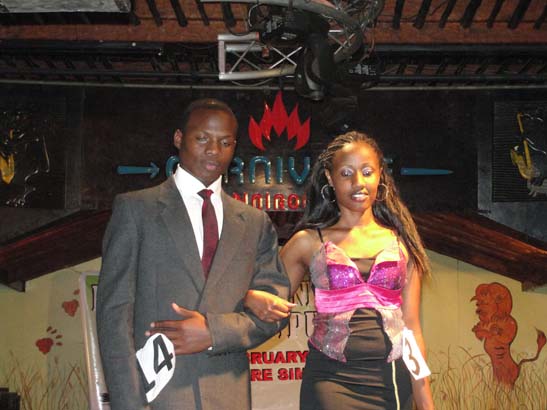
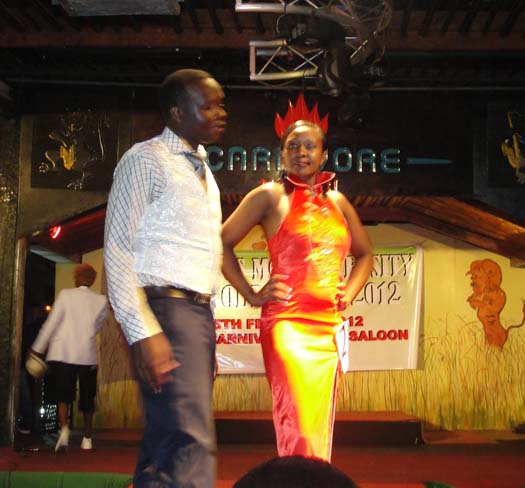
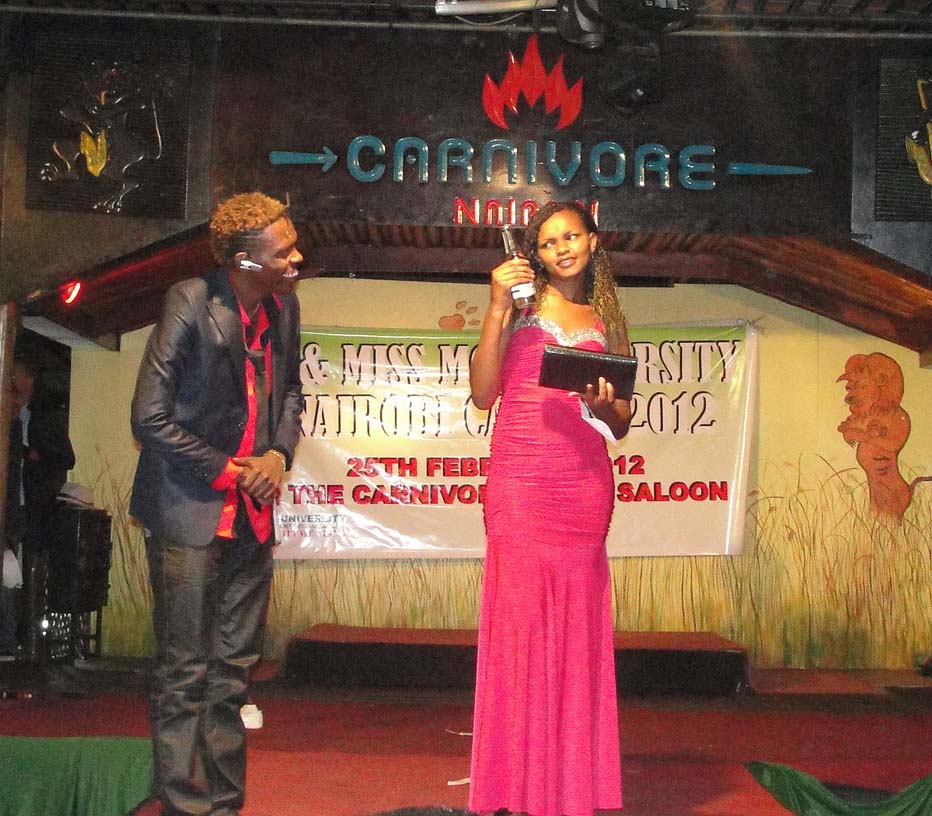
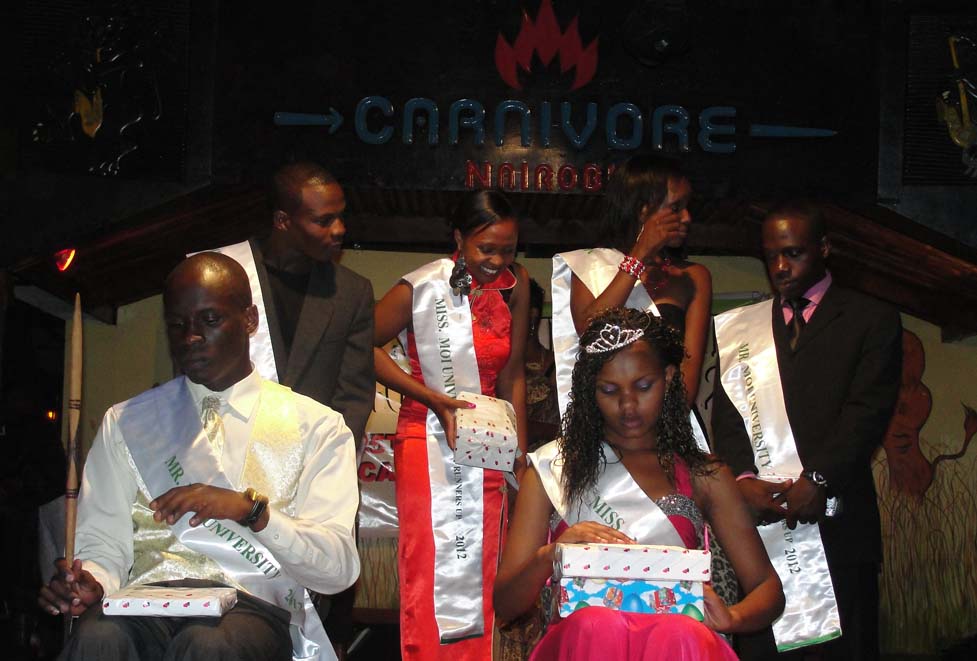
Every year, local colleges and universities hold an event that has become a norm in our colleges. I must say that tertiary students are just but very creative when it comes to such events. And to think that most are studying courses that are very contrary to their creativity beats my mind. Well, the Moi University Nairobi Campus, just completed their beauty pageant this year. The event, graced by students and lecturers from the university, other universities and general public, including local artists.
The entertainers..
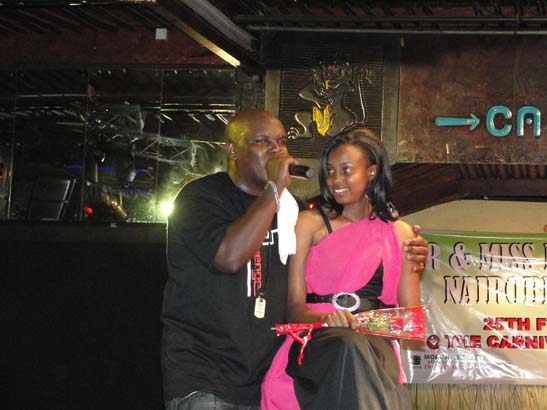
The invited artists, included a group of young dancers whose name i forget 😦 but held the crowds interest until the main event began. Some of their dance moves were hilarious.. The MC and comedian Eric Omondi and his colleague cracked us up with their funny jokes. The “King of Genge”, Nonini could only be the days artist for University students!!
The young dancers
The MC-Eric Omondi
Nonini, the king of Genge music
Nonini trying his lines on one of the contestants
And yes, she seemed happy about them 🙂
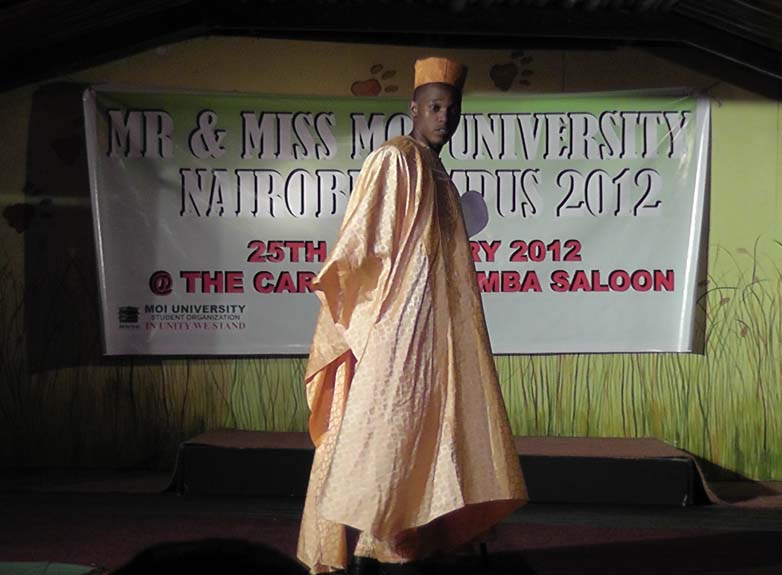
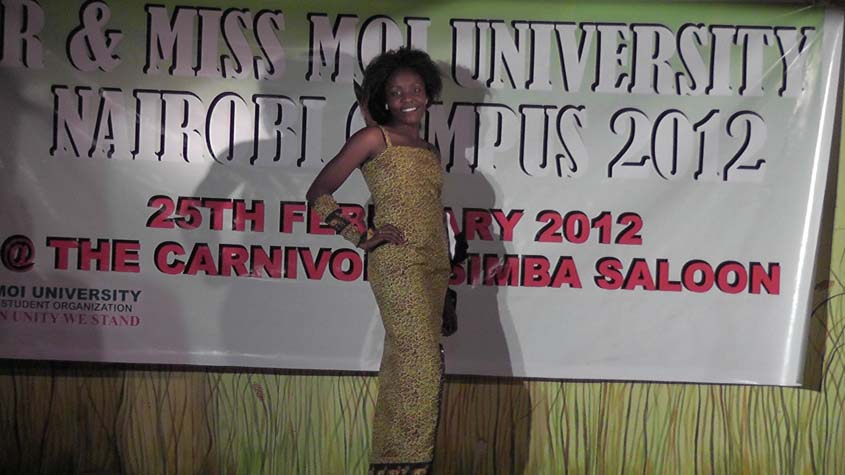
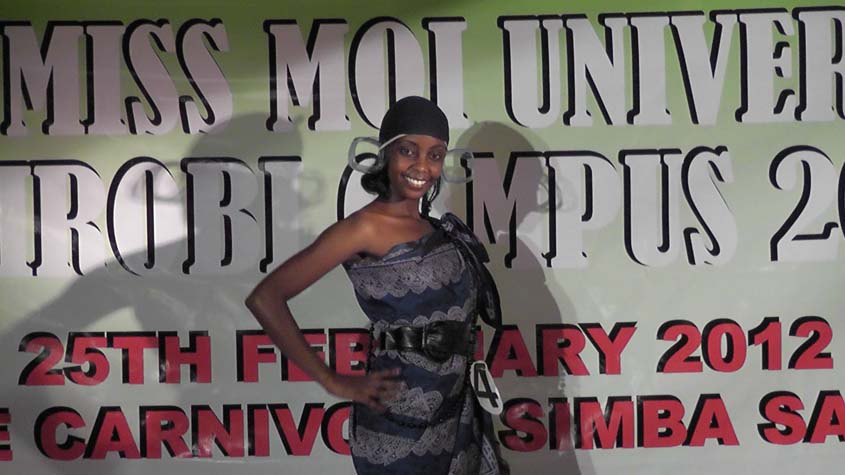
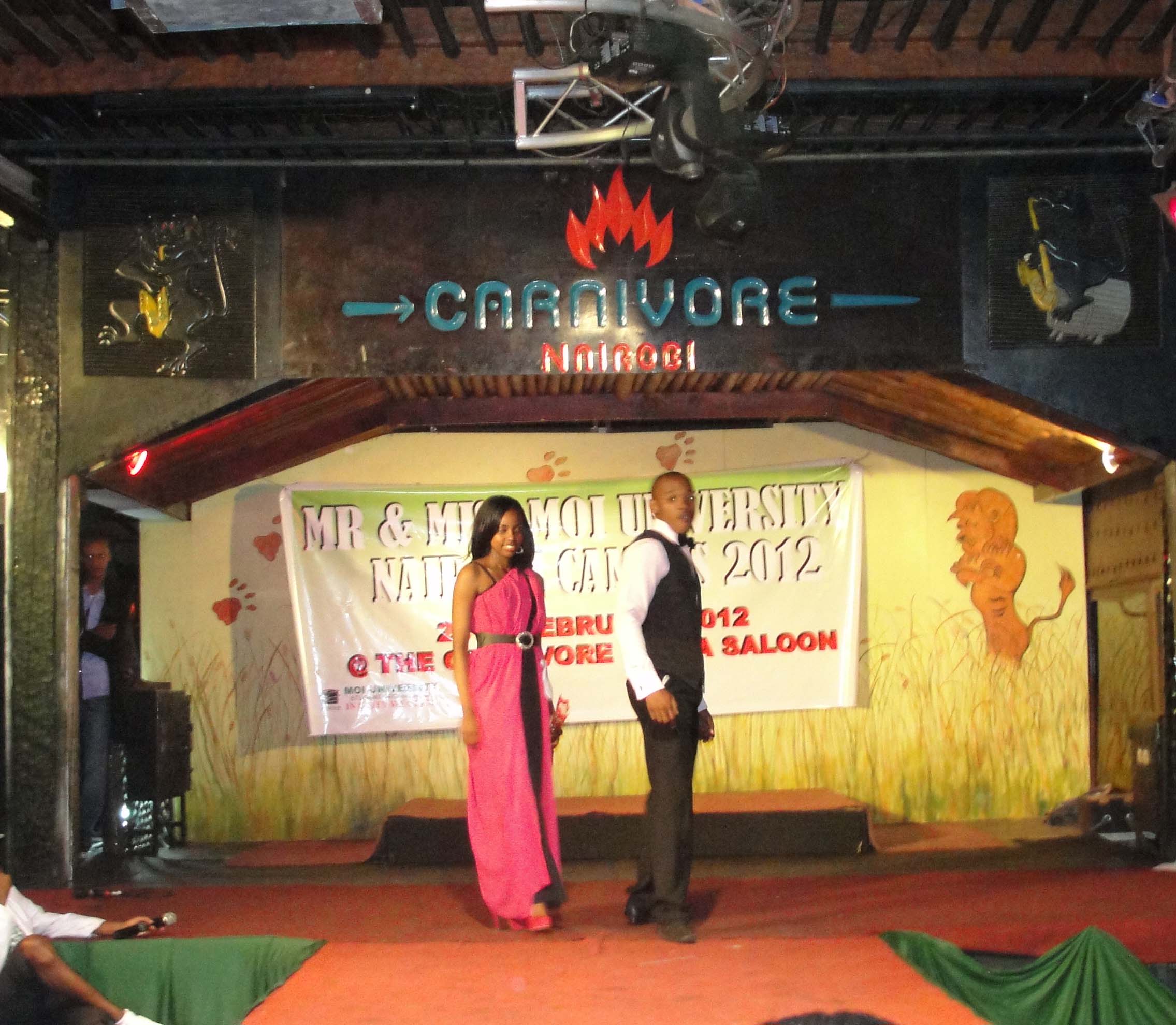
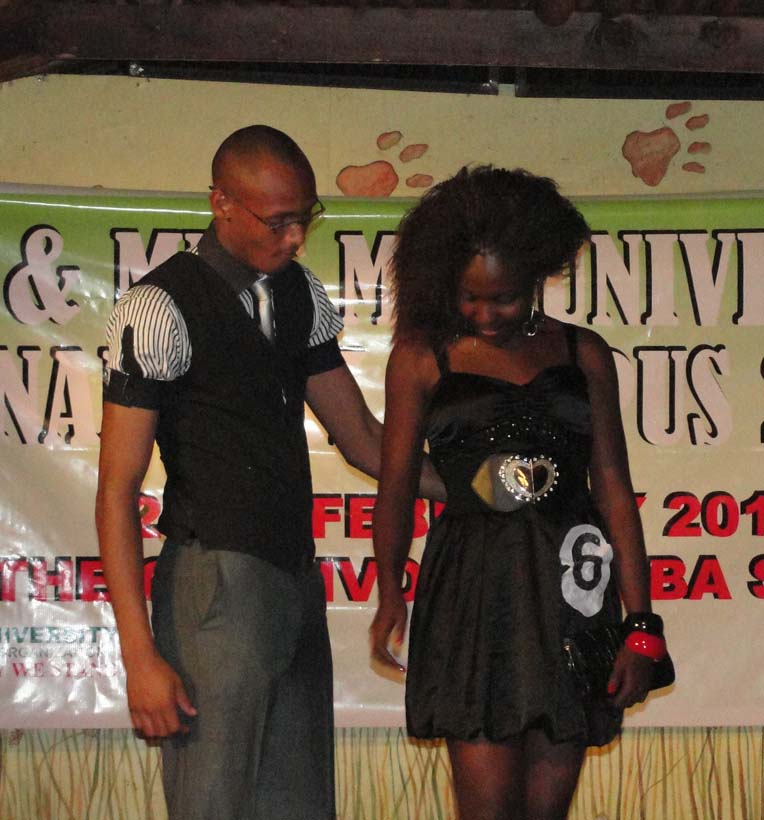
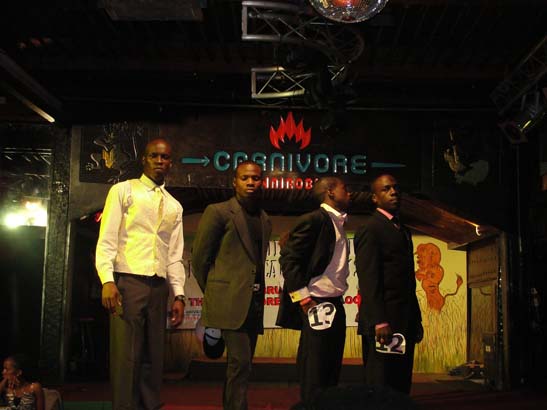
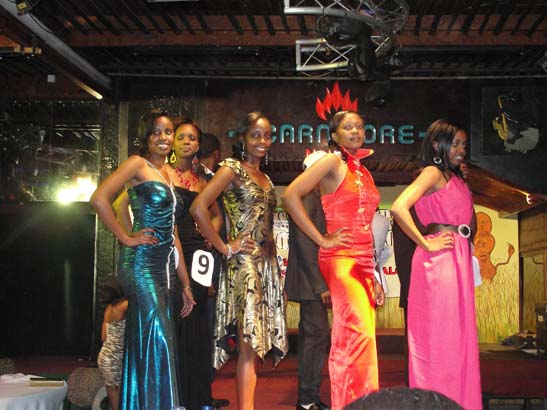
As a custom, all contestants, men and ladies, all dressed in black and white have to first walk in a file-for the crowd to see them. Well, the ladies were photogenic, the men not so photogenic but i tried capturing them. The event has four major categories and themes focusing on Causal wear, creative category or sports, Dinner wear and cultures. My favourite category in all the pageants I’ve attended is always the Creating category…
Casual wear category..
Under the casual wear, as one of the contestants explain, the trainers emphasize that one has to wear something that they are comfortable with in public. Well, the casual wear was admirable.
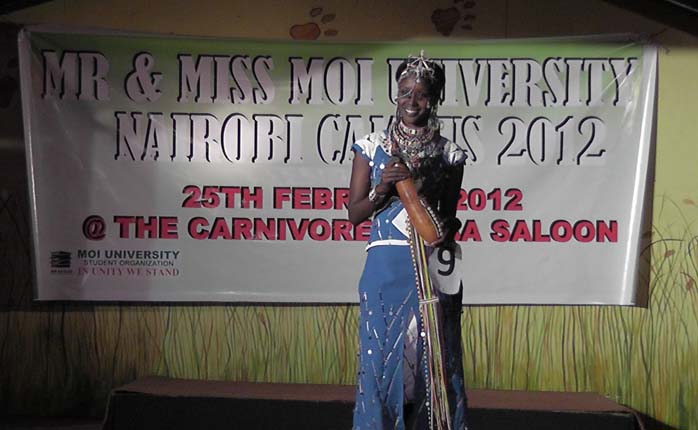
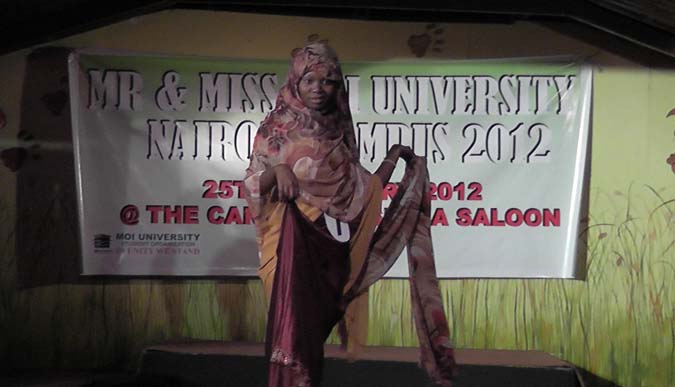
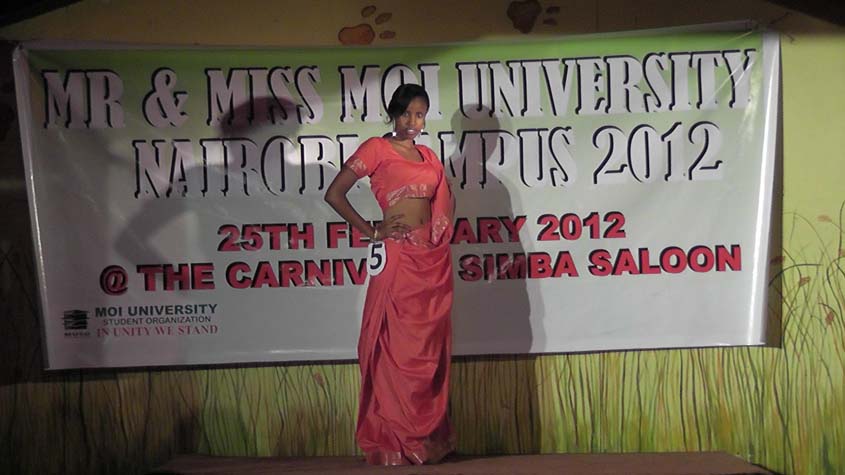
The Cultural theme..
The contestants showcased various cultural styles, including local Kenyan cultures, Western African and Asian attires.Those who didn’t have exact attires got a bit creative.
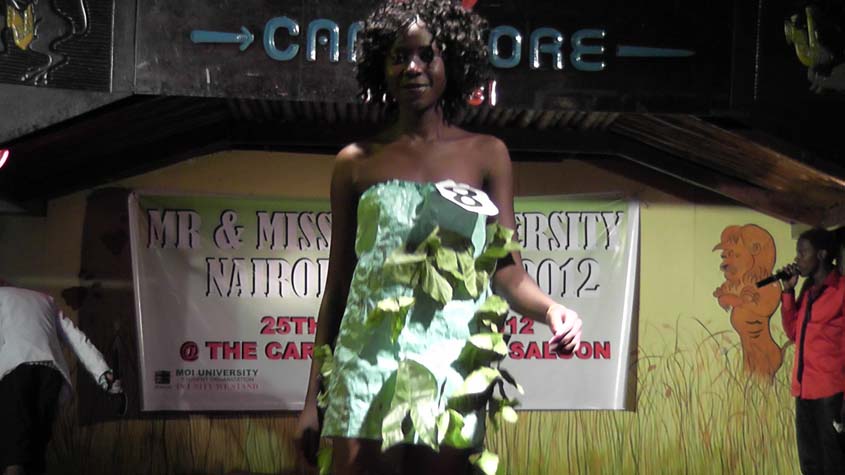
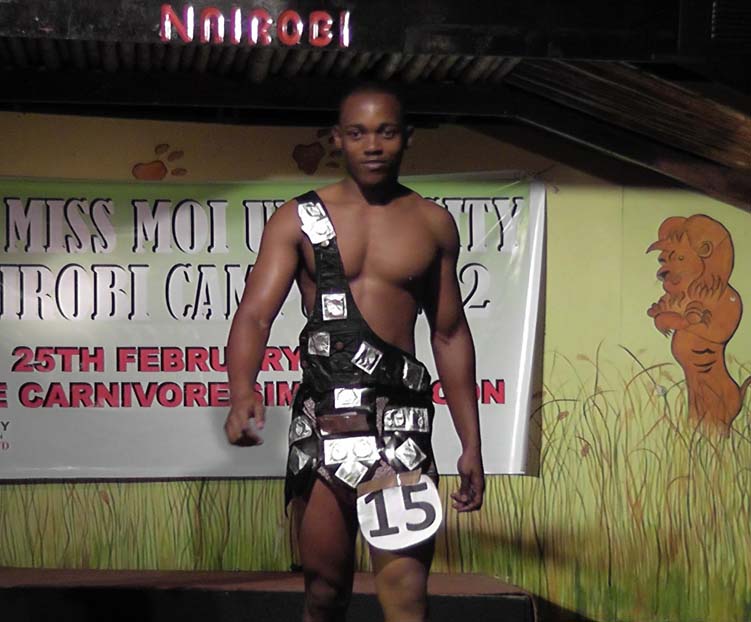
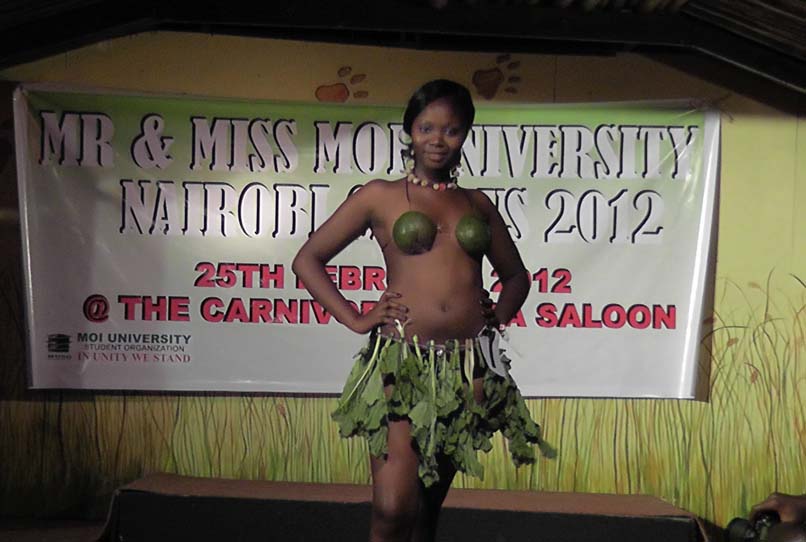
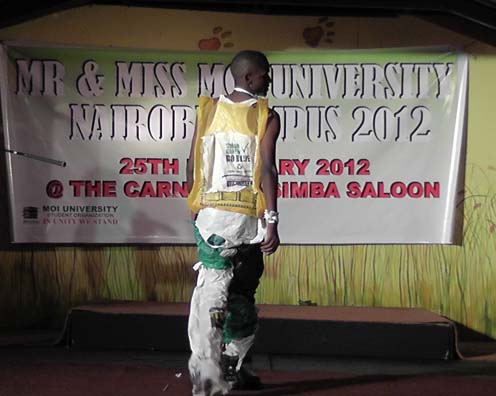
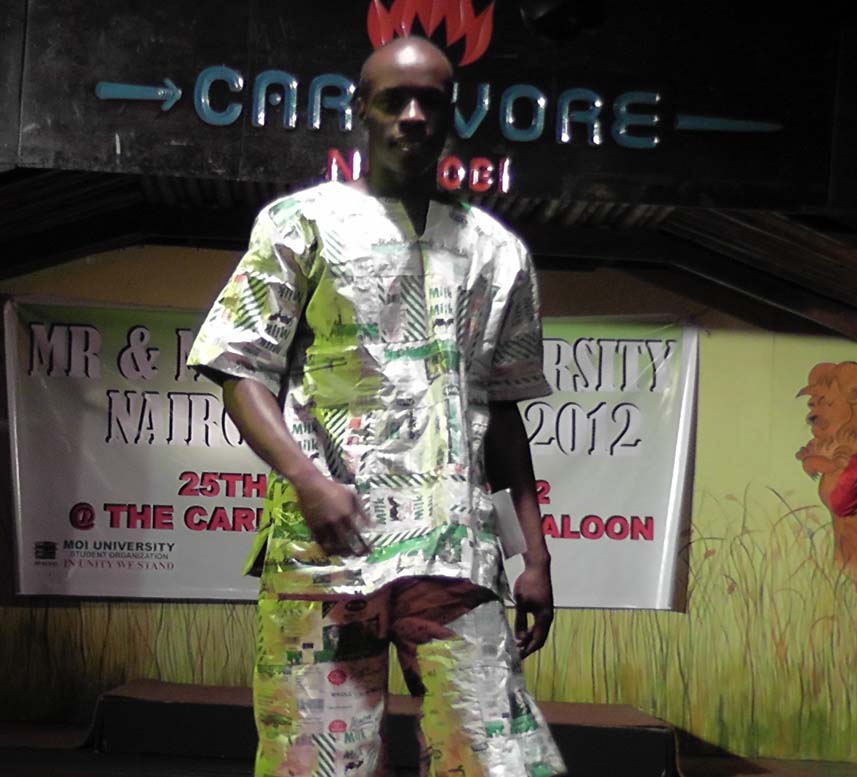
The creative category..
Well, my favorite category, had to pay full attention here to a an almost no-breathing-point!! I have to comment, only students can be this creative and get away with it..The contestants used any materials they could lay their hands on. Some materials that some of the observers found interesting, offending or controversial were showcased including bottle-tops, plastic papers, plastic straw, sisal, food-spinach, coconut shells, avocado peels and the most interesting outfit-the sanitary-pad outfit. Personally, I still want to get to know what the contestants were thinking when they came up with some of these ideas..!!!
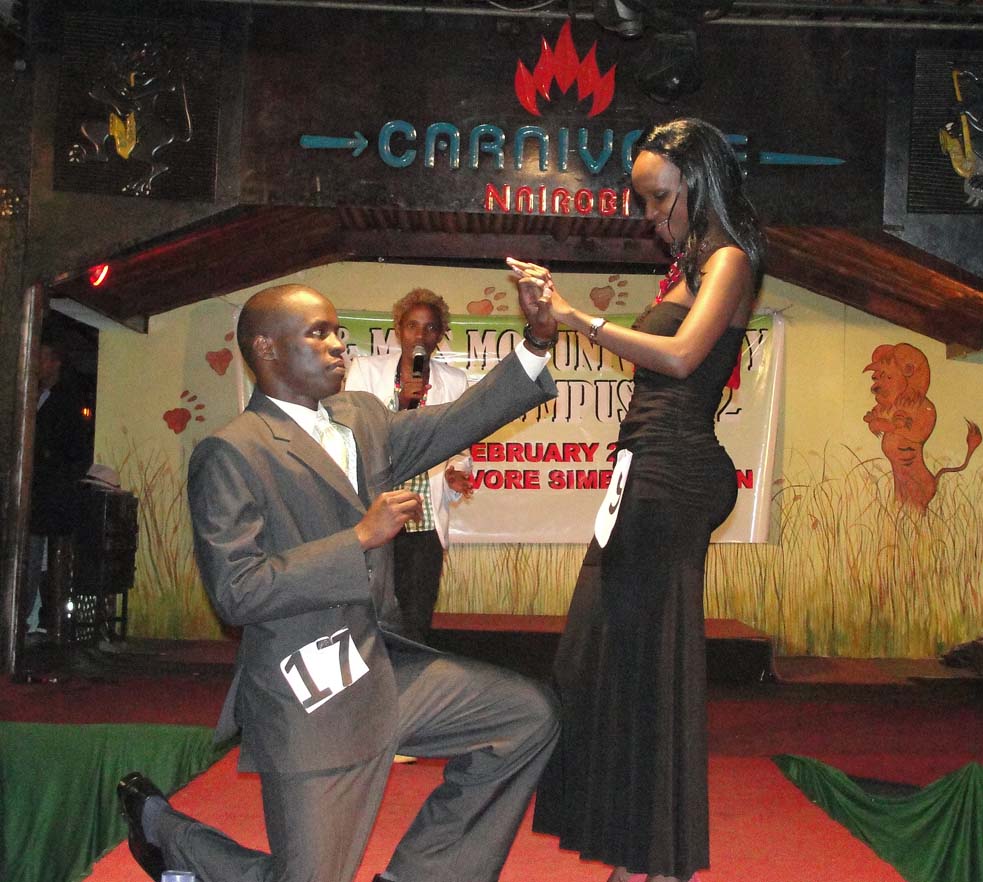
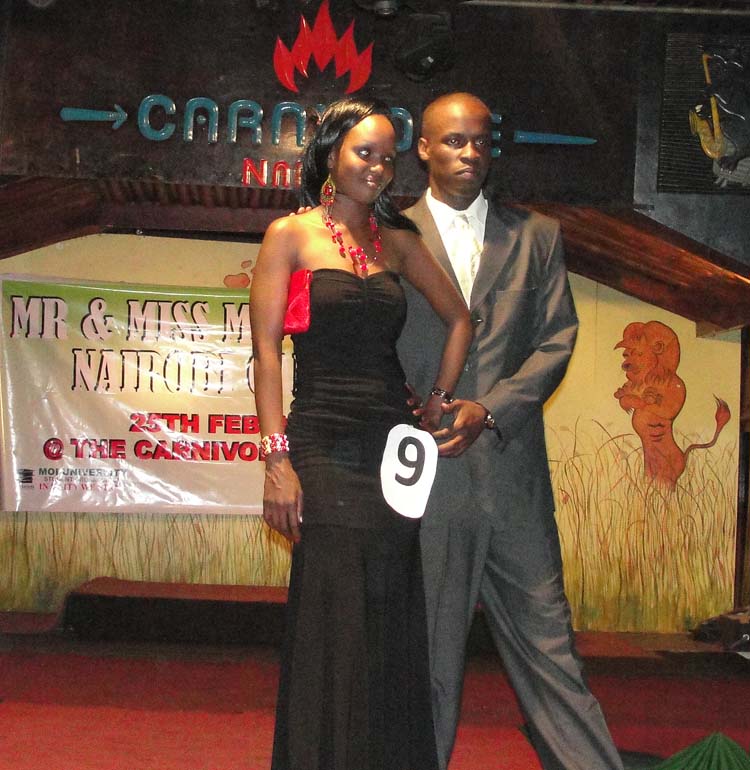
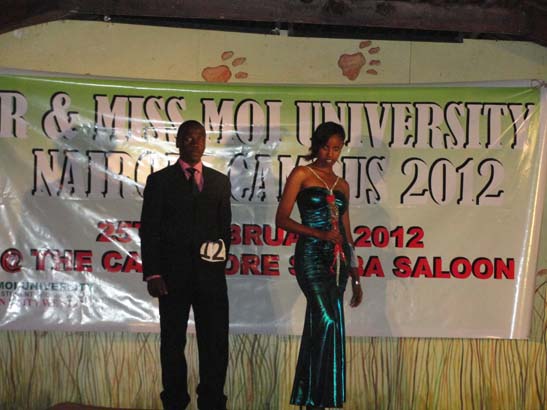
The Dinner wear..
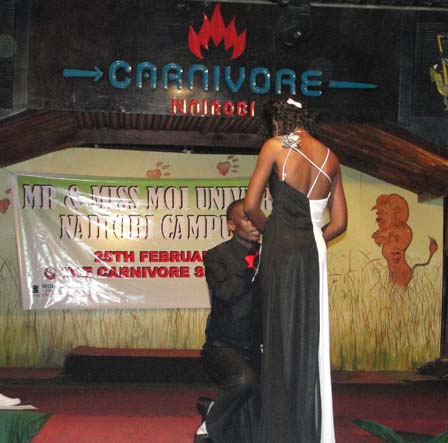
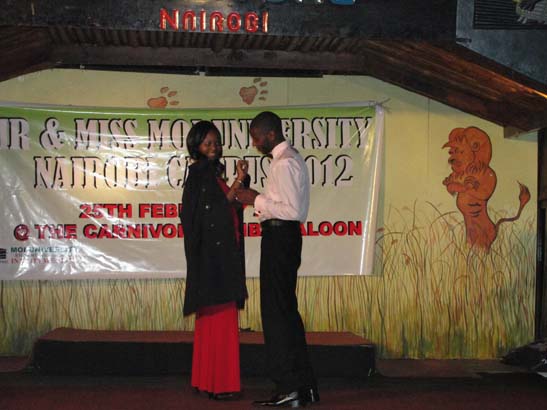
If i didn’t know better I would say that most of the guys here were proposing to the ladies, all went down on their knees; only difference is that they all used one red rose for all the ladies..some gave the ladies other accessories which am sure were returned to them much later. Well, it was amazing, they were only modelling.
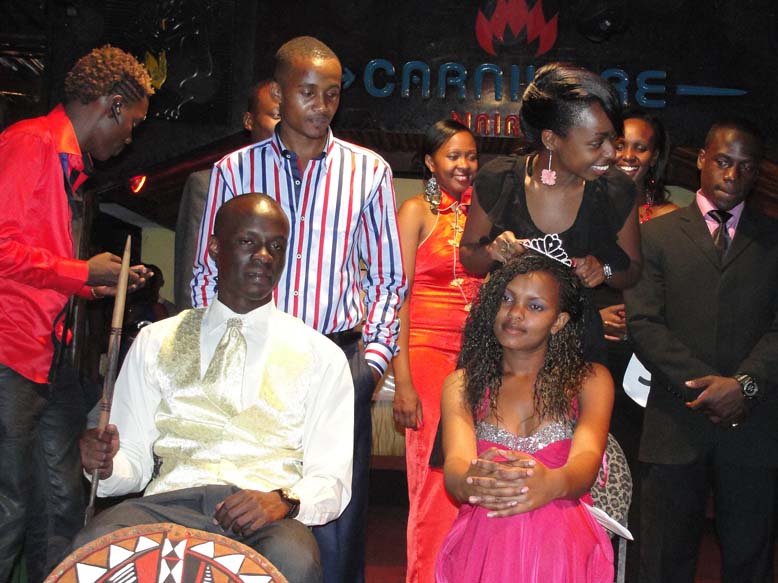
The winners..and the Real winners!
The time had come for the judges to choose the winners. I would have thought that the crowd votes for the winners but not in this case. They first had to announce the Top Five including the men and ladies. During this time, all ten contestants were asked questions like, What motivated you to take part in the contest? (And she answered that she wanted to do this, for fun, for exposure, and then the real answer came out, my mom made me do this!!); Who is your role model? (Of course, “My mom” is always the answer!), Tell us some effects of climate change? (Really? Well, she gave very good answers), What would you do if you won the contest? (Never mind the answer, the question really tells me that am not the winner!), What is beauty to you? (And you can tell that the question was to be answered by a guy..and the answer, “As a model I would be tempted to describe the physical beauty, but personally beauty to me is the C-H-A-R-A-C-T-E-R.”) Well, I give the guy lots of credit for that simple definition..
And to the sanitary-pad clad contestant, “You had a very interesting outfit, do you think it was controversial and why? (Already the judges and some of the crowd thought it was controversial. The answer, “Yes it was controversial. See, I come from a very remote area and I didn’t use or know sanitary pads when growing up!” And yes, much as available as they seem, not every girl can afford the luxury, which is why the Rotaract Club of Nairobi Central has been distributing sanitary pads to girl schools around the country!!
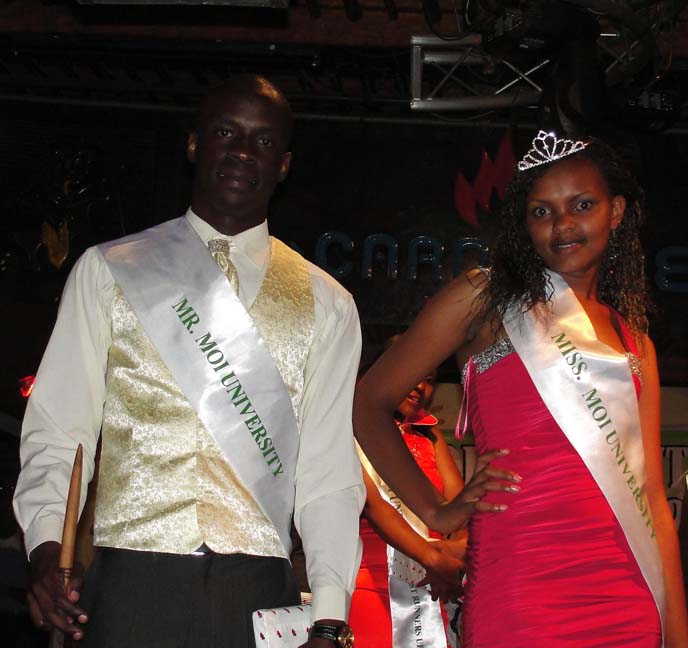
The judges had a tough time, they chose the winners but the crowd thought otherwise..
Current Mr. and Miss Moi University, Nairobi Campus 2012.
The pair apparently have many tasks and duties ahead of them during their reigning year. It wont be a smooth road like the judges and lecturers tell them. But i think a trip abroad is just the beginning of a smooth road!!
Everyday after work I have to debate whether to go to my evening classes or just go home. But then again I remember my awesome classmates and the assignments and tests that i have to submit or present..
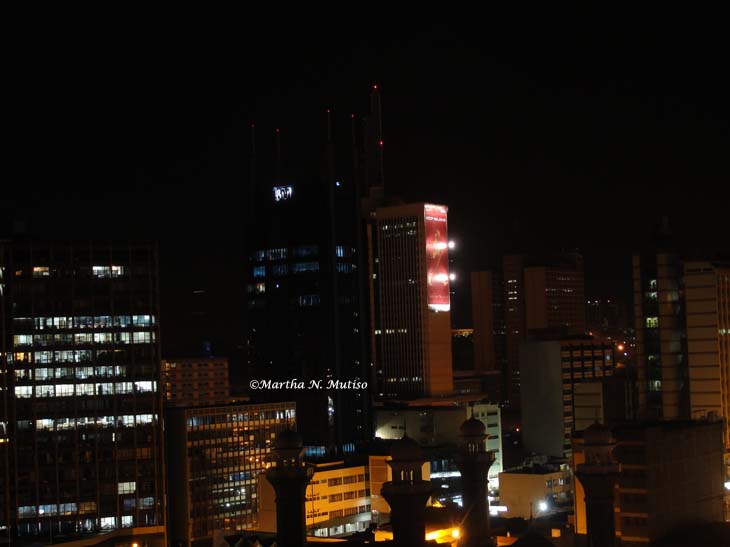
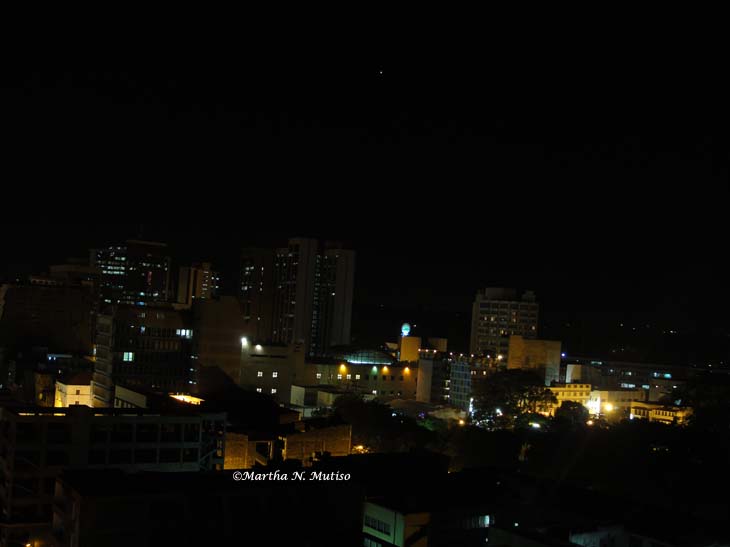
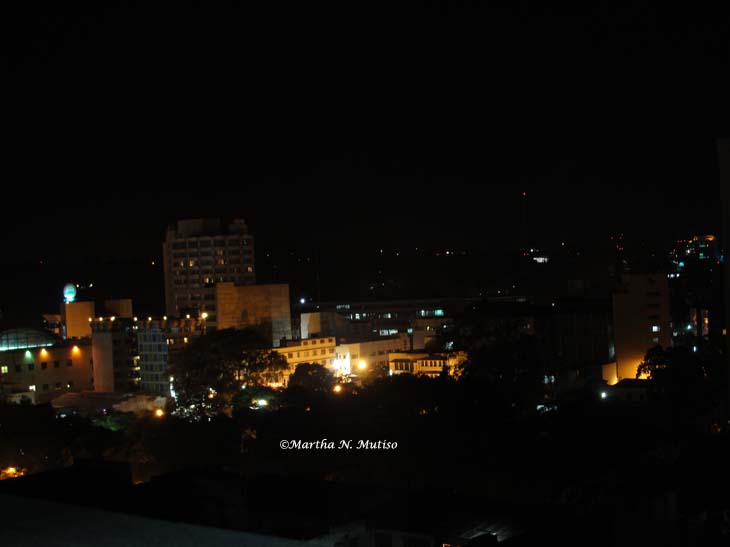
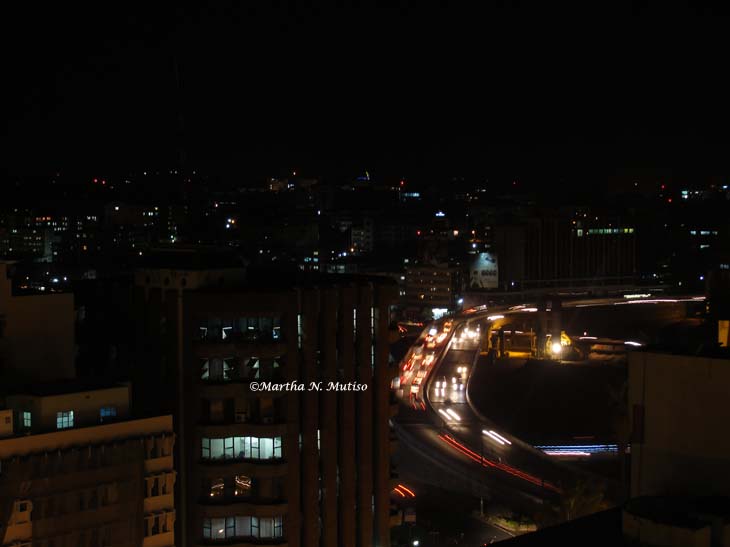
But one of the main reasons I go to class is because of these beautiful views from my class window. I get to watch birds flying by to their roosting sites, see the City, streets and best of all the sunset.
Here are some images of Nairobi at night…from my class window!
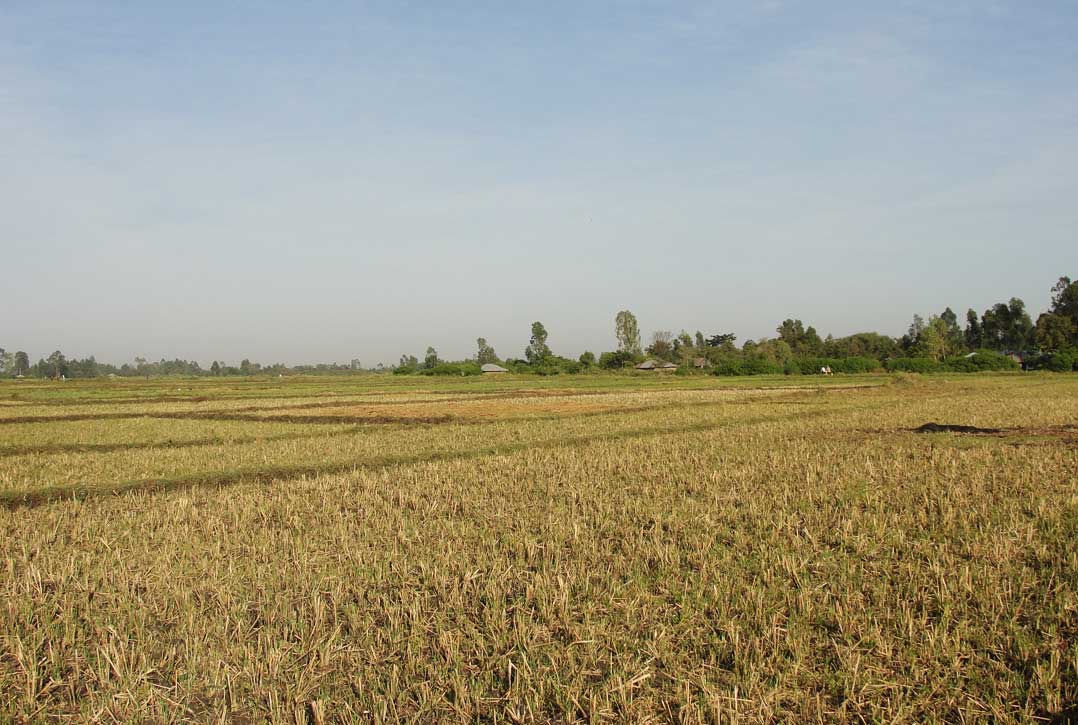
In January I joined Lake Victoria Sunset Birders for their waterfowl census in Kisumu. Due to limited funds, we only visited one site-the Ahero Rice Scheme, which was just as great. The Rice Scheme is managed by the National Irrigation Board and has provided Kisumu residents with employment, income and food security.
The Rice scheme, which is normally filled with water, was dry but it had variety of interesting waterfowl…and non-waterfowl…and non-avifauna!! We recorded Sandpipers, Storks, Ibises, Ducks, Herons, Egrets, Geese, and Hamerkops… and as usual, I managed to get some few photos that am proud of 😉
The Ahero Rice Scheme fields
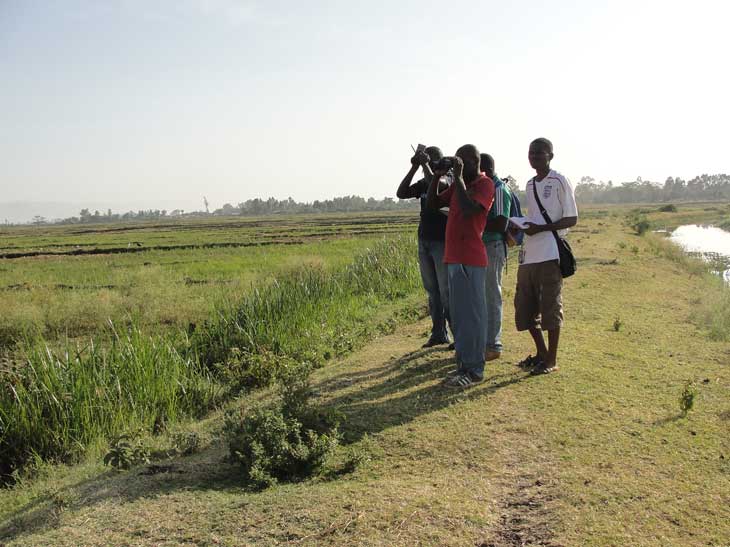
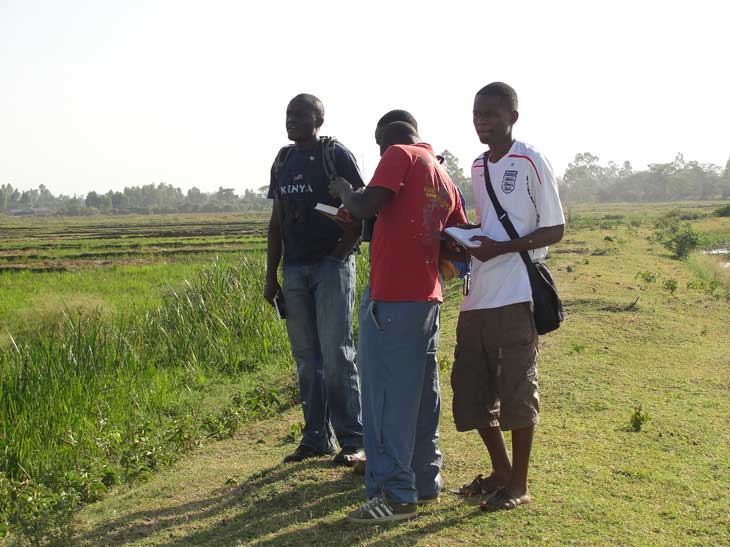
My group members scanning the fields
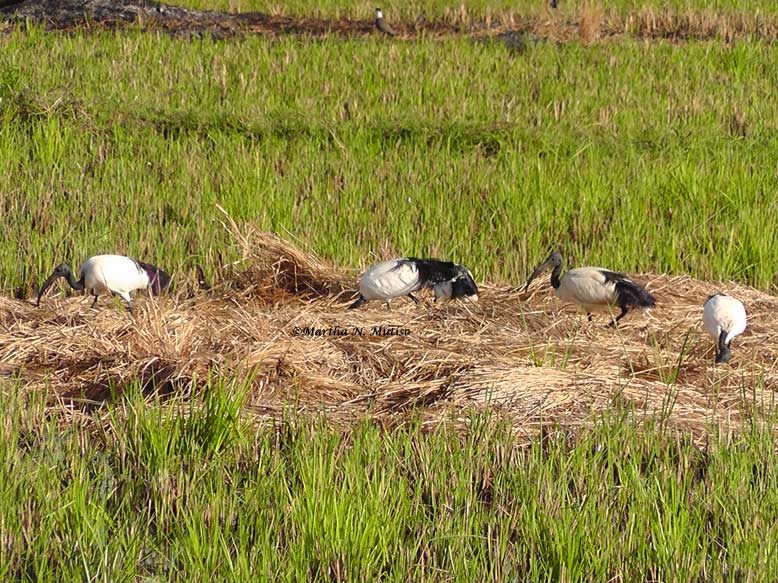
Sacred Ibis feeding on rice in the fields
The Open Billed Storks were special for me
When in doubt, a field guide book is always handy for consultation
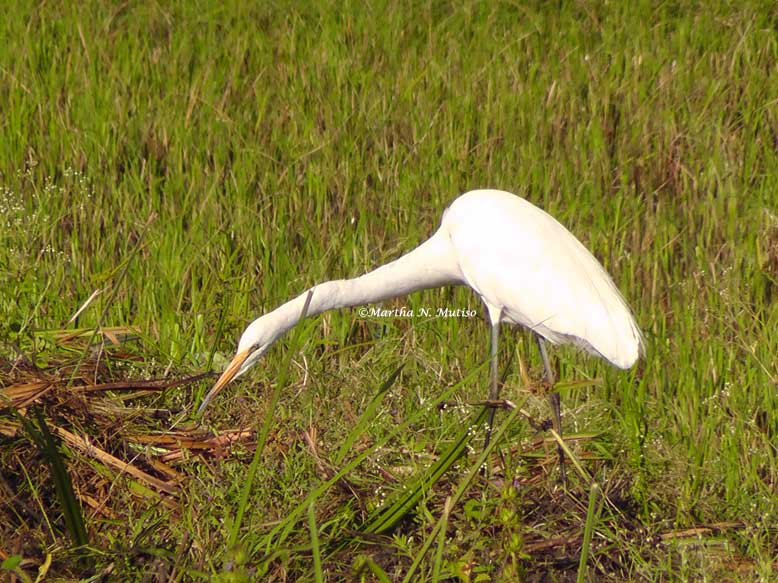
A Great Egret looking for worms in the soggy fields
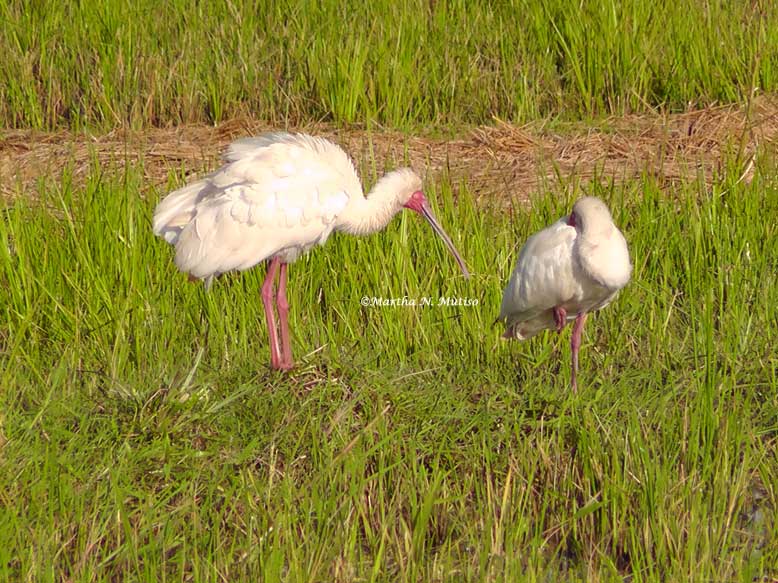
African Spoonbills
The Southern Red Bishops were stunning in their breeding plumages
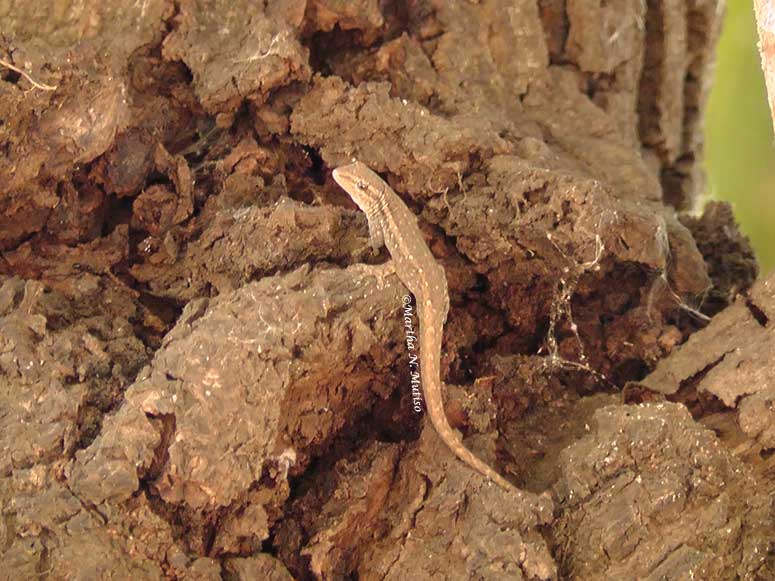
The Jackson’s Forest Lizard spotted during a detour away from the fields
My awesome and fun birding buddies, The Lake Victoria Sunset Birders 🙂































 Ecoescapades