
Taita Hills is a mountainous area in Southeastern Kenya forming the northernmost outcrop of the Eastern Arc Mountains. The area is favored by regular rainfall and is known for endemic wildlife including African Violets, endangered birds and amphibians. The Taita plains are used mainly for grazing and sisal cultivation, while the hills, which were once covered by large forests, are used for agricultural activities, and more uniquely, they host sites that are considered sacred by the local communities.
Our journey starts with a short hike to Mwachora hills which, as our guide enlightens us, were where sorcerers were executed-by throwing them over the hill. The local people believed that the sorcerers were evil to the society and this was only punishable by death. From the hills one has a great view of the surrounding towns like Wundanyi and Voi town.
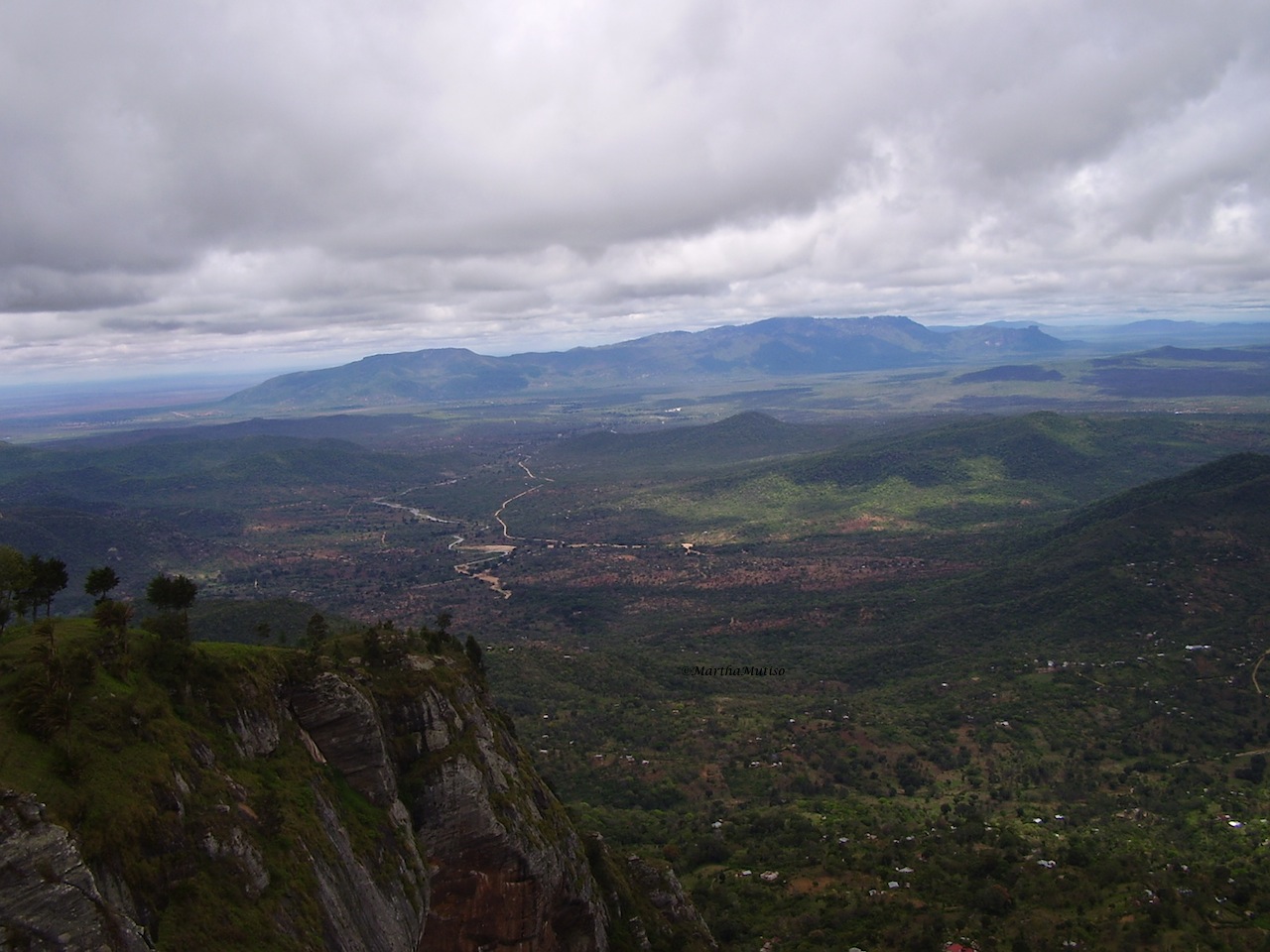
We also get treated to a sporadic chance of visiting the Ngomenyi cave, which is one of the sacred sites of the Taita hills. The cave, like most other sacred caves around the area, is situated in a private farm. We also hike to Yale Hill, where, after maneuvering our way through thick bush, we come to an opening and the guide points out that it’s yet another sacred cave. Both caves are full of human skulls, which are a bit eerie, and are still unspoiled by the local community surrounding them.
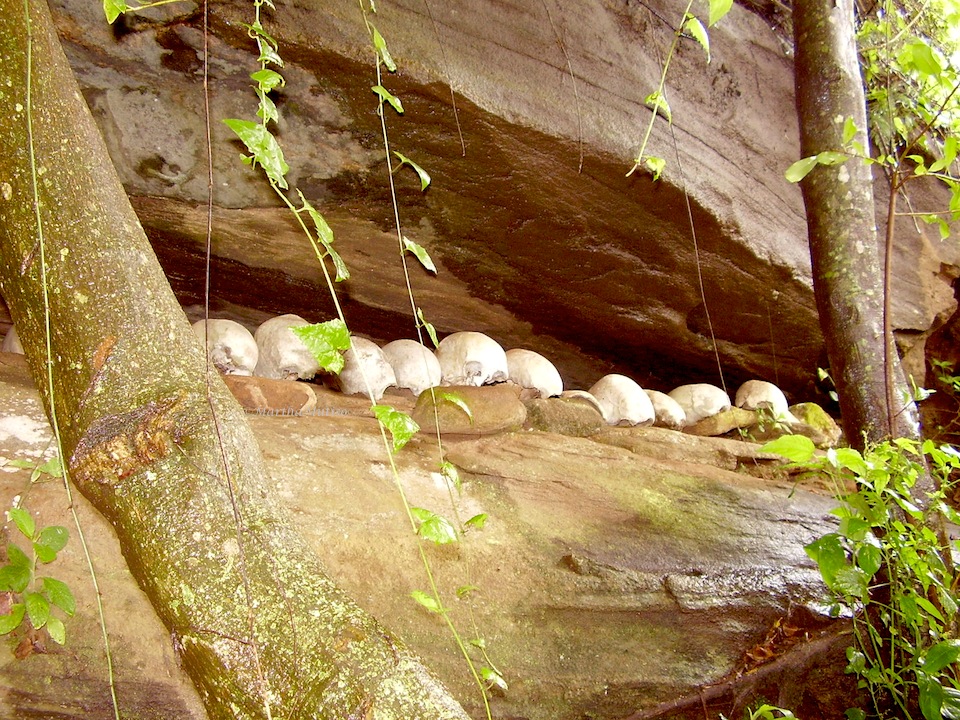
The guide highlighted that these caves were the dwelling place of their Higher Being, called Mulungu; the ancestors’ spirits were also called milungu. It was in these caves that sacrifices were conducted in cases of famines, epidemics, drought and sicknesses. Sacrifices in form of slaughtered goats were offered to the spirits of the dead. A council of elders conducted these sacrifices. Incase of domestic affairs sacrificial ceremonies were conducted by an elder of a home or a village and by a clan elder in charge of general clan affairs. Local brew, sheep and goats were offered. The sacrifices were meant to end disasters by appeasing the ancestors’ spirits and were offered in these caves, which are also considered as shrines.
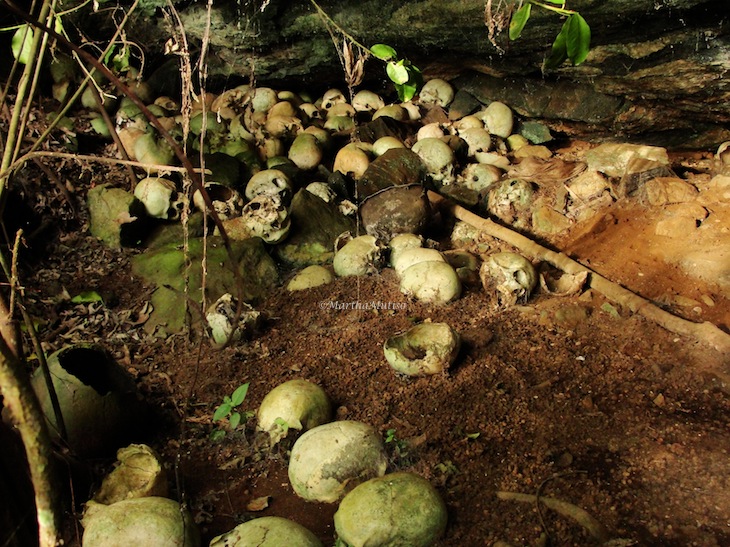
Asked about how the skulls got to the caves, our guide says that they were normally placed there after someone died. After burial they would wait until at least a month was over and then they would exhume the body and remove the head, which only belonged to an old person or a village hero and kept in the caves. They believed that the birth of an albino or child with any form of disability was a curse and was not allowed in the public; even after death, an albino or disabled person’s body would not be exhumed. This tradition however, has changed and people with disabilities are no longer considered as curse.
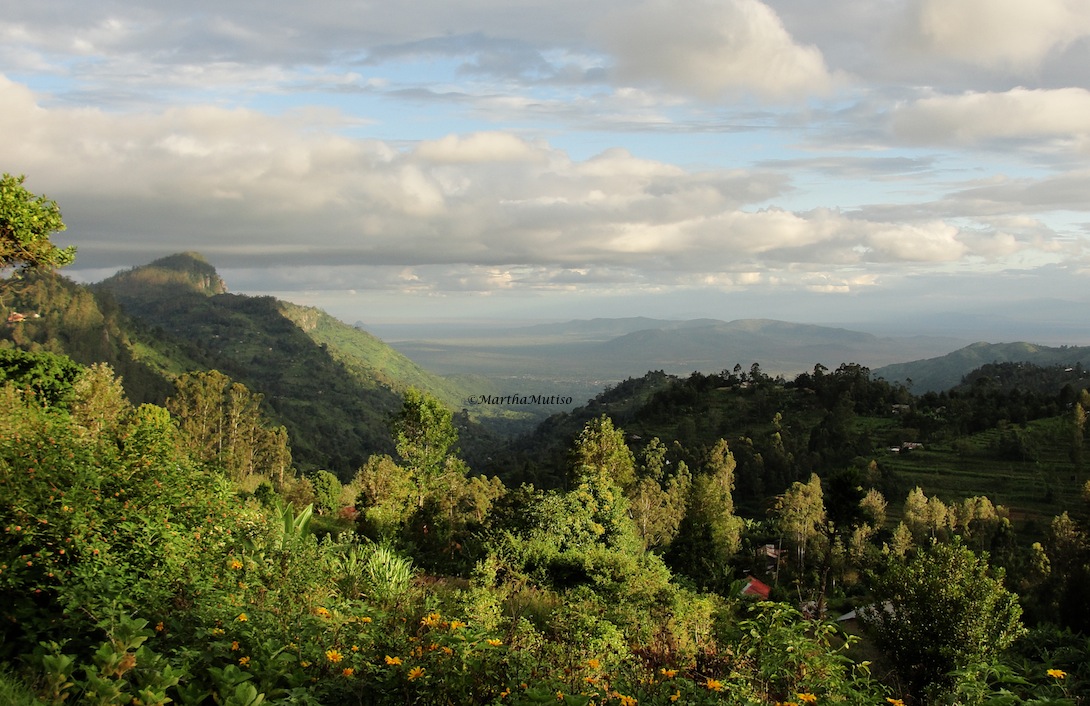
These ancient traditions and taboos surrounding these sites have so far demanded respect for nature, or simply kept people away from these sites because nobody was supposed to cut trees or collect firewood from these “holy places”. This in turn has led to the conservation and preservation of the hills and indigenous knowledge. However, many of the sites are now under threat as the traditional practices and activities fade and pressures from natural calamities like landslides, development and tourism increase. Some of these caves are also threatened by direct destruction by people, a threat that the local guides are currently addressing through educational programmes to schools on the importance of such sites in the area.
 Ecoescapades
Very interesting! On 4 Dec 2014 11:24, “Community, eco-tourism and natural resource oriented
LikeLike
Thank you for stopping by Robin.
LikeLike