
During the counts we set camp at the Kenya Wildlife Service Training Institute annex campsite. We had a larger group as we covered four lakes; Lake Elementaita, Lake Sonachi, Lake Oloidien and Lake Naivasha, which is the main lake.
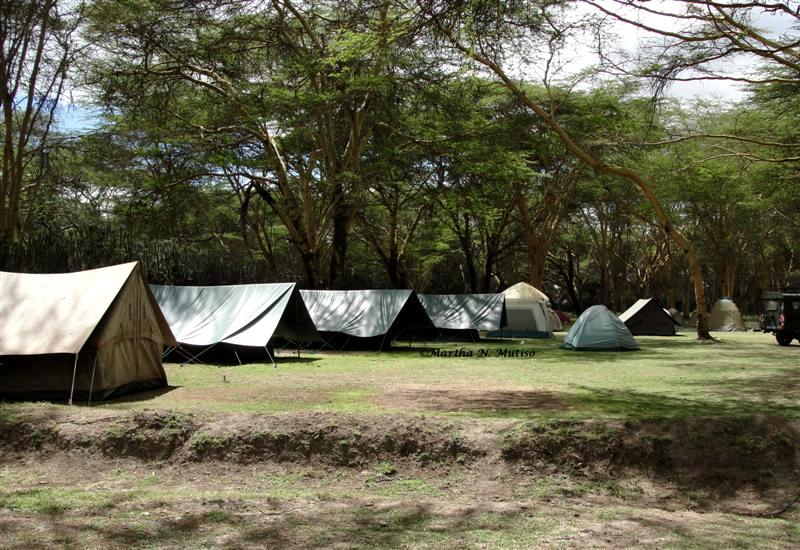 The campsite
Lake Elementaita is a soda lake and the only breeding ground for the Great white Pelicans in Kenya and neighbouring countries. The lake attracts visiting flamingos, both the Greater and Lesser varieties, which feed on the lake’s crustaceans, insect larvae and on its suspended blue-green algae. Lake Elementaita is a Ramsar site and a Wetland of International importance.
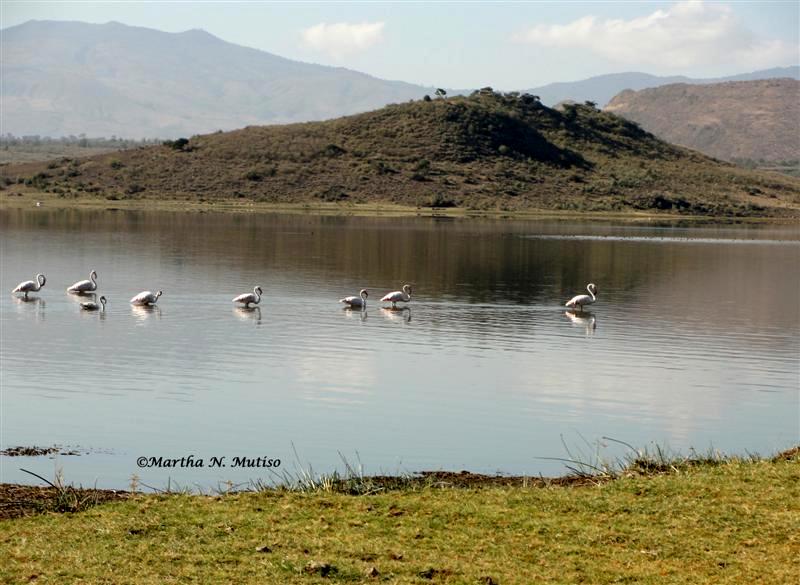 Greater flamingos in Lake Elementaita
Lake Oloidien is a volcanic crater lake found at the south west corner of Lake Naivasha, home to Kenya’s largest flower farms. Oloidien, which used to be connected to Naivasha, has been going saline since its water levels fell and it became a separate lake in 1979. In 2006 it passed the salinity mark and began to produce bacteria called spirulina, a microscopic blue-green algae and the main food for Lesser Flamingos. The lake had thousands of flamingos, which have migrated from Lake Nakuru due to high toxicity levels in their natural home at Lake Nakuru.
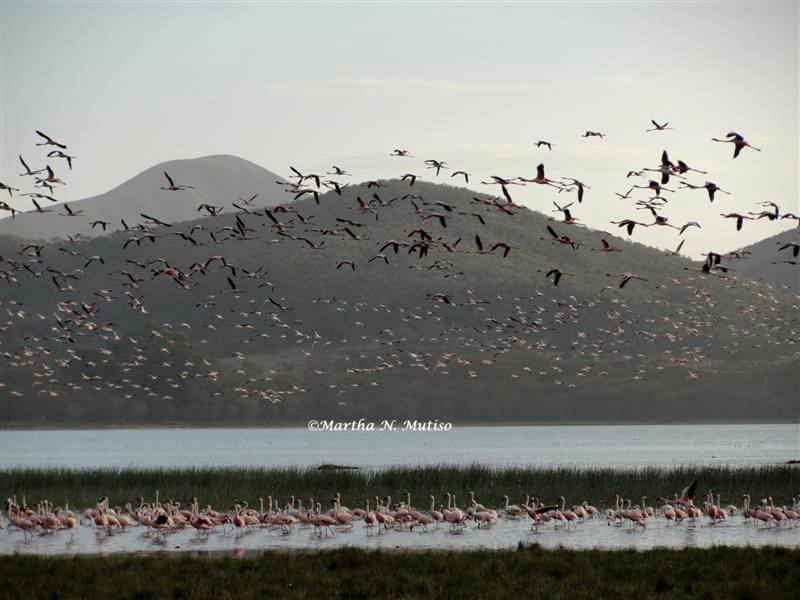 Lesser Flamingos at Lake Oloidien
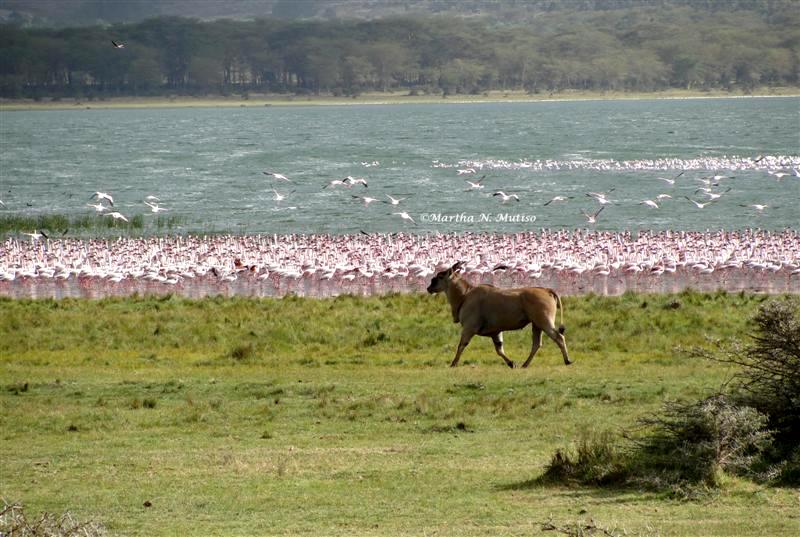 An Eland and Flamingos at lake Oloidien
Lake Naivasha is a fresh water lake which was designated as a Ramsar site in 1995 and is managed by the local property owners under the Lake Naivasha Riparian Association formed in 1934. The lake provides diverse habitats for a variety of mammals, birds and fish. The lake didn’t have many flamingos, although the population of resident and migratory ducks and other waders was impressive.
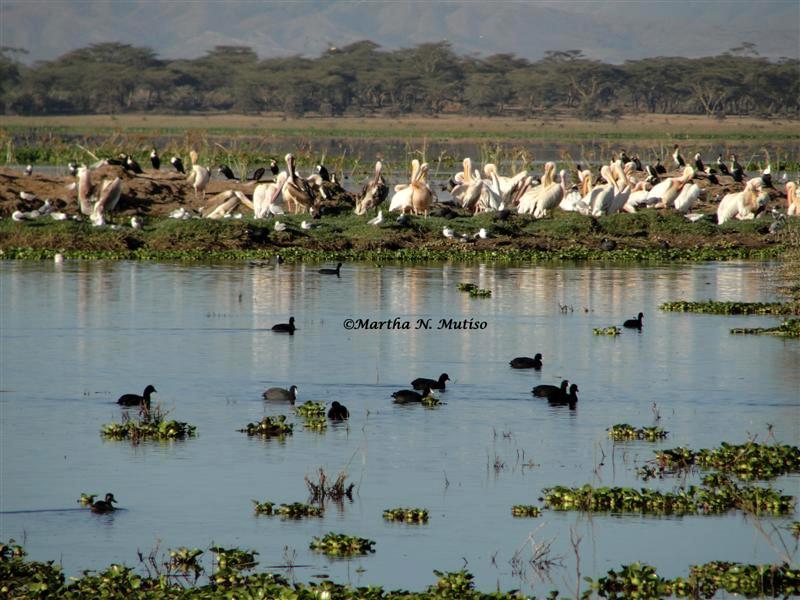 Great White Pelicans, Cormorants, Coots and other waders at Lake Naivasha
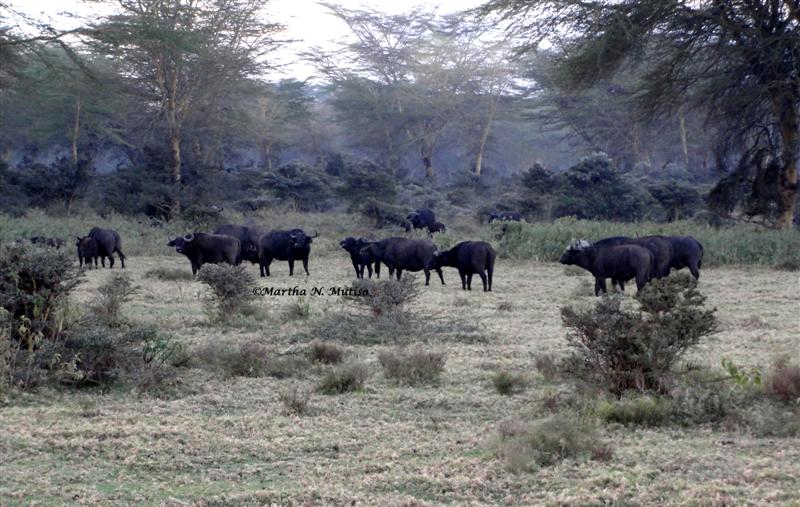 Buffaloes near the lake, they watched as we counted the birds..
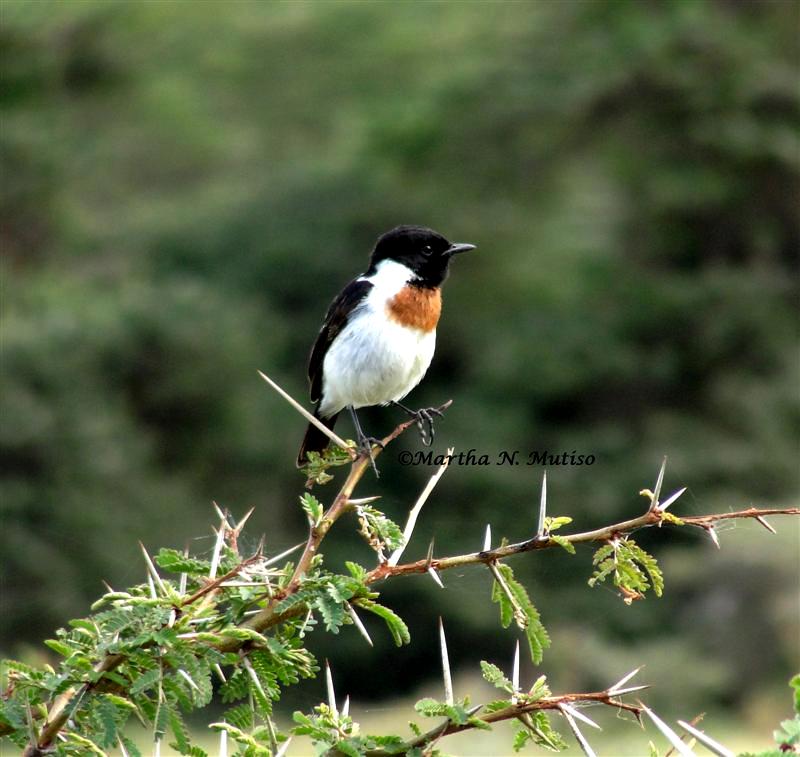 A Common Stonechat near the lake
 One of the cars, which had to be given a push before boarding it
Lake Naivasha’s biodiversity is critically threatened by habitat destruction; pollution from pesticides, herbicides and fertilizers; and water abstraction. A population of over 250,000 people lives around the lake. The population has converted wetlands into agricultural lands, residential areas, and tourist hotels. The continued harvesting of papyrus along edges has also destroyed the natural state of the lake.


This is awesome!
LikeLike
Thanks Gabriel.
LikeLike