Bold, noisy, abundant and almost totally unafraid of people is the best way to describe the Indian House Crow, Corvus splendens, an exotic bird, which has become a major problem in cities along the East Coast of Africa. This crow has become widespread by introduction around the Indian Ocean and the East African Coast.
As an avian intruder, the Indian House Crow has been given the scientific name Corvus splendens: the ‘Splendid Crow’ is ironically undesirable for a number of reasons. It is an aggressive and opportunistic forager; it feeds largely on human scraps, small reptiles and other animals such as insects and other small invertebrates, eggs, nestlings, grain and fruits. Most food is taken from the ground, but also from trees as opportunity arises. It is a highly opportunistic bird and given its omnivorous diet, it can survive on nearly anything that is edible.
It has a devastating impact on indigenous bird populations by eating eggs and mobbing other birds that might compete with it or just for the sheer fun of it. Indian House Crows have also been blamed for causing power cuts in some areas, as they often construct nests on electric poles. They are now found in every East African coastal city, often scrabbling in large flocks through piles of garbage at the sides of roads.
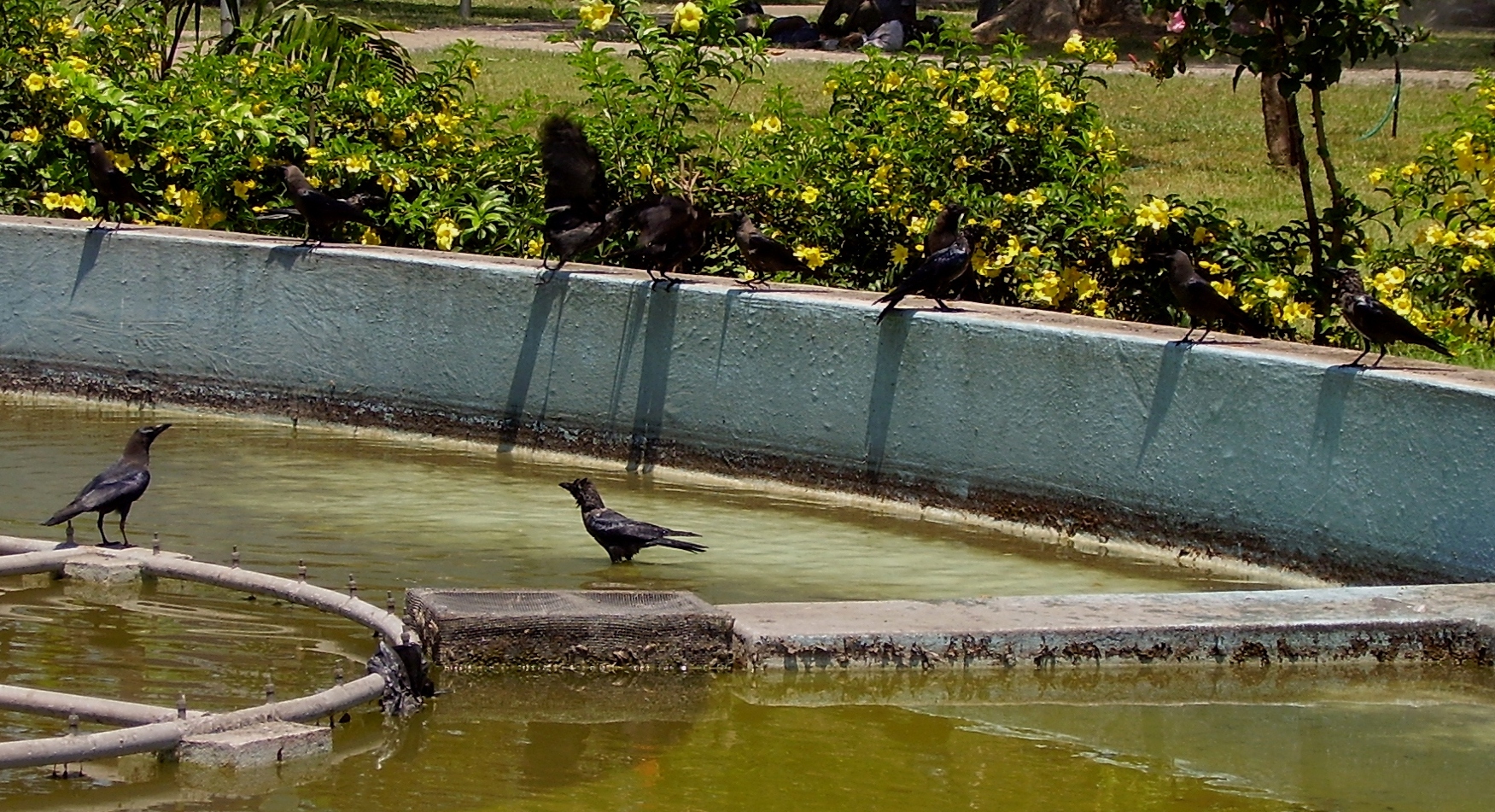
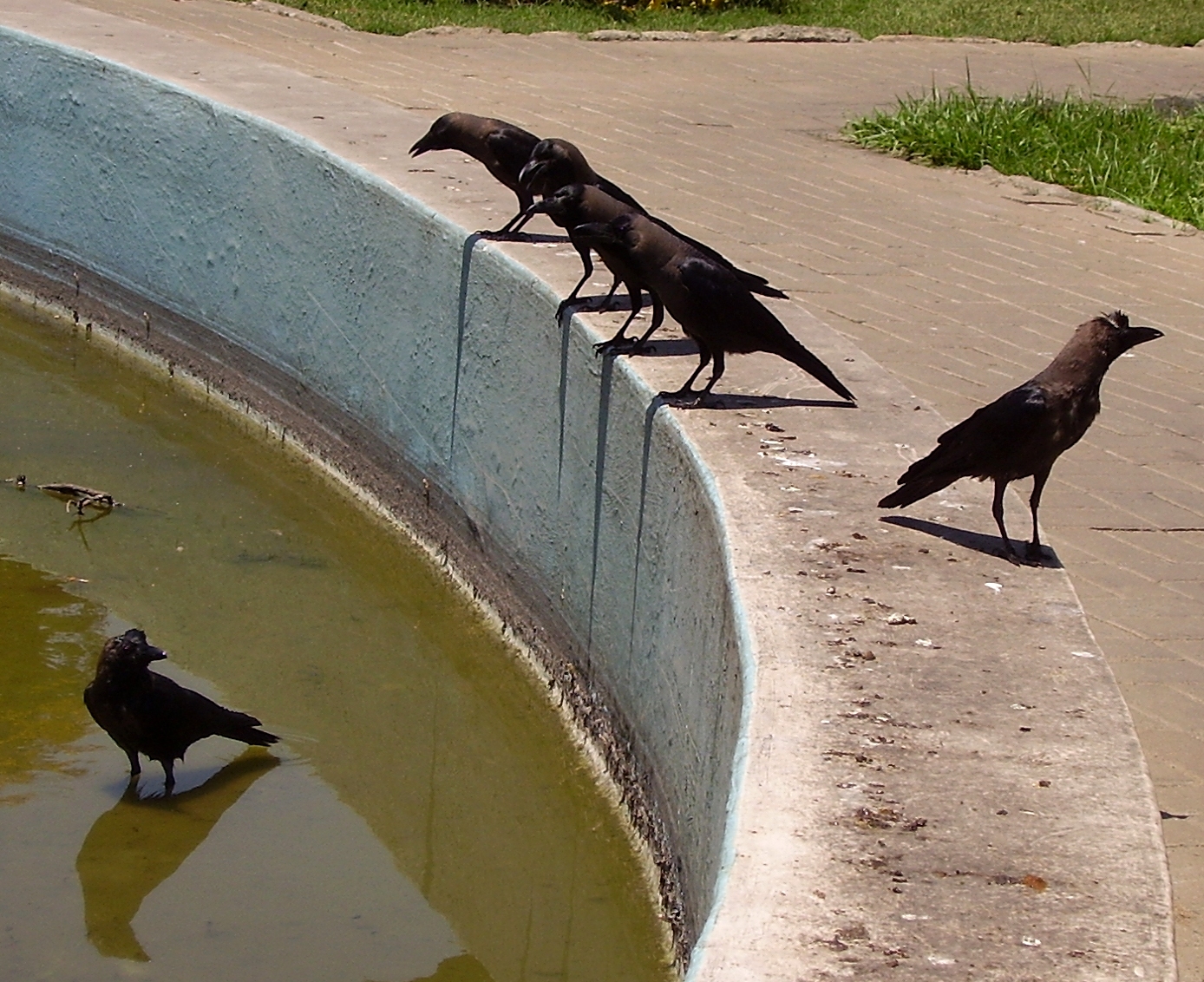
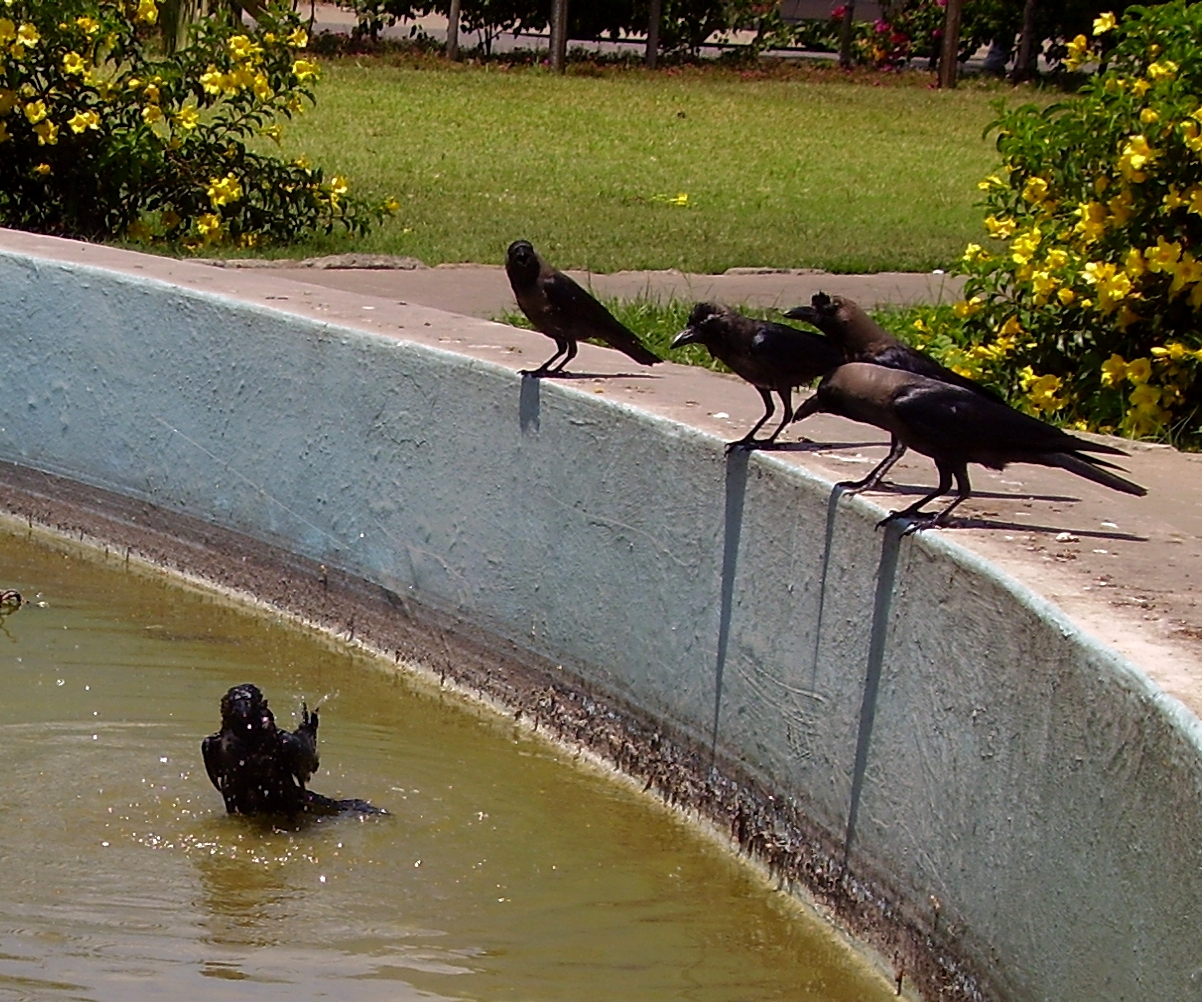
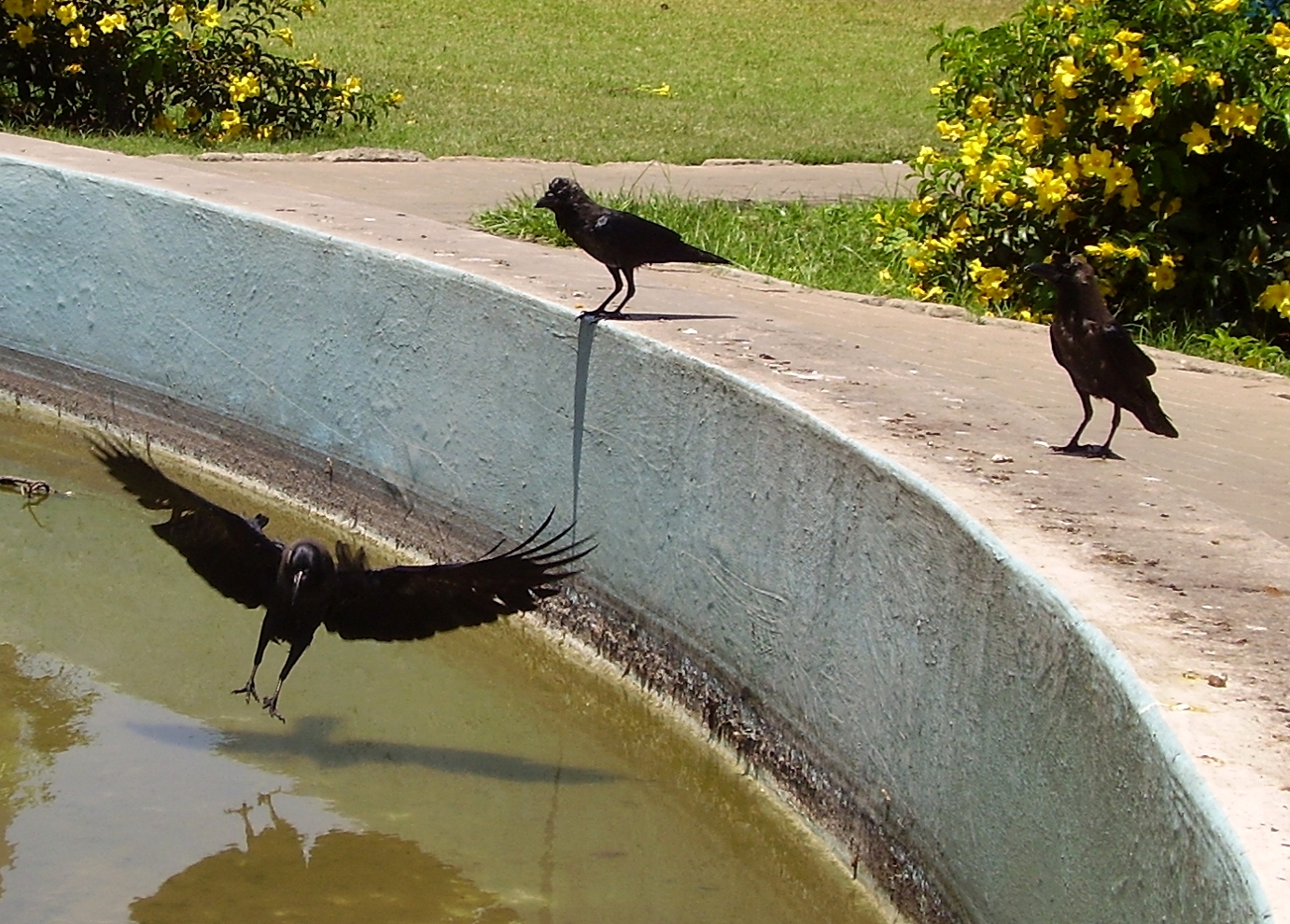
However, it might not be the same case with this flock of Indian House Crows at a water fountain opposite the Mombasa Railway Station. At mid day, with the heat of the sun at a higher degree, they would fly out in flock, circle around the water fountain and the garden and after five minutes they would, totally undisturbed by the passers by, dive in for a bath. This bath, done in turns, would last about two minutes and the next crow in line would dive in the water for the same period of time. This is unlike the Indian House Crow which is always associated with garbage sites and poor sanitation.
Indian House crows at the water fountainThe crows decide who goes firstThey look on as they each wait for their turnIt’s his turn
“There is nothing more peaceful than a sleeping child”.-Murray Dryden, SCAW Co-founder.
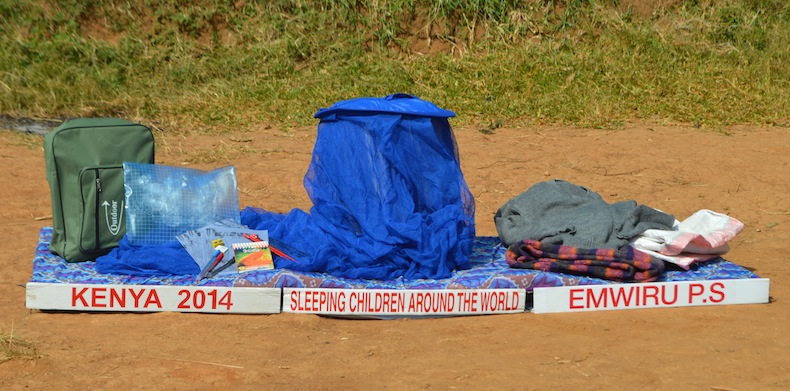
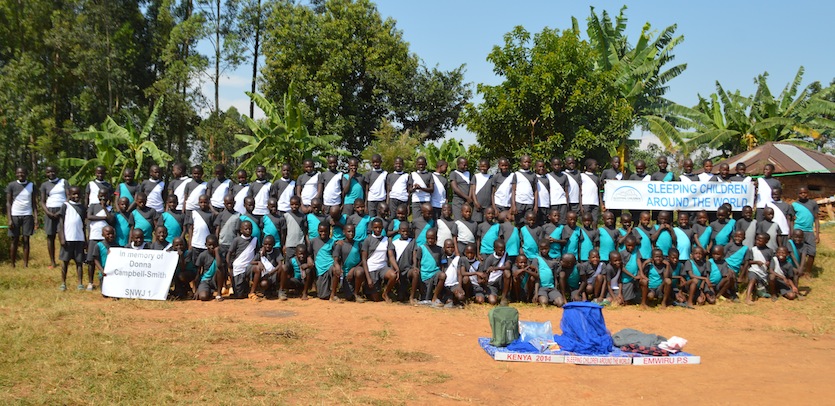
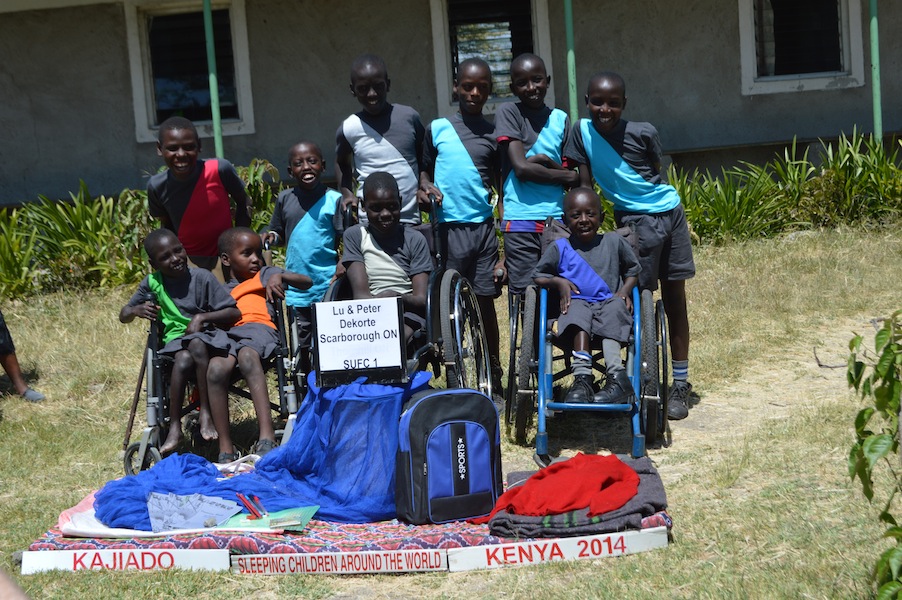
Once again, Rotary Club of Nairobi in conjunction with Rotaract Clubs and Sleeping Children Around the World (SCAW) have lived their “service above self” motto. The Canadian charity, SCAW, together with the Rotary Club of Nairobi and Rotaract Club of Nairobi Central helped distribute bed-kits to children from underprivileged communities around the country including Nairobi slums (Kibera, Kayole and Mathare), Kajiado and Kakamega. This was achieved through support from various donors, which saw 5000 children benefit from bed-kits. Each bed-kit consisted of a mattress, blanket, mosquito net, clothes outfit, and stationary.
The packaged bed-kitsBed-kit contents
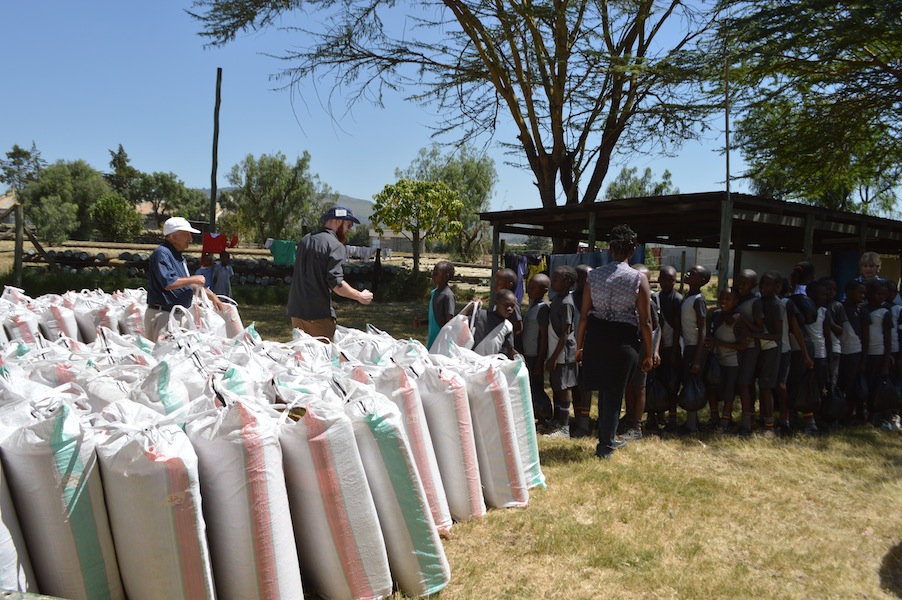
The distribution was made a success not just by the donors and volunteers but also by the kids who braved the long queues and the heat; you couldn’t wipe off their excited smiles.
A group of a hundred beneficiaries in KakamegaA group of beneficiaries in Kajiado.
Since its formation by Murray and Margaret Dryden in 1970, SCAW has raised over 23 million dollars to provide bed-kits for children in 33 countries; the millionth child was reached in 2009. More information about SCAW can be found on their website.
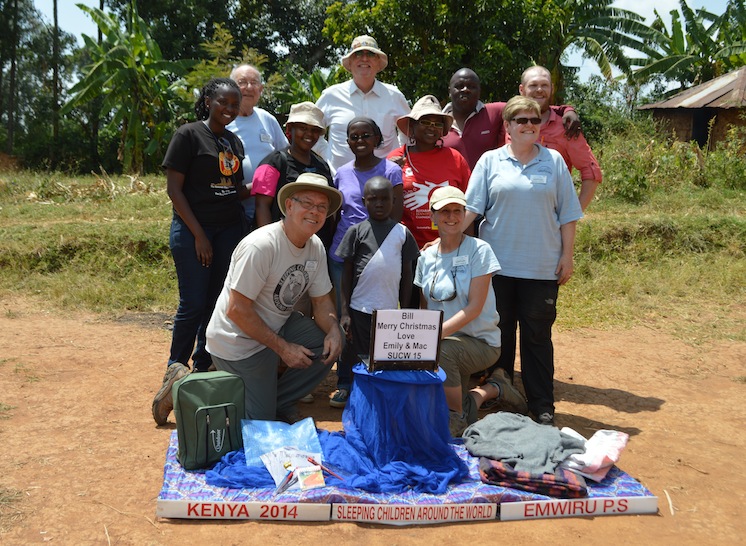
Some of the distribution volunteers
Some light moments from the distribution exercise.
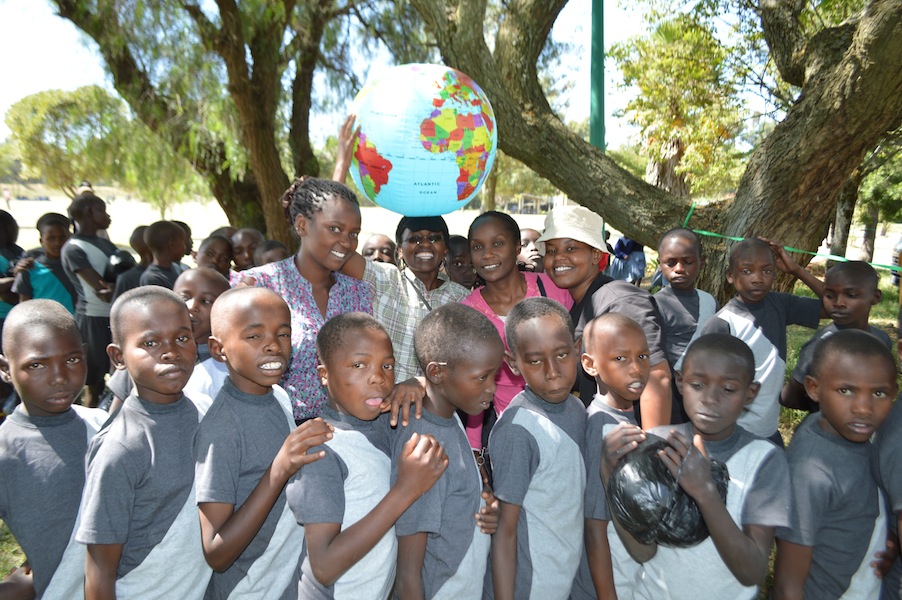
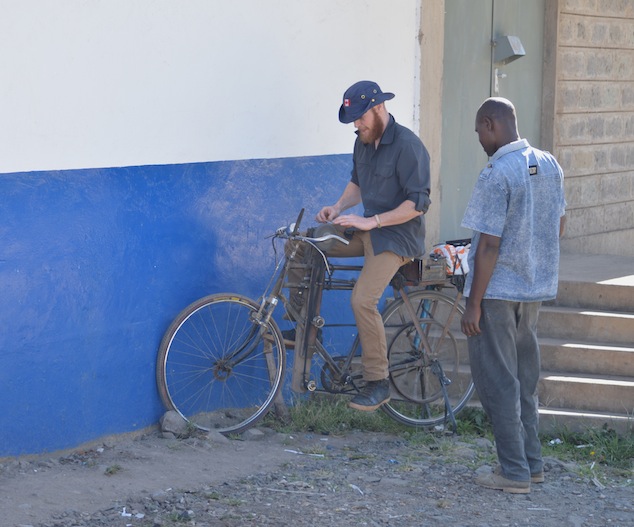
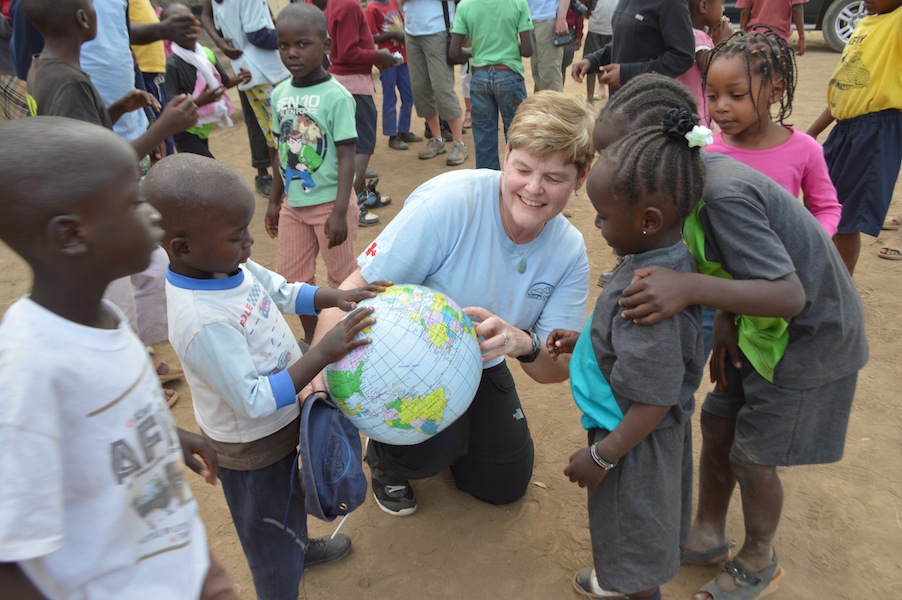
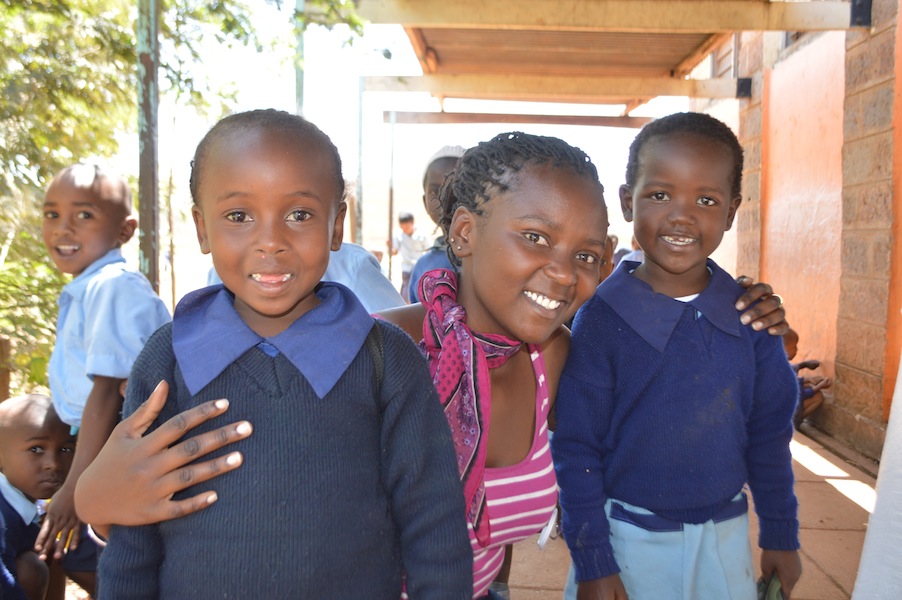
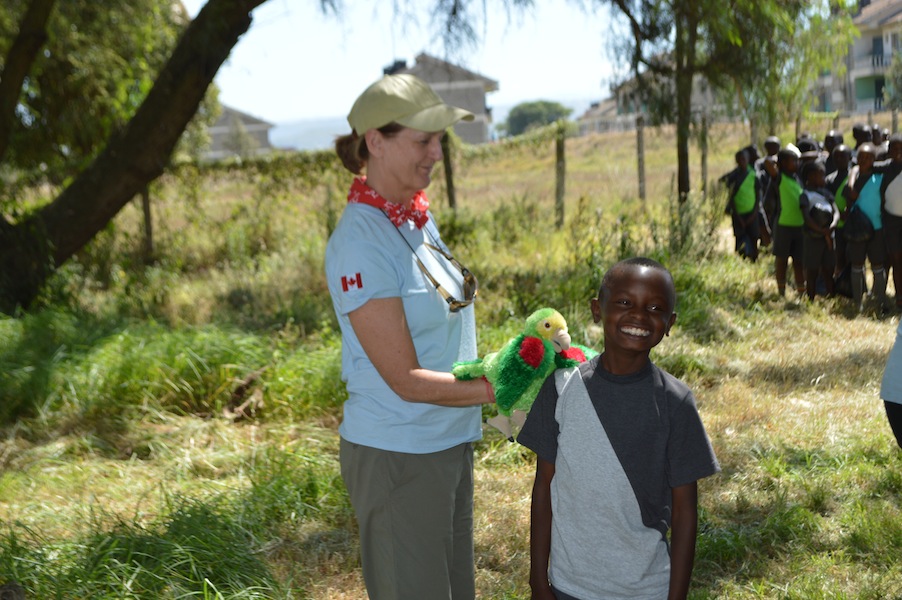
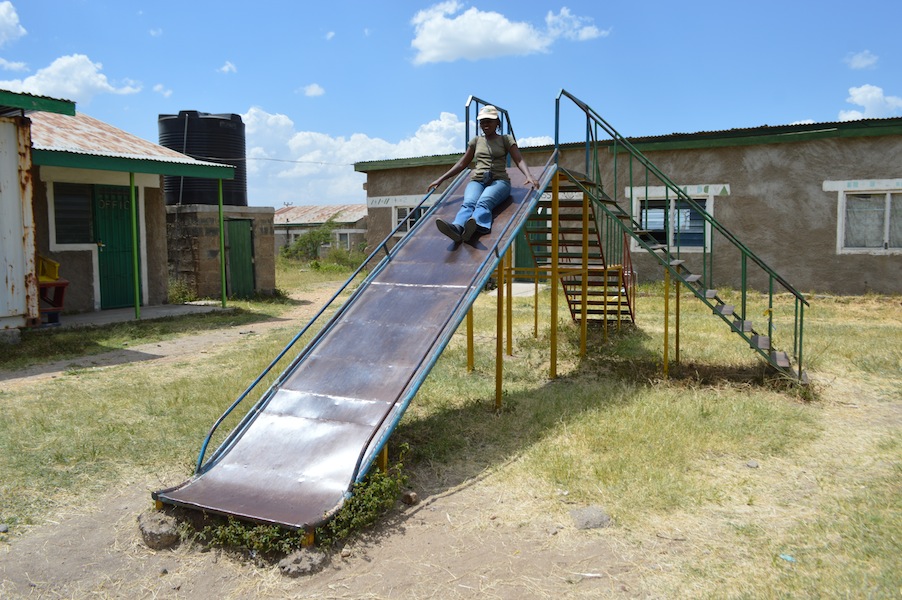
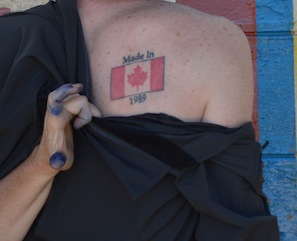
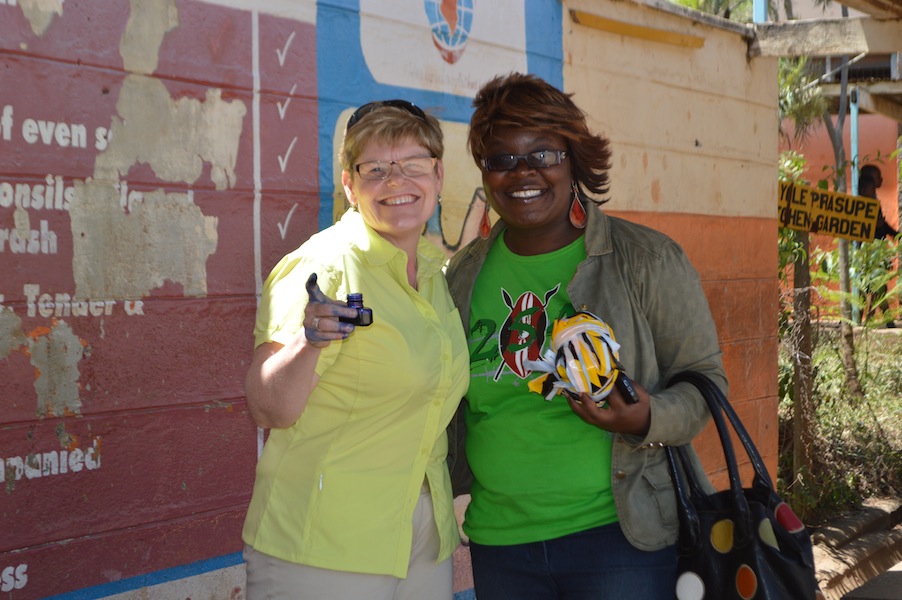
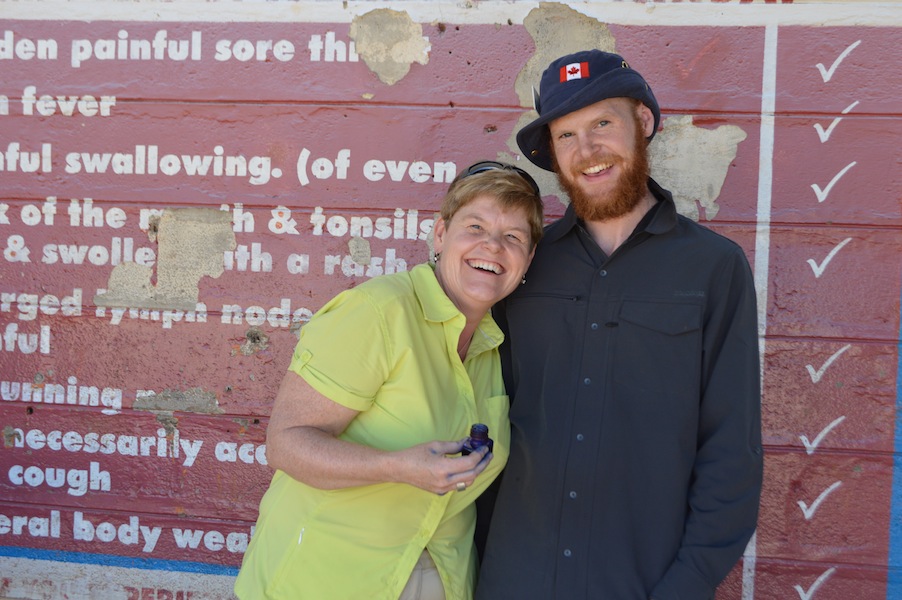
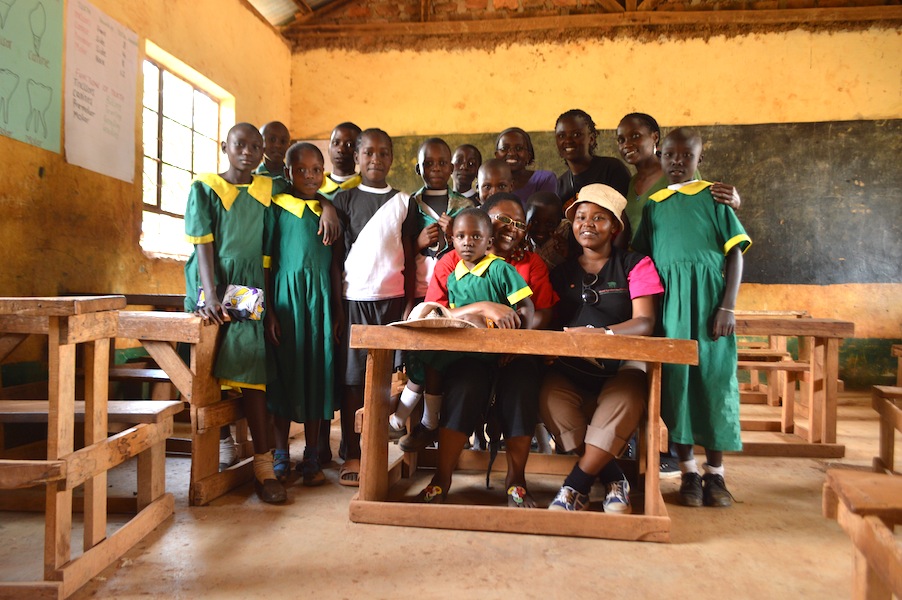
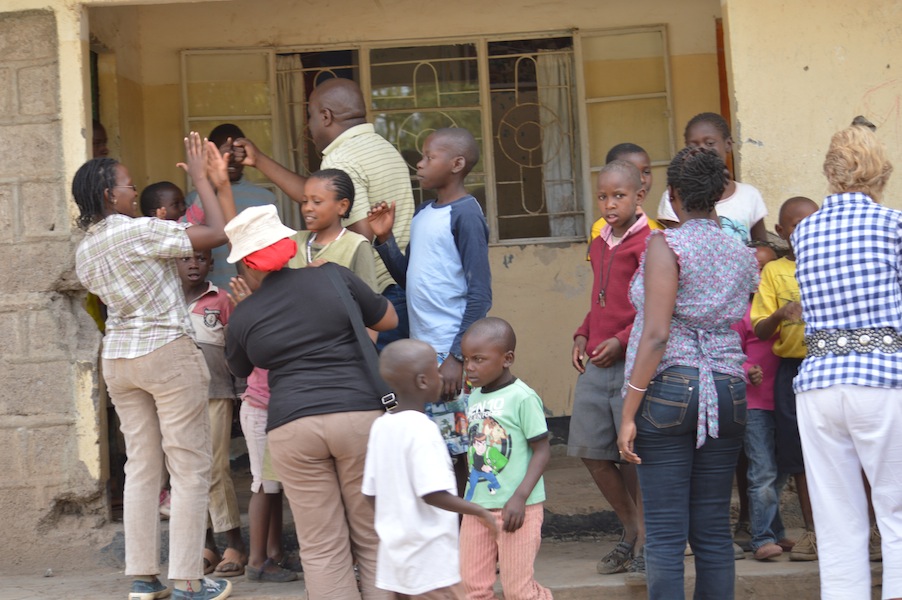
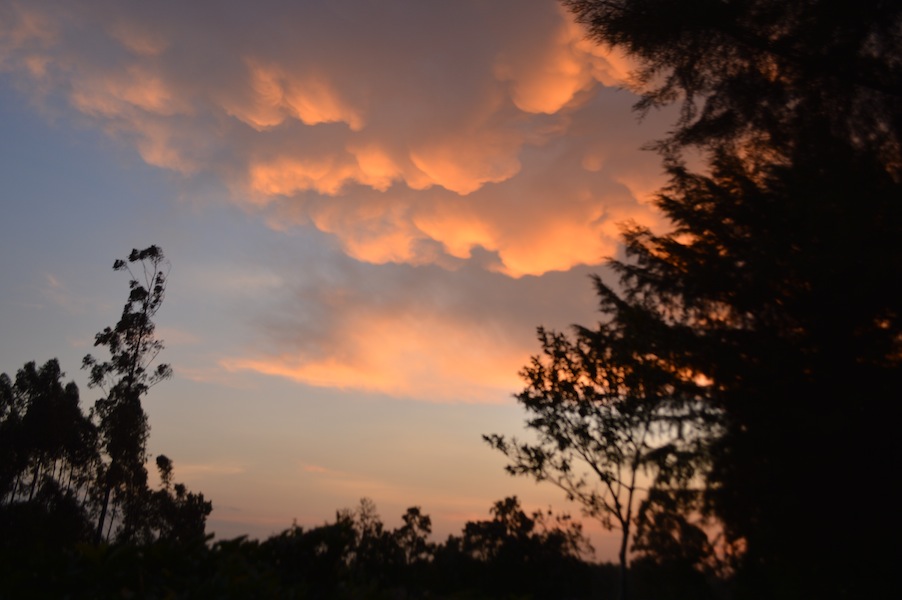
Volunteers’ excursion before distribution in Kakamega.Together we happily take on the world!New lessons learnt, Evan learning to sharpen a knife on a bike 😉This is where I come fromThese beautiful smiles brightened our dayAnd more smiles shared!One of the “baby” in our volunteer group 🙂Some volunteers were made in Canada 😉No, it wasn’t a ‘clean’ jobThe funniest moment when some kids told Brenda (mom) and Evan (son) that they looked like husband and wife 😀These desks are nostalgic!High fives for a job well done.These beautiful clouds in Kakamega have a sad story. Check back soon for the story.
It’s amazing how the 2013 has gone by so fast… I know I haven’t written any posts this year :(, so this is going to be the only post of the year 2013. I will highlight the things that have happened and hopefully promise to be consistent with my posts in coming years… does that sound like a resolution already? Well, we’ll see.
January 2013
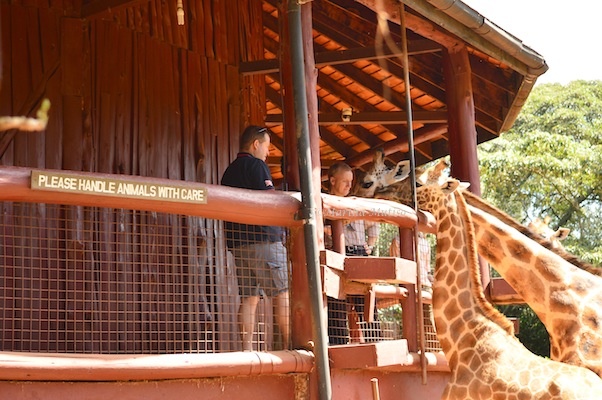
A day visit to the Giraffe Centre, in Nairobi with my friend, RJ. The Giraffe Centre, also known as the African Fund for Endangered Wildlife, is a rehabilitation centre for the endangered Rothschild’s Giraffe. Other than getting close to the giraffes, the centre is also renowned for conservation education (offering students a chance to showcase their talents in environmental competition through essay writing, art and photography); environmental and ecology trips; and micro-project funding, monitoring and evaluation.
Visitors at the Giraffe Centre, Nairobi
February 2013
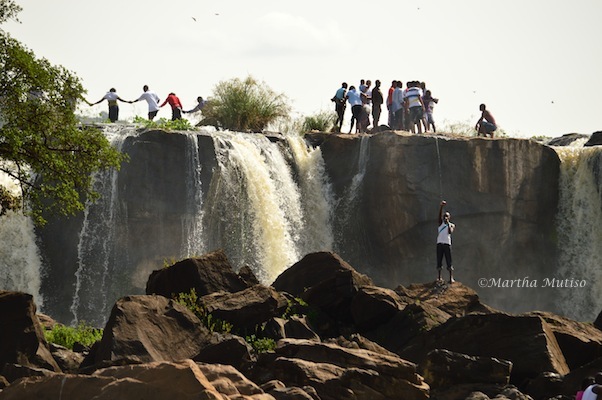
An excursion to the Fourteen Falls, which is situated 27km from Thika town, Machakos County. It’s close to the Ol Donyo Sabuk National Park and is protected by the town council. When the waters are high, the local guides will offer their boat services (at a small fee) and help visitors cross from one side to the other.
A group crossing the falls after heavy rainfall.
March 2013
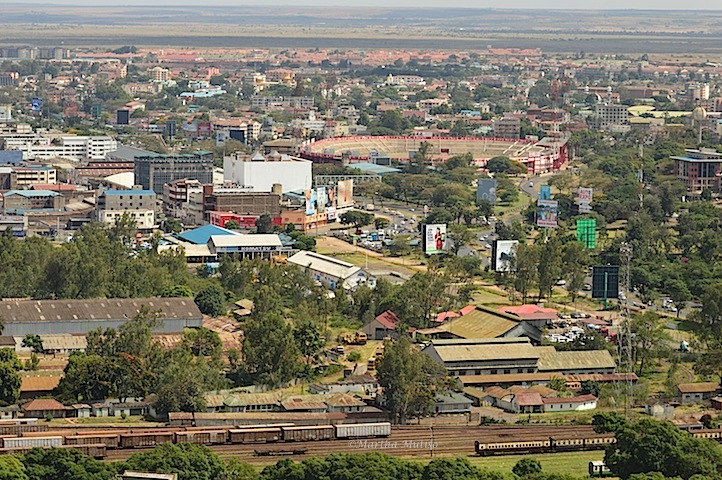
My first time on the Kenyatta International Conference Centre viewing tower, from the helipad you can see Nairobi and it’s environs in 360°.
View of the Railway Station, Nyayo stadium and Nairobi environs from the KICC helipad
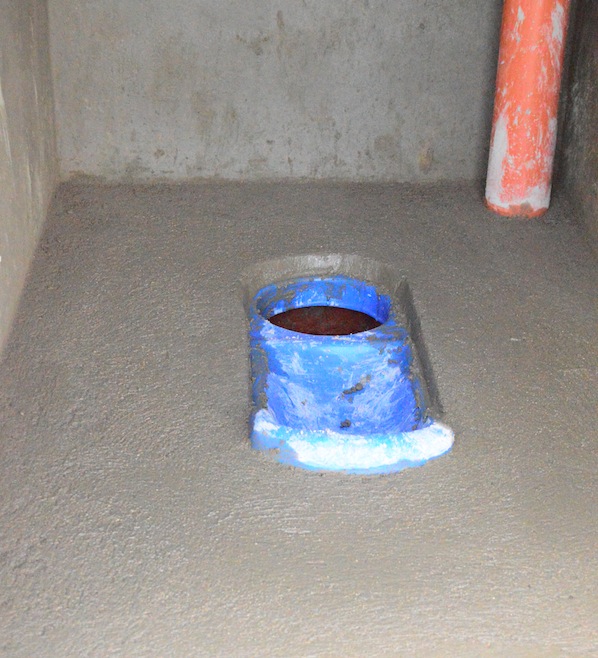
Visited friends in Kisumu and witnessed the construction of an eco toilet. An eco toilet is a dry or waterless toilet, one that doesn’t use water to take the waste somewhere else; it also allows natural processes to produce useful compost and they don’t smell. A handful of sawdust is dropped into the toilet after each use. The sawdust allows oxygen into the pile, and absorbs liquid. This allows the pile to decompose aerobically to produce nitrates, phosphates and sulphates. Well, that wasn’t why I visited my friends but was a good experience. We ended up going to birdwatch at the lake, which, we later concluded, was a not so good idea because it rained cats and dogs shorty after we arrived at the lake; though it was beautiful watching the rain and the wind shifting the water hyacinth at the lake.
An eco-toilet double-vault: The basic principle of an eco-toilet is to separate urine and faeces.
April 2013
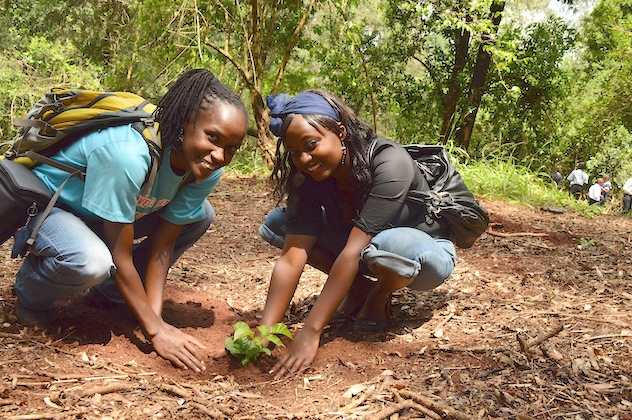
Together with the Rotaract Club of Nairobi Central and other organizations and schools, we got to plant trees at the Karura Forest Reserve, which is located in the northern part of Nairobi city and is managed by the Kenya Forest Service. The reserve also offers important attractions that visitors enjoy including Mau Mau caves, scenic waterfalls and rivers, picnic sites, walking trails and small wetlands.
Restoring mother nature, one tree at a time
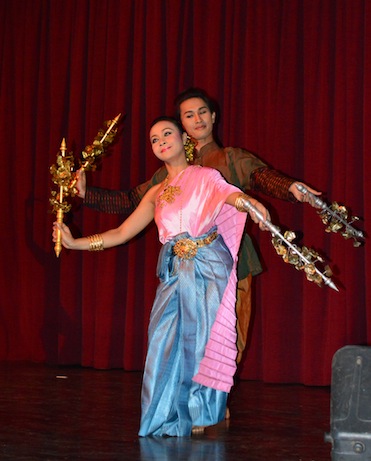
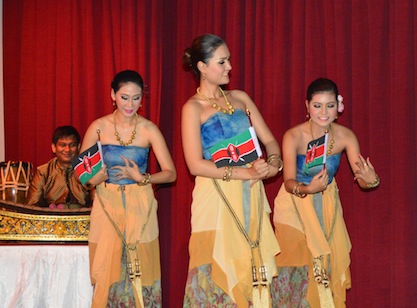
The National Museums of Kenya got to host Thailand cultural festival, a night full of Thai music, food and performances, including a tribute performance to Kenya.
May 2013
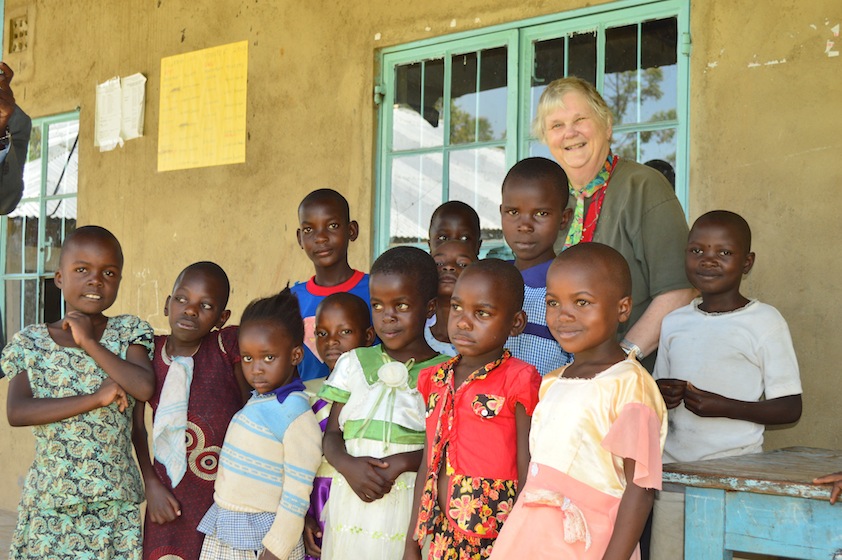
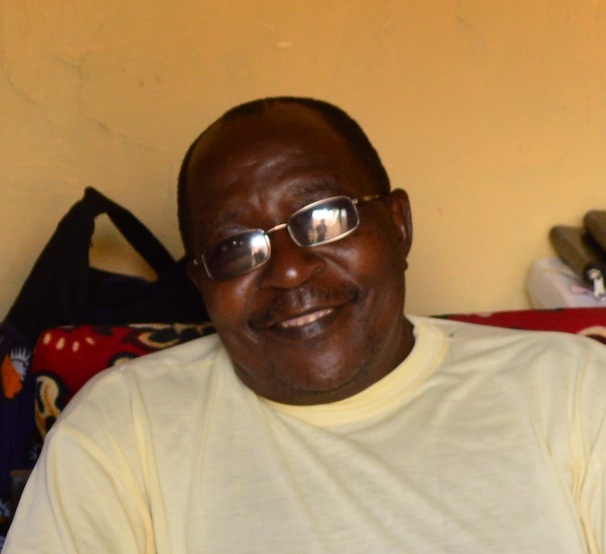
My two friends from Canada visited Kenya, and it was an amazing time visiting some of the various Canadian supported projects, families, and students in Western Kenya. We made visits to orphanages and special schools, including school for the deaf in Kakamega. We also made a visit to my rural home and family in Machakos County. Sadly, this is the same day that our dad passed on due to heart failure, may his soul rest in peace.
My friends, Angela and ShelaghPupils at the Mwikhomo school for the hearing impaired, KakamegaThe last photo I took of my dad 🙂
June 2013
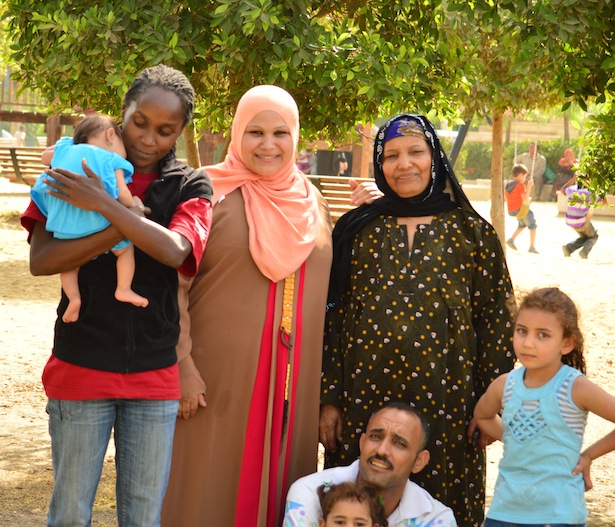
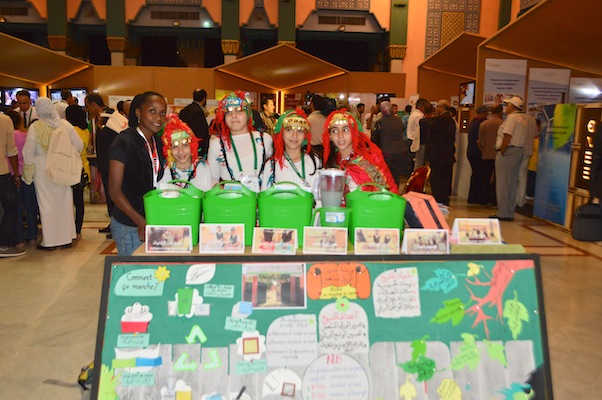
I travelled to Morocco to attend and present a poster during the seventh World Environmental Education Congress. The flight had an overnight layover at Cairo, so I spent the day photographing nature at Al-Azhar Park where I ended up dancing with kids at the park and getting invited to family picnics-I photographed them instead.
One of the families that invited me to picnic with them, we settled down for a photo shoot
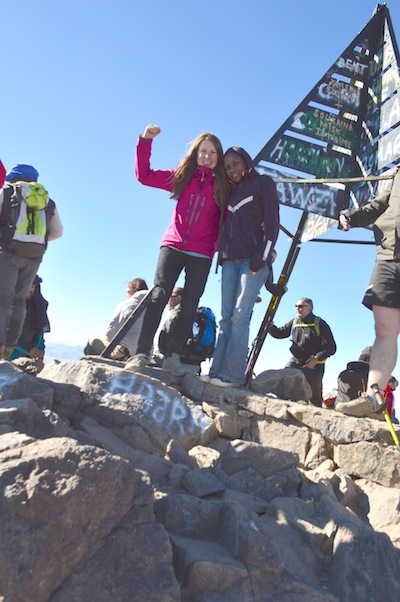
Later I flew to Casablanca, only to realize that the airline had lost my backpack along the way, but eventually found it and took a train to Marrakech. I met more people, made new friends and explored various attractions around Marrakech, including Jebel Toubkal in the High Atlas Mountains, which my new-found friend, Grace, invited me to climb. And while hiking, one local guy told our small hiking group that it was easier finding a man in Morocco than finding water, well, long story, but we could attest to that.
With Moroccan students at the conferenceAny mention of Marrakesh is incomplete without the beautiful and busy square, Place Djemaa El FnaGrace and I at the peak of Jebel Toubkal
July 2013
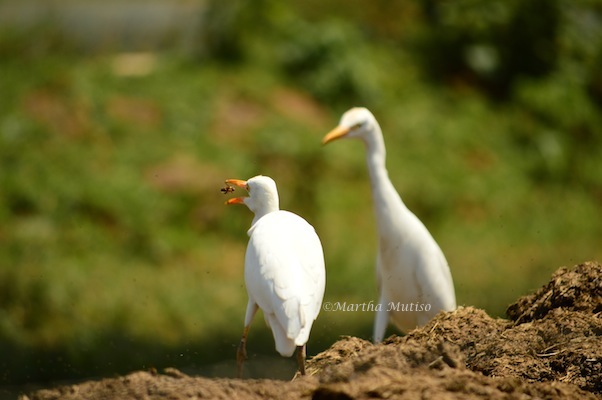
I was contracted to travel and photograph an ongoing pollinator project (read critters ☺) at Mogotio in the Mid-Rift Valley. The pollinators including insects, birds and bats were in abundance; the flowers too. These Cattle egrets interacted very well with hoverflies; they gulped them in mid-air!
Cattle Egrets feasting on hoverflies
August 2013
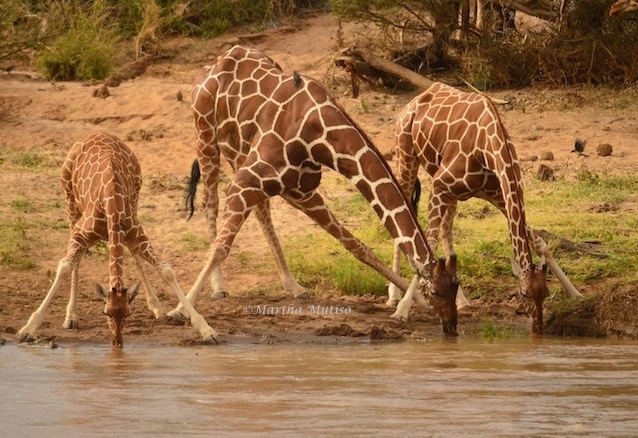
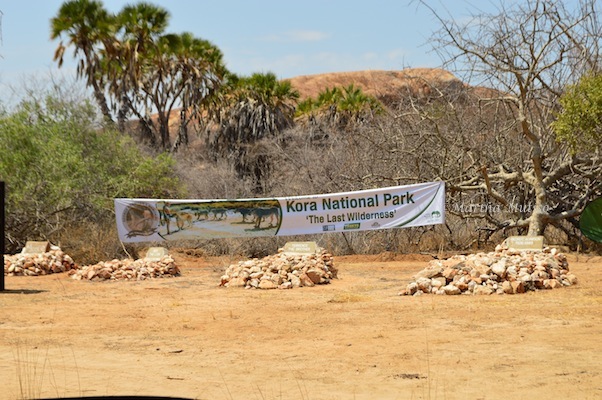
Most of the time I love to think that, I”m a passionate tour guide by profession :). I got to go on several safaris, all of which have the same itinerary. We would pick tourists from the airport or hotel in Nairobi, drive to Samburu National Reserve, spent at least two nights; then head to Lake Nakuru, Lake Naivasha or Lake Elementaita and spent two more nights before dropping the clients at Maasai Mara National Reserve. I had one group that spent a night in Amboseli National park before they proceeded with their safari in Tanzania. These, I must say, were my best guiding (and photography) moments…got to witness lions killing a hippo, ostriches having a bath in the red earth, a herd of Giraffes drinking water, and a young cheetah hunting Sacred ibises. The highlight of the month was when I hitch-hiked to Kora National Park to attend the 24th George Adamson’s (Father of the lions) memorial. What more can a tour guide ask for? 🙂
George Adamson’s burial place inside the Kora National Park; He’s buried beside his brother Terrence and Supercub, (Terrence’s favourite lion) and his own favourite, Boy.
September 2013
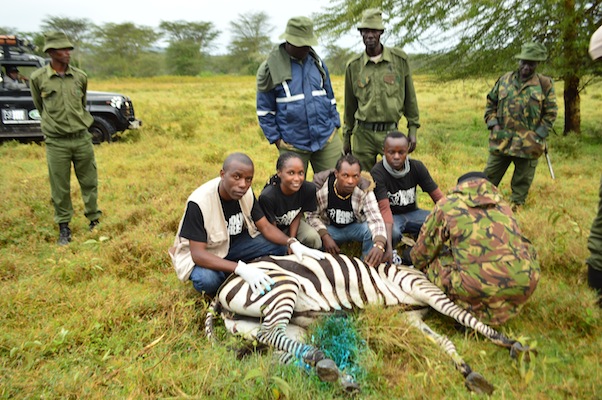
This is my birth month, as well as my late mom’s birth month; may she rest in peace. So I got to celebrate two birthdays in a span of two days. These, I celebrated by desnaring, which is an exercise that involves removing traps set by poachers to catch wildlife. The exercise was organized by Born Free Foundation team in Nairobi. We rescued several zebras; other antelopes weren’t as lucky.
The team with a zebra after the KWS vets cleaned its wounds
October 2013
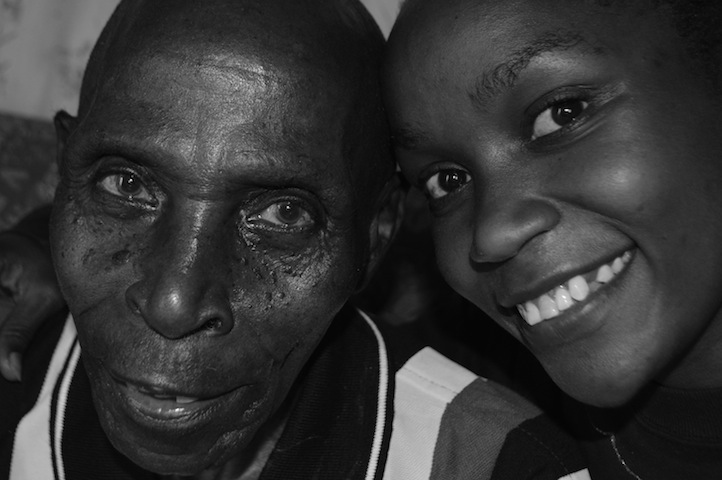
Another difficult month for our family where a week after we visited our 90-year-old grandpa, he passed on due to throat cancer, may his soul rest in peace. Here is the last photo we took together ❤
Grandpa and I, may he rest in peace.
November 2013
This month was a special one, worldwide. It was the month that the world would witness the solar eclipse, and it was noted that the only good place to see the eclipse was in Turkana. So people from all over the world…(except me!) travelled and got to witness the eclipse. Others from around the globe did witness this spectacle, but not as much as the people in Turkana did. From where I was in Nairobi (on my rooftop) I got to witness a cloudy afternoon and a rainy evening, so much for a world spectacle :).
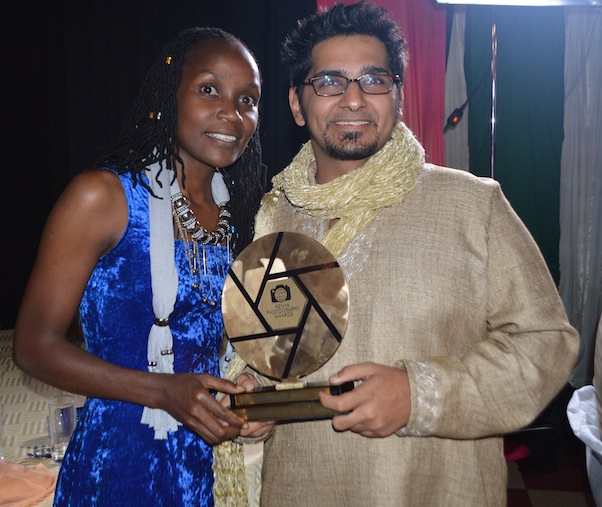
And in celebration of my photography, I was, among others, nominated as a finalist for the first Kenya Photography awards. This, I must say, was a great highlight for my not-yet-launched-photography-career. It was a better highlight for my friend Karim who has worked very hard in launching and maintaining his photography career; he won the nature photography category award, very much deserved.
Karim and I at the award event
December 2013
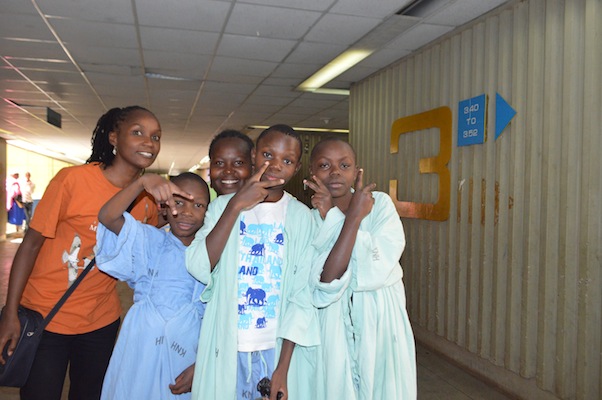
Guided by the Rotary International’s motto, “Service above self”, we, the Rotaract Club of Nairobi Central and the Rotaract Club of Nairobi University visited the Children’s Cancer Ward at Kenyatta National Hospital. We had a wonderful time interacting with these beautiful children, what with singing, dancing and playing but to say that the day did not take its toll emotionally would be a lie. However, knowing that we put a smile on their faces and hearts was peacefully calming.
Beautiful smiles, even in the face of adversity
We, Rotaract Club of Nairobi Central, also made a visit to the Thogoto Home for the aged, which is run by the PCEA church to cater for the old people. Thogoto is home for almost 100 men and women who are too old to take care of themselves, some do not have families or relatives to house them. The home takes care of their needs especially their health, diet and spiritual matters and like all old people come, they are ever delighted to share their wisdom with the younger generation.
Some elders at the home
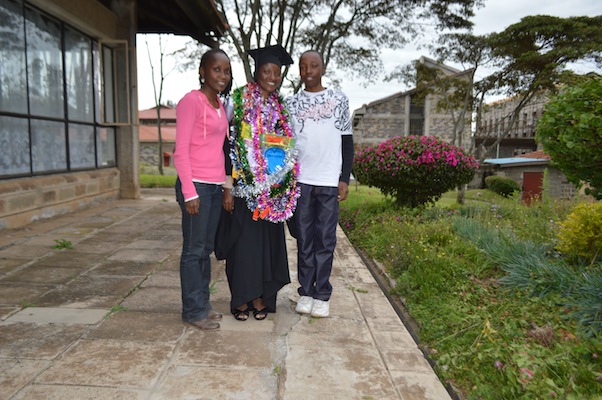
Well, 2013 was a beautiful year, topped up with my younger sister graduating from the university and my younger brother completing his primary education and my elder brother launching his IT Company. Looking forward to an awesome year in 2014! Happy new year!




 Ecoescapades