World Frog Day: Amphibian Chorus in Maasai Mara

Happy World Frog Day! Today marks the annual celebration on March 20th dedicated to raising awareness about the significance of amphibians, especially frogs, and their ecosystems. Frogs are crucial in maintaining ecological balance by controlling insect populations and acting as environmental health indicators, particularly in wetlands. However, they face various threats like habitat loss, pollution, climate change, and disease.
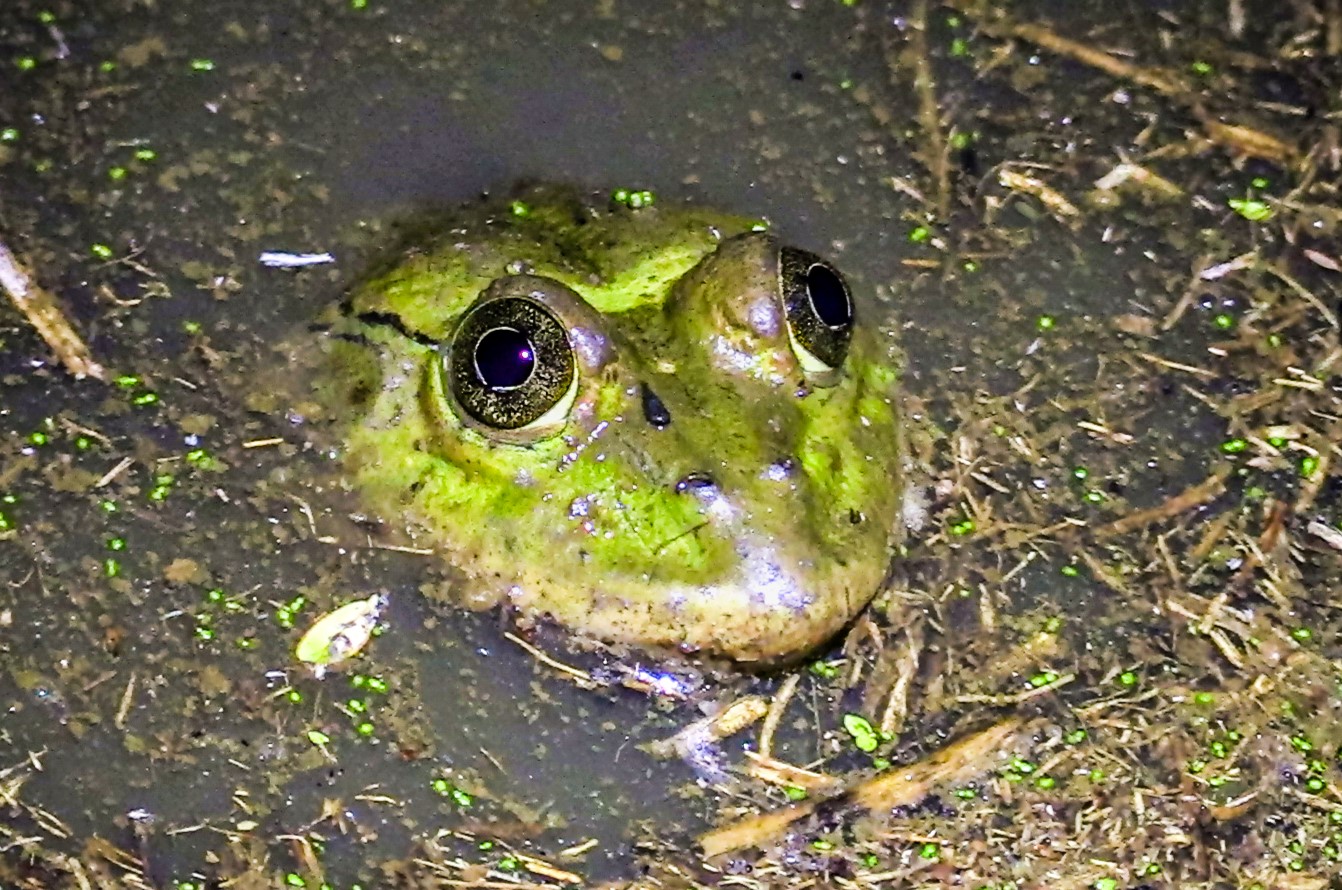
Groove Crowned Bullfrog, Sawaiti Swamp
Groove Crowned Bullfrog photographed in Sawaiti Swamp, Mogotio

Recording frog sounds is vital for conservation efforts, helping scientists in population monitoring, behavioral studies, and habitat health assessments. Conservation biologists worldwide are diligently researching these species, seeking solutions to these challenges. Understanding their behaviors, including vocalizations, provides crucial data for conservation strategies, ensuring the preservation of these species and their habitats for generations to come. I extend my gratitude to Dr. Patrick Malonza and other herpetologists for their contributions to amphibian research, especially frogs. Enjoy one of many amphibian choruses recorded during a visit to Nashulai Maasai Mara Conservancy, recently published by Earth.fm! Have a listen!

Crowned Bullfrog’s advertisement call, a slightly rising low gnarl, emerging above the Puddle frogs’ dominant call

Long form recording at https://earth.fm/recordings/amphibian-chorus-2/

The Splendid Crow, one dive at a time

Bold, noisy, abundant and almost totally unafraid of people is the best way to describe the Indian House Crow, Corvus splendens, an exotic bird, which has become a major problem in cities along the East Coast of Africa. This crow has become widespread by introduction around the Indian Ocean and the East African Coast.

As an avian intruder, the Indian House Crow has been given the scientific name Corvus splendens: the ‘Splendid Crow’ is ironically undesirable for a number of reasons. It is an aggressive and opportunistic forager; it feeds largely on human scraps, small reptiles and other animals such as insects and other small invertebrates, eggs, nestlings, grain and fruits. Most food is taken from the ground, but also from trees as opportunity arises. It is a highly opportunistic bird and given its omnivorous diet, it can survive on nearly anything that is edible.

It has a devastating impact on indigenous bird populations by eating eggs and mobbing other birds that might compete with it or just for the sheer fun of it. Indian House Crows have also been blamed for causing power cuts in some areas, as they often construct nests on electric poles. They are now found in every East African coastal city, often scrabbling in large flocks through piles of garbage at the sides of roads.

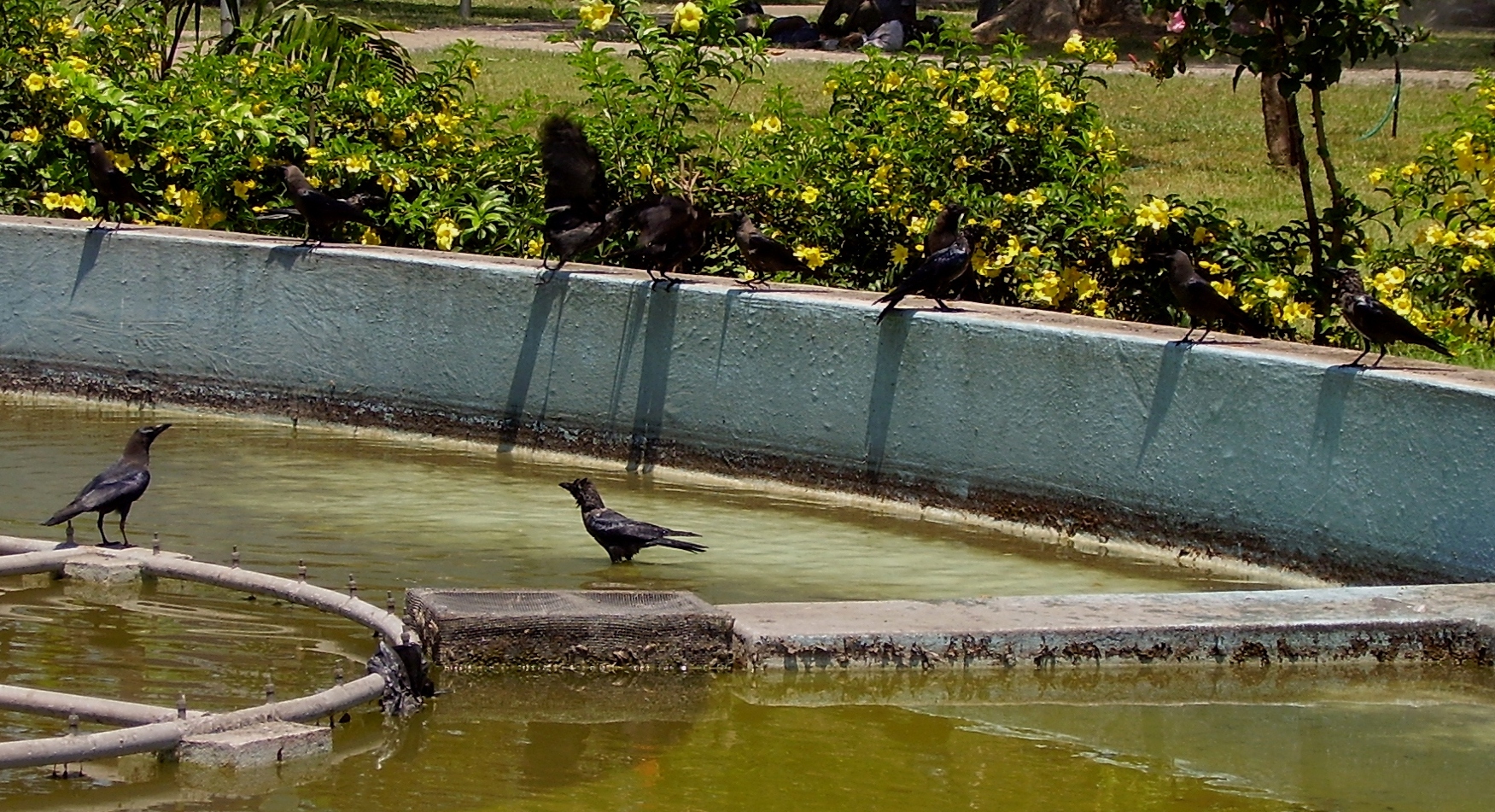
However, it might not be the same case with this flock of Indian House Crows at a water fountain opposite the Mombasa Railway Station. At mid day, with the heat of the sun at a higher degree, they would fly out in flock, circle around the water fountain and the garden and after five minutes they would, totally undisturbed by the passers by, dive in for a bath. This bath, done in turns, would last about two minutes and the next crow in line would dive in the water for the same period of time. This is unlike the Indian House Crow which is always associated with garbage sites and poor sanitation.

Indian House crows at the water fountain

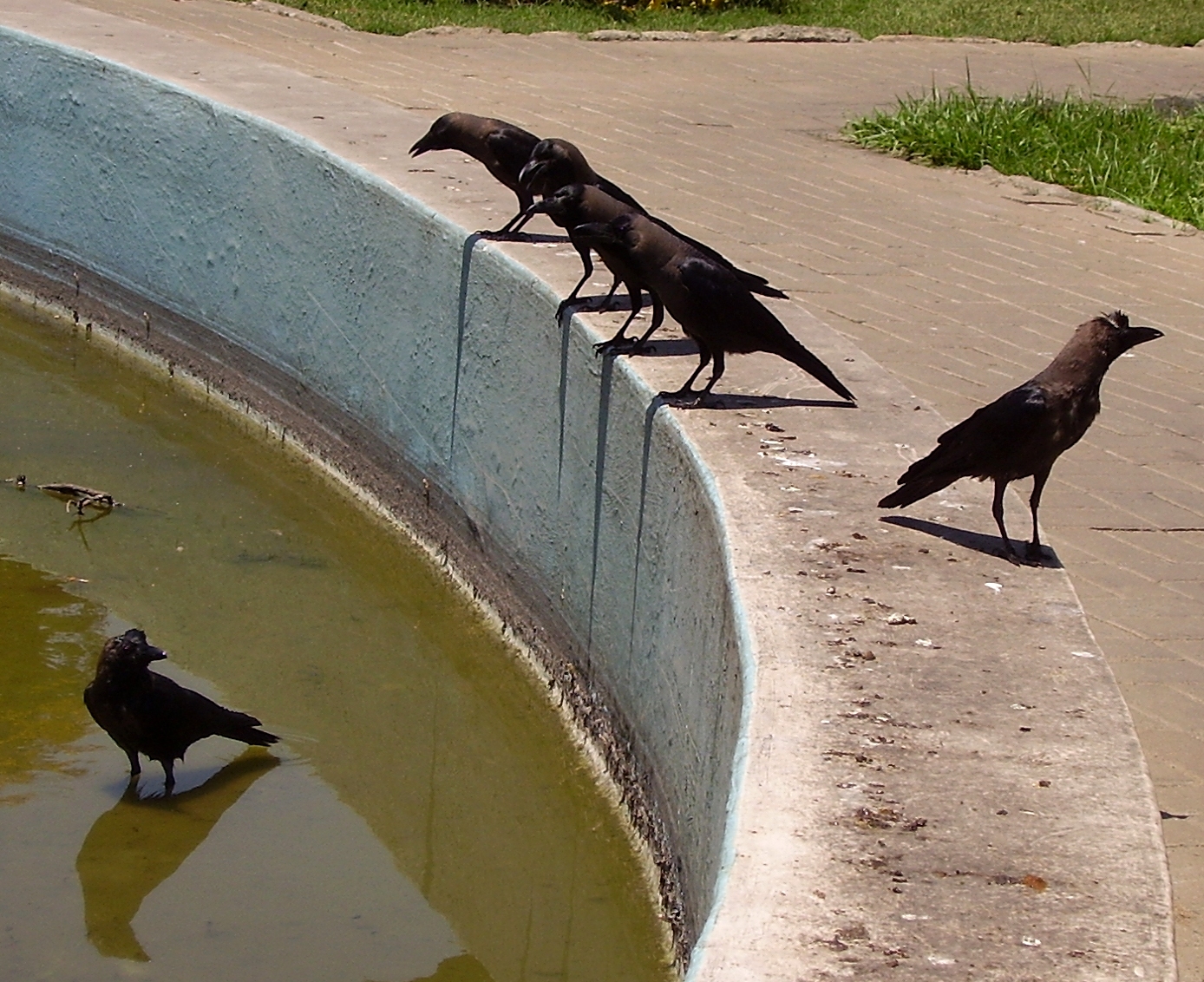
The crows decide who goes first

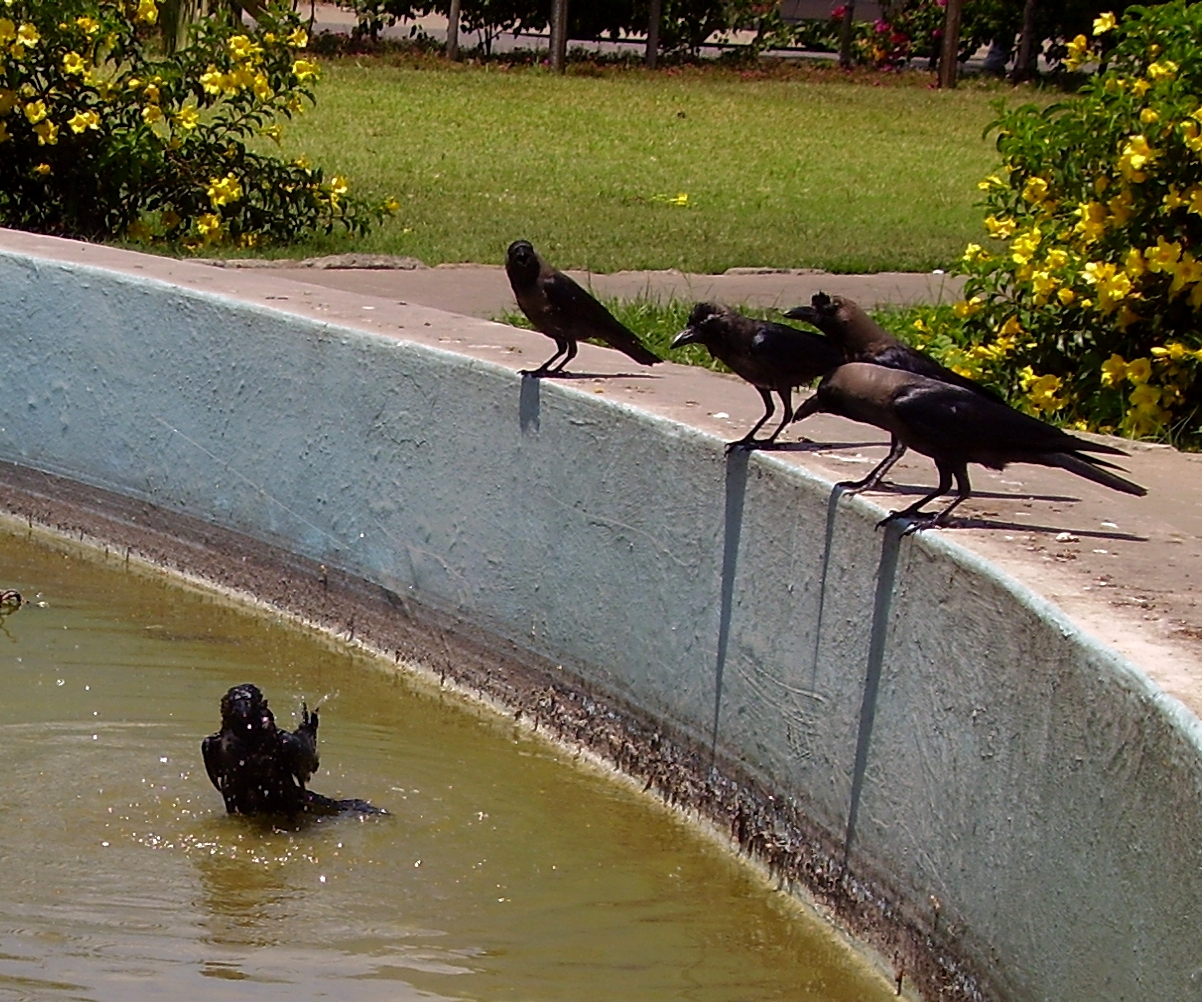
They look on as they each wait for their turn

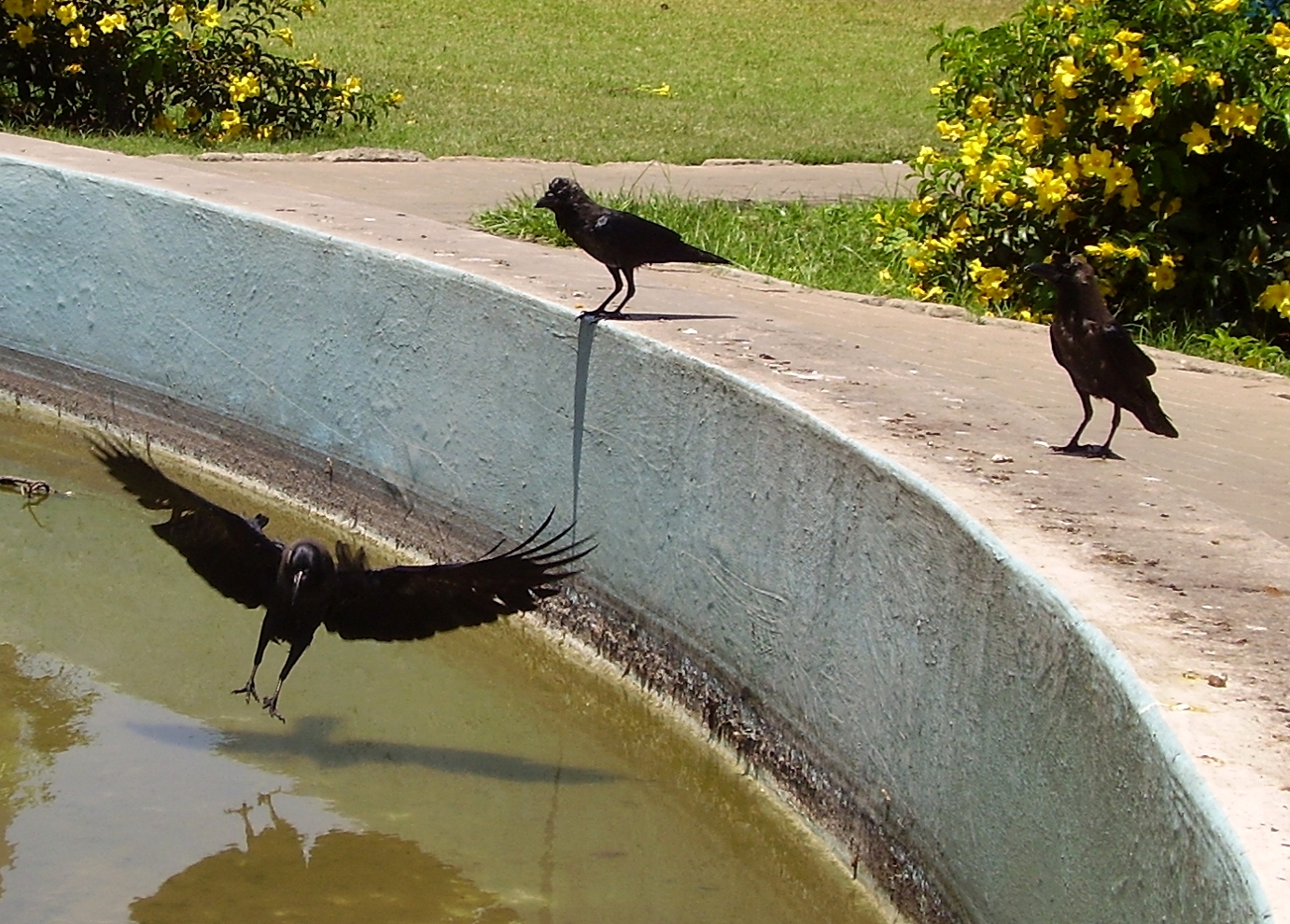
It's his turn
It’s his turn