
The current trending news in Kenya right now is Quail farming. Well, I’m not going down that road. The year started on a high note. I attended a rabbit farmers’ training at Kenya Agricultural & Livestock Research Organization (KALRO) in Thika, with other twenty farmers and aspiring rabbit farmers. Like the facilitators inform us, rabbit rearing began many years ago but it was a “boy thing” and didn’t flatter the adults. But, rabbit farming is the best alternative to poultry farming, with rabbit meat currently been ranked as the most nutritious white meat, lowest in cholesterol, lowest in saturated fats, high levels of protein and vitamin B12, high calcium and low sodium, need I say more?!
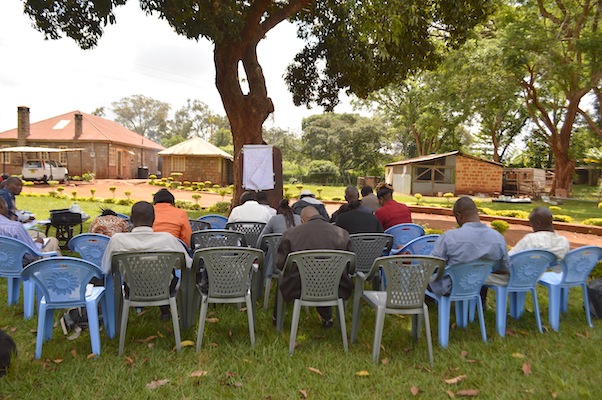
We covered several topics, from importance of rabbits to their diseases and treatment. One fascinating fact I learnt was that they are very clean animals and therefore their houses need to be built in such a way that they are self-cleaning; I made a mental note to redo my rabbit house. They also reproduce fast and the proper age for the first mating depends on the breed and individual development. Their manure is very rich in nitrogen and their urine, like one of the farmers confirm, can be used as pesticide in horticulture.

However, much as rabbit farming is relatively easy to start and maintain, it’s still neglected by many, including the lack of government support for rabbit farming ventures. The industry also faces inadequate resources and infrastructure to reach the farmers and larger community for information dissemination.

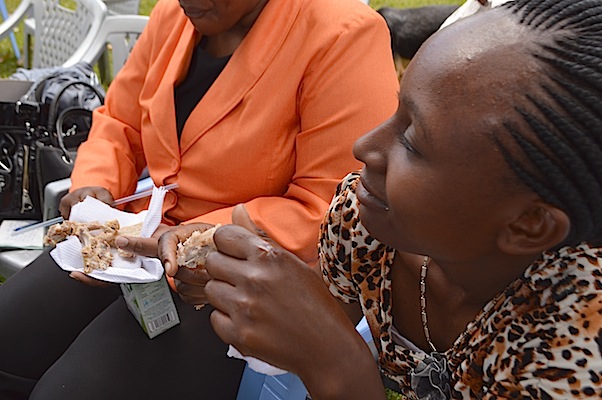
After the short training, we were served with rabbit meat (which was slaughtered during one of the demonstrations) as our lunch…it sure does taste like chicken! We later visited the resident rabbit houses. Most of them are breeding and the litter is so puffy and too fragile to hold.
 Ecoescapades