Disappearing Sounds: Celebrating Endangered Species Day with the Calls of the Tree Hyrax

Happy to celebrate this year’s Endangered Species Day by sharing the exciting and timely win of my Sound of the Year Awards Highly Commended submission in the Disappearing Sound-Sound worth saving Category (Tree Hyrax Call in Mt. Kenya).
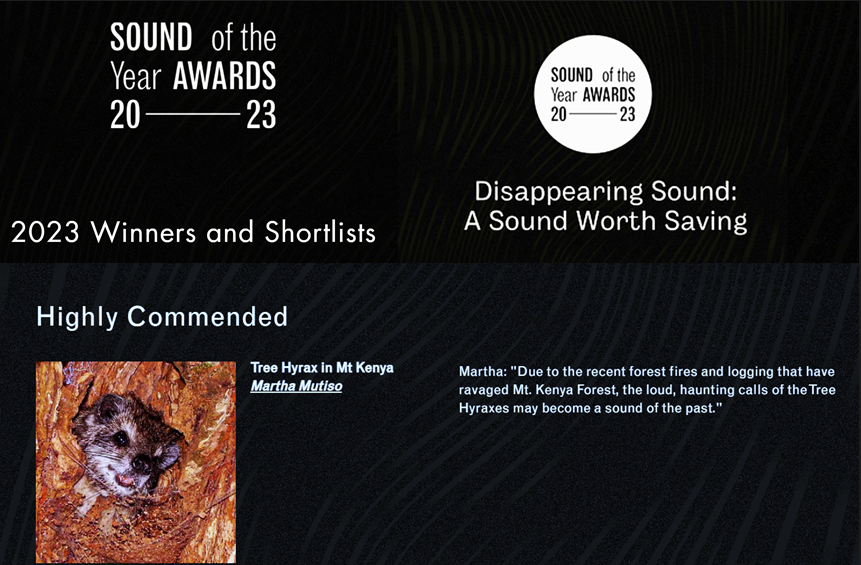
The Eastern Tree Hyraxes are medium-sized solitary mammals living in the canopies of tropical forests. They communicate with each other via loud, repetitive vocal calls. They are shy and only move at night, to forage for food or look for mates. In 2015, the IUCN designated the Eastern Tree Hyrax as Near Threatened. Their sounds are some of the loudest and creepiest of all, especially when they echo through the night. They’re so spooky that upon arrival at some of the hotels in Mt. Kenya, guests are notified of strange noises and calls that may be heard at night. They are assured that the hotel they have checked into is not haunted. Guests exchange bewildered looks, shrug, and immediately forget the warning as soon as they settle into their rooms.
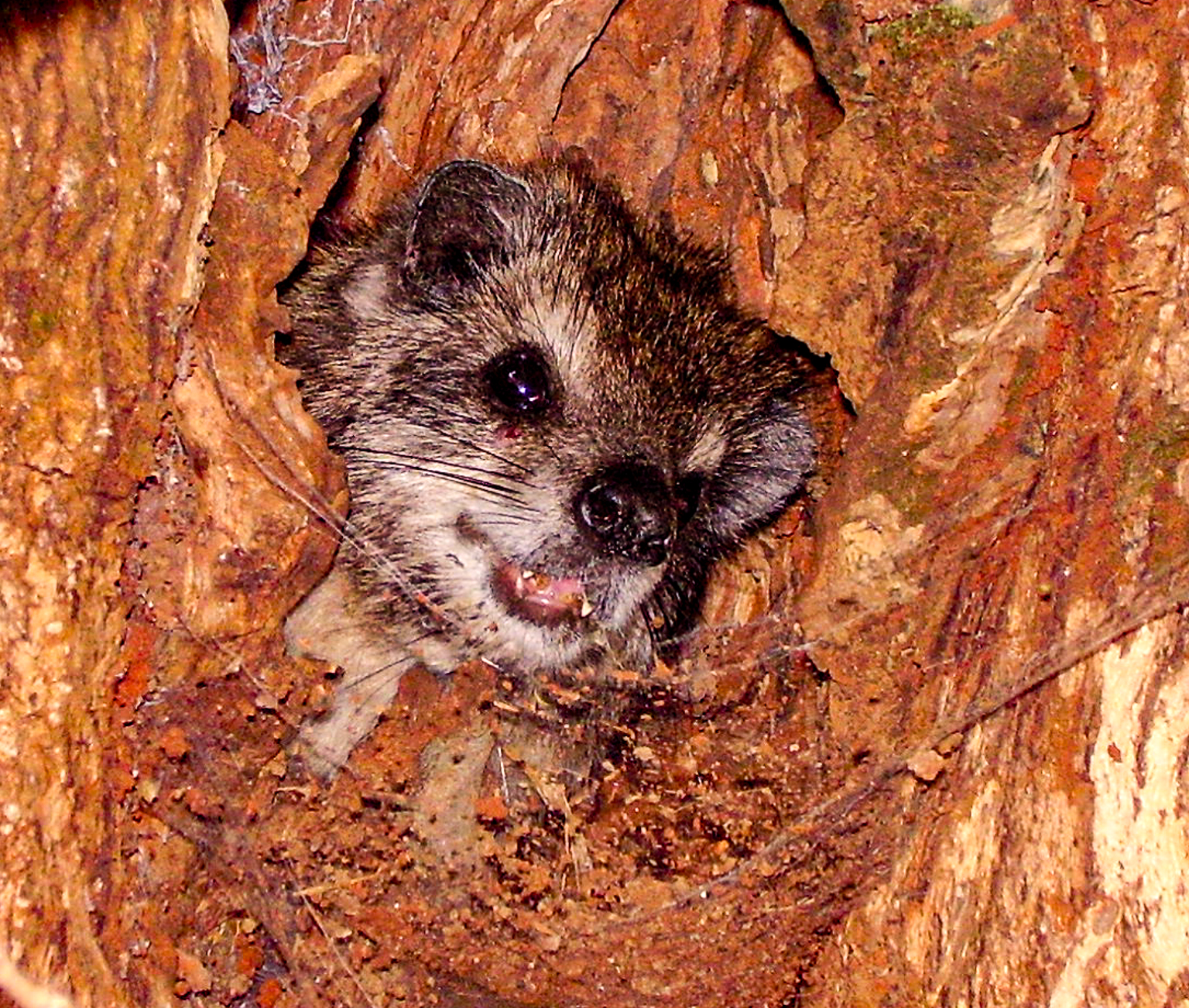
Tree Hyrax in a tree hole

Then it begins. The deafening loud shrieks of the Tree hyraxes invade the night. As the night unfolds, so do the calls, echoing throughout the forest. They eventually quiet down, and then rise once more in the wee hours of the morning. These are my favorite times of the day. While the world slumbers, I listen to the haunting shrieks of the Tree Hyrax, a unique and captivating melody that unfolds in the stillness of the night!

Due to the recent forest fires and logging that have ravaged Mt. Kenya Forest, the loud, haunting calls of the Tree Hyraxes in our forests may become a sound of the past. The Sound of the year Awards celebrates sound in all its forms and from all corners of the world. In the Disappearing Sounds category, participants submitted sounds that are worth saving. But how do you save a sound? By saving wildlife and their habitats! Enjoy the sound of the Tree Hyrax, a sound worth saving in Mt Kenya. Happy Endangered Species Day.

Listen to the sounds of the Tree Hyrax!
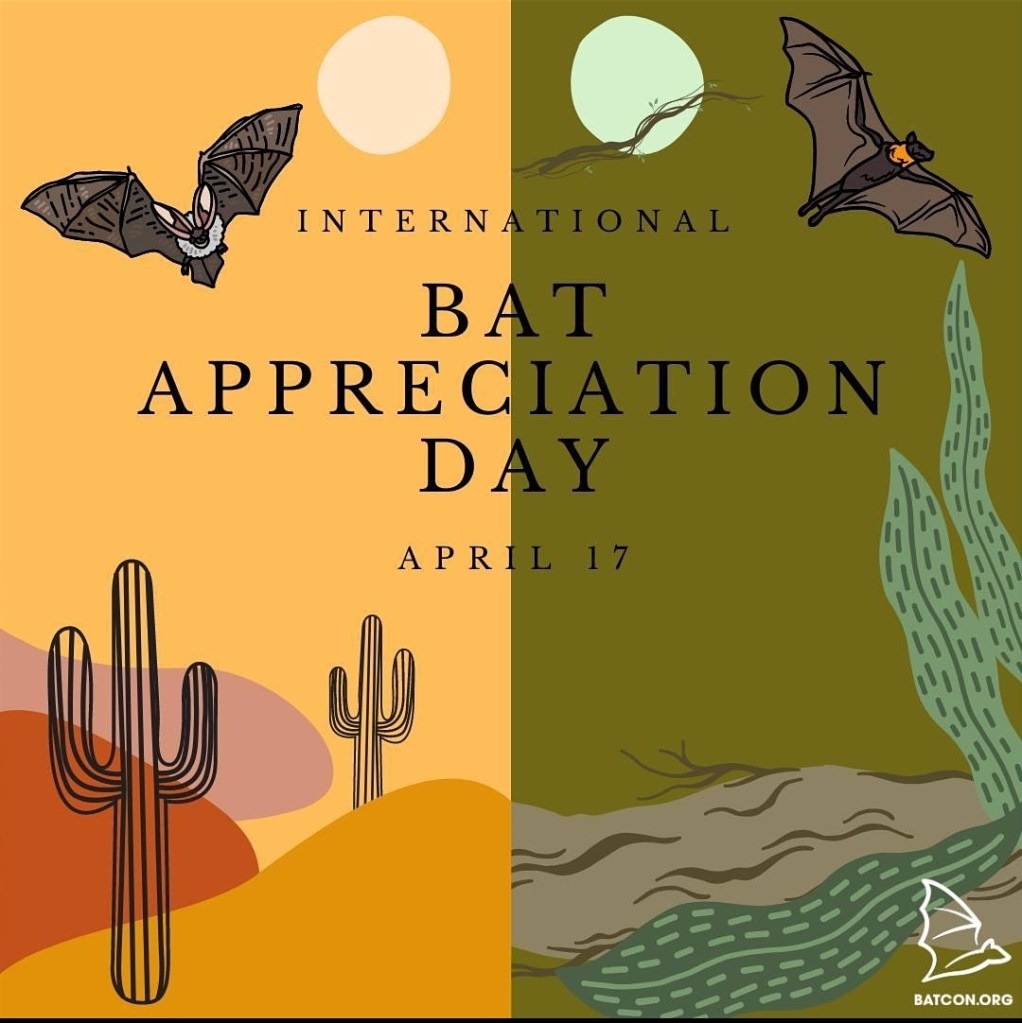
International Bat Appreciation Day: Hammer headed Fruit Bats Chorus

Every year on April 17, the world celebrates International Bat Appreciation Day to remind us of the important role that bats play in our daily lives. They help pollinate flowers and fruits, control agricultural pests and create rich fertilizer for communities.

I recently had one of the most interesting bat encounters during a recent field recording expedition to Mpanga Forest Reserve in Uganda. On a quest to record some of Africa’s quiet places, I was treated to one of the most weird and beautiful animal sounds I’ve ever heard, the Hammer headed fruit bat’s honk! It’s a sound I would not have associated with bats.

I learnt that the males of this bat species use the honk to compete against each other and attract females. The bat with the loudest honk wins a mate!

Enjoy this bat’s honk🦇🦇

Listen to the full recording at Earth.Fm

https://earth.fm/recordings/nocturnal-chorus-at-mpanga-central-forest-reserve

World Frog Day: Amphibian Chorus in Maasai Mara

Happy World Frog Day! Today marks the annual celebration on March 20th dedicated to raising awareness about the significance of amphibians, especially frogs, and their ecosystems. Frogs are crucial in maintaining ecological balance by controlling insect populations and acting as environmental health indicators, particularly in wetlands. However, they face various threats like habitat loss, pollution, climate change, and disease.

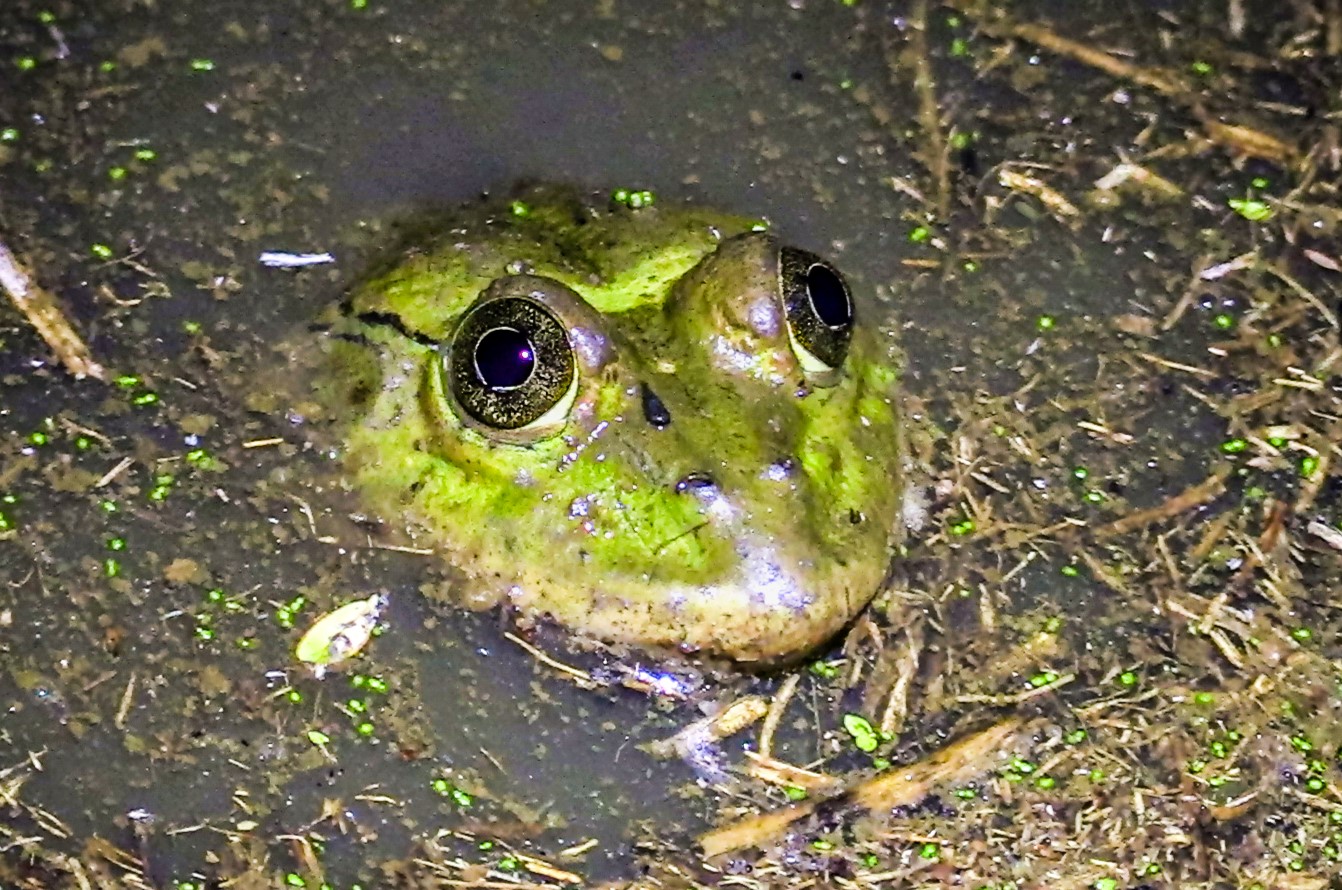
Groove Crowned Bullfrog, Sawaiti Swamp
Groove Crowned Bullfrog photographed in Sawaiti Swamp, Mogotio

Recording frog sounds is vital for conservation efforts, helping scientists in population monitoring, behavioral studies, and habitat health assessments. Conservation biologists worldwide are diligently researching these species, seeking solutions to these challenges. Understanding their behaviors, including vocalizations, provides crucial data for conservation strategies, ensuring the preservation of these species and their habitats for generations to come. I extend my gratitude to Dr. Patrick Malonza and other herpetologists for their contributions to amphibian research, especially frogs. Enjoy one of many amphibian choruses recorded during a visit to Nashulai Maasai Mara Conservancy, recently published by Earth.fm! Have a listen!

Crowned Bullfrog’s advertisement call, a slightly rising low gnarl, emerging above the Puddle frogs’ dominant call

Long form recording at https://earth.fm/recordings/amphibian-chorus-2/