CWY-KENVO alumni reunion…

January and February 2011

Canada World Youth (CWY) is a national non-governmental organization that designs and delivers international educational programs for young adults. It was founded in 1971 by the late Senator Jacques Hébert (1923-2007), who was profoundly dedicated to youth and to greater intercultural understanding.

Kijabe Environment Volunteers (KENVO) is a non-profit making community-based organization formed by members from the local community living adjacent to the globally important Kikuyu Escarpment forests in Central Province, Kenya.

Recently, both current and past participants of the CWY-KENVO exchange program in Kenya have been actively involved in general activities that have been organized by the various organizations. The world is truly a small place. We have all come from afar, both geographically and culturally but through CWY we are all connected by a unique web of networks in various fields.

I recently participated in the African waterfowl census that was organized by the National Museums of Kenya. The waterfowl census is a bi-annual waterbirds and wetlands monitoring project in Kenya that has been taking place for the last ten years. It’s a collaboration project between the National Museums of Kenya, Kenya Wildlife Service and Nature Kenya and is coordinated worldwide by the Wetlands International. The National coordinator for Kenya is the Ornithology Section of the National Museums of Kenya and t covers major lakes and other wetlands in Kenya. I got to interact with both past and current CWY participants from two different groups (CWY Ottawa-Kimende and CWY Winnipeg-Kagwe).
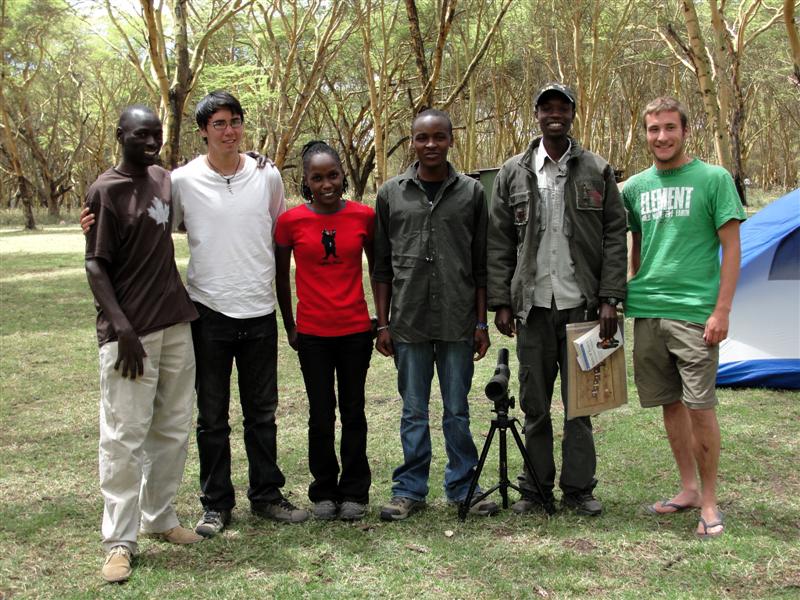
CWY-KENVO alumni at waterfowl census in Lake Naivasha, Kenya-Steve Kamau (2006-2007), Douglas Price (2010-2011), Martha Nzisa (2008-2009), Laban Kamande (2010-2011), Jack Kiiru (2010-2011) and Shane Bureau (2010-2011)

On 29th January,  the CWY-Kimende group joined us for an environmental cleanup at the Nairobi Arboretum. The activity was organized by the Friends of Nairobi Arboretum and the Rotaract Club of Nairobi Central. Other youth groups from universities and other conservation organizations around Nairobi also participated. The CWY participants’ presence made a lot of impact in the activity, and they got to interact with other young people from Nairobi.
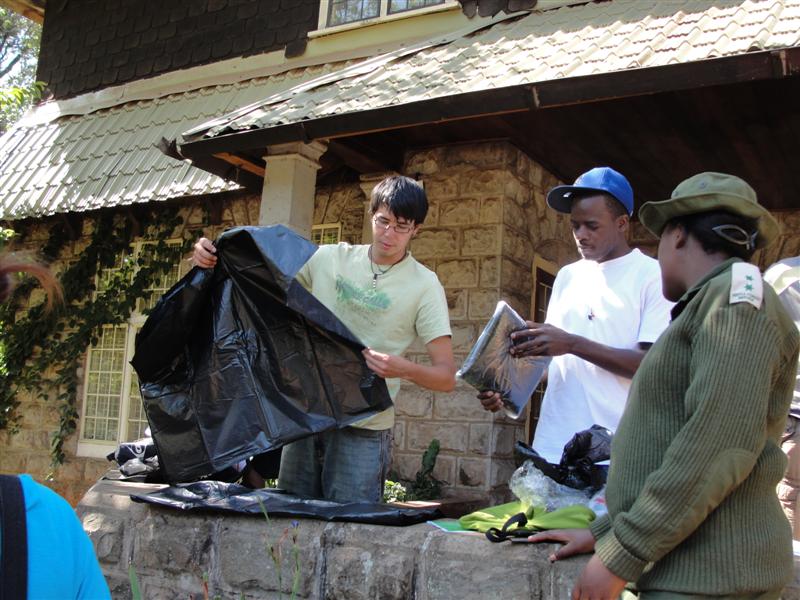
Douglas (CWY-Kimende 2010-2011) distributing garbage bags to other cleanup participants
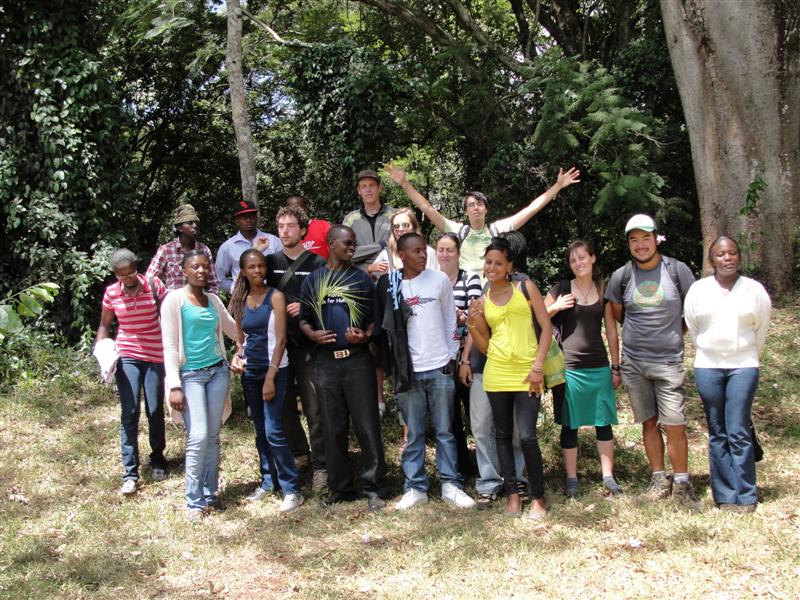
CWY-Kimende 2010-2011 participants after Nairobi Arboretum environmental cleanup in January 2011

On 5th of February 2011, we had a similar activity, an environmental cleanup at the Nairobi City Park, which was organized by the Friends of Nairobi City Park. This time we hosted the CWY-Kagwe group and their enthusiasm and sense of volunteerism had a huge impact in the activity.
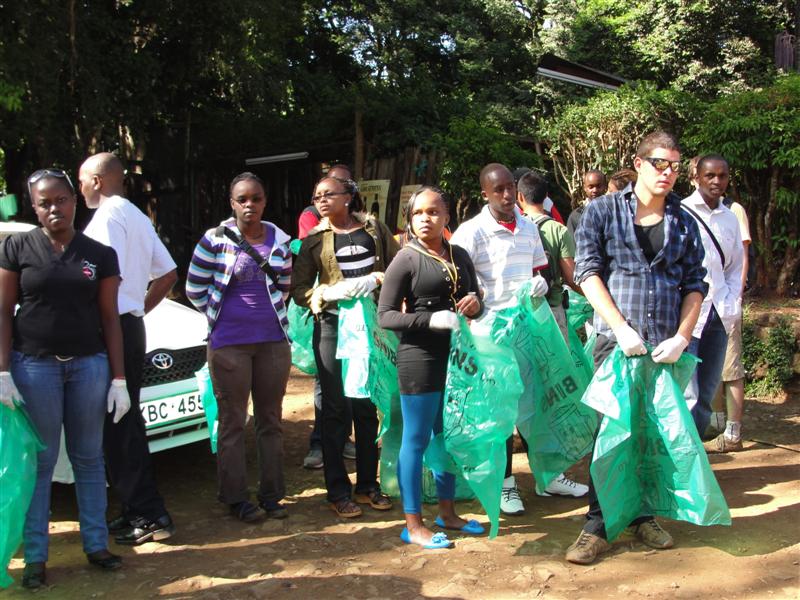
CWY-Kagwe 2010-2011 participants ready for Nairobi City Park cleanup in February 2011
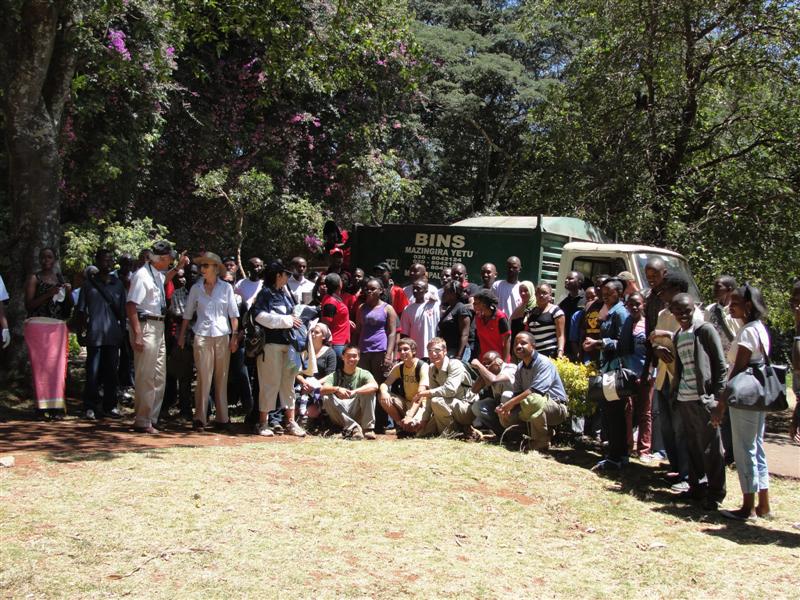
A group photo of CWY-Kagwe 2010-2011 participants and other youth groups from around Nairobi-February 2011

The CWY exchange programs has made it possible for young people from all around the world to live and work in different communities in an active way, learning more about community, culture, conservation, wildlife and international development and gaining important professional skills for the future. I would like to thank the CWY-KENVO group coordinators and project supervisors for letting the groups take part and contribute in various activities in and away from their host communities.

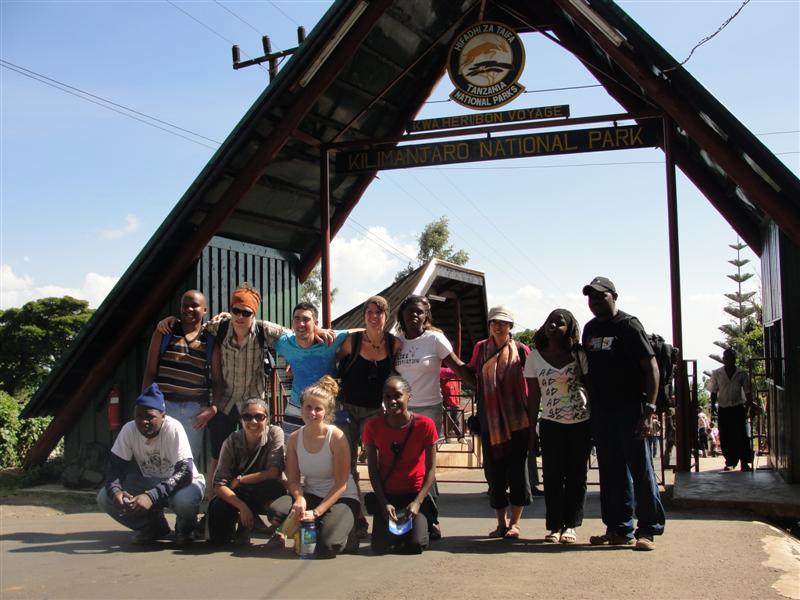
The Marangu hike

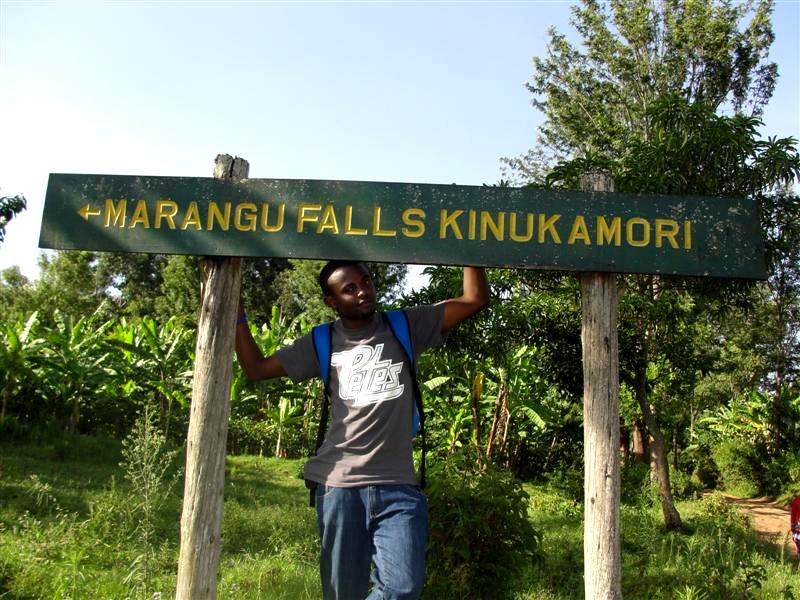
On new years day some CWYUVIKIUTA members went for a hike in Marangu in Kilimanjaro region, Tanzania. Marangu is a small and busy center of tourism, especially for climbers who want to climb Mt. Kilimanjaro. The word Marangu means a place with too many water streams.

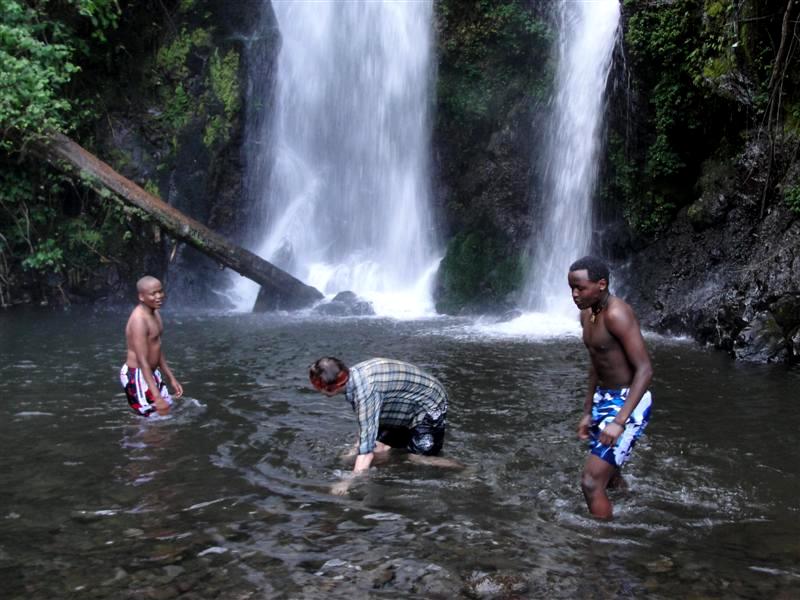
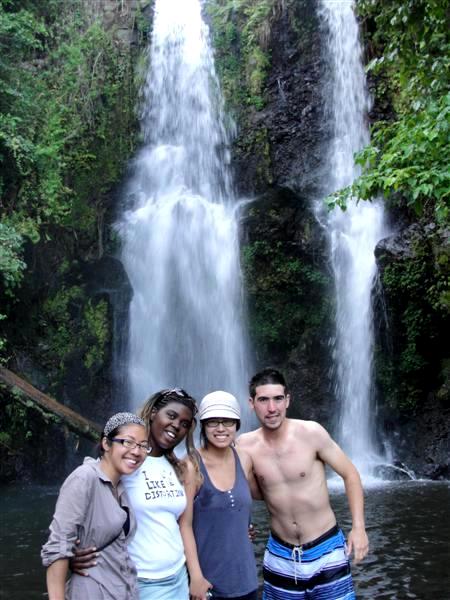
After a taxi ride to the entrance of Kilimanjaro National Park we spent at least half an hour, taking photos and waiting for a guide to give us the park’s information, but he didn’t come and so we continued with our hike, after getting some information sheets. After an hour’s trek we got to the Kinukamori waterfalls, which is located at the foothills of Mt. Kilimanjaro and whose crystal clear water originates from the natural springs of volcanic rocks on Kilimanjaro.

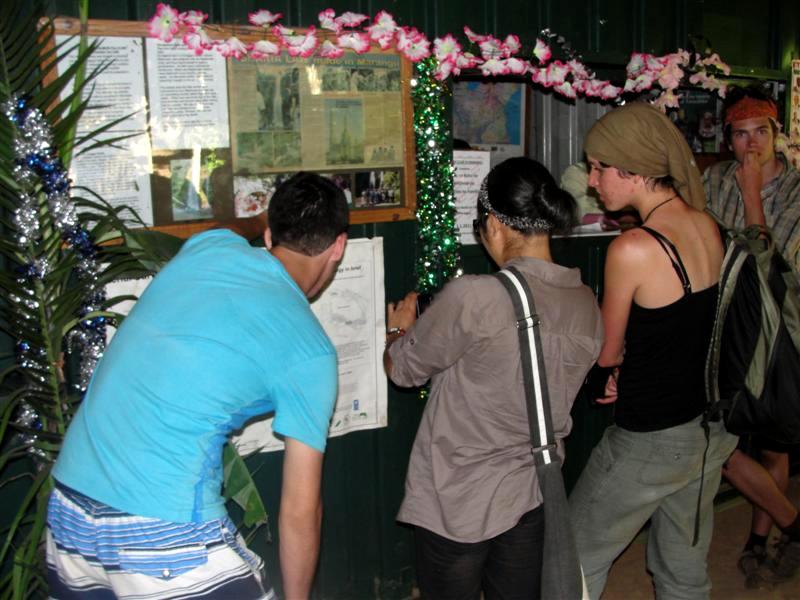
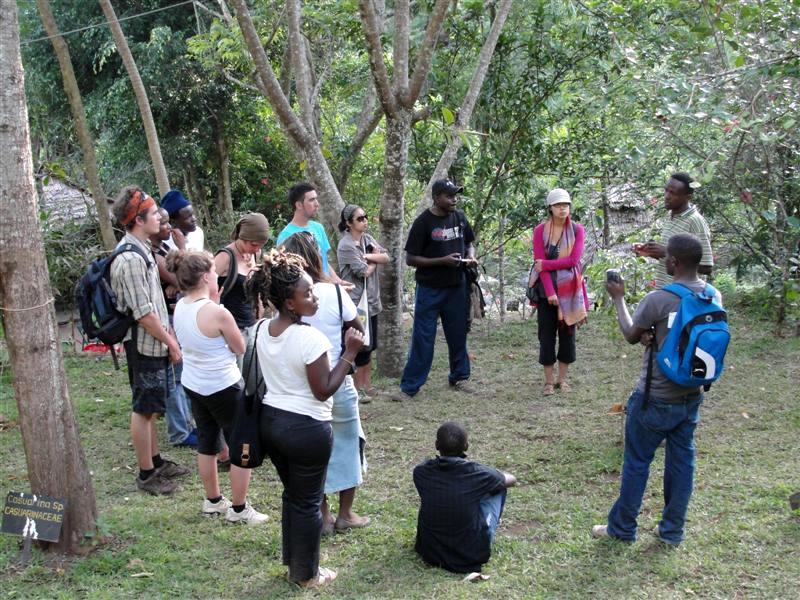
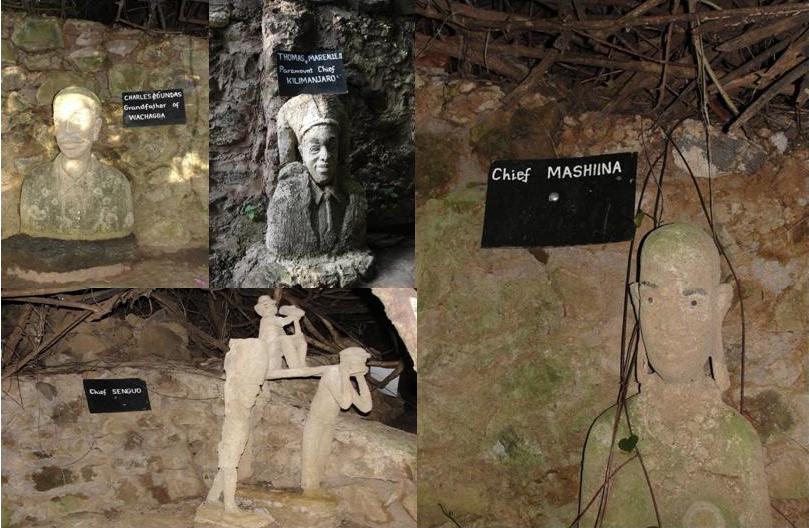
We also went into the hall of Chagga culture after a short briefing by our guide. The Chagga people are Bantu-speaking and the largest ethnic group who live at the slopes of Mt. Kilimanjaro. They descended from various Bantu groups who migrated from the rest of Africa into the foothills of Kilimanjaro and speak a number of related Chagga language dialects. The Chagga area is traditionally divided into a number of chiefdoms, which were displayed by use of sculptures in the hall of the Chagga culture.

Below are some pics of the hike..

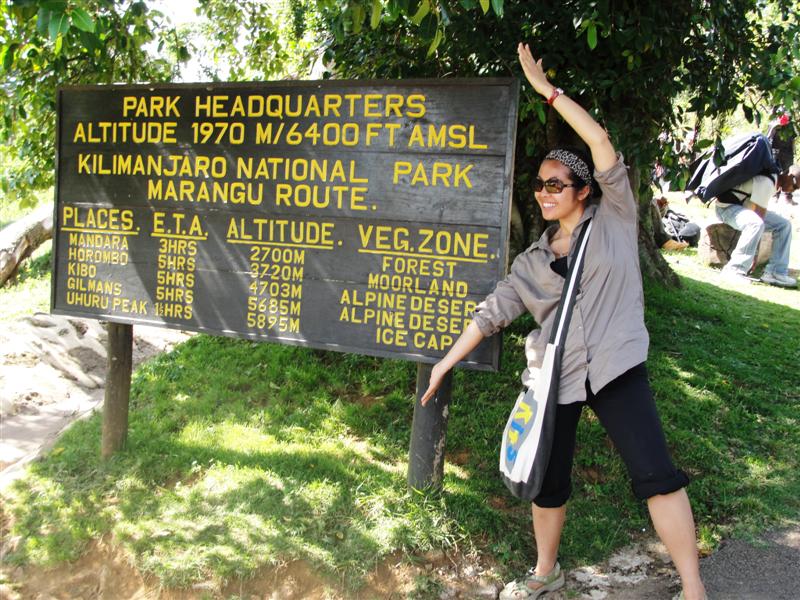
Brief stop at the Kilimanjaro National Park, which is also a World Heritage Site.

Inside the park

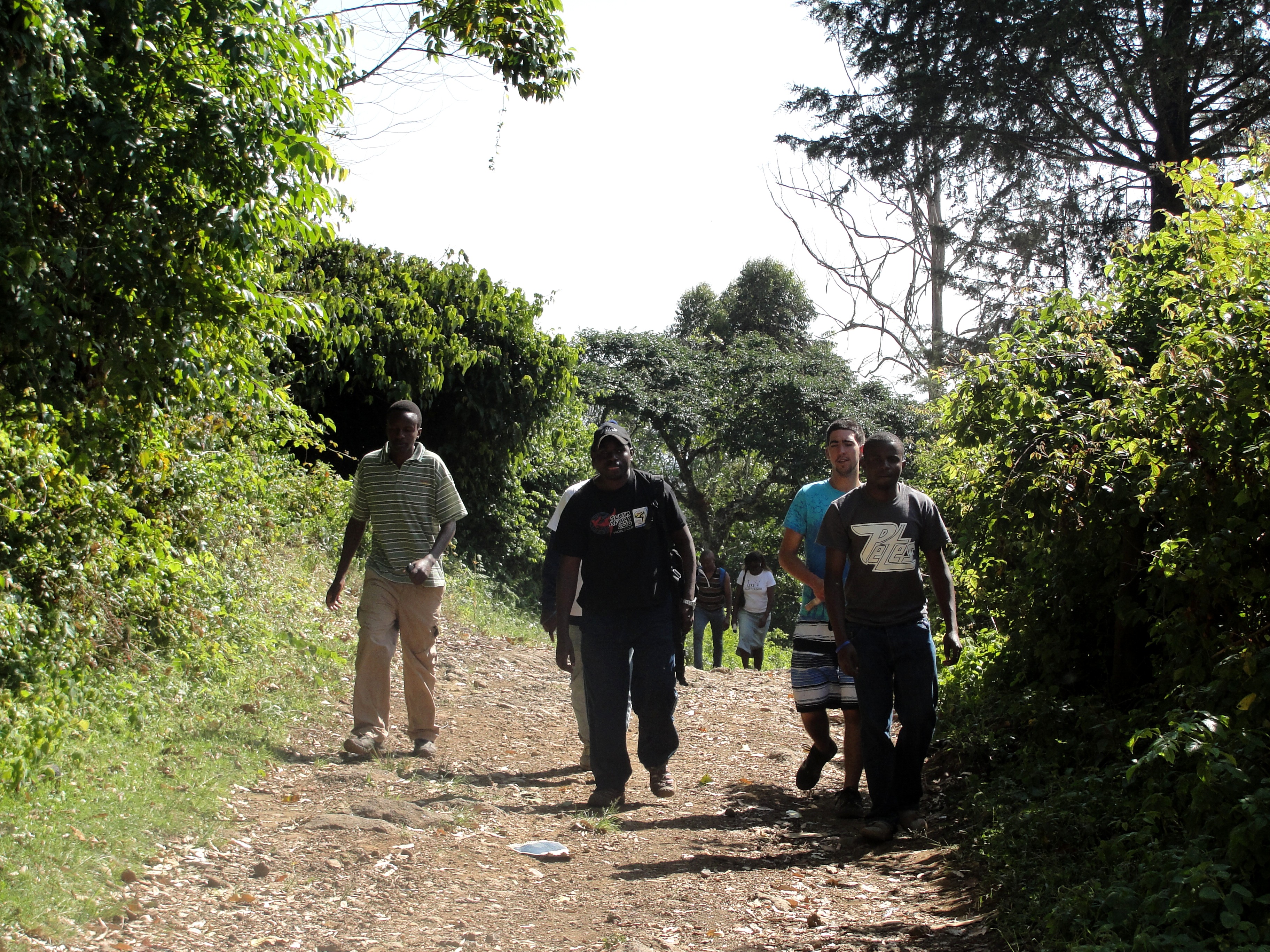
The hike

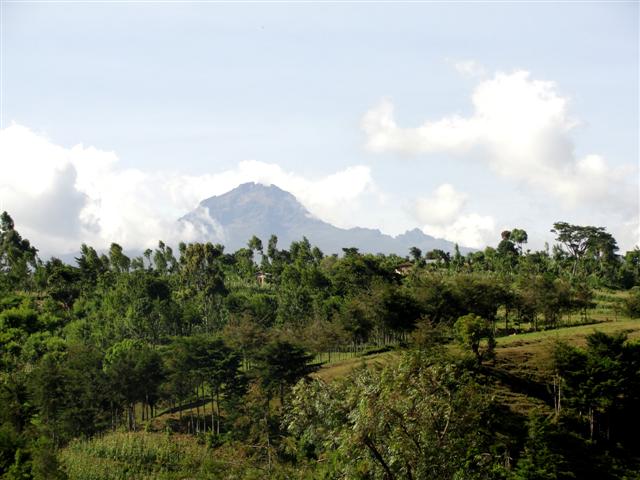
Landscapes along the way

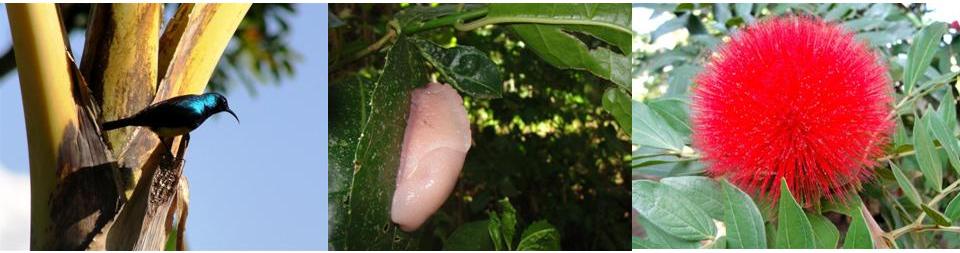
Some biodiversity along the way

A group rest along one of the streams

At the entrance of the Kinukamori waterfalls

Getting some information before going into the falls

Briefing before going into the hall of Chagga culture

Chiefdom sculptures inside the hall of Chagga culture

Swimming at the waterfalls

Photo-shoot at the waterfalls

Refreshments after the hike..

The group left the following day for Dar Es Salaam, where they will be living with local host families and working with the local community for two months.

Community Service in Mwika, Tanzania

I was happy to spend time with Canada World Youth-UVIKIUTA Program’s participants in Mwika, Tanzania on New Year’s Eve and New Year.

Canada World Youth (CWY) is a national non-governmental organization that designs and delivers international educational programs for young adults. It was founded in 1971 by the late Senator Jacques Hébert (1923-2007), a former Senator who was profoundly dedicated to youth and to greater intercultural understanding. The CWY Program is an exchange program that takes place between Canada and other developing countries around the globe, (Canada and Tanzania in this case). UVIKIUTA is an independent non-governmental organization in Tanzania that works with youth. It was created in 1983 following a proposal in which the Government of Tanzania invited unemployed youth to group together in order to receive assistance. Uvikiuta’s projects focus on income generation, employment, and nutrition.

I was visiting my friend, Kyle, who we met in a youth leadership conference while I was doing a similar program in Canada, and our friendship grew over time. The group, which spent three months in Peterborough in Canada, is now on their second phase of the program in Dar Es Salaam, Tanzania. I got to spend time with them and it was interesting to note that they had similar joys and challenges like our group had two years ago, and that they worked together as a team, just like our group. They performed a dance and it was the highlight of the day and the most hilarious dance that I’ve ever seen.

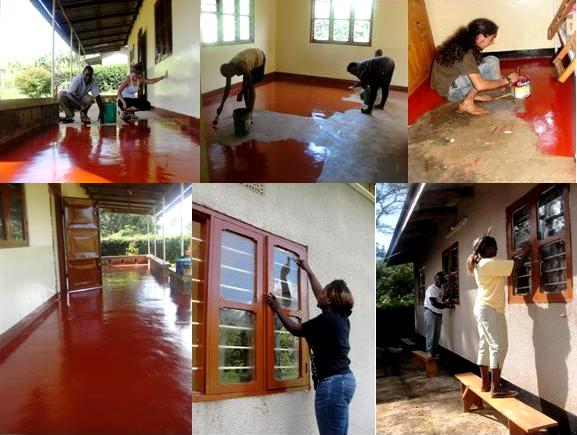
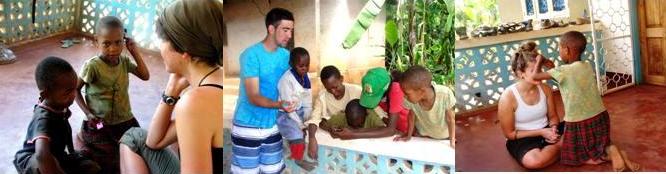
During their group living time in Mwika, they lived in the same house (separate houses for male and female) for three weeks and performed in-house and group duties together, interacted with local community and volunteered in the community. They planted more than 500 trees in the village, repainted the local health center and did a community impact assessment on the impact volunteers and volunteerism has on the community.

They will be spending the next two months in Dar Es Salaam, Tanzania after they spent three weeks of group living in a small village located two hours away from Moshi.  They will be living with local host families and working in the community, in different work placements that focus on education, agriculture, information technology, environmental issues and working in orphanage among others.

We later went for a hike and visited a waterfall which was an hour away (or so we thought) but it kept getting further; more on the hike later…

For more information about the Canada World Youth’s programs and partners around the world,  please visit their website.

Repainting the windows and floors at the local health center

Interacting with the village kids

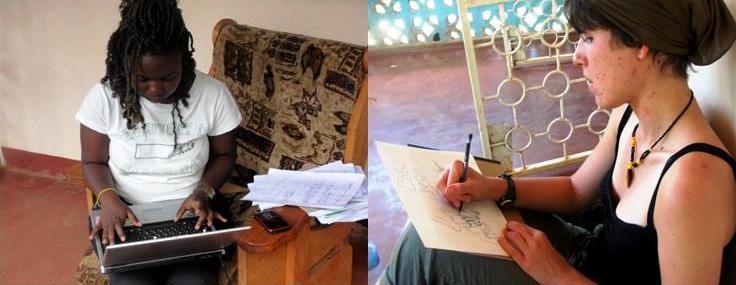
Data entry on community impact assessment and sketching the local dala dalas (local transport).

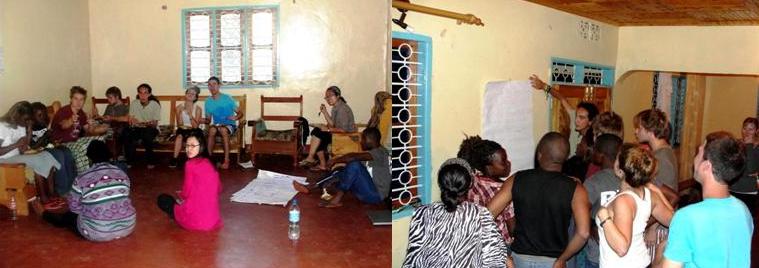
Group meals-Lunch  and finding out about host families in Dar Es Salaam

The program supervisors-Alana McGoldrick and Robert Balidyan

CWY hiking post soon 🙂