January and February 2011
Canada World Youth (CWY) is a national non-governmental organization that designs and delivers international educational programs for young adults. It was founded in 1971 by the late Senator Jacques Hébert (1923-2007), who was profoundly dedicated to youth and to greater intercultural understanding.
Kijabe Environment Volunteers (KENVO) is a non-profit making community-based organization formed by members from the local community living adjacent to the globally important Kikuyu Escarpment forests in Central Province, Kenya.
Recently, both current and past participants of the CWY-KENVO exchange program in Kenya have been actively involved in general activities that have been organized by the various organizations. The world is truly a small place. We have all come from afar, both geographically and culturally but through CWY we are all connected by a unique web of networks in various fields.
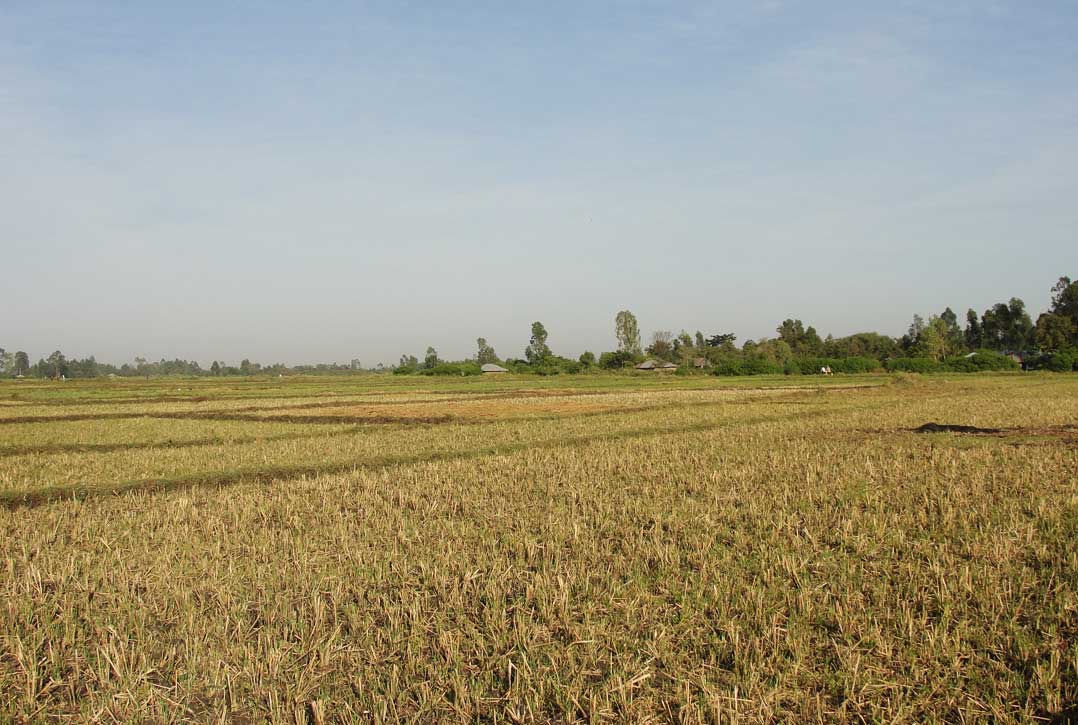
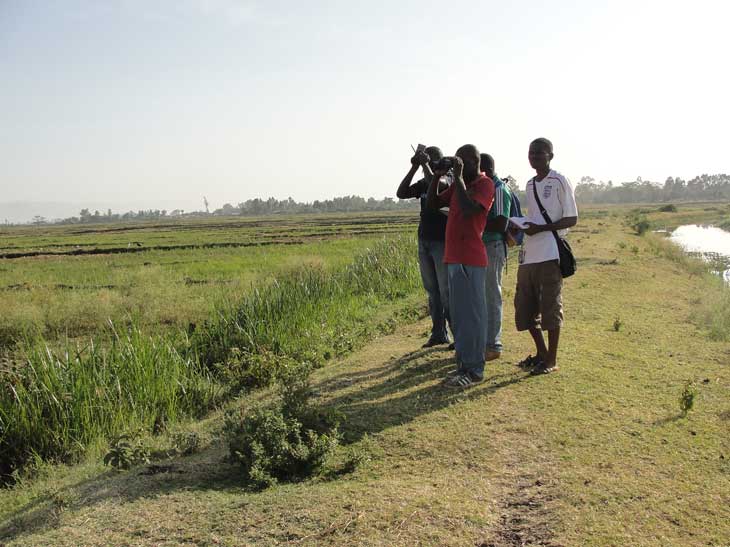
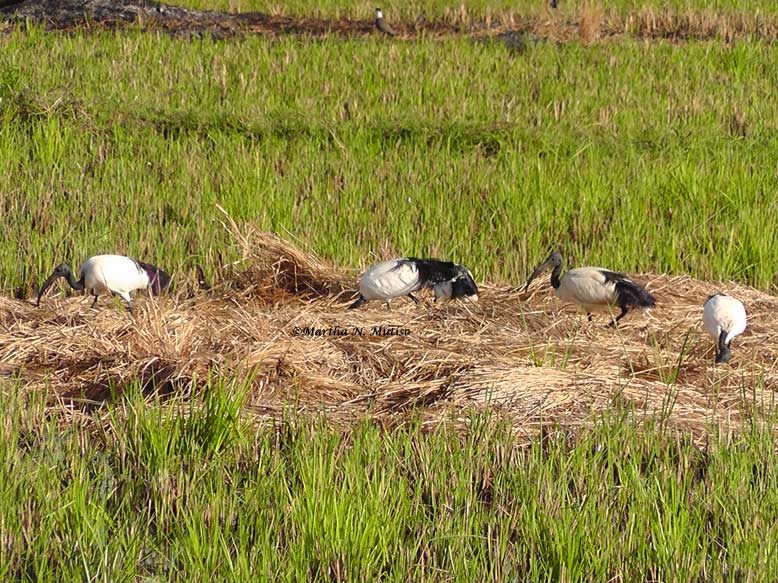
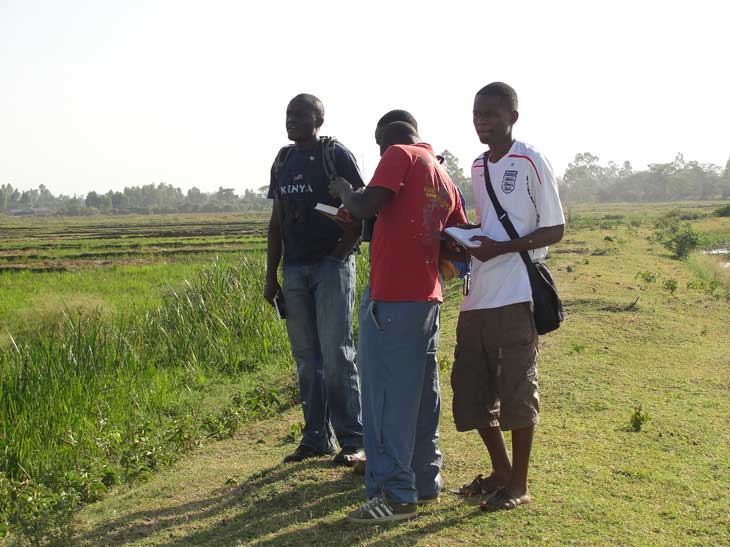
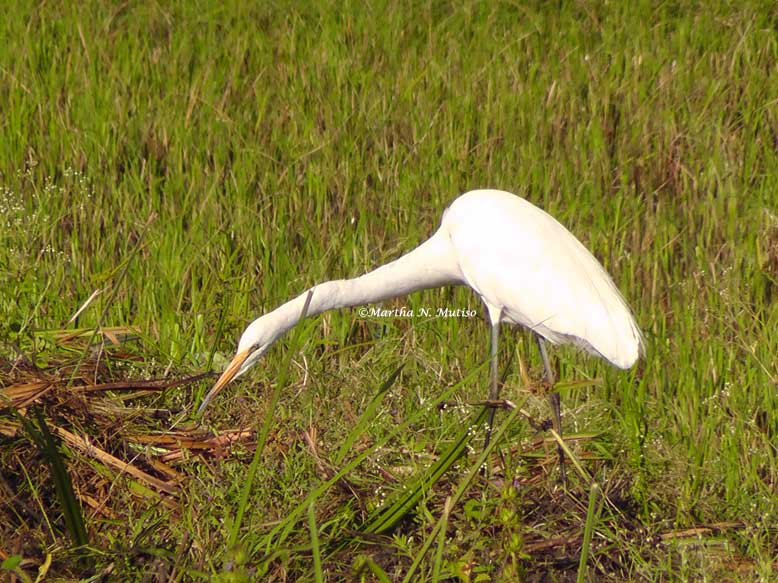
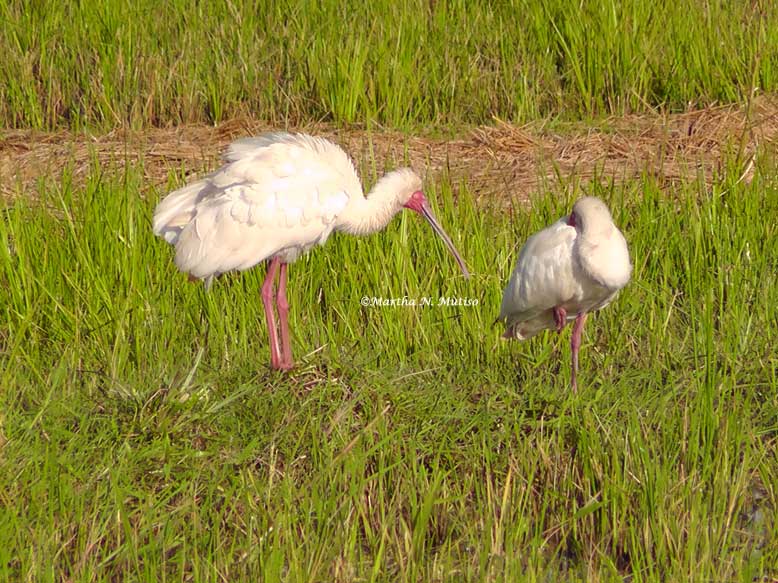
I recently participated in the African waterfowl census that was organized by the National Museums of Kenya. The waterfowl census is a bi-annual waterbirds and wetlands monitoring project in Kenya that has been taking place for the last ten years. It’s a collaboration project between the National Museums of Kenya, Kenya Wildlife Service and Nature Kenya and is coordinated worldwide by the Wetlands International. The National coordinator for Kenya is the Ornithology Section of the National Museums of Kenya and t covers major lakes and other wetlands in Kenya. I got to interact with both past and current CWY participants from two different groups (CWY Ottawa-Kimende and CWY Winnipeg-Kagwe).
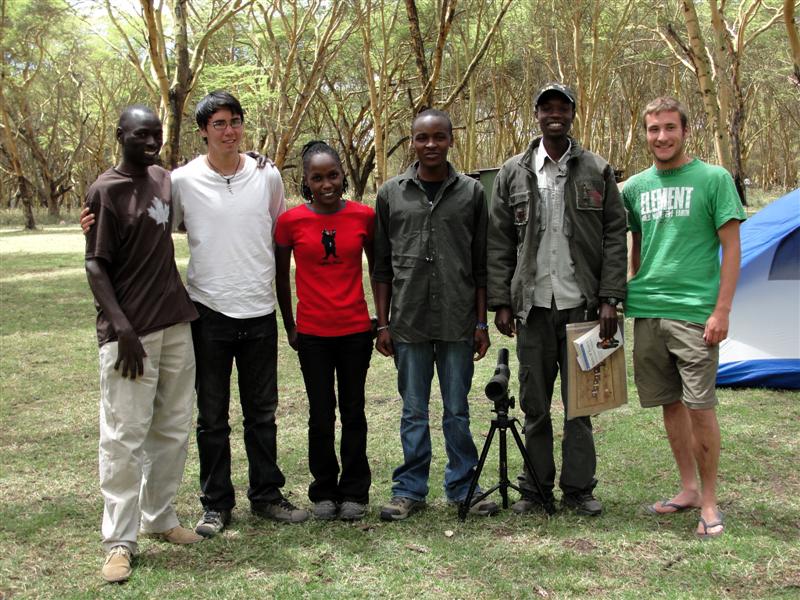 CWY-KENVO alumni at waterfowl census in Lake Naivasha, Kenya-Steve Kamau (2006-2007), Douglas Price (2010-2011), Martha Nzisa (2008-2009), Laban Kamande (2010-2011), Jack Kiiru (2010-2011) and Shane Bureau (2010-2011)
On 29th January, the CWY-Kimende group joined us for an environmental cleanup at the Nairobi Arboretum. The activity was organized by the Friends of Nairobi Arboretum and the Rotaract Club of Nairobi Central. Other youth groups from universities and other conservation organizations around Nairobi also participated. The CWY participants’ presence made a lot of impact in the activity, and they got to interact with other young people from Nairobi.
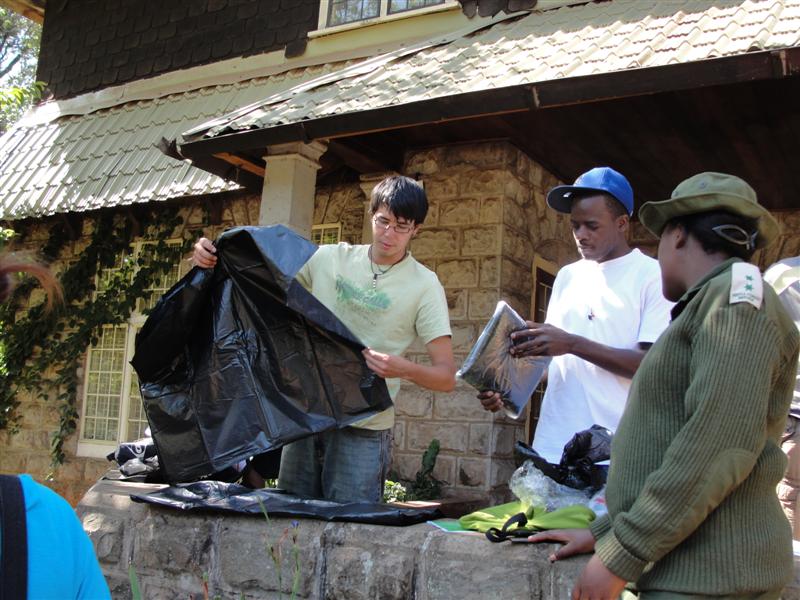 Douglas (CWY-Kimende 2010-2011) distributing garbage bags to other cleanup participants
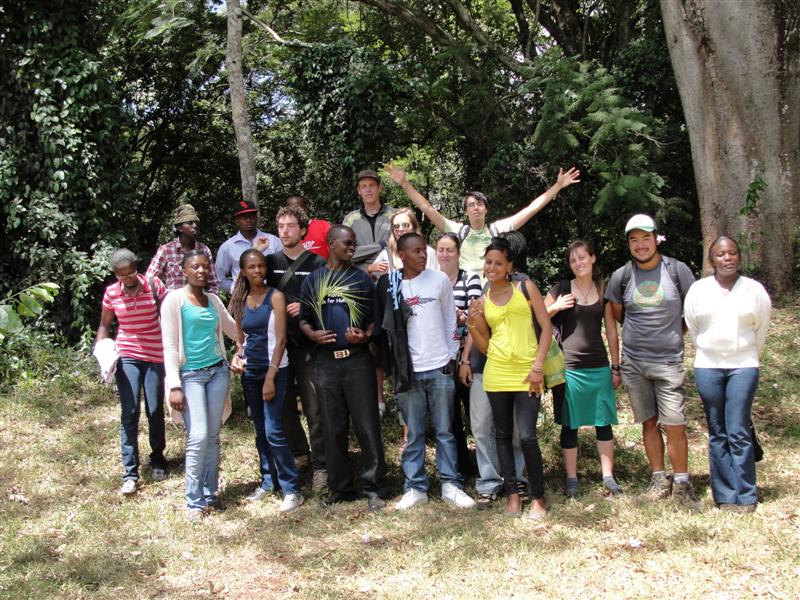 CWY-Kimende 2010-2011 participants after Nairobi Arboretum environmental cleanup in January 2011
On 5th of February 2011, we had a similar activity, an environmental cleanup at the Nairobi City Park, which was organized by the Friends of Nairobi City Park. This time we hosted the CWY-Kagwe group and their enthusiasm and sense of volunteerism had a huge impact in the activity.
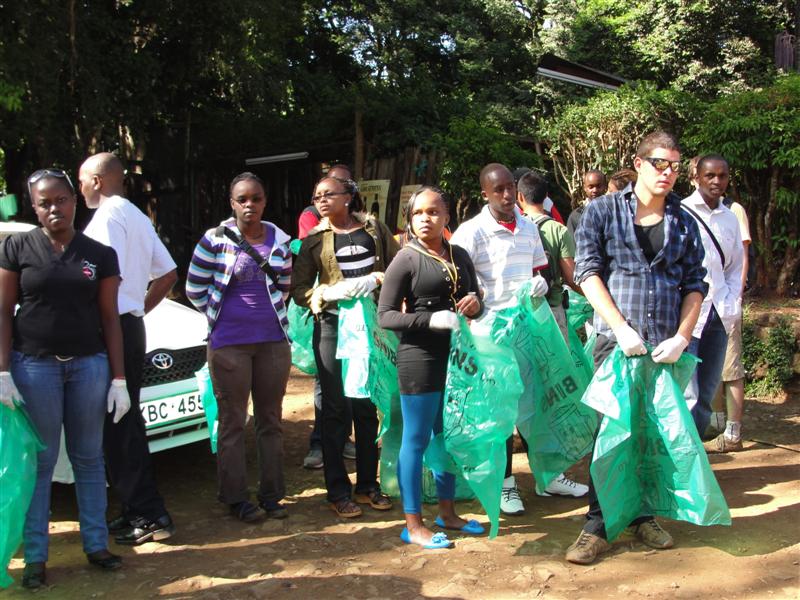 CWY-Kagwe 2010-2011 participants ready for Nairobi City Park cleanup in February 2011
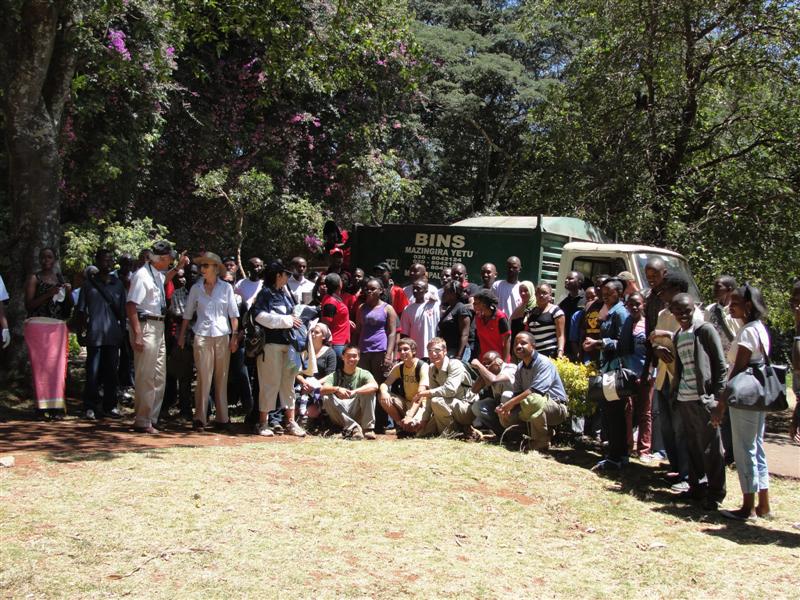 A group photo of CWY-Kagwe 2010-2011 participants and other youth groups from around Nairobi-February 2011
The CWY exchange programs has made it possible for young people from all around the world to live and work in different communities in an active way, learning more about community, culture, conservation, wildlife and international development and gaining important professional skills for the future. I would like to thank the CWY-KENVO group coordinators and project supervisors for letting the groups take part and contribute in various activities in and away from their host communities.
0.000000
0.000000










 Ecoescapades