It’s been a long while since I posted on this space and it’s only fair to follow up from where I left off in my last post – with some colour and fragrance! I have been going to the Orchid Show every year and it keeps getting better and bigger and more creative. I invited my friend to last year’s Orchid Show in Nairobi, and we had an incredible time interacting with different orchid exhibitors, hobbyists, and enthusiasts. He had a blast and made an incredible short film about it. Have a watch…and follow/subscribe to our channels for more wild videos! Read about this year’s Orchid show here.
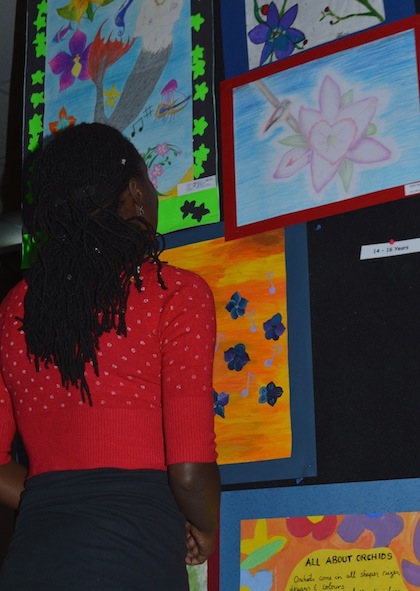
Today’s post is to celebrate colour, shape, size, form, character and diversity of a group of plants called Orchids. The other day I went for an Orchid festival in Nairobi, where orchid enthusiasts and growers come together to celebrate and exchange these beautiful plants. Shortly after that, a friend of mine shared some photos from a photographer who had gotten closer to the orchids’ characters; more than I did mine. And it got me thinking of this post and sharing photos of these lovely flowers.
Orchids have an amazing array of plant sizes, forms and aspects. They are plants of mystery with exotic colour combinations and enticing fragrances. The Family name Orchidaceae is derived from the Greek word Orchis. Orchis means “testicles” and refers to the shape of the tubers of a group of terrestrial orchids.
Orchid flowers can be huge or tiny. As with colour and scent, flower size is influenced by the orchid’s pollinators. Night flying moths are the frequent pollinators of the large sized orchid flowers, while clouds of tiny insects swarming through the forest are the pollinators of the smaller sized orchid flowers.
Some orchids have attractive fragrance and this adds an advantage of luring the pollinators from farther away than visual cues. In the wild, some fragrant orchids will release their perfume to coincide with the time of day when their pollinators are most active. Some orchids have fragrance early in the morning, others during the warmest part of the day and others in the evening after sunset.
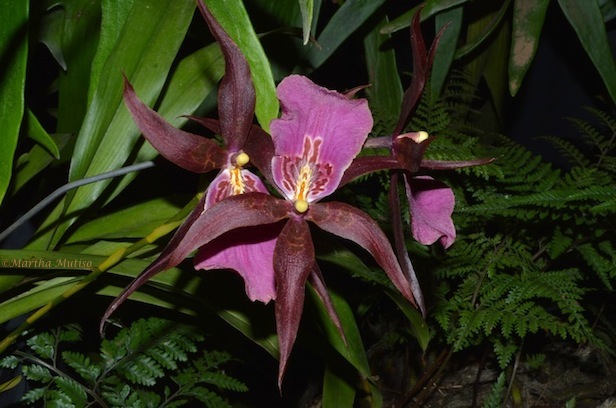
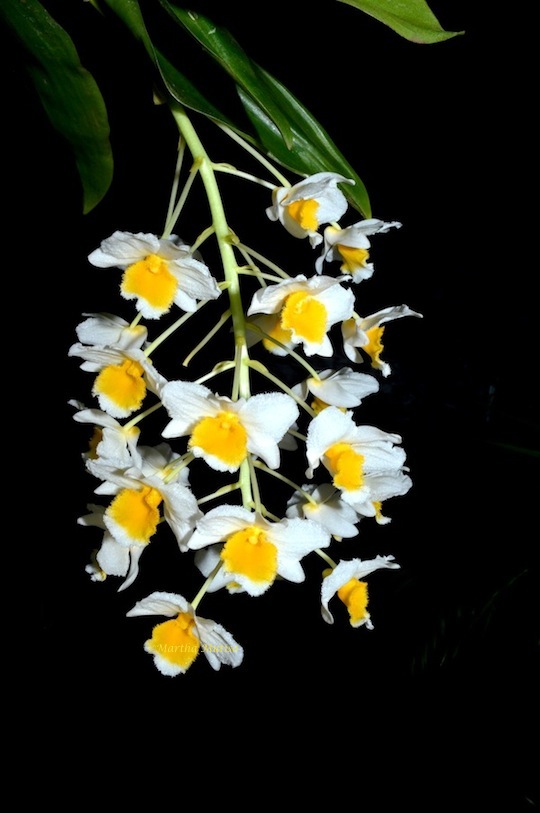
Simply enjoy these colourful and “shapeful” shots that I got from the Orchid festival!
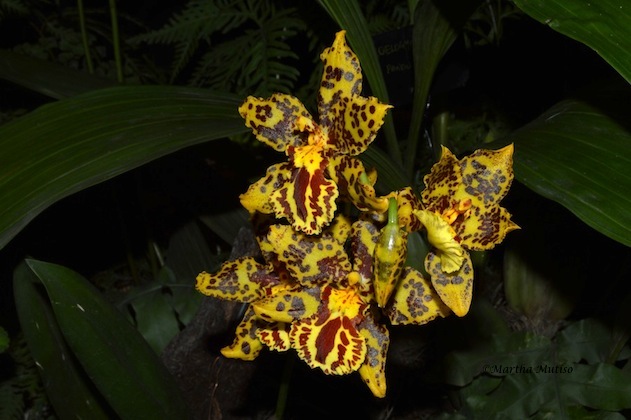
Wildcat
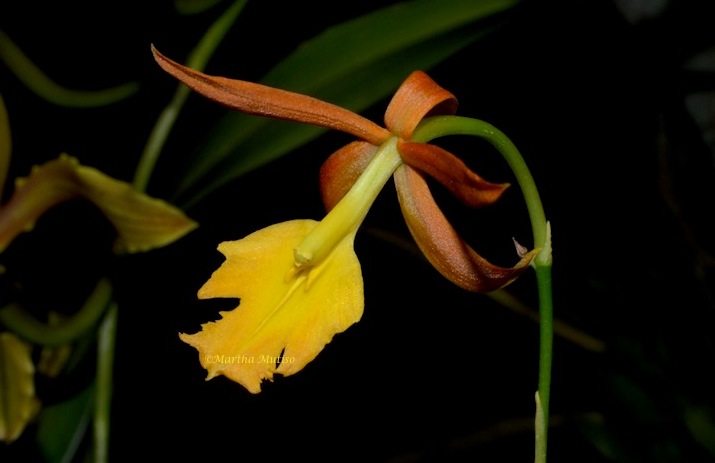
The butterfly orchid often called so because its yellow and brown flowers resemble and insect, from the broad lip to the prominent dorsal sepal and slender upright petals that look like antennae
Tay Sweet King
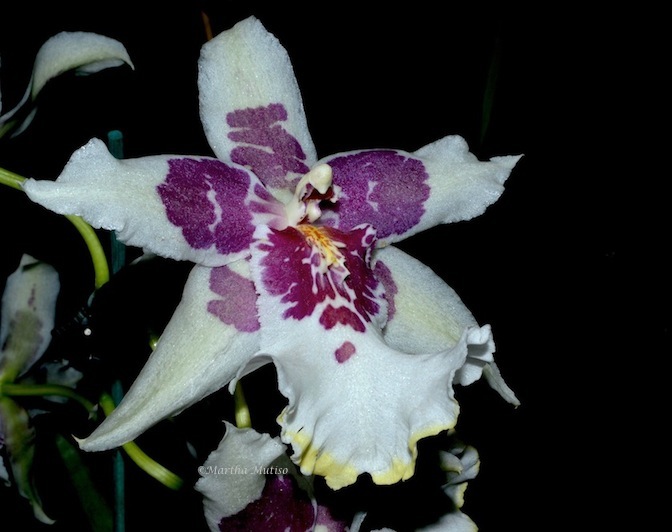
Tahoma glacier
Swiss Beauty
Pink Slipper
Pink delight
Pink dawn
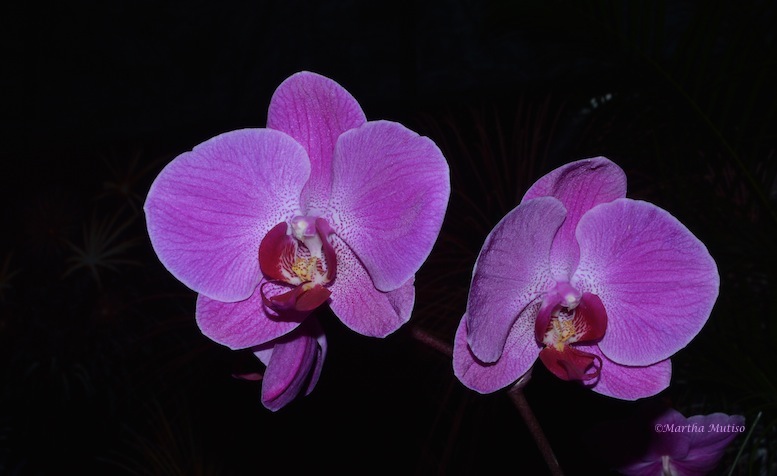
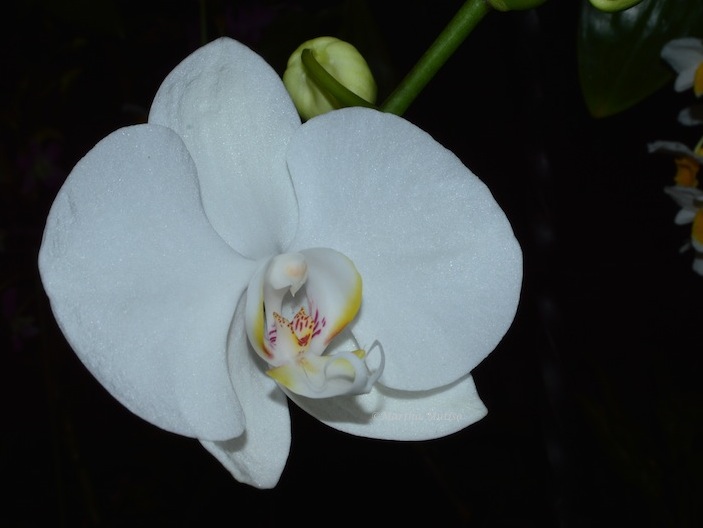
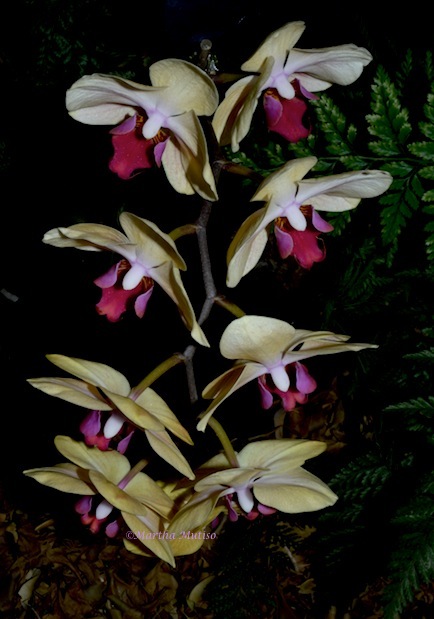
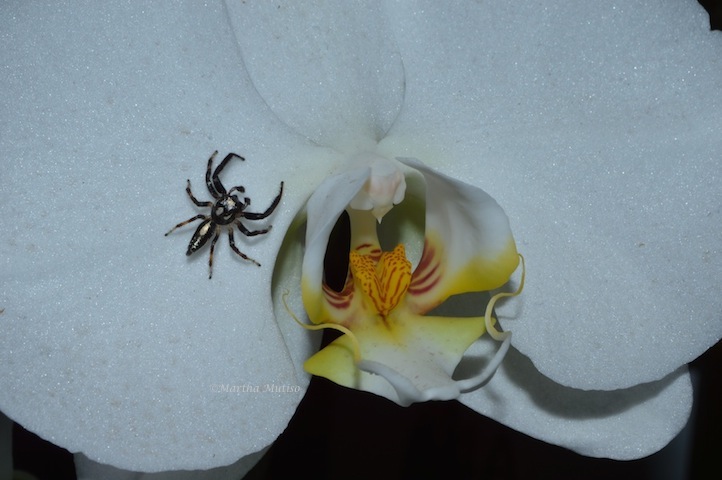
Phalaenopsis-They resemble a winged insect in flight
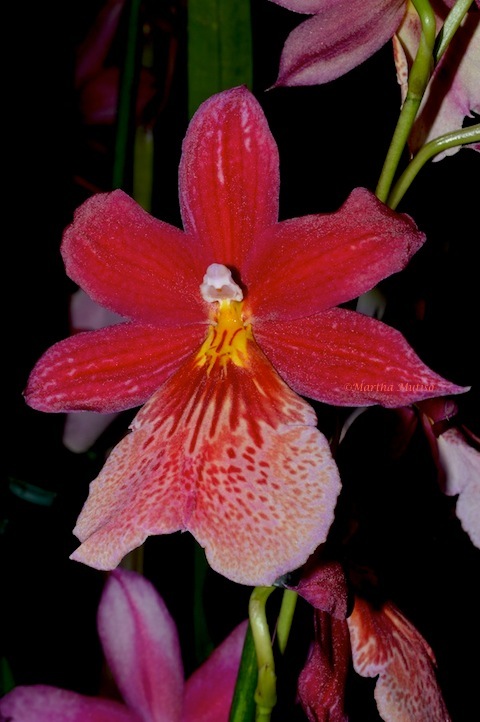
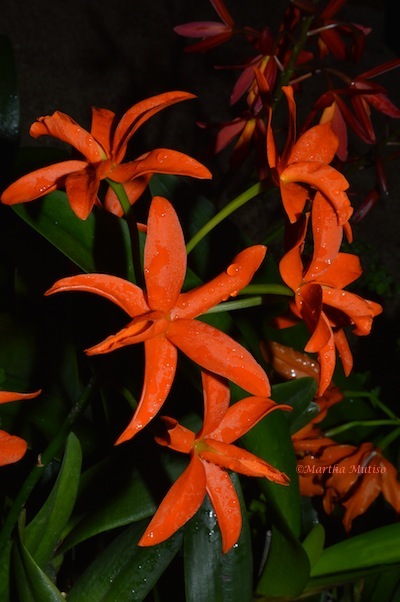
Orange princess
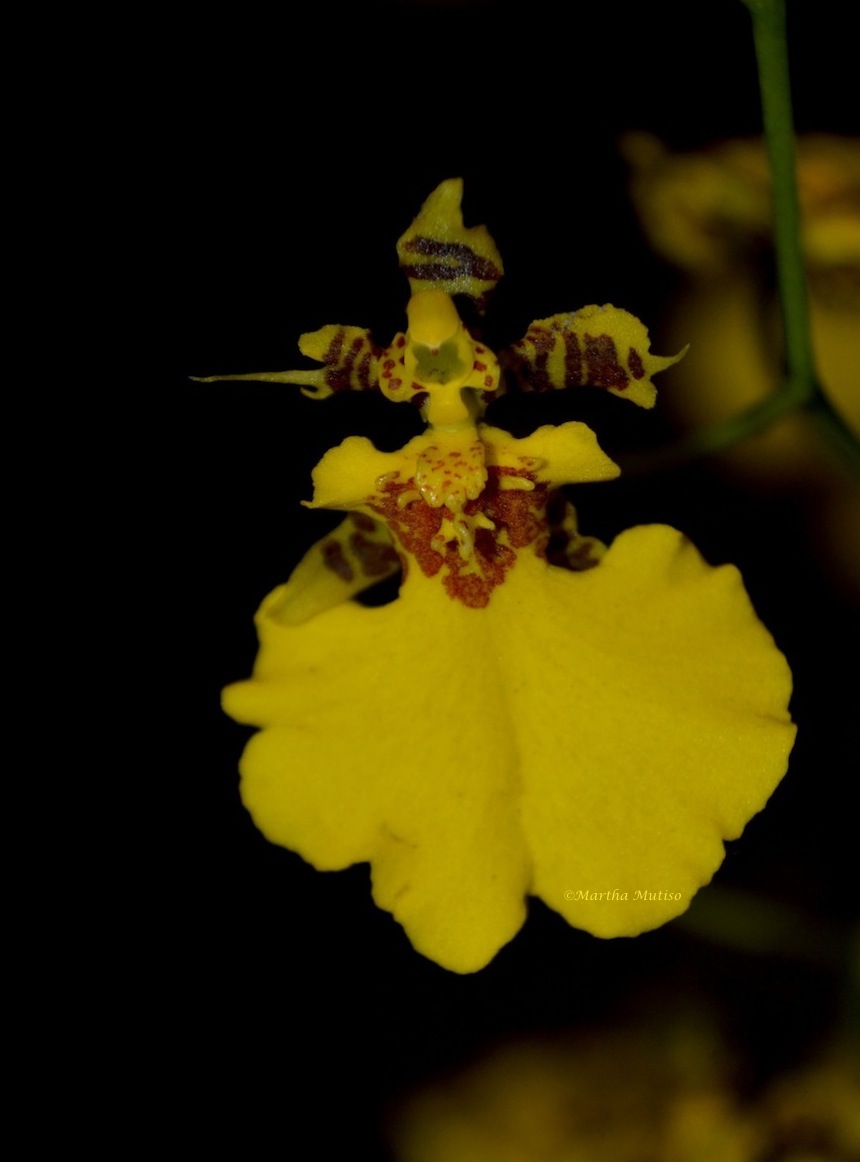
Oncidium Orchid-dubbed dancing ladies, they feature long, arching sprays adorned with numerous flowers with broad lips-the ladies’ skirts-and spreading petals-their arms
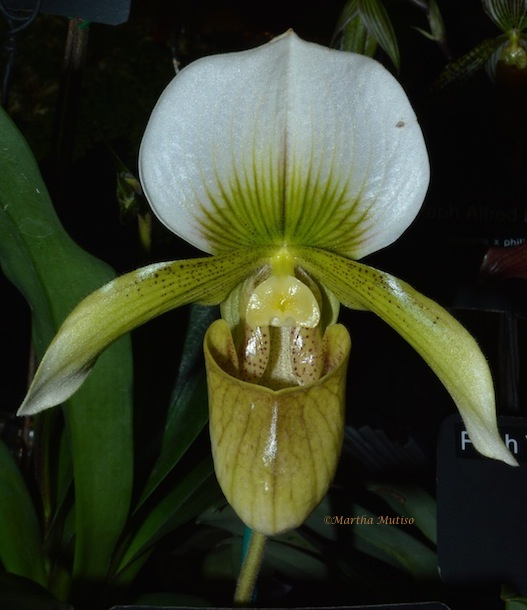
Nicknamed Slipper orchid because the lips are shaped in a pouch that looks like a slipper toe.












 Ecoescapades