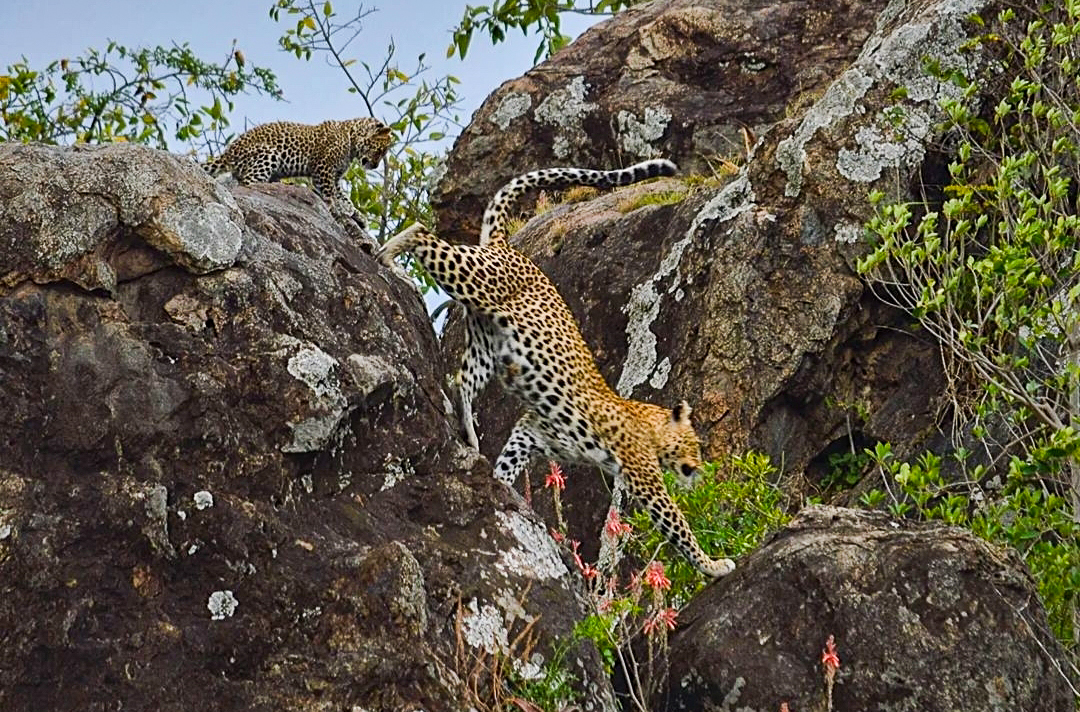
While on an afternoon game drive in Serengeti National Park, we encountered a leopard laying on one of the many rocky outcrops in the park. As we watched it, it slowly sat up, yawned and stared at us. As with nature, we were not quite sure what would unfold before our eyes. From our safari vehicle, we could see that the leopard had a swollen belly; an indication of a pregnancy or a full belly after a good meal. As we debated what the reason could be, we were amazed by a quick entry of a tiny, fluffy ball of presence, that blended well with the rocky outcrop. It was a leopard cub!
Mama Leopard on the move!
After giving birth, leopards hide their cubs for few weeks to protect them from predators. They are then moved from one hideout to another until they are old and strong enough to venture out on their own. Our group was excited about the unfolding scene of the cub playfully jumping around mom and tagging her tail, as if to celebrate her short-lived freedom in the open. This went on for a few minutes until the mom gave her a tender smack, as if to tell the cub to go back into hiding. Witnessing the cub’s playful antics alongside its mom was a special moment for us, a gentle reminder that these cats need our appreciation and protection to safeguard their future.
On this International Day of the Leopard, may we reflect on their beauty and the importance of conserving these them and their habitats. Let’s treasure moments like these, the connection, wonder, and admiration for the wild. Happy International Leopard Day!
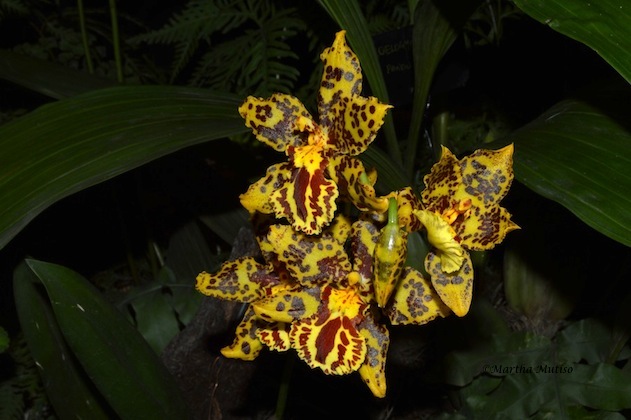
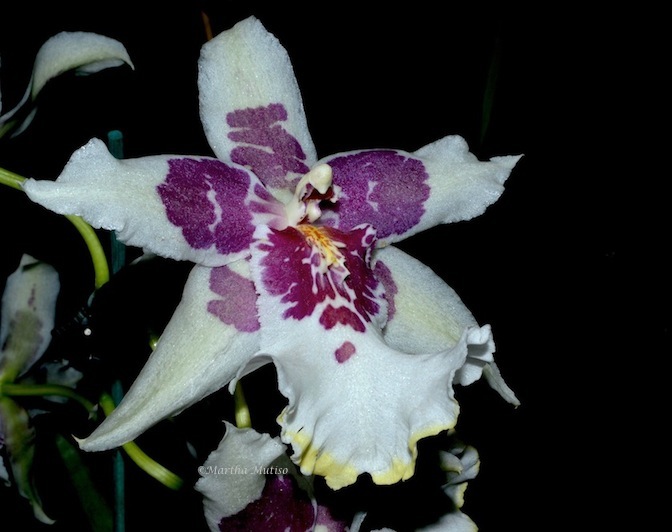
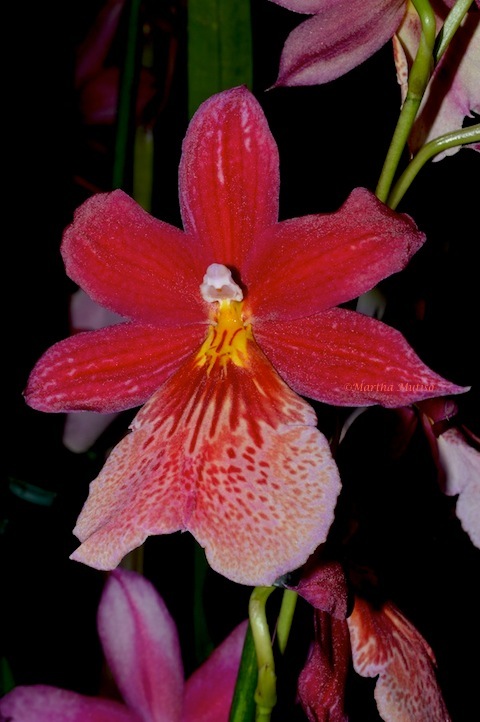
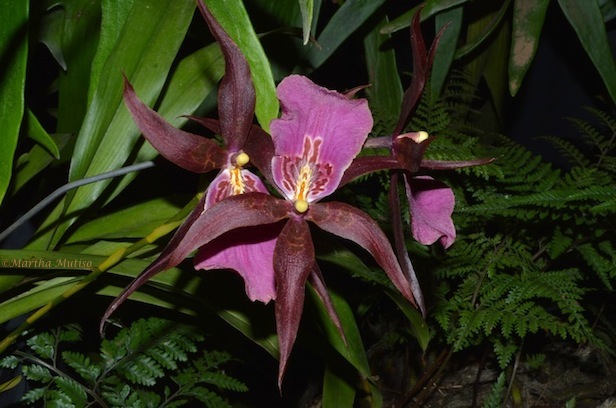
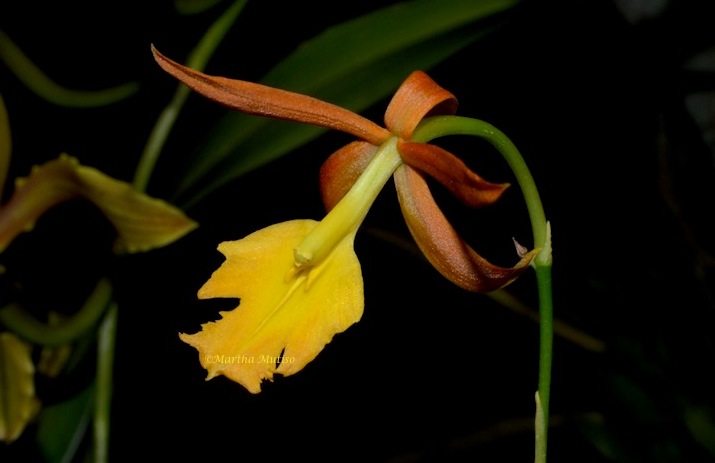
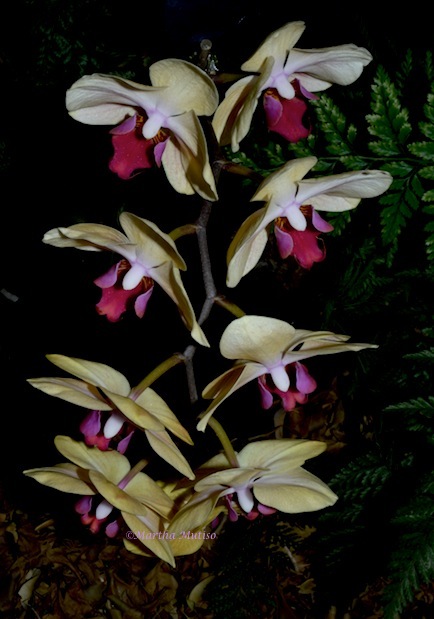
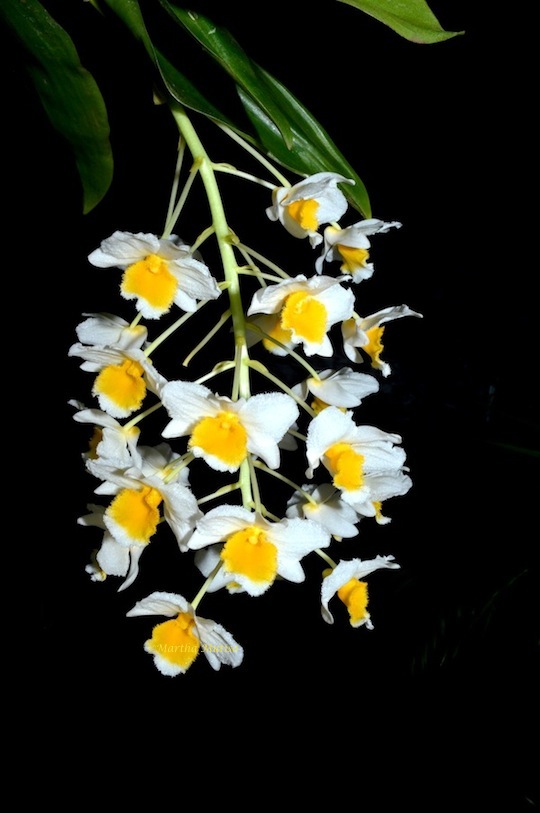
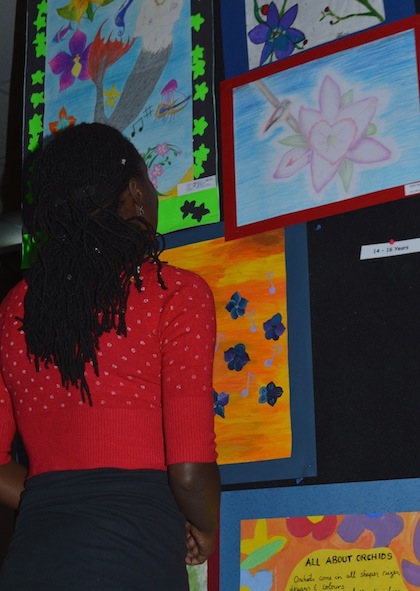
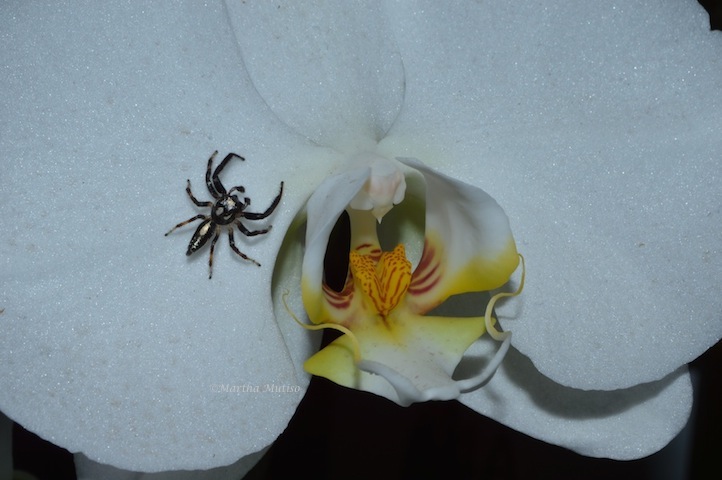
Today’s post is to celebrate colour, shape, size, form, character and diversity of a group of plants called Orchids. The other day I went for an Orchid festival in Nairobi, where orchid enthusiasts and growers come together to celebrate and exchange these beautiful plants. Shortly after that, a friend of mine shared some photos from a photographer who had gotten closer to the orchids’ characters; more than I did mine. And it got me thinking of this post and sharing photos of these lovely flowers.
Orchids have an amazing array of plant sizes, forms and aspects. They are plants of mystery with exotic colour combinations and enticing fragrances. The Family name Orchidaceae is derived from the Greek word Orchis. Orchis means “testicles” and refers to the shape of the tubers of a group of terrestrial orchids.
Orchid flowers can be huge or tiny. As with colour and scent, flower size is influenced by the orchid’s pollinators. Night flying moths are the frequent pollinators of the large sized orchid flowers, while clouds of tiny insects swarming through the forest are the pollinators of the smaller sized orchid flowers.
Some orchids have attractive fragrance and this adds an advantage of luring the pollinators from farther away than visual cues. In the wild, some fragrant orchids will release their perfume to coincide with the time of day when their pollinators are most active. Some orchids have fragrance early in the morning, others during the warmest part of the day and others in the evening after sunset.
Simply enjoy these colourful and “shapeful” shots that I got from the Orchid festival!
Wildcat
The butterfly orchid often called so because its yellow and brown flowers resemble and insect, from the broad lip to the prominent dorsal sepal and slender upright petals that look like antennae
Tay Sweet King
Tahoma glacier
Swiss Beauty
Pink Slipper
Pink delight
Pink dawn
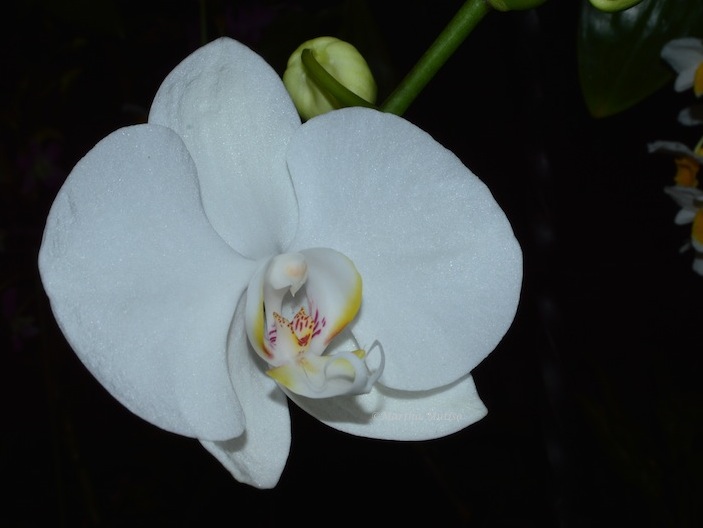
Phalaenopsis-They resemble a winged insect in flight
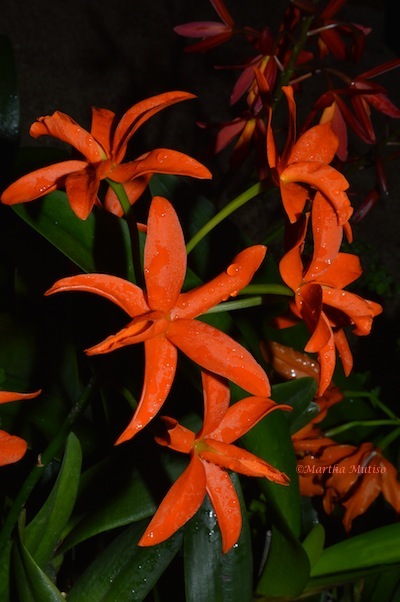
Orange princess
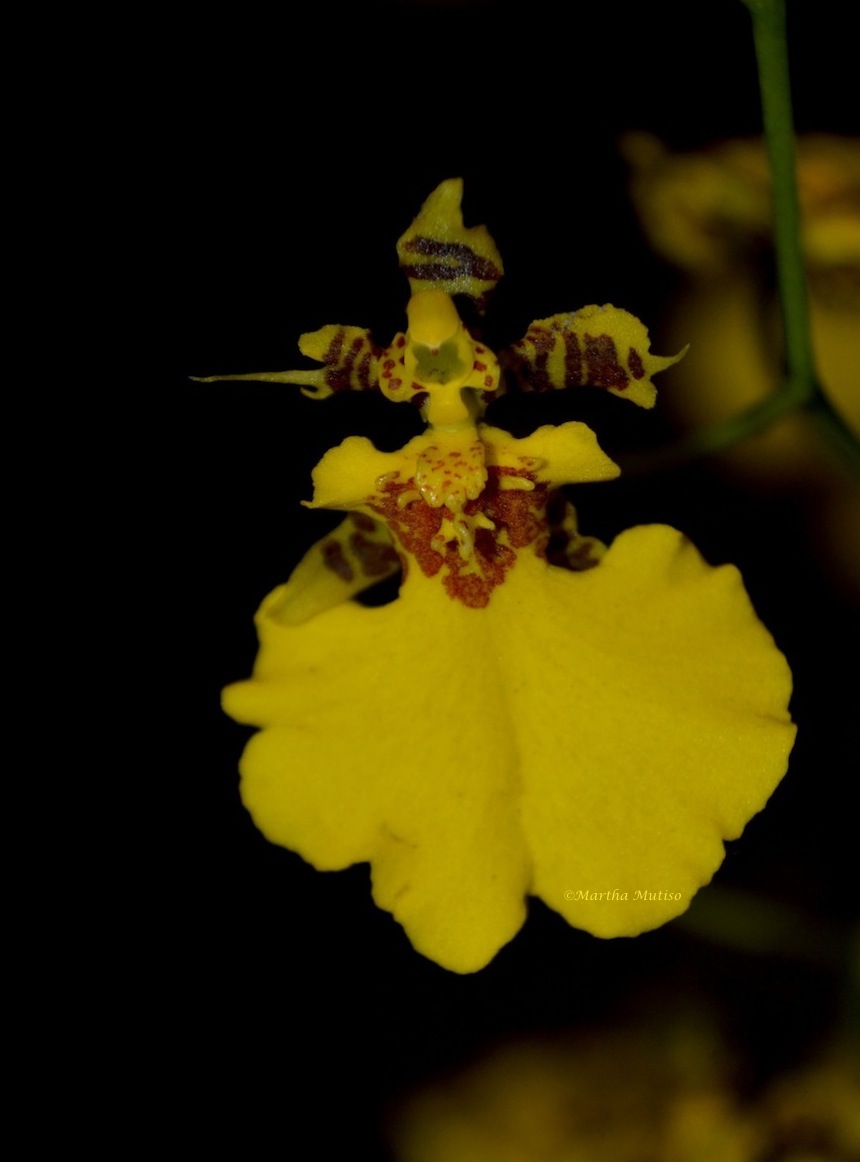
Oncidium Orchid-dubbed dancing ladies, they feature long, arching sprays adorned with numerous flowers with broad lips-the ladies’ skirts-and spreading petals-their arms
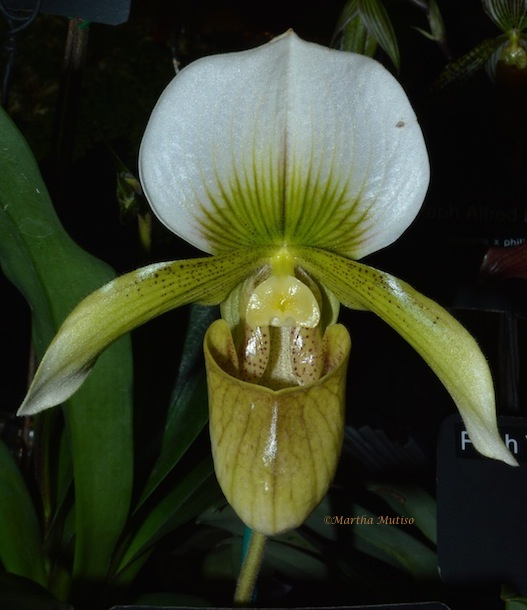
Nicknamed Slipper orchid because the lips are shaped in a pouch that looks like a slipper toe.
Taita Hills is a mountainous area in Southeastern Kenya forming the northernmost outcrop of the Eastern Arc Mountains. The area is favored by regular rainfall and is known for endemic wildlife including African Violets, endangered birds and amphibians. The Taita plains are used mainly for grazing and sisal cultivation, while the hills, which were once covered by large forests, are used for agricultural activities, and more uniquely, they host sites that are considered sacred by the local communities.
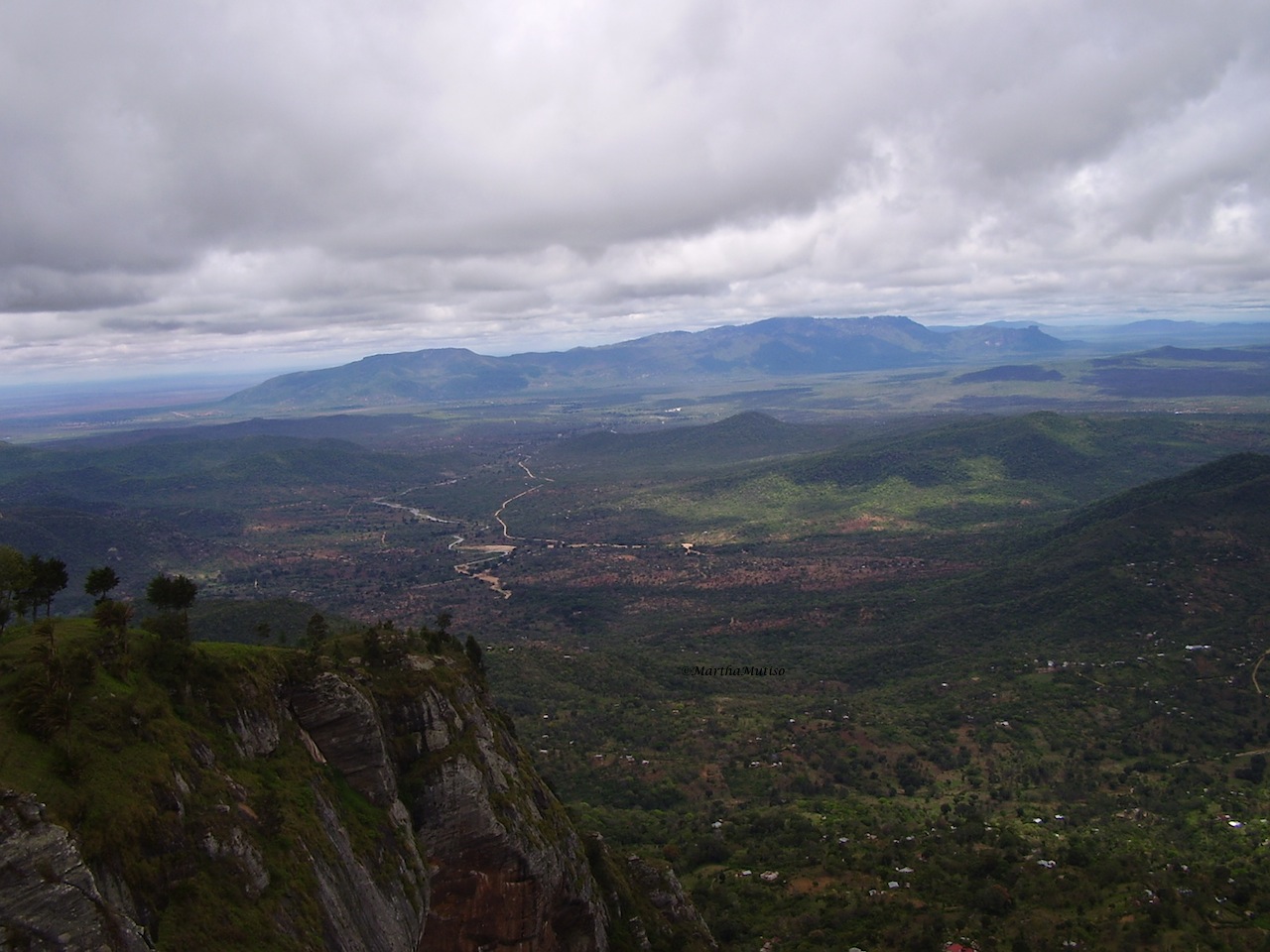
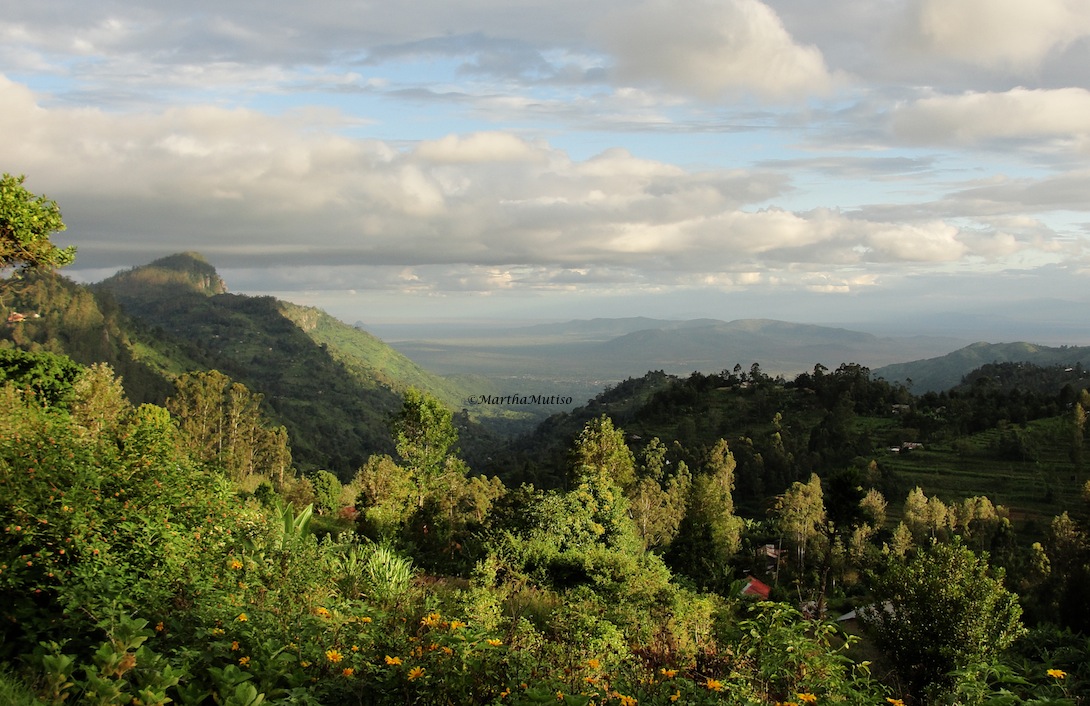
Our journey starts with a short hike to Mwachora hills which, as our guide enlightens us, were where sorcerers were executed-by throwing them over the hill. The local people believed that the sorcerers were evil to the society and this was only punishable by death. From the hills one has a great view of the surrounding towns like Wundanyi and Voi town.
View of Taita environs from Mwachora Hill
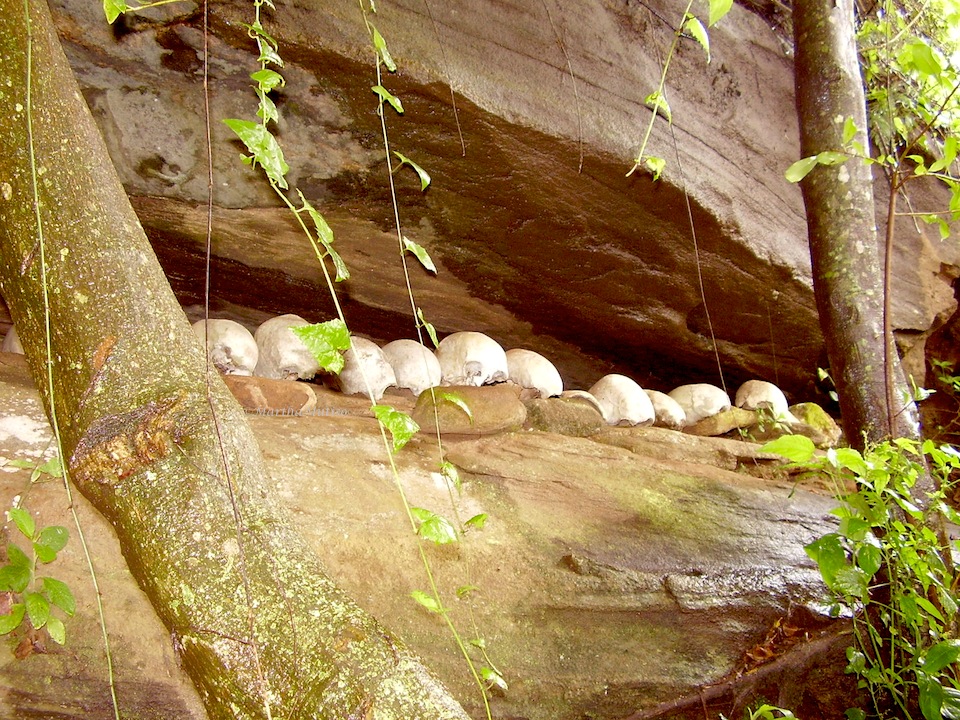
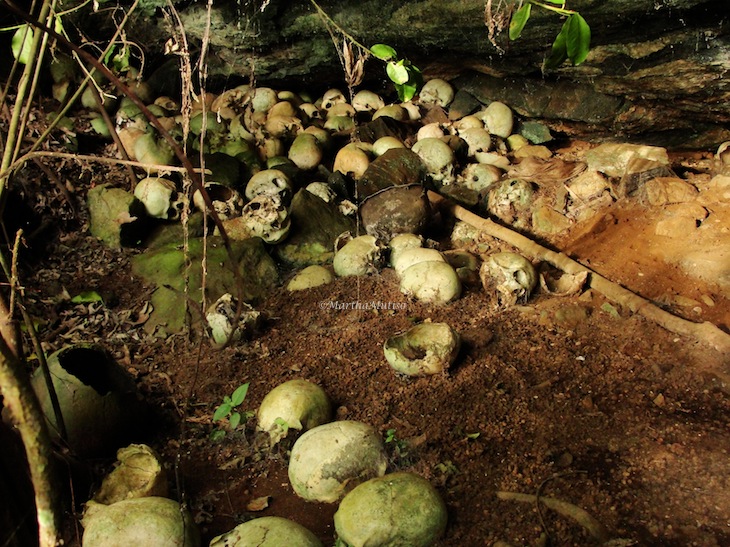
We also get treated to a sporadic chance of visiting the Ngomenyi cave, which is one of the sacred sites of the Taita hills. The cave, like most other sacred caves around the area, is situated in a private farm. We also hike to Yale Hill, where, after maneuvering our way through thick bush, we come to an opening and the guide points out that it’s yet another sacred cave. Both caves are full of human skulls, which are a bit eerie, and are still unspoiled by the local community surrounding them.
Ngomenyi Caves-Taita Hills
The guide highlighted that these caves were the dwelling place of their Higher Being, called Mulungu; the ancestors’ spirits were also called milungu. It was in these caves that sacrifices were conducted in cases of famines, epidemics, drought and sicknesses. Sacrifices in form of slaughtered goats were offered to the spirits of the dead. A council of elders conducted these sacrifices. Incase of domestic affairs sacrificial ceremonies were conducted by an elder of a home or a village and by a clan elder in charge of general clan affairs. Local brew, sheep and goats were offered. The sacrifices were meant to end disasters by appeasing the ancestors’ spirits and were offered in these caves, which are also considered as shrines.
Yale Cave-Taita Hills
Asked about how the skulls got to the caves, our guide says that they were normally placed there after someone died. After burial they would wait until at least a month was over and then they would exhume the body and remove the head, which only belonged to an old person or a village hero and kept in the caves. They believed that the birth of an albino or child with any form of disability was a curse and was not allowed in the public; even after death, an albino or disabled person’s body would not be exhumed. This tradition however, has changed and people with disabilities are no longer considered as curse.
View from Yale Hill, Taita
These ancient traditions and taboos surrounding these sites have so far demanded respect for nature, or simply kept people away from these sites because nobody was supposed to cut trees or collect firewood from these “holy places”. This in turn has led to the conservation and preservation of the hills and indigenous knowledge. However, many of the sites are now under threat as the traditional practices and activities fade and pressures from natural calamities like landslides, development and tourism increase. Some of these caves are also threatened by direct destruction by people, a threat that the local guides are currently addressing through educational programmes to schools on the importance of such sites in the area.














 Ecoescapades