Greening Kereita Forest

After the recently launched International Day of Forests, the tree planting campaigns and activities have intensified. It was a great day for greening the Kereita forest, which is one of the Important Biodiversity Areas in Kenya. The tree planting exercise was led by the Kijabe Environment Volunteers in collaboration with the Rotaract Club of Nairobi Central members and more than 2000 indigenous trees planted.

This slideshow requires JavaScript.

Waterfowl Census at Lakes Elementaita, Oloidien and Naivasha

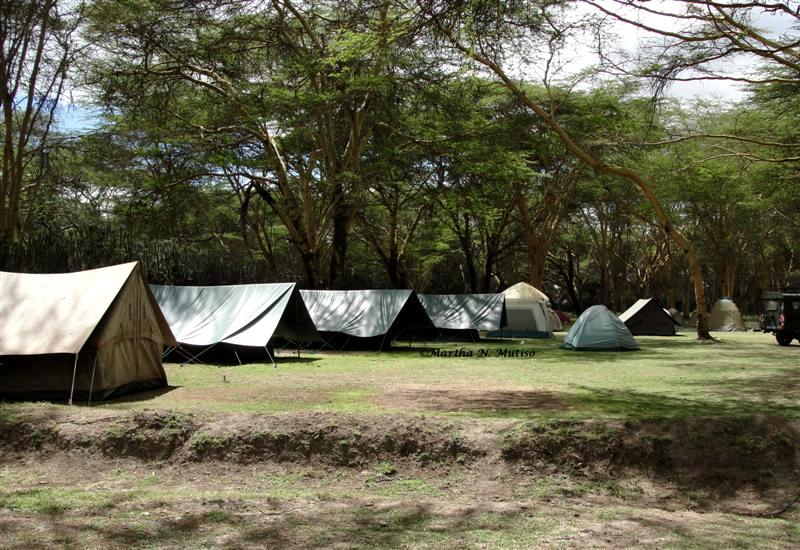
During the counts we set camp at the Kenya Wildlife Service Training Institute annex campsite. We had a larger group as we covered four lakes; Lake Elementaita, Lake Sonachi, Lake Oloidien and Lake Naivasha, which is the main lake.

The campsite

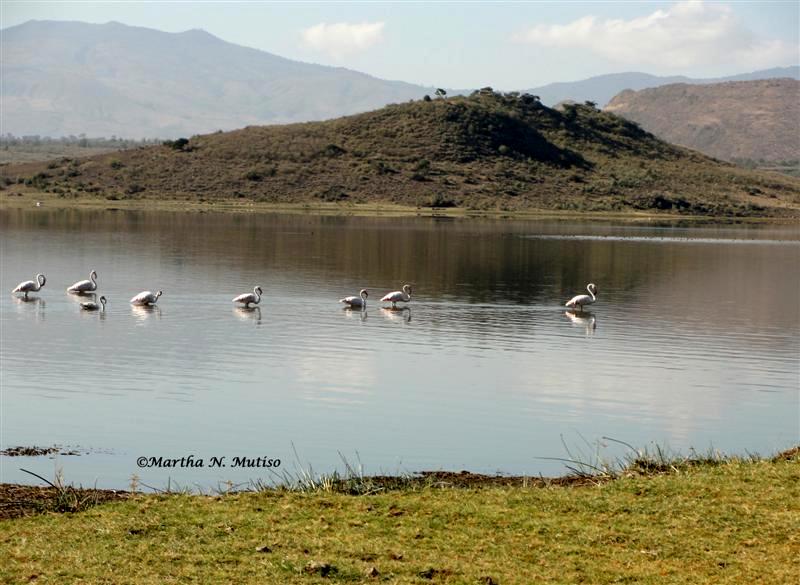
Lake Elementaita is a soda lake and the only breeding ground for the Great white Pelicans in Kenya and neighbouring countries. The lake attracts visiting flamingos, both the Greater and Lesser varieties, which feed on the lake’s crustaceans, insect larvae and on its suspended blue-green algae. Lake Elementaita is a Ramsar site and a Wetland of International importance.

Greater flamingos in Lake Elementaita

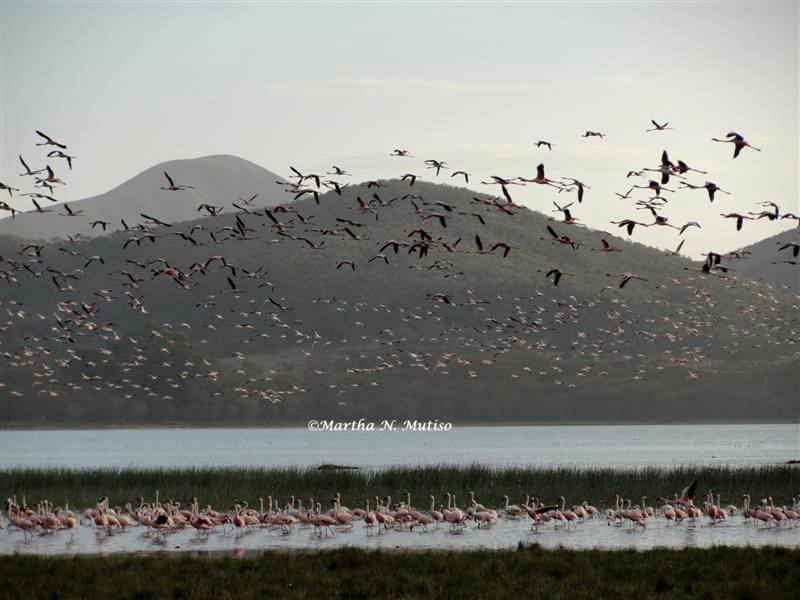
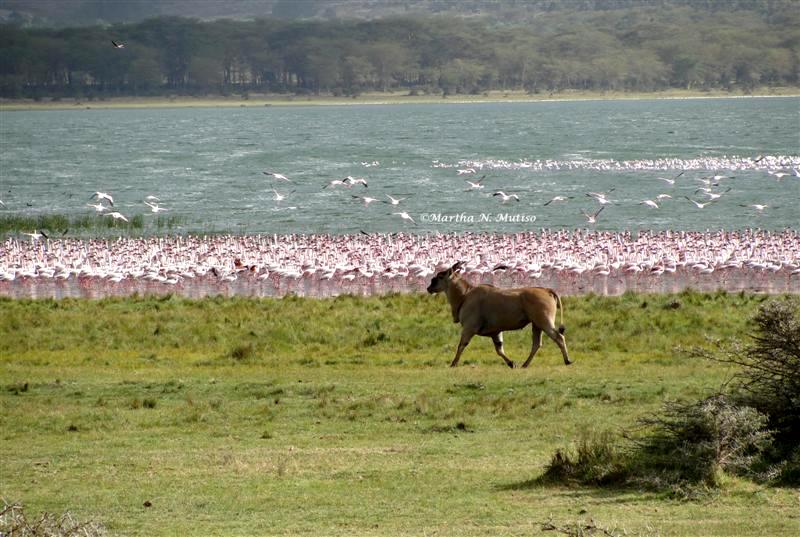
Lake Oloidien is a volcanic crater lake found at the south west corner of Lake Naivasha, home to Kenya’s largest flower farms. Oloidien, which used to be connected to Naivasha, has been going saline since its water levels fell and it became a separate lake in 1979. In 2006 it passed the salinity mark and began to produce bacteria called spirulina, a microscopic blue-green algae and the main food for Lesser Flamingos. The lake had thousands of flamingos, which have migrated from Lake Nakuru due to high toxicity levels in their natural home at Lake Nakuru.

Lesser Flamingos at Lake Oloidien

An Eland and Flamingos at lake Oloidien

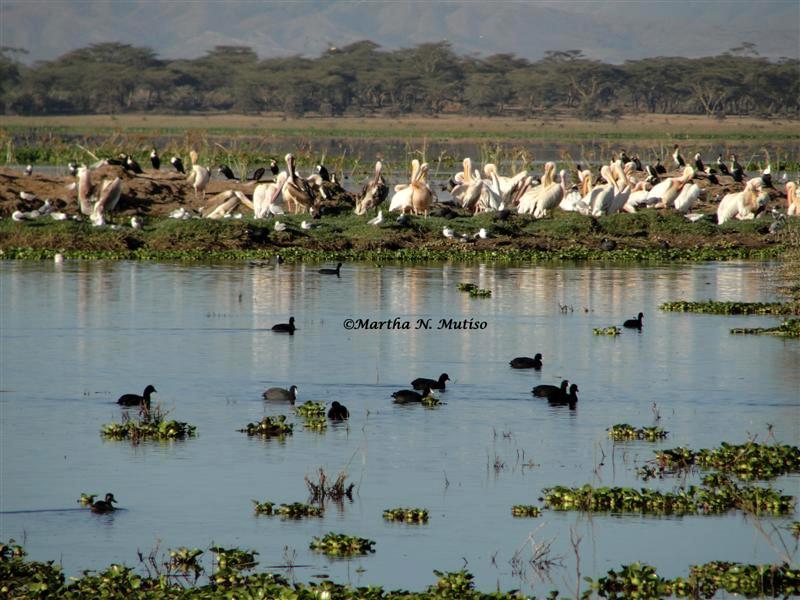
Lake Naivasha is a fresh water lake which was designated as a Ramsar site in 1995 and is managed by the local property owners under the Lake Naivasha Riparian Association formed in 1934. The lake provides diverse habitats for a variety of mammals, birds and fish. The lake didn’t have many flamingos, although the population of resident and migratory ducks and other waders was impressive.

Great White Pelicans, Cormorants, Coots and other waders at Lake Naivasha

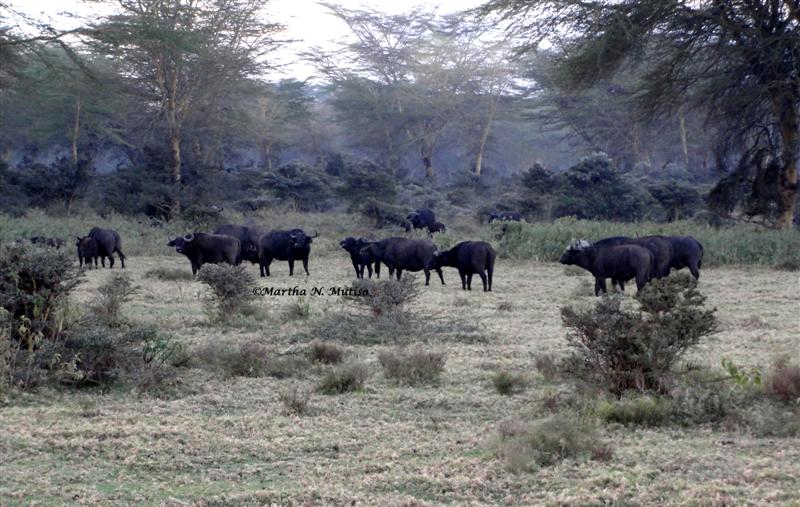
Buffaloes near the lake, they watched as we counted the birds..

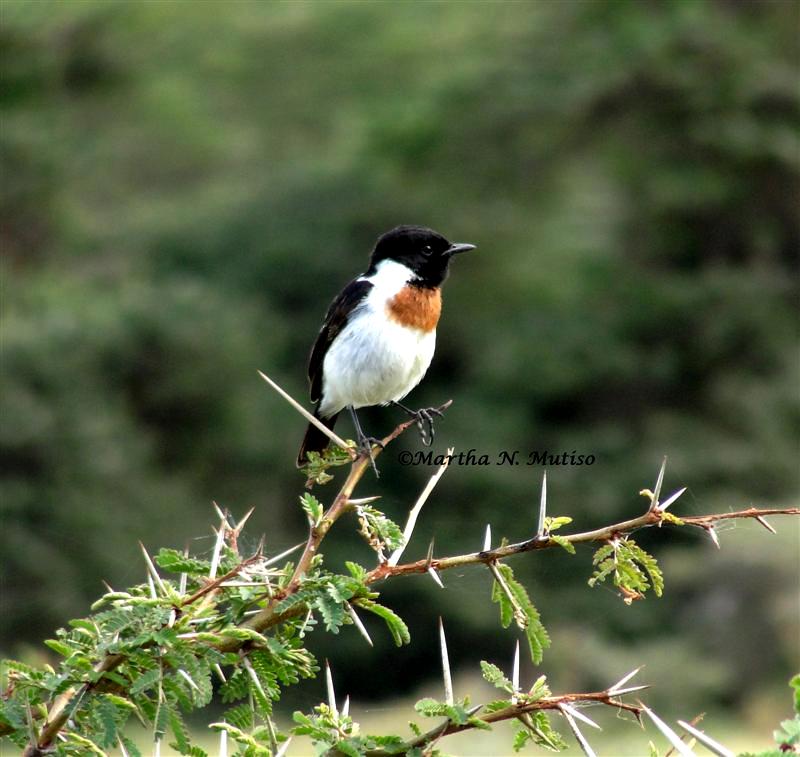
A Common Stonechat near the lake

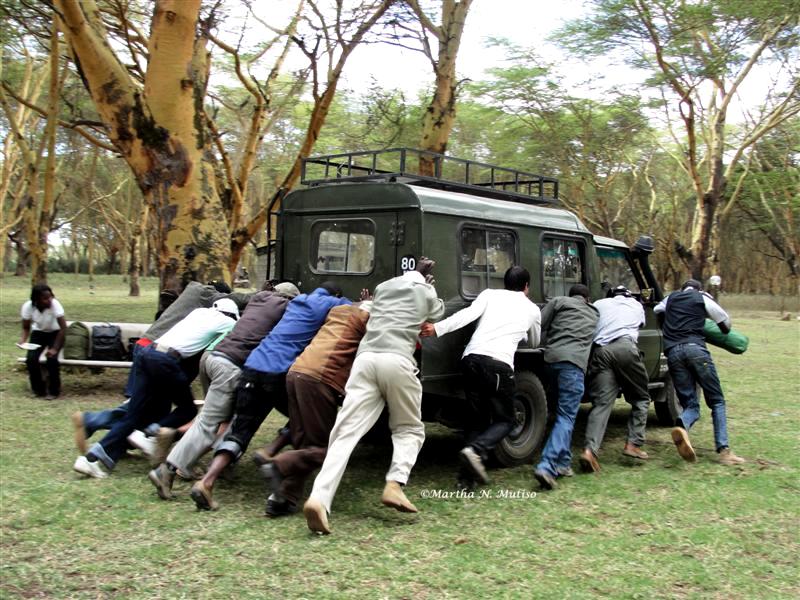
One of the cars, which had to be given a push before boarding it

Lake Naivasha’s biodiversity is critically threatened by habitat destruction; pollution from pesticides, herbicides and fertilizers; and water abstraction. A population of over 250,000 people lives around the lake. The population has converted wetlands into agricultural lands, residential areas, and tourist hotels. The continued harvesting of papyrus along edges has also destroyed the natural state of the lake.

Waterfowl Census at Lake Nakuru National Park

The second counting destination is Lake Nakuru, which is an alkaline lake in the Rift Valley. It is also designated as a Ramsar and a world heritage site. The lake has been the home for lesser flamingos for many years. However, this time around there were more pelicans and storks than flamingos. The inflow of fresh water has led to the dilution of the water salinity hence reducing the production of blue algae, which is the main food for the flamingos.

So we counted fewer numbers of flamingos than previous years, and the pelicans and other waders seemed to be doing well in the lake. Here are some images from the census. The flamingos have then shifted to the neighbouring Lake Oloidien.

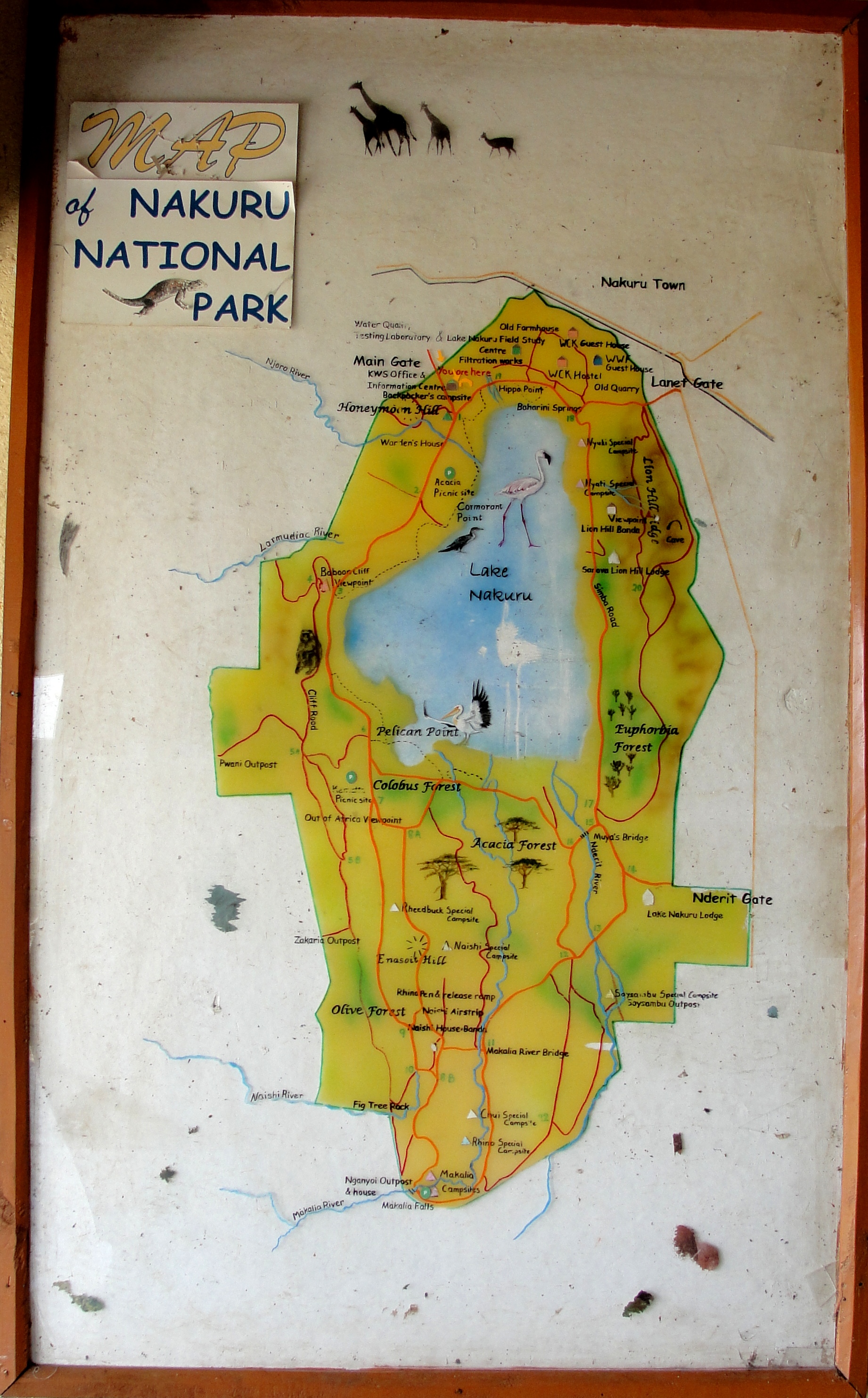
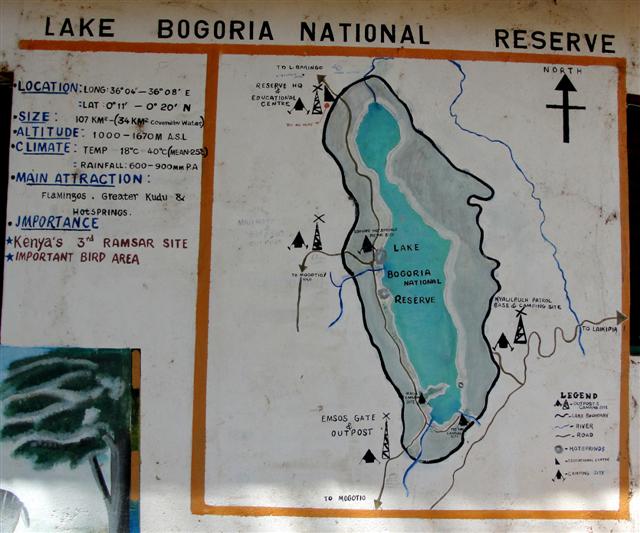
A map of the lake

Sunset

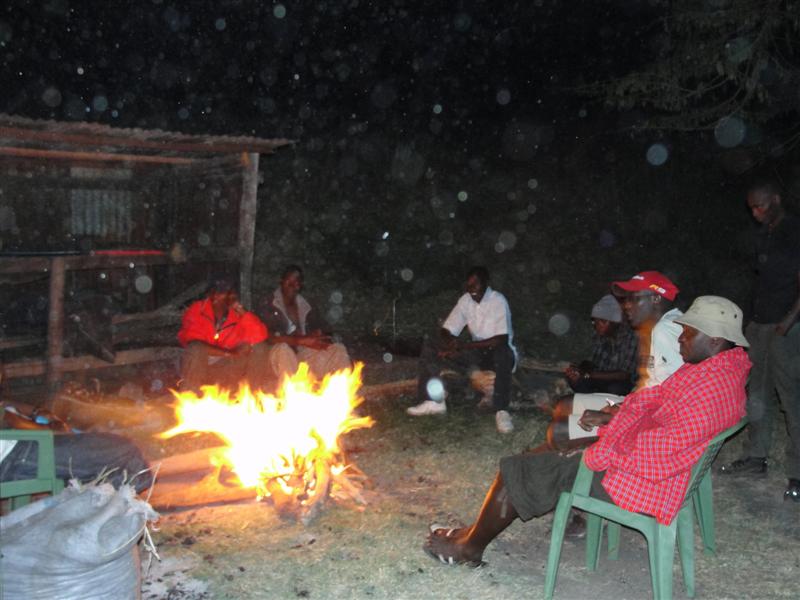
Campfire

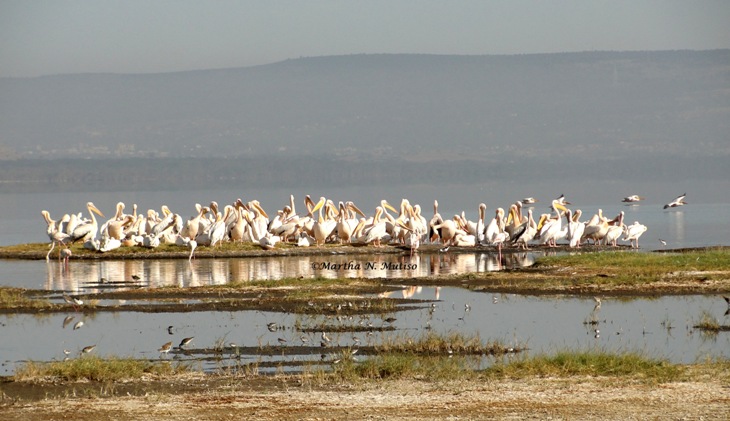
Great White Pelicans

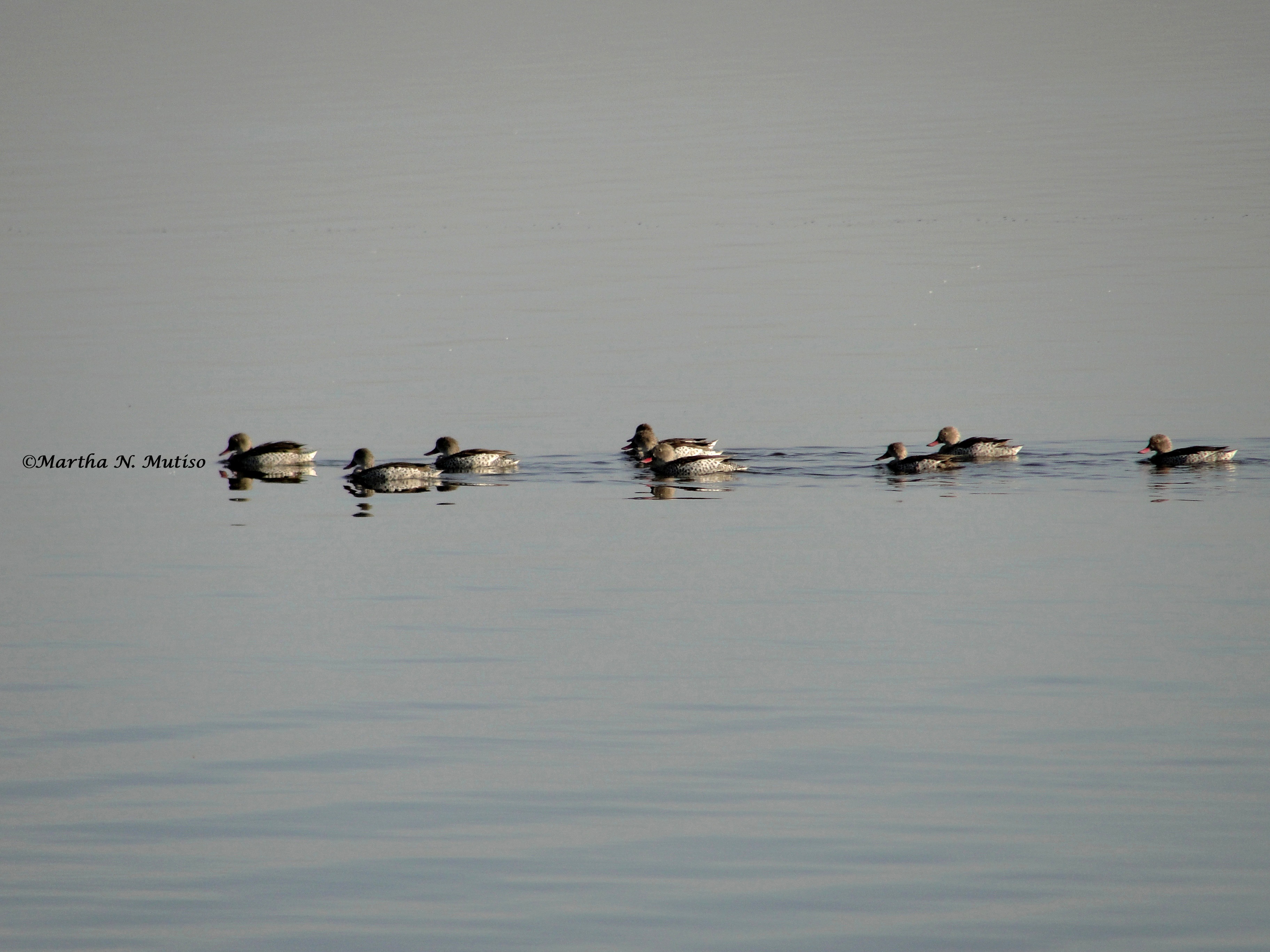
Cape Teals

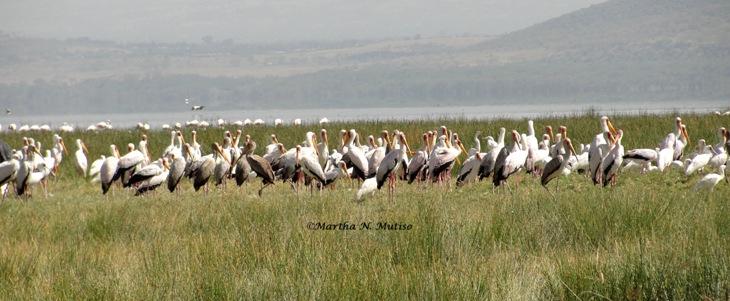
Yellow-billed Storks

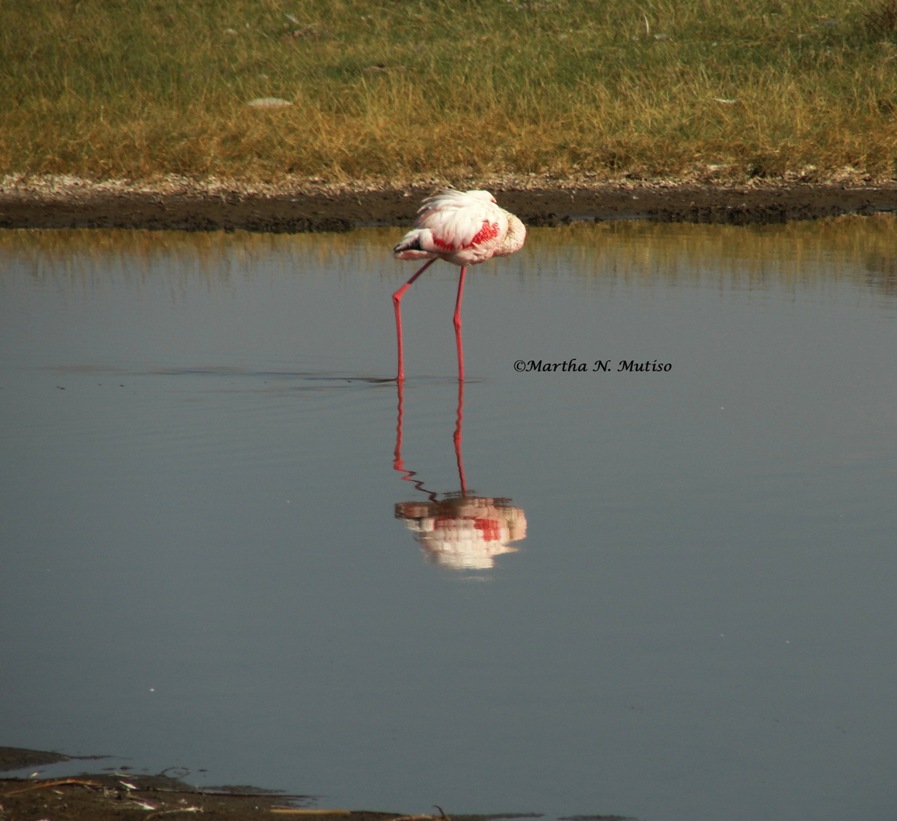
This flamingo was walking with its head tucked under the wings..

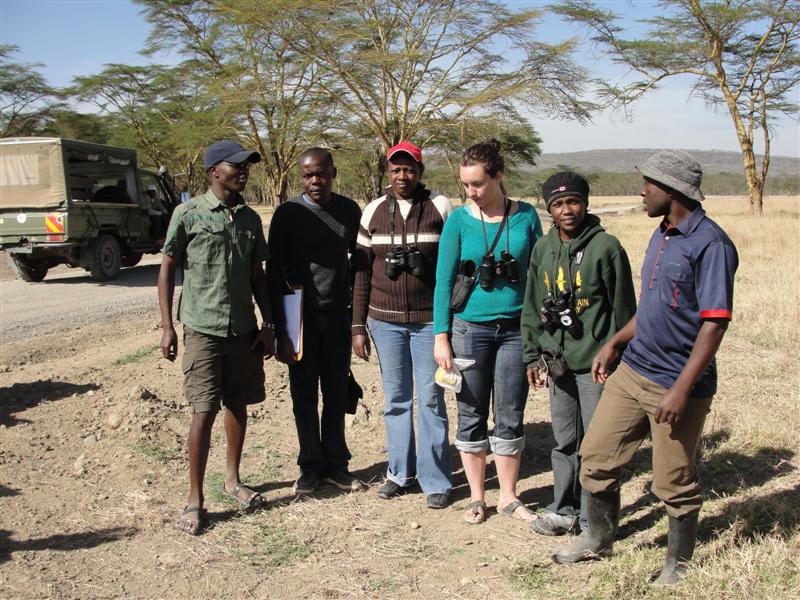
With my counting group; Peter, Dennis, Anita, Manon, and Fred

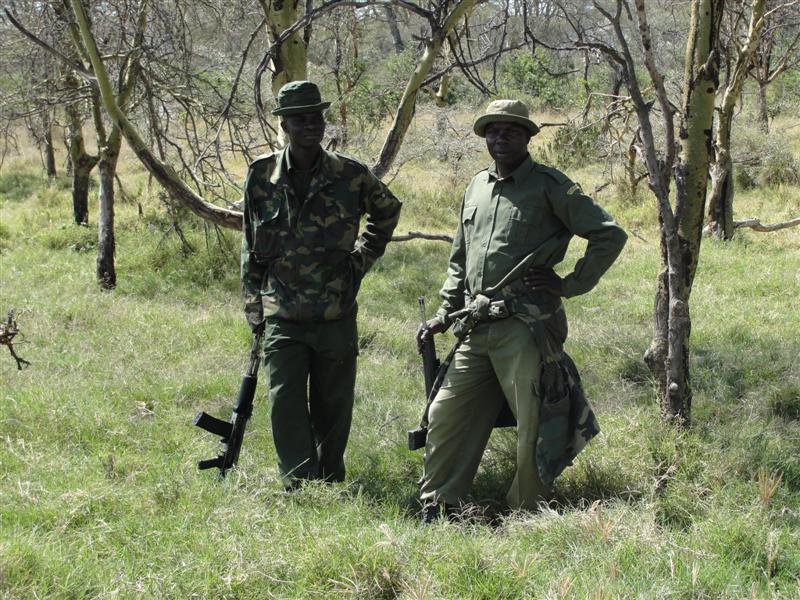
Kenya Wildlife Service Rangers watching out for the buffaloes

Waterfowl Census at Lake Bogoria National Reserve

The African waterfowl census is an ongoing waterbirds and wetlands monitoring project in Kenya that has been taking place for the last ten years. It’s a collaboration project between the National Museums of Kenya, Kenya Wildlife Service and Nature Kenya and is coordinated worldwide by the Wetlands International. The National coordinator for Kenya is the Ornithology Section of the National Museums of Kenya. It covers major lakes and other wetlands in Kenya. The main idea is estimation of bird numbers in a particular wetland. A short briefing is normally held prior to the counting activity and this is used to familiarize the participants with water birds and other monitoring techniques. The participants are then divided into smaller groups and cover a certain area of the wetland.

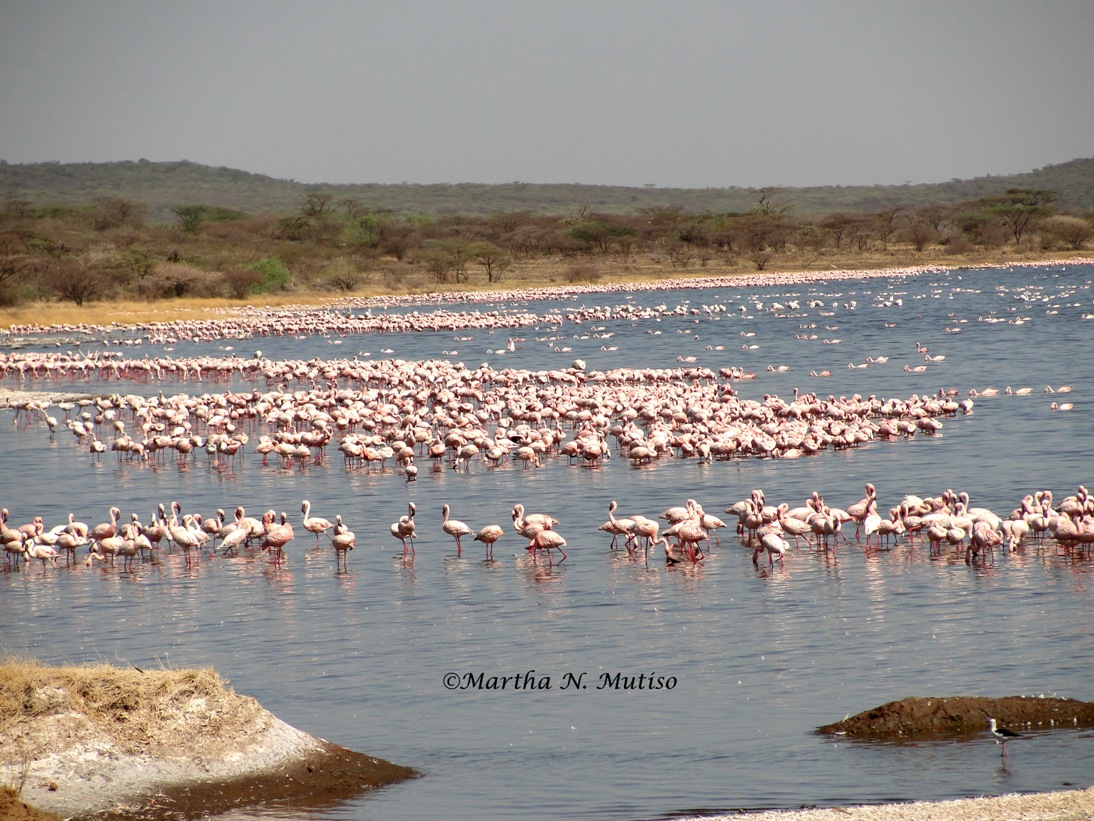
The first counting site this year was Lake Bogoria in Rift Valley. Lake Bogoria is an alkaline lake is currently home to one of the world’s largest populations of flamingos. It also has the highest number of hot springs and geysers in Kenya. The water level is high this year and most of the hot-springs are covered. Apart from the flamingos, other waders are also found in and around the lake, these include Plovers, Storks, Sandpipers and birds of prey, some of which are Eurasian migrants. Below are some images from Lake Bogoria.

An artistic image of the lake

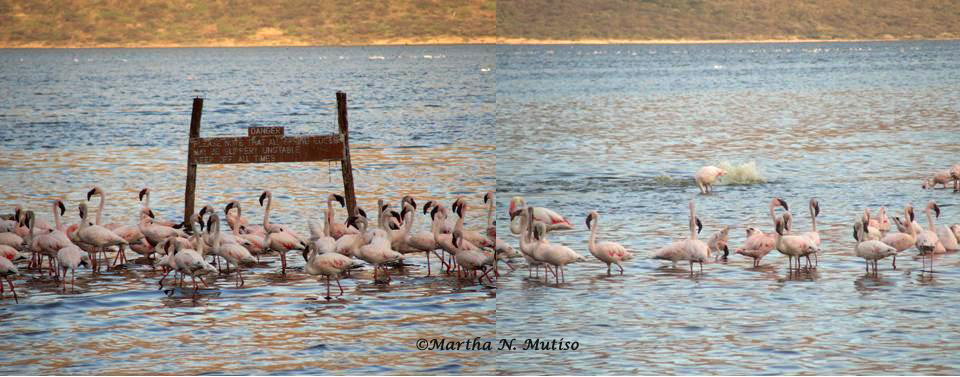
Lesser flamingos and greater flamimgos on part of the lake

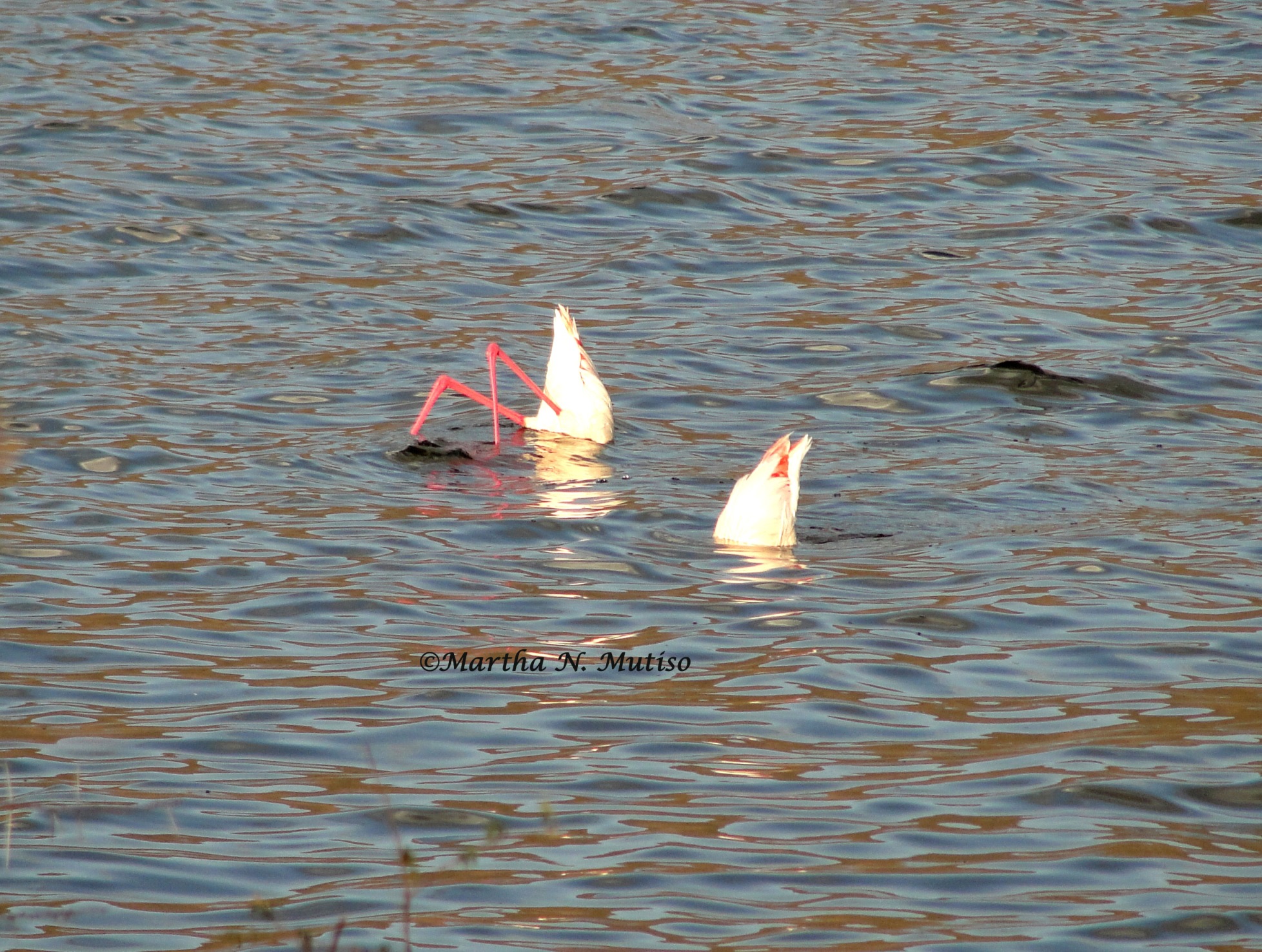
Greater flamingos feeding in the lake

Hot-springs fully covered by water. The post is normally not in the water.

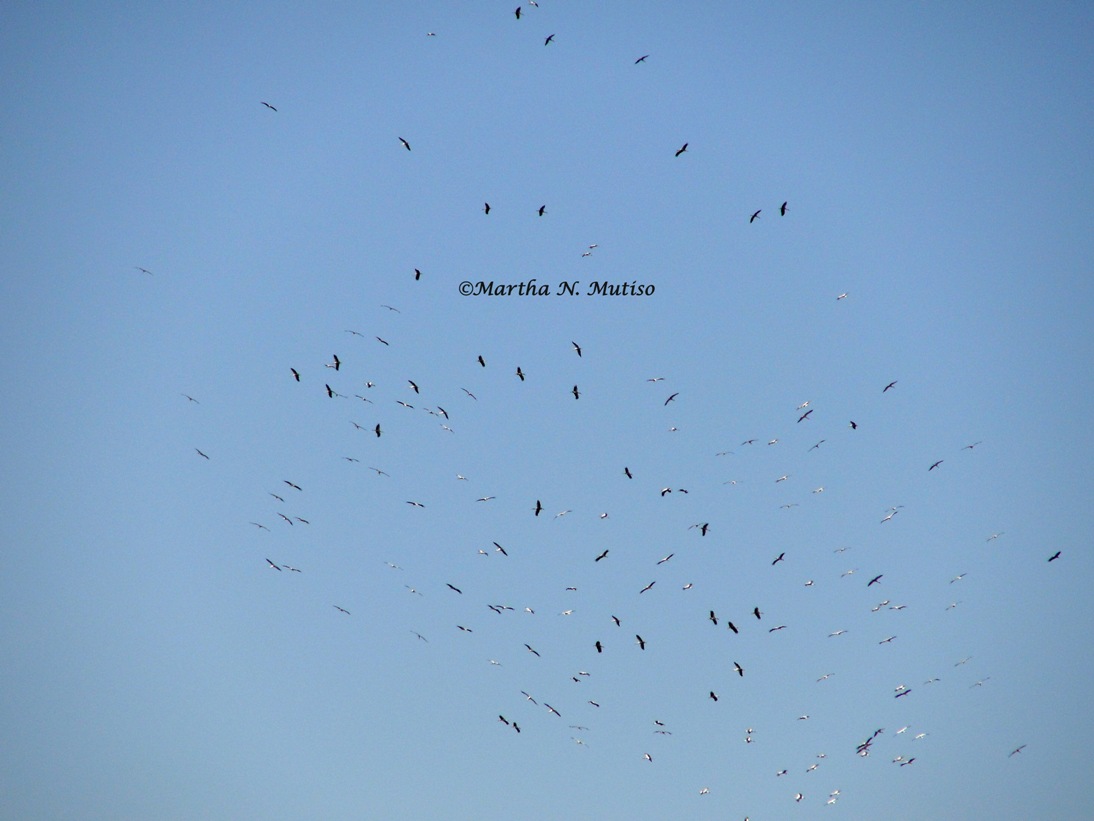
A flock of White Storks and Yellow-billed storks

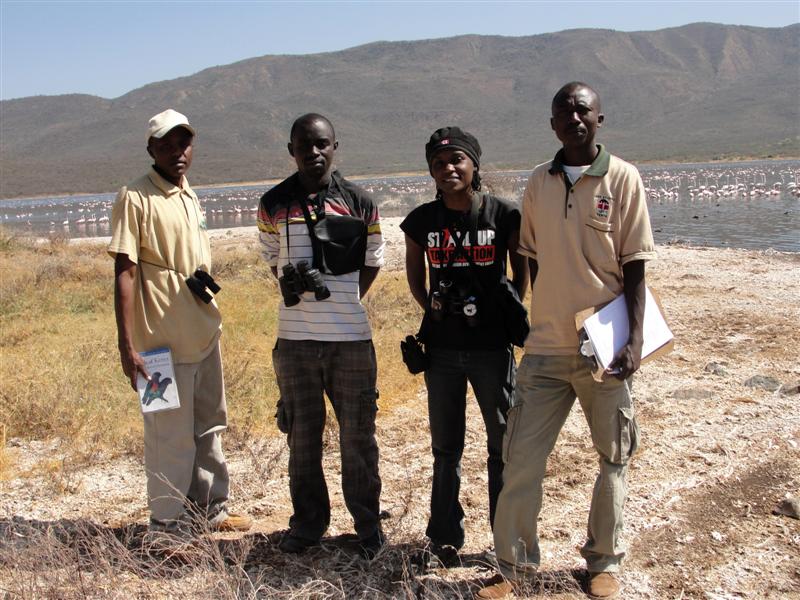
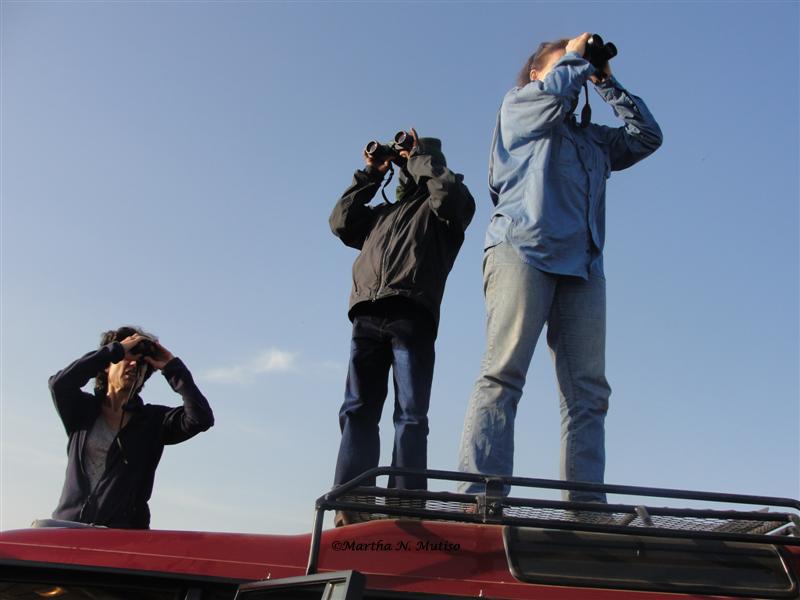
My counting team; Matthew, David and Anthony

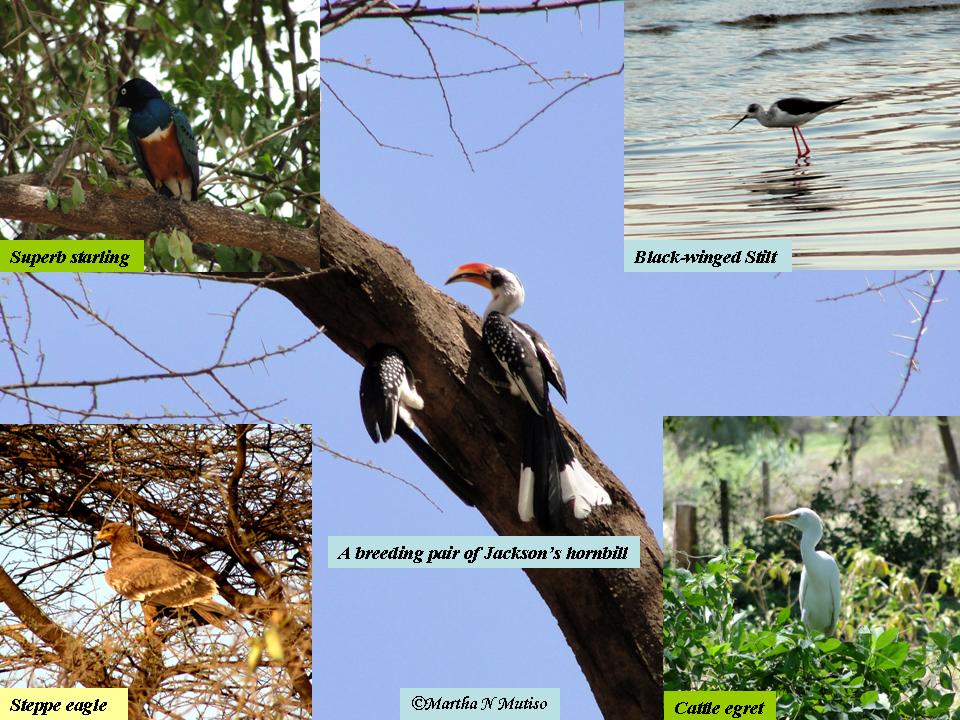
Other birds

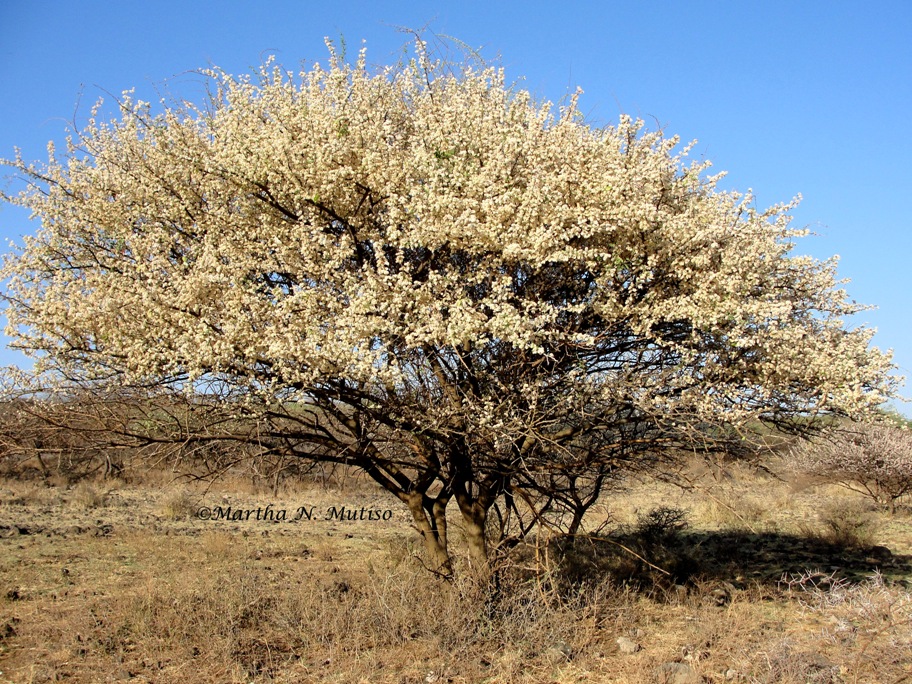
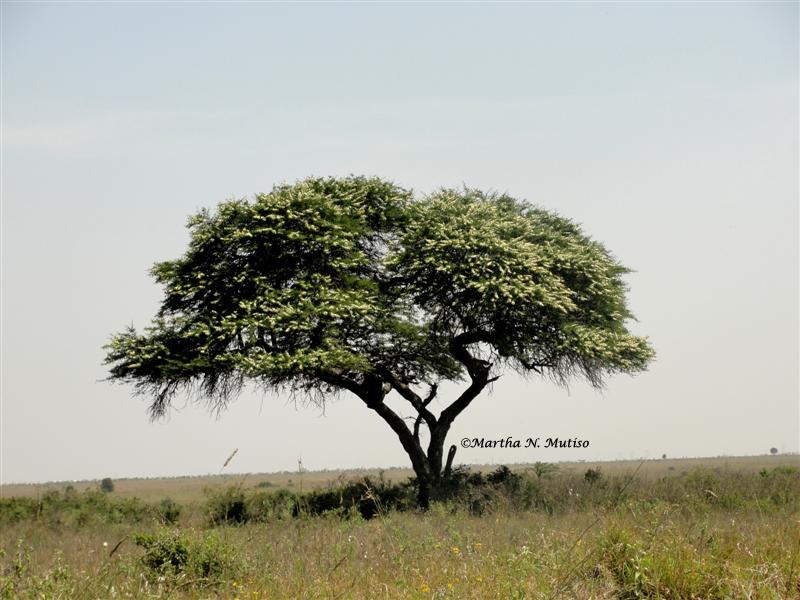
A flowering acacia in the park

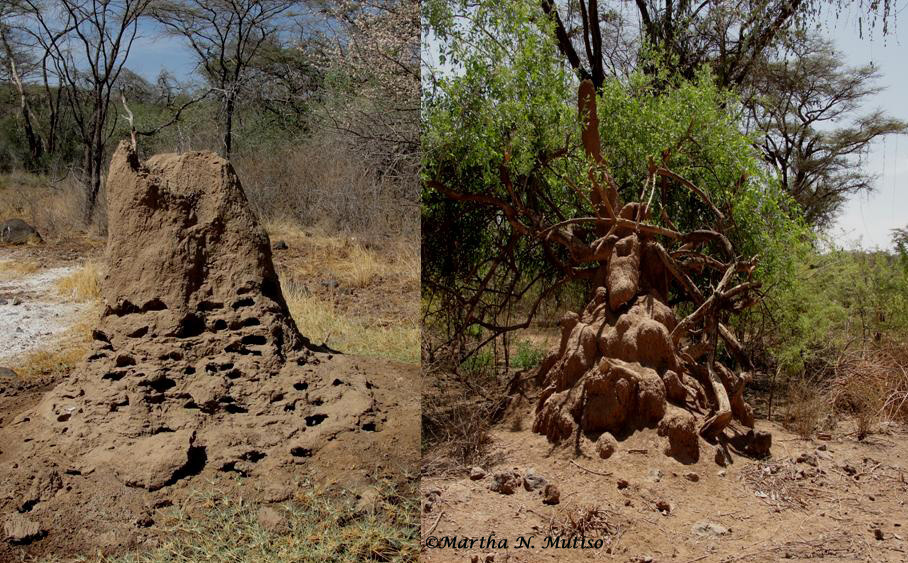
Termite mounts in the park

Back to Eden-Yatta District, Eastern Province

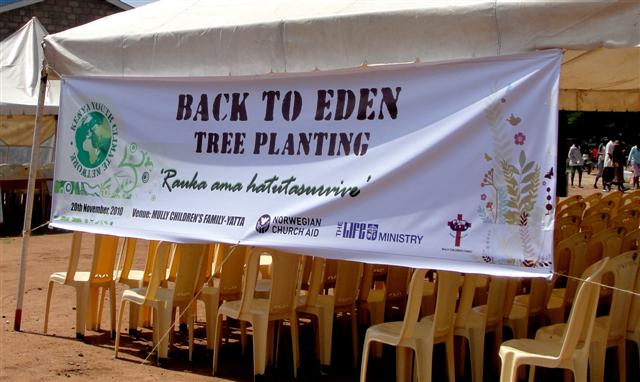
I recently participated in a tree planting event in Yatta District. The event, termed “Back to Eden” was organized by The Norwegian Church Aid and the Kenya Youth Climate Network (KYCN) in partnership with the Office of the Prime Minister and was held at the Mully Children’s Family (MCF) grounds in Yatta District. The Mully Children’s Family is a non-governmental organization that has seen the rehabilitation, shelter and education of more than six thousand street children in Kenya. They still continue to bring more children out of the streets across the country.

The Kenya Youth Climate Network is a youth movement comprised of youth organizations and networks, including Kenya Young Greens (KYG), Africa Youth Initiative on Climate Change (AYICC-Kenya), Korogocho Community radio (Koch FM), Young Environmentalists Network in Africa (YENA), the Third Movement, Inter-varsity Environmentalist Network (IVEN) and World Youth Alliance (WYA) among others. These youth networks have and still continue to mobilize, train and support youth from all over the country to learn and establish initiatives in their communities that tackle climate change, environment and leadership.

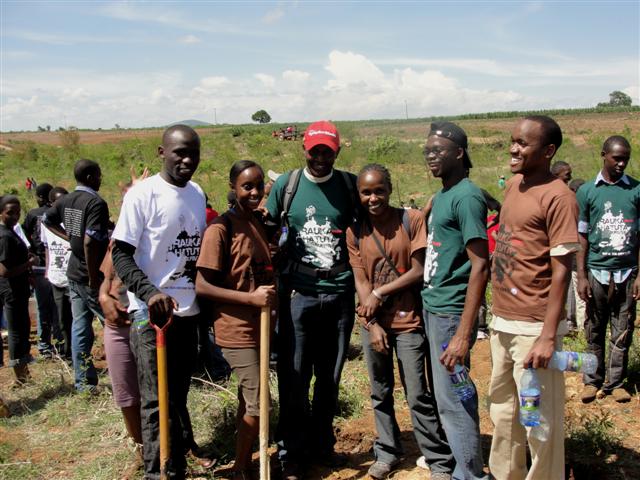
The event brought together more than a thousand young adults (including university students, faith based organizations, artists and environmental institutions) and community members. The event was a good opportunity to sensitize youth and general public on the importance of planting and nurturing trees. Some of the tree species planted included acacia, Silk oak, Nandi flame and Fig trees among others.

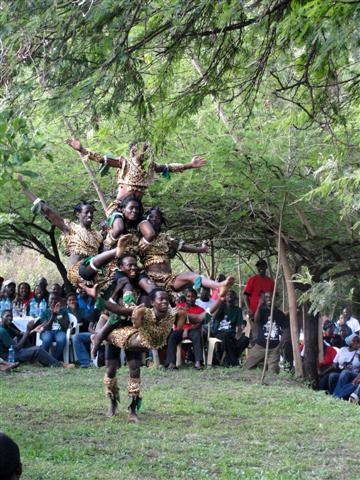
The participants also got a chance to interact with children from the Mully Children’s Family, and the kids’ joy and happiness was contagious. The kids are truly talented; they sang, drummed, played, and also entertained us with acrobatics.

For more information about some of the youth groups and the NGOs involved with climate change, environmental issues and community development, please visit their websites and blogs listed below.

Kenya Climate Youth Network http://kenyanclimateyouth.blogspot.com/

African Youth Initiative on Climate Change http://www.ayicc.net/

Mully Children’s Family http://www.mullychildrensfamily.org

The Norwegian Church Aid http://www.kirkensnodhjelp.no/en/

Here are some images from the event.
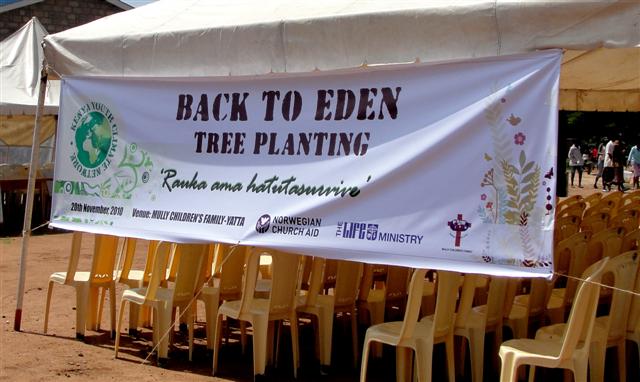
The Banner

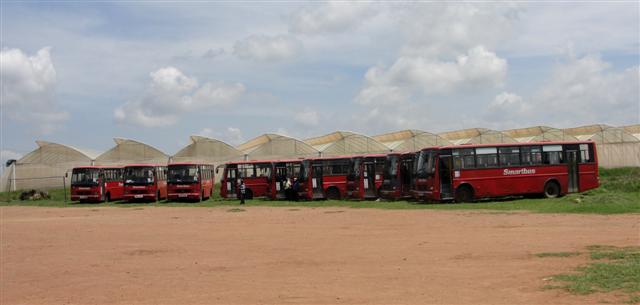
The transport-Smart Bus

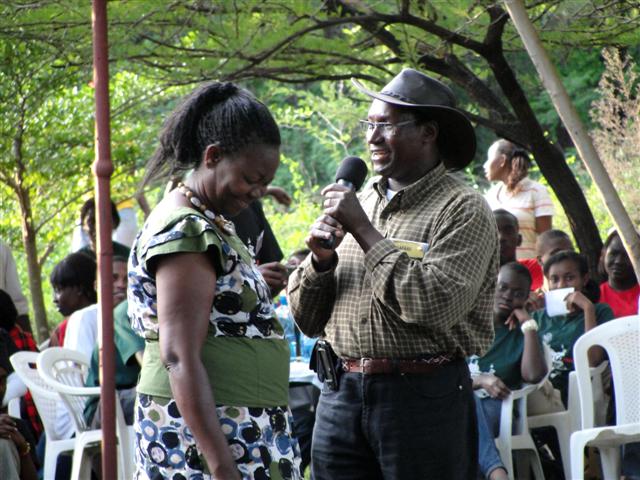
Esther and Dr Charles Mulli-The Mully Children’s Family Parents
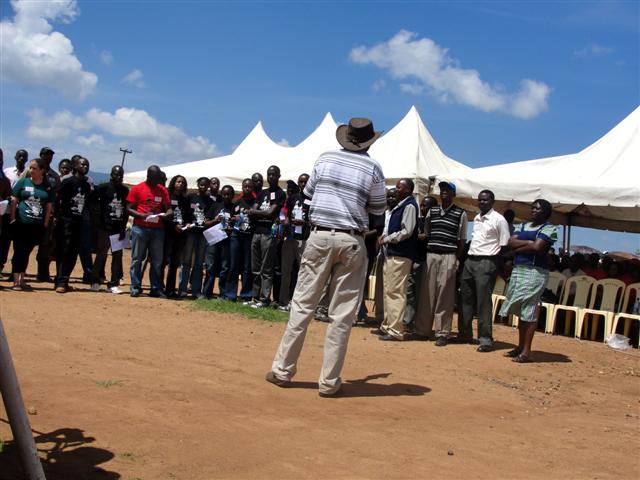
Back to Eden Organizing team-Kudos for a job well done
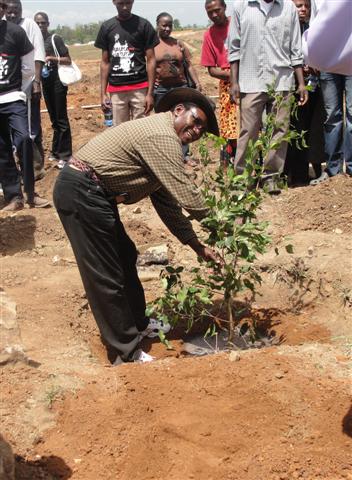
The ceremonial tree planted by our host, Dr Charles Mulli
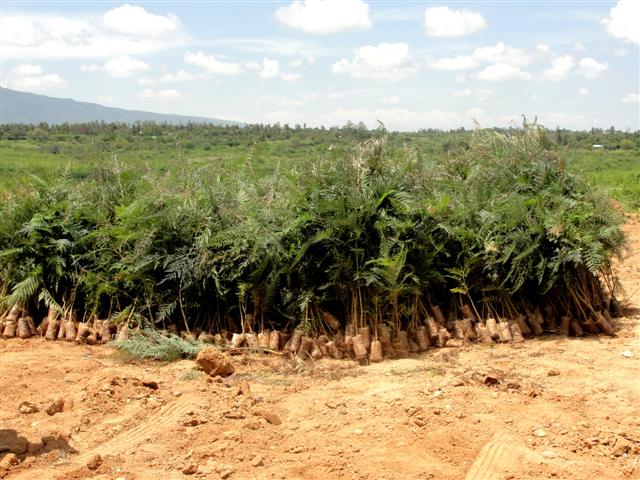
The tree seedlings

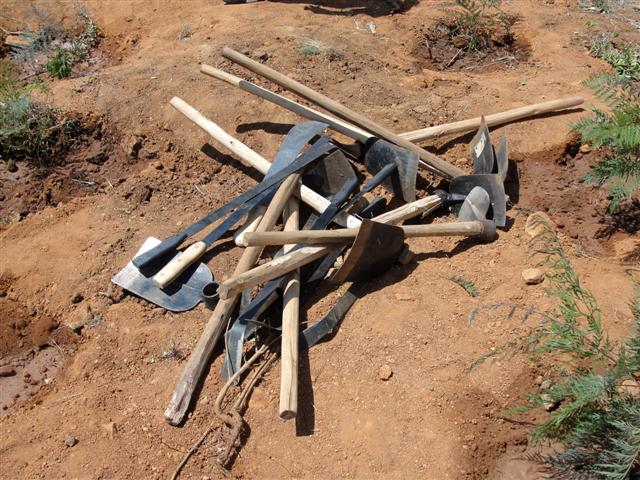
The tools

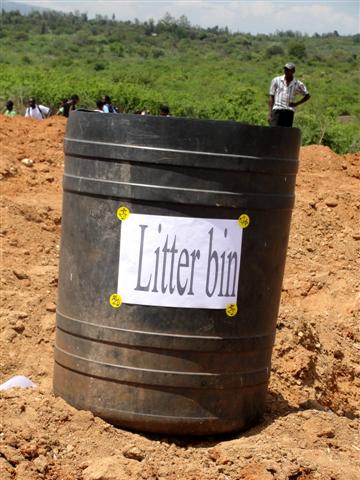
Litter bin for disposal of trash collected after tree planting
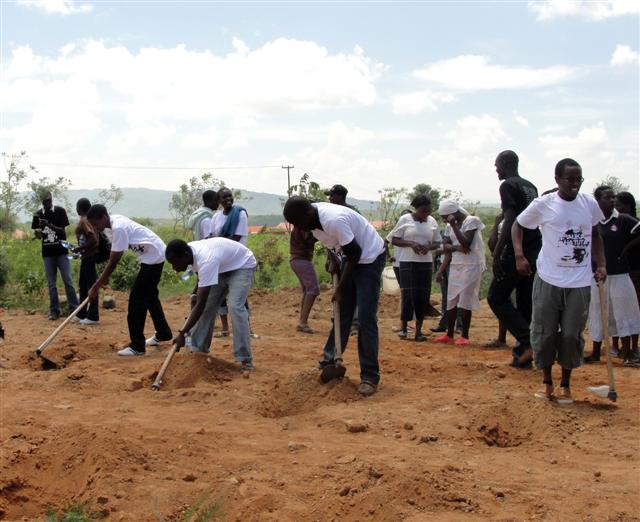
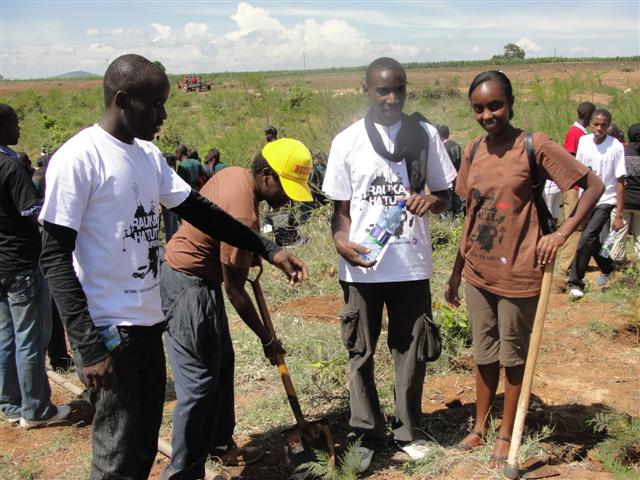
Digging tree holes

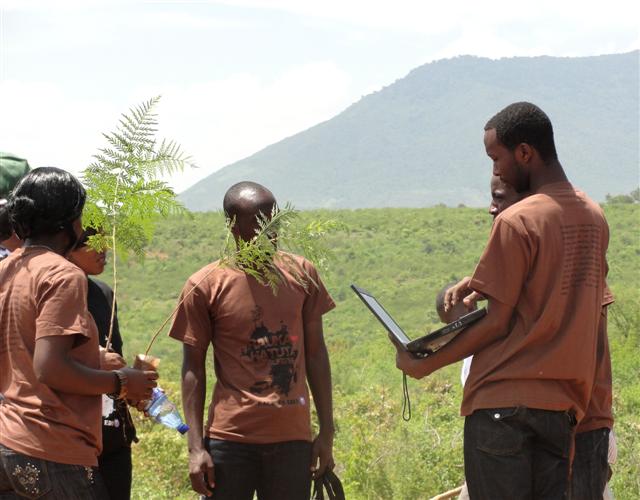
Some trees were planted online 🙂

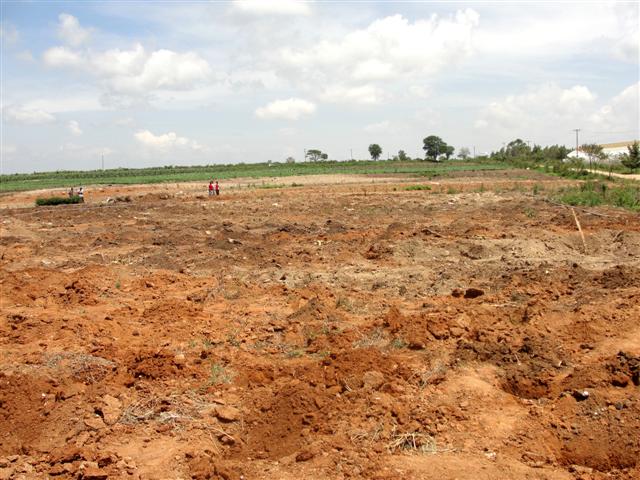
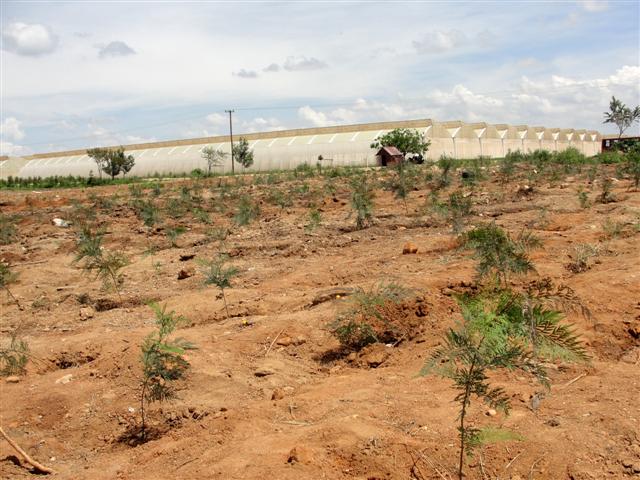
The field, before tree planting

The field, after tree planting
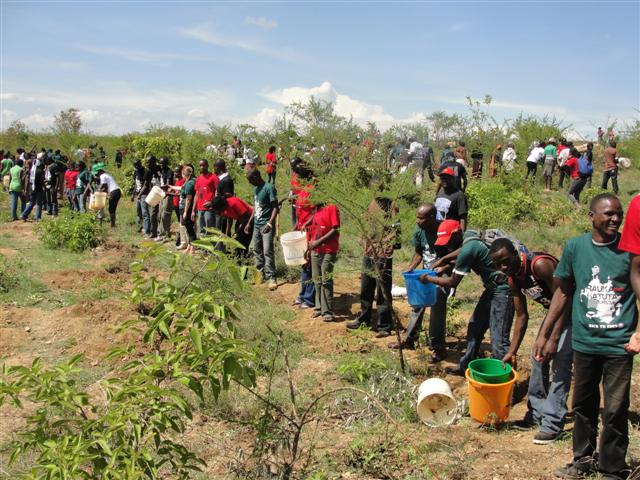
Irrigating some of the trees that were far from the irrigation pipes
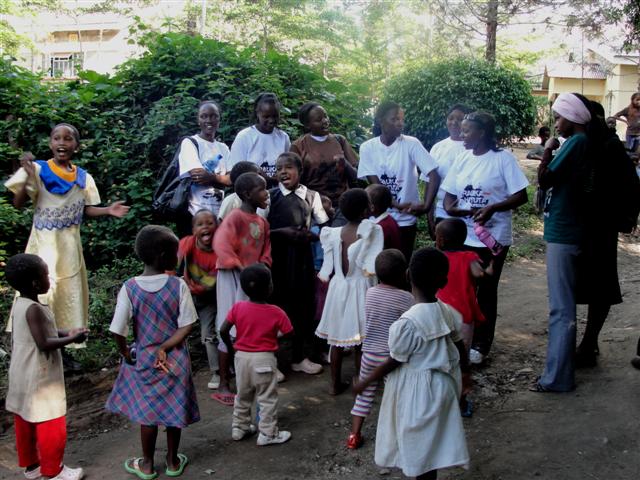
PArticipants singing and playing with the Mully Children’s Family members
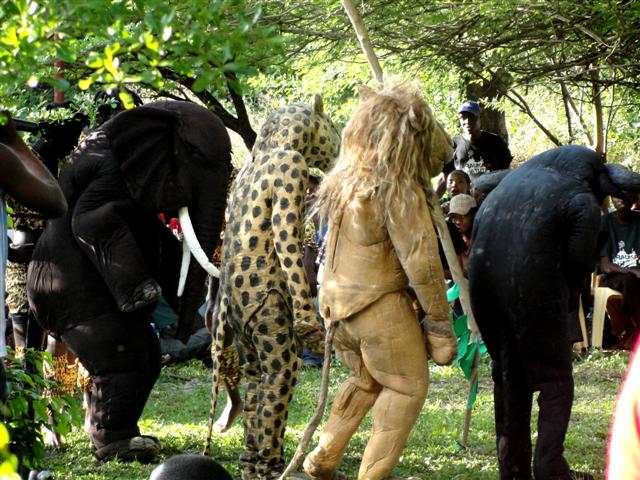
Entertainment-the Big Five group

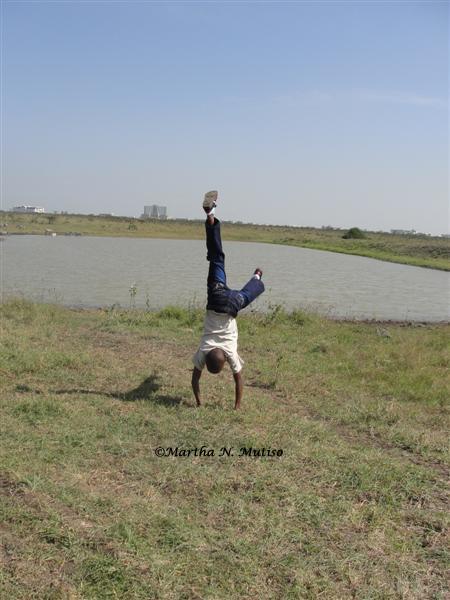
Some acrobatics

Photo shoot with fellow participants

More photo shoot

Some biodiversity that couldn’t be ignored…
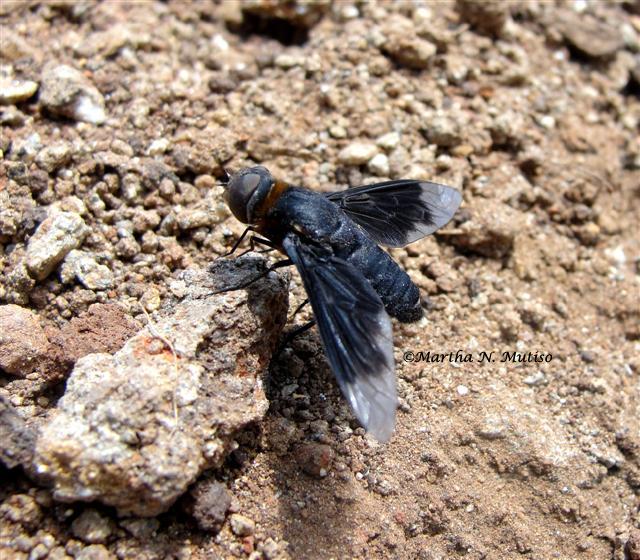
Congratulations to the young leaders and participants for making it a fun filled event.

Martha

Game census at Nairobi National Park

On the first Sunday of December 2010 the Nairobi National Park had its last game census of this year. These game counts happen after every two months. Volunteers and young conservationists help the Kenya Wildlife Service to count all the mammals in the park. We had a mix of wildlife in our counting block; we counted Lions, Zebras, Hartebeests, Impalas, Thompson’s gazelles, Grant’s gazelles, Maasai Giraffes, Black Rhinos, White Rhinos and Elands. Game birds are also included in the census; Ostriches, Vultures, Bustards, Guineafowls, Spurfowls and Eagles.
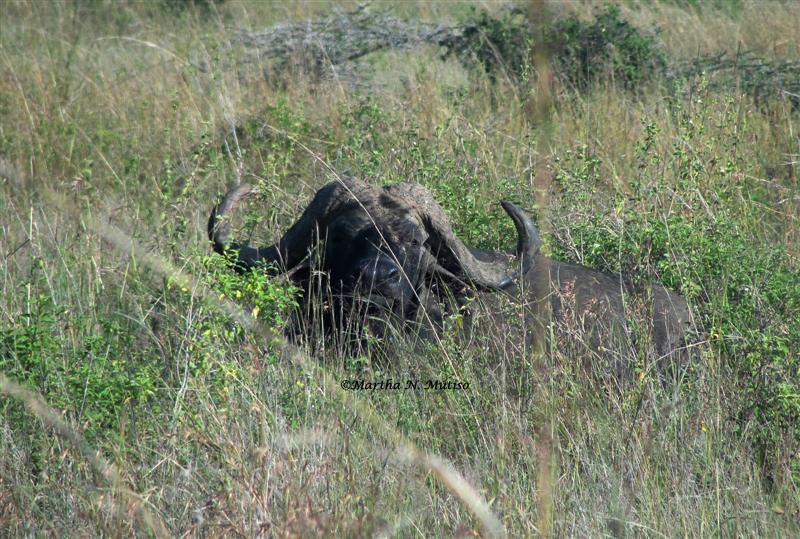
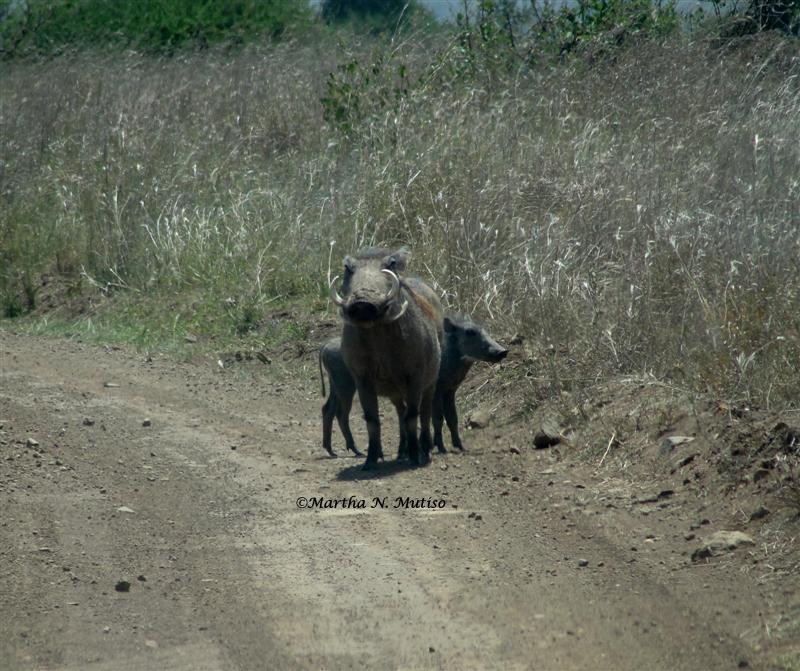
After counting in our block we had extra couple of hours doing a general game drive in the park and had a picnic at the Leopard Cliff picnic site. We saw more wildlife including Vervet monkeys, a warthog with young one, a lone Buffalo, Martial eagle, Widowbirds in their breeding plumage, a Black shouldered Kite and lots of Carpenter Bees, Butterflies and Dragonflies. Most plants in the park were also in beautiful blooms.

Here are some photos of our group members and the wildlife in our counting block…and other parts of the park.

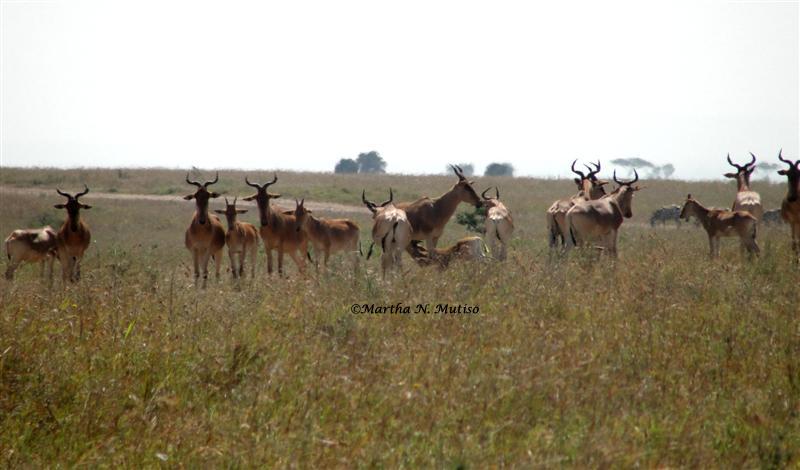
A herd of Coke’s Hartebeetes with young

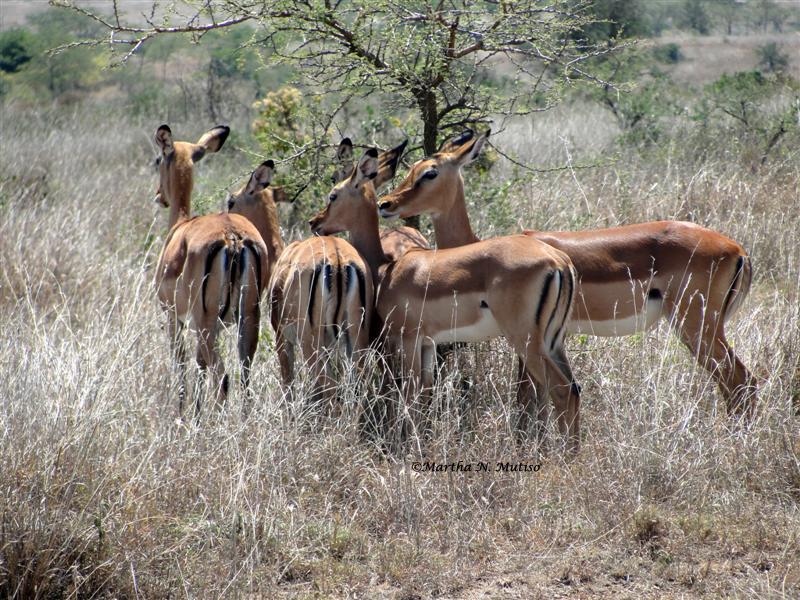
Herd of female Impalas

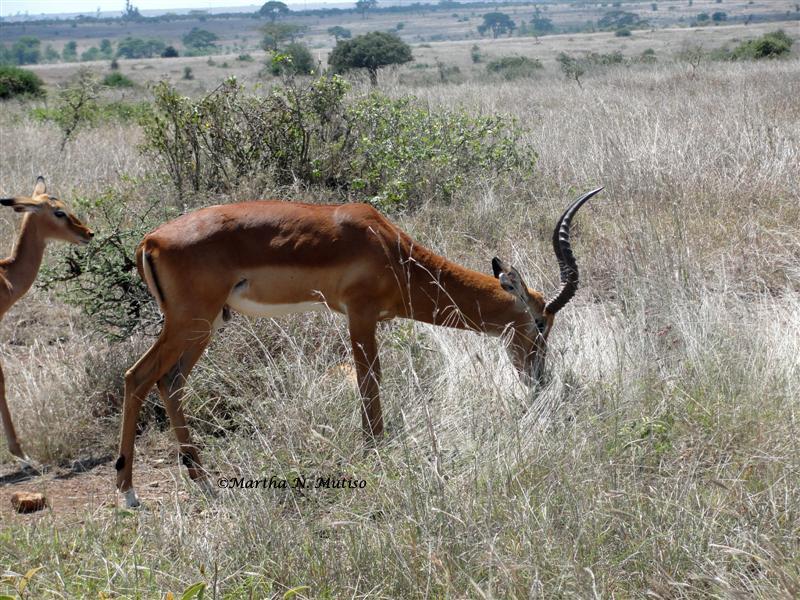
A male Impala

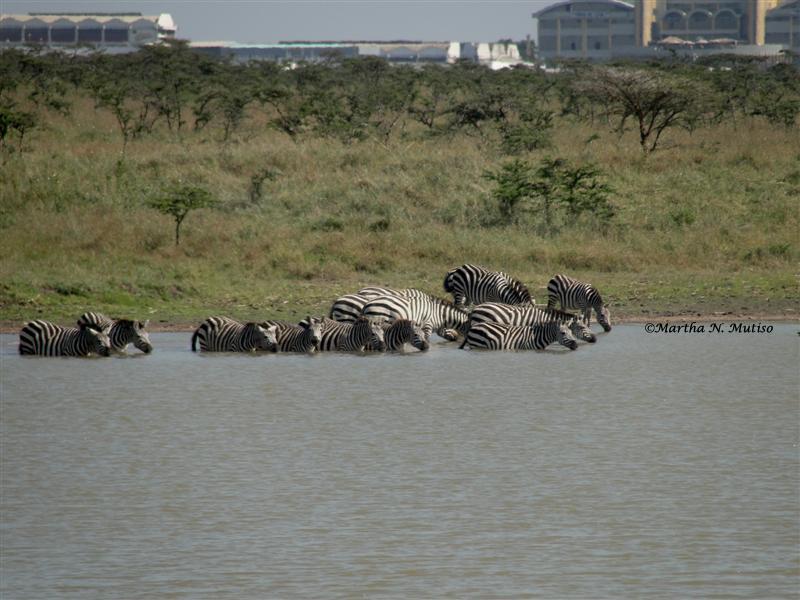
Common Zebras having a bath

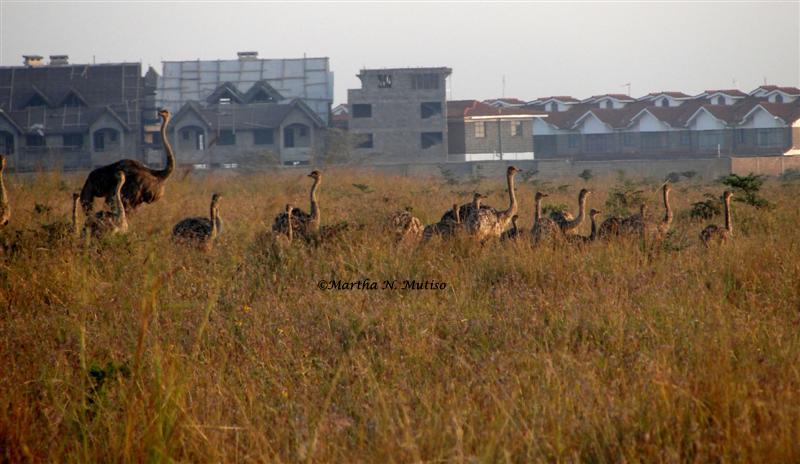
Female Ostrich with young

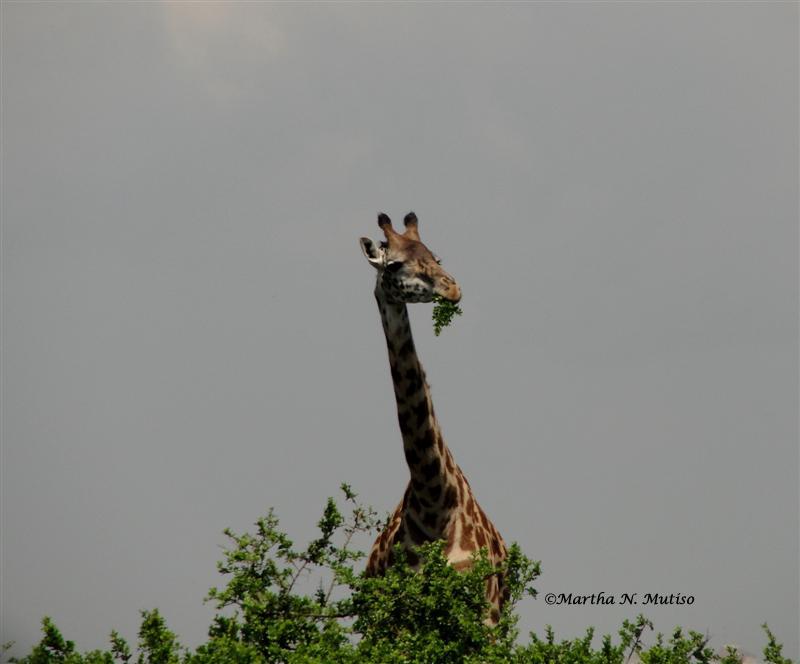
A Maasai Giraffe feeding

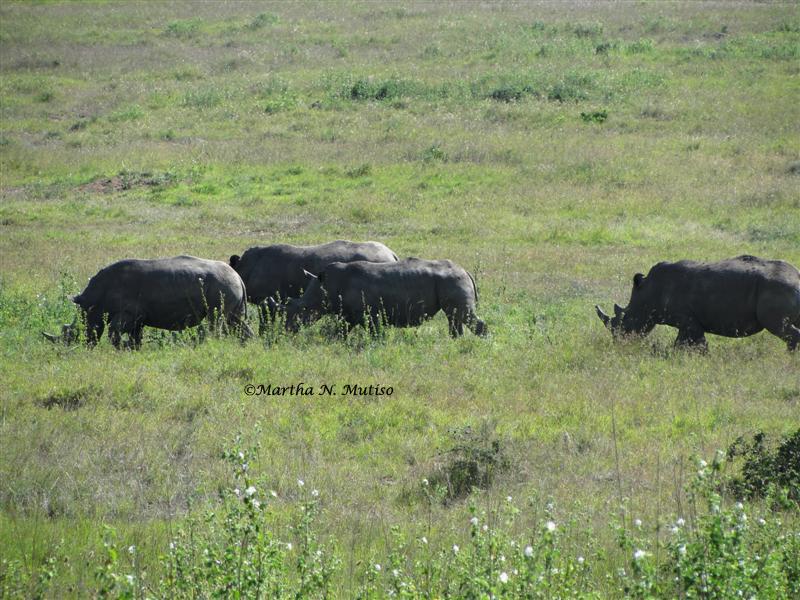
White Rhinos grazing

A lone Buffalo

Warthog with young

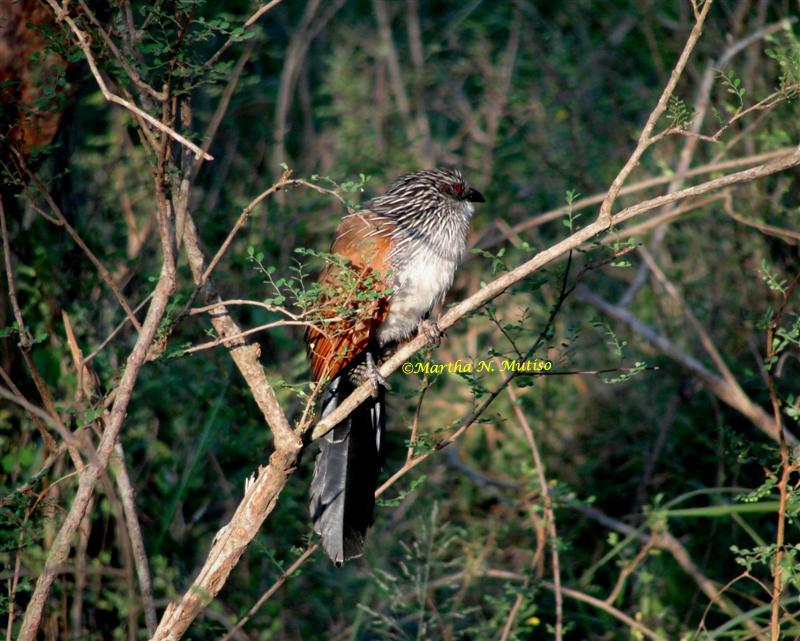
A White browed Coucal

A flowering Acacia tree

Our group; Fiona, Michael, Catherine, Susan and I

All work and no play…

Martha