International Dawn Chorus Day; Sounds of Kirandich Dam

I’m joining this year’s International Dawn Chorus Day celebrations by sharing the beautiful dawn chorus from the Kirandich dam. Kirandich dam is a man-made dam that was constructed to supply clean, drinking water to the people of Kabarnet in Baringo County. International Dawn Chorus Day is the worldwide celebration of nature’s greatest symphony that takes place every first Sunday of May. People across the world rise early to listen, record and share the sounds of birdsong in their backyards.

Nestled in scenic hills, rivers, riverine forests, and dense woodlands, Kirandich dam serves as a hot spot for diverse flora and fauna. At dawn, the serene atmosphere is disrupted by the vibrant calls of Hadada Ibises, signaling the start of a new day. They are joined by more bird species singing including White-browed Robin Chats, Common Bulbuls, Tinkerbirds, and Tropical Boubous, filling the air with fascinating avian tunes. The loud call of the African Fish Eagle further confirms the dam’s thriving aquatic ecosystem, teeming with life. Happy International Dawn Chorus Day!

Sounds of Kirandich Dam

International Leopard Day: Leopard Cub smack

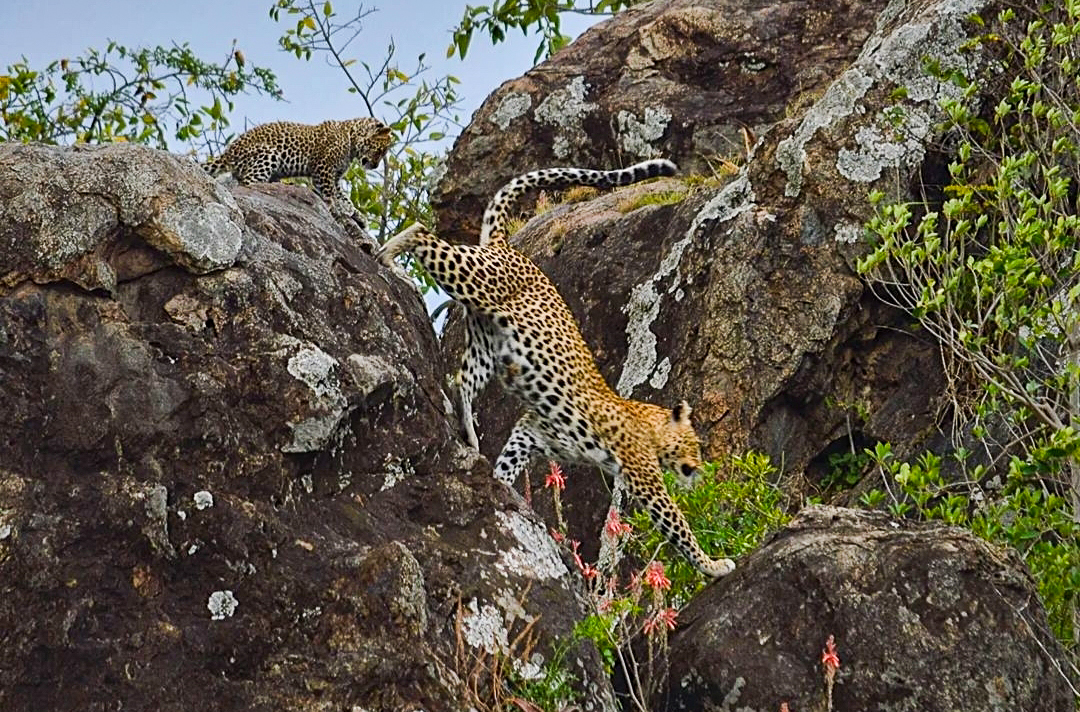
While on an afternoon game drive in Serengeti National Park, we encountered a leopard laying on one of the many rocky outcrops in the park. As we watched it, it slowly sat up, yawned and stared at us. As with nature, we were not quite sure what would unfold before our eyes. From our safari vehicle, we could see that the leopard had a swollen belly; an indication of a pregnancy or a full belly after a good meal. As we debated what the reason could be, we were amazed by a quick entry of a tiny, fluffy ball of presence, that blended well with the rocky outcrop. It was a leopard cub!

Mama Leopard on the move!

After giving birth, leopards hide their cubs for few weeks to protect them from predators. They are then moved from one hideout to another until they are old and strong enough to venture out on their own. Our group was excited about the unfolding scene of the cub playfully jumping around mom and tagging her tail, as if to celebrate her short-lived freedom in the open. This went on for a few minutes until the mom gave her a tender smack, as if to tell the cub to go back into hiding. Witnessing the cub’s playful antics alongside its mom was a special moment for us, a gentle reminder that these cats need our appreciation and protection to safeguard their future.

On this International Day of the Leopard, may we reflect on their beauty and the importance of conserving these them and their habitats. Let’s treasure moments like these, the connection, wonder, and admiration for the wild. Happy International Leopard Day!
International Hyena Day- A Haunting Hyena Feast

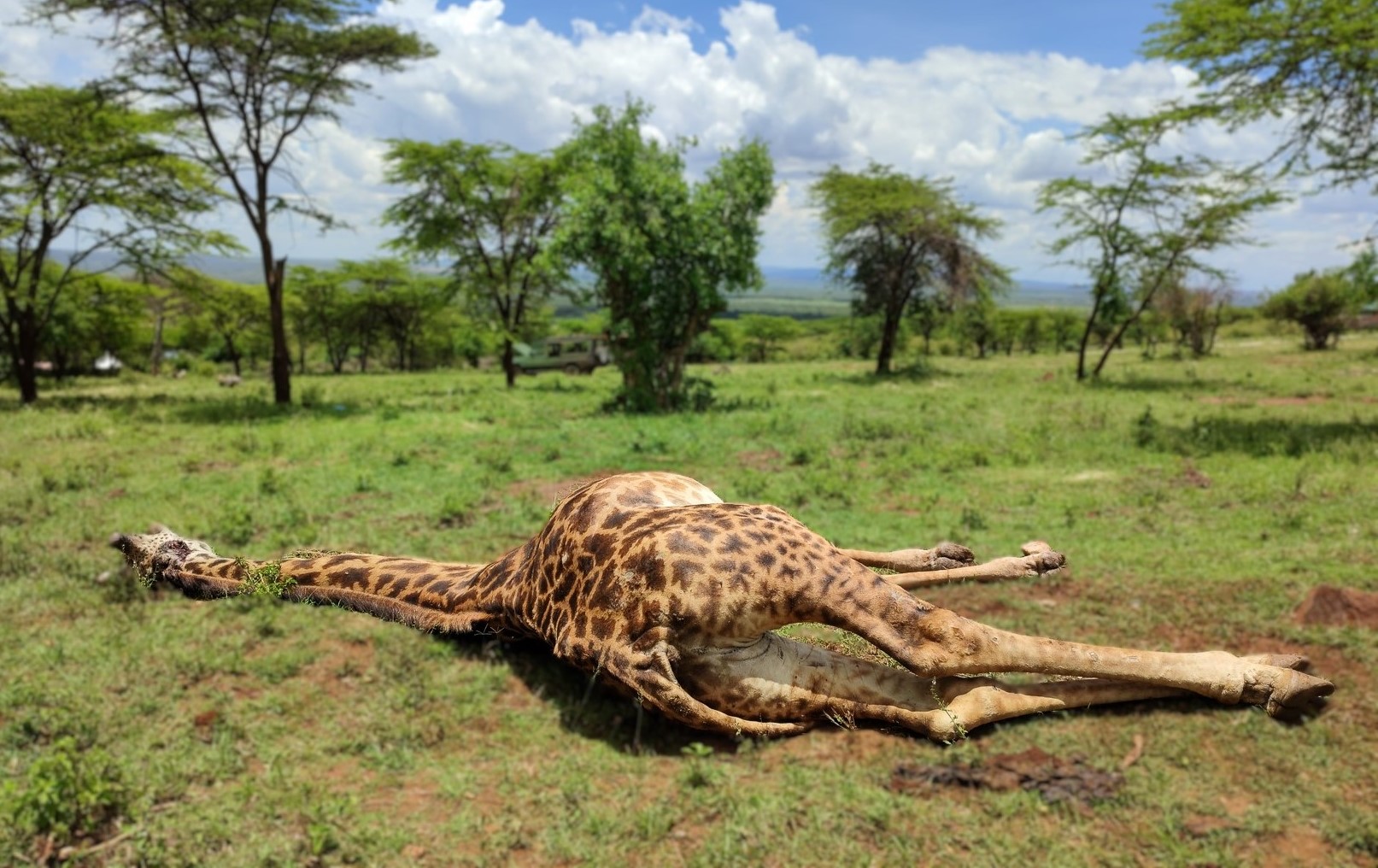
The world recently marked International Hyena Day, which is celebrated every year on April 27th.The day is dedicated to highlighting the important role they play in the ecosystem. During a recent visit in Maasai Mara, nature took its course when a giraffe died of old age. This was confirmed by knowledgeable wildlife vets and local wardens. According to them, there were no signs of attacks by humans or other predators, or of disease. From the way the body lay, it seemed to have fallen, but wasn’t able to stand due to being weak after hitting its head on the ground. Additionally, the giraffe had teeth missing, probably due to old age. 

Giraffe on Day 1

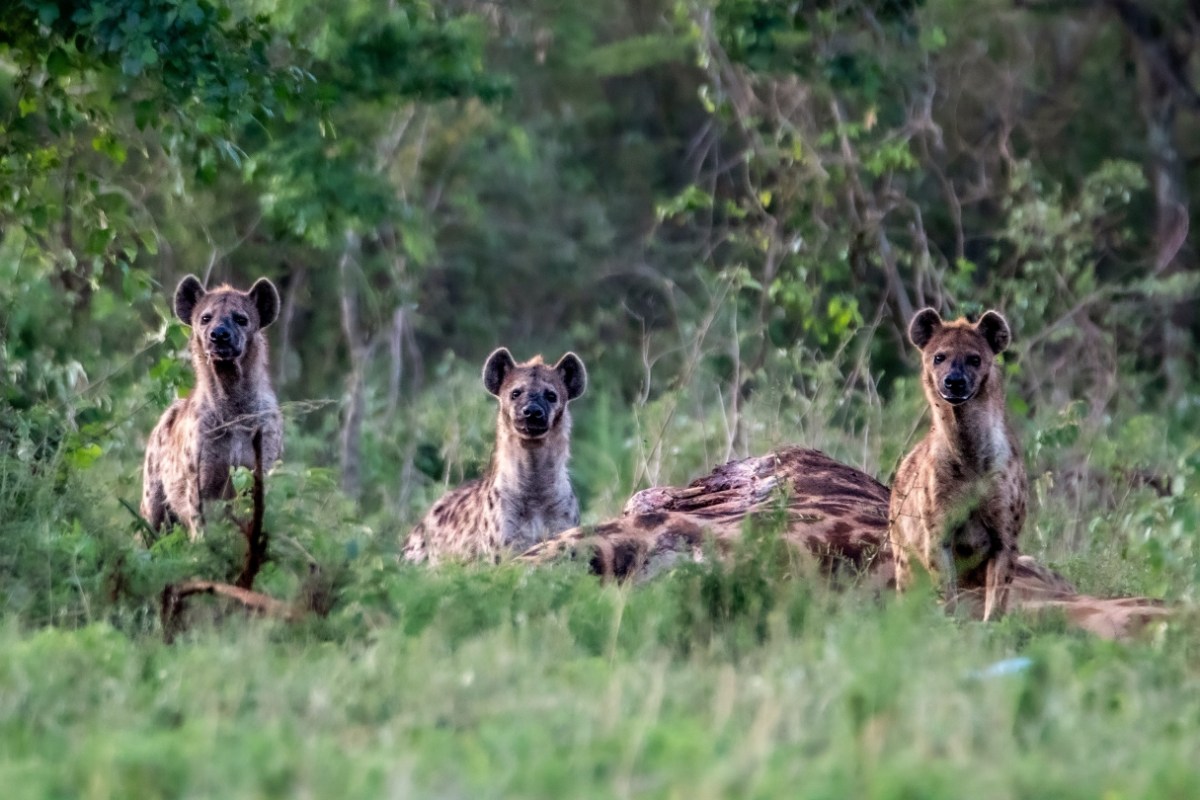
Having watched and heard scavengers on a kill, I wanted to have a recording of the same. Because these species are mainly active at night, I placed my recorder in a tree next to the carcass in order to capture the sounds of the feeding frenzy that would follow. As expected, the carcass soon attracted scavengers as the day progressed; jackals and hyenas showed up to survey the scene. They would try to bite off some meat, before running away.

Hyenas ready for the feast

Soon, the otherwise silent night was filled with the spooky symphony of hyenas laughing and shrieking, while the jackals barked and growled at each other as they all tried to have a piece of the carcass. As it was a huge giraffe, this nocturnal feast went on for the rest of the week.

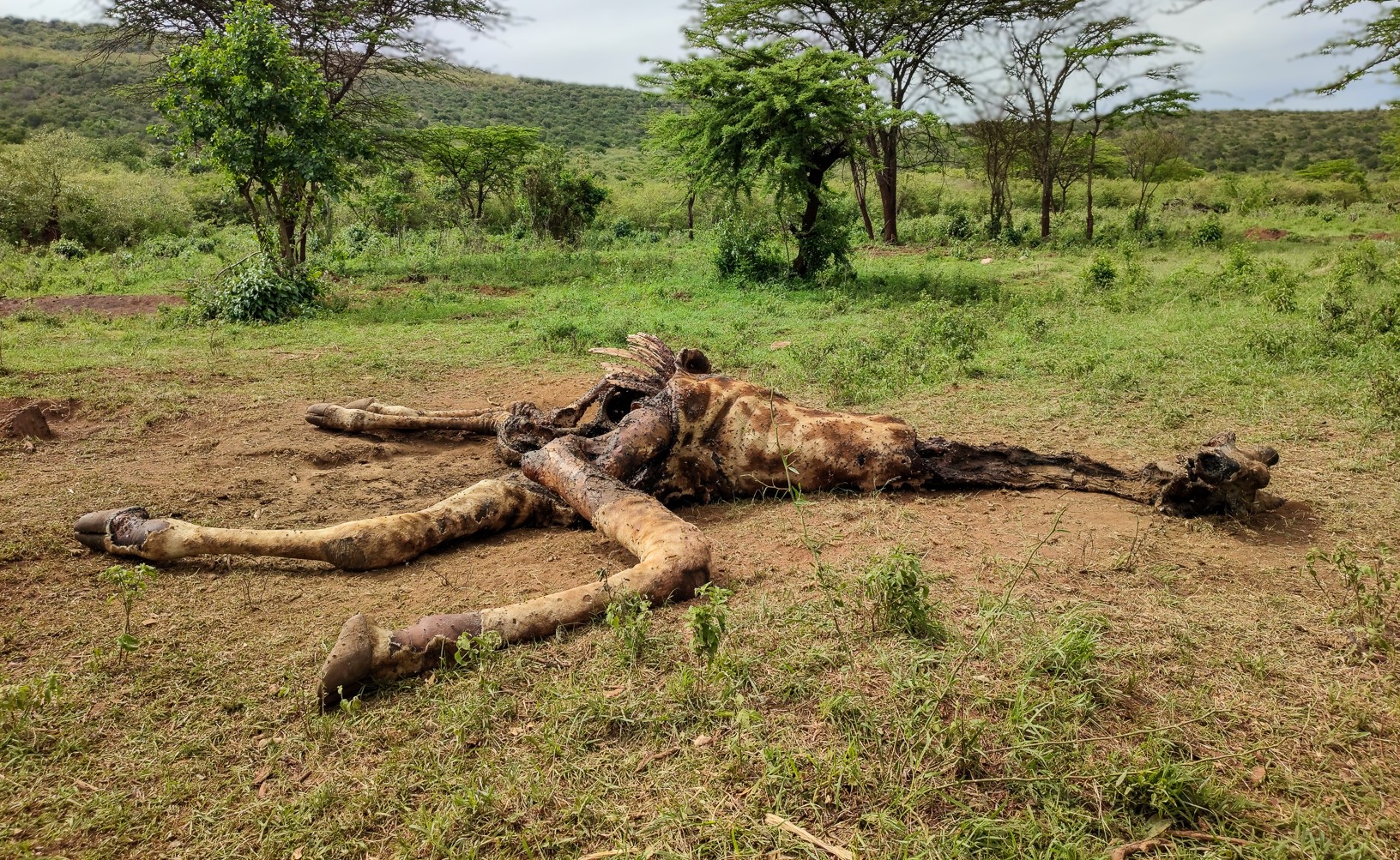
On the fourth day, the carcass was almost stripped to the bone, proving how quickly the hyenas and jackals can finish a carcass. This event was an emotional reminder that in the midst of nature’s beauty and tranquility, there also exists an undeniable air of sadness and unpredictability. Scavengers’ role in consuming the remains of dead animals is vital for maintaining ecological balance, preventing the spread of disease, and ensuring the continuity of the circle of life!
Giraffe on Day 4!
Listen to the haunting sounds of hyenas feasting

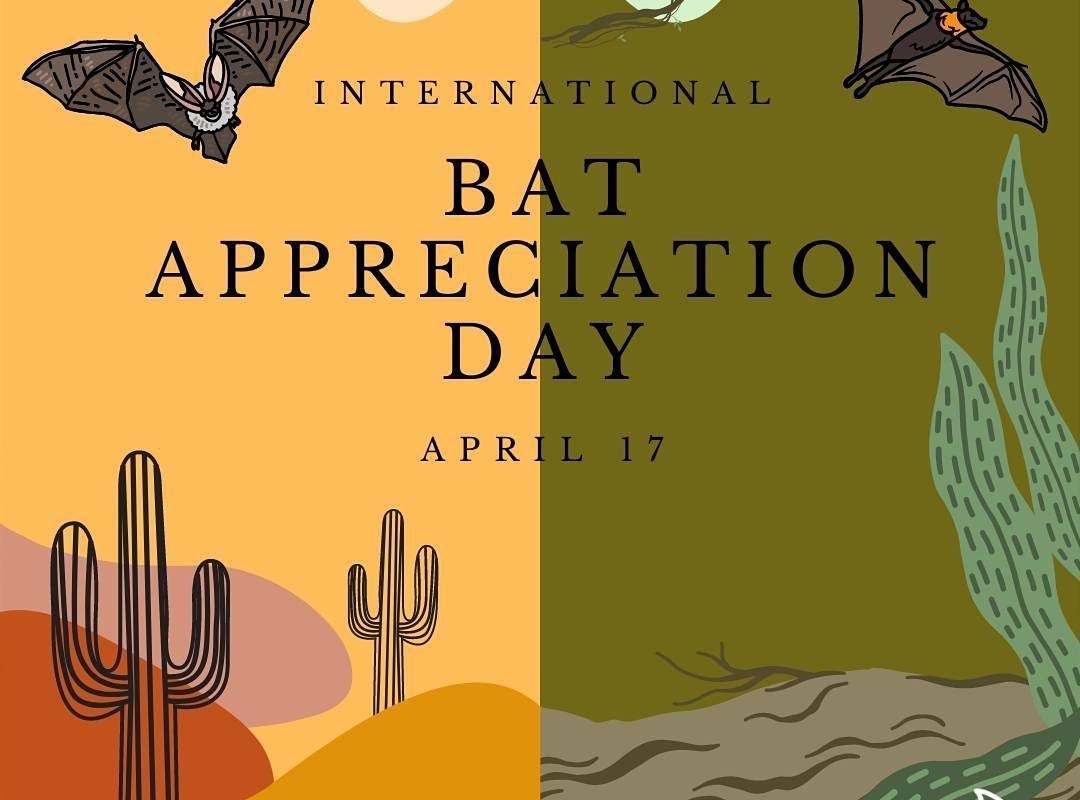
International Bat Appreciation Day: Hammer headed Fruit Bats Chorus

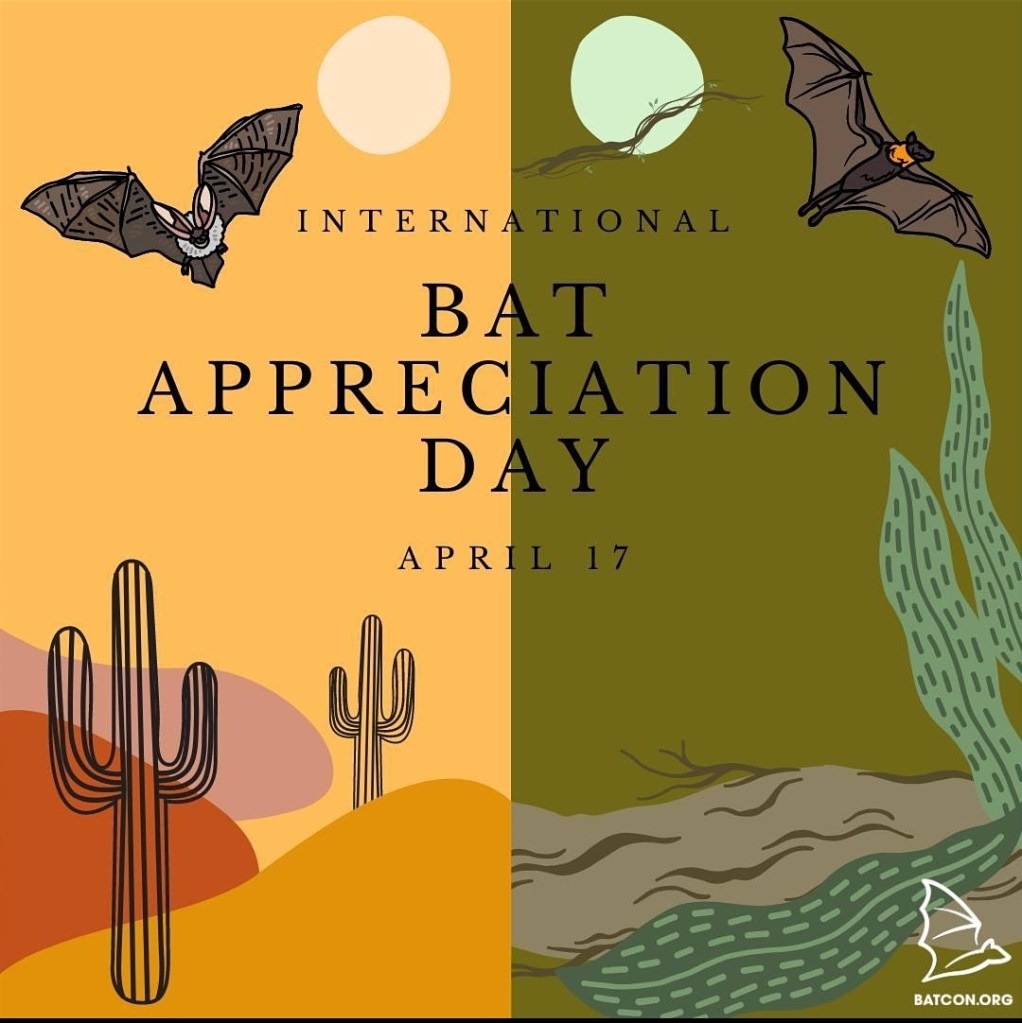
Every year on April 17, the world celebrates International Bat Appreciation Day to remind us of the important role that bats play in our daily lives. They help pollinate flowers and fruits, control agricultural pests and create rich fertilizer for communities.

I recently had one of the most interesting bat encounters during a recent field recording expedition to Mpanga Forest Reserve in Uganda. On a quest to record some of Africa’s quiet places, I was treated to one of the most weird and beautiful animal sounds I’ve ever heard, the Hammer headed fruit bat’s honk! It’s a sound I would not have associated with bats.

I learnt that the males of this bat species use the honk to compete against each other and attract females. The bat with the loudest honk wins a mate!

Enjoy this bat’s honk🦇🦇

Listen to the full recording at Earth.Fm

https://earth.fm/recordings/nocturnal-chorus-at-mpanga-central-forest-reserve

For the love of colour…and fragrance! A short video update

It’s been a long while since I posted on this space and it’s only fair to follow up from where I left off in my last post – with some colour and fragrance! I have been going to the Orchid Show every year and it keeps getting better and bigger and more creative. I invited my friend to last year’s Orchid Show in Nairobi, and we had an incredible time interacting with different orchid exhibitors, hobbyists, and enthusiasts. He had a blast and made an incredible short film about it. Have a watch…and follow/subscribe to our channels for more wild videos! Read about this year’s Orchid show here.

Kenya Orchid Show film by Jonathan Odongo

For the love of colour…and fragrance!

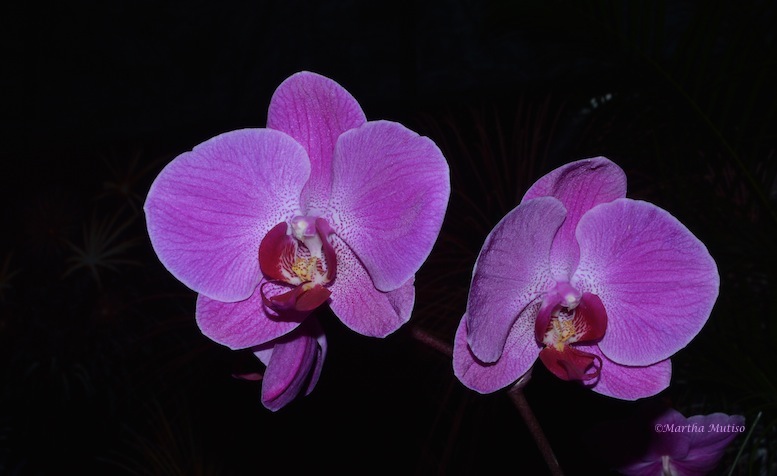
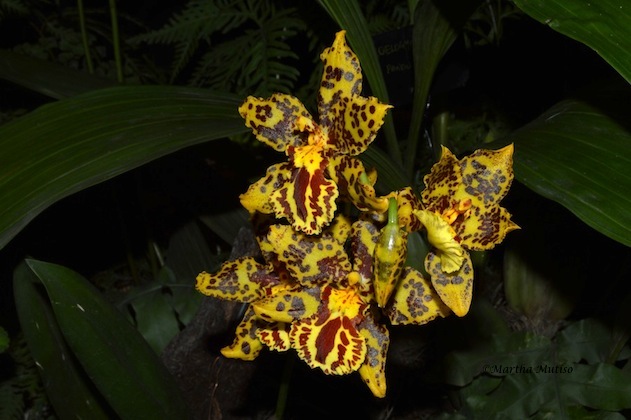
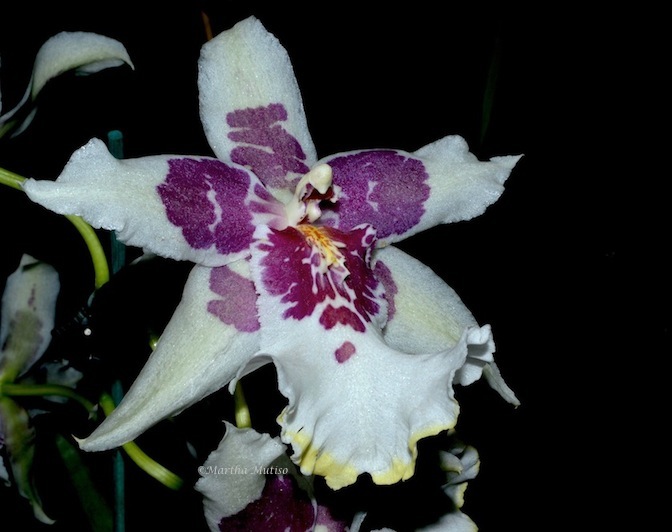
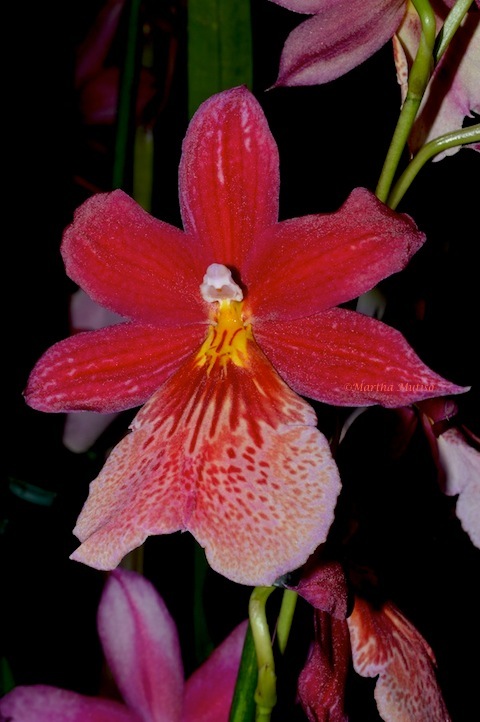
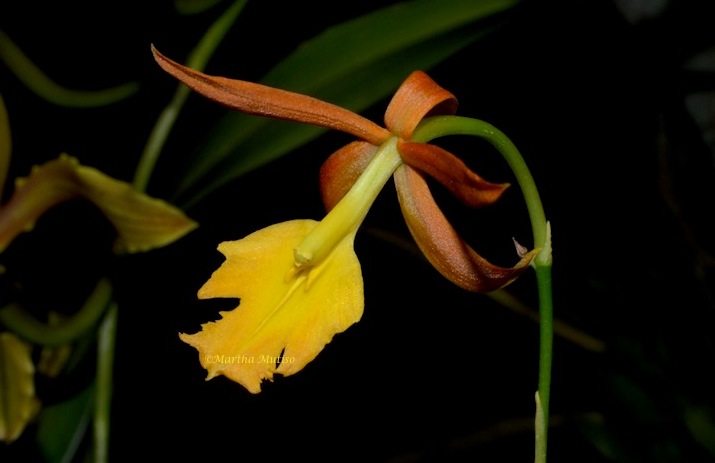
Today’s post is to celebrate colour, shape, size, form, character and diversity of a group of plants called Orchids. The other day I went for an Orchid festival in Nairobi, where orchid enthusiasts and growers come together to celebrate and exchange these beautiful plants. Shortly after that, a friend of mine shared some photos from a photographer who had gotten closer to the orchids’ characters; more than I did mine. And it got me thinking of this post and sharing photos of these lovely flowers.

Orchids have an amazing array of plant sizes, forms and aspects. They are plants of mystery with exotic colour combinations and enticing fragrances. The Family name Orchidaceae is derived from the Greek word Orchis. Orchis means “testicles” and refers to the shape of the tubers of a group of terrestrial orchids.

Orchid flowers can be huge or tiny. As with colour and scent, flower size is influenced by the orchid’s pollinators. Night flying moths are the frequent pollinators of the large sized orchid flowers, while clouds of tiny insects swarming through the forest are the pollinators of the smaller sized orchid flowers.

Some orchids have attractive fragrance and this adds an advantage of luring the pollinators from farther away than visual cues. In the wild, some fragrant orchids will release their perfume to coincide with the time of day when their pollinators are most active. Some orchids have fragrance early in the morning, others during the warmest part of the day and others in the evening after sunset.

Simply enjoy these colourful and “shapeful” shots that I got from the Orchid festival!

Wildcat
Wildcat


The butterfly orchid often called so because its yellwo and brown flowers resemble and insect, from the broad lip to the prominent dorsal sepal and slender upright petals that look like antennae
The butterfly orchid often called so because its yellow and brown flowers resemble and insect, from the broad lip to the prominent dorsal sepal and slender upright petals that look like antennae


Tay Sweet King
Tay Sweet King


Tahoma glacier
Tahoma glacier


Swiss Beauty
Swiss Beauty


Pink Slipper
Pink Slipper


Pink delight
Pink delight


Pink dawn
Pink dawn


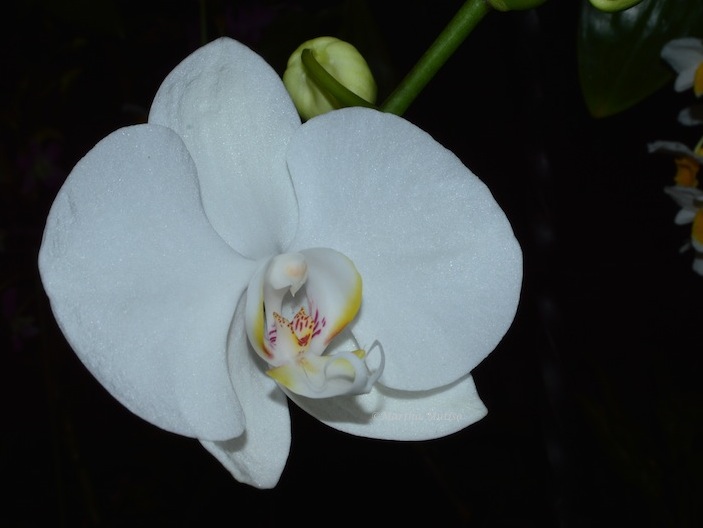
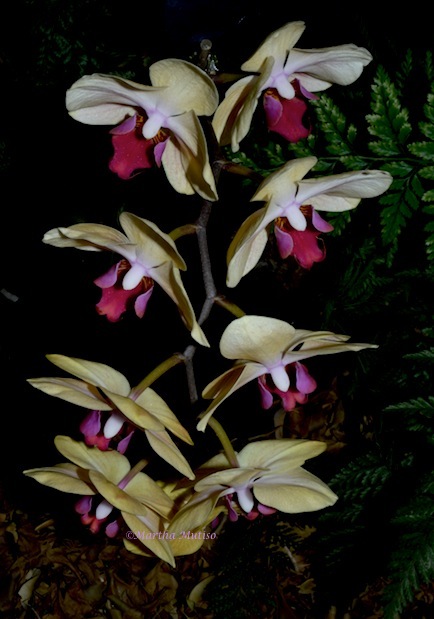
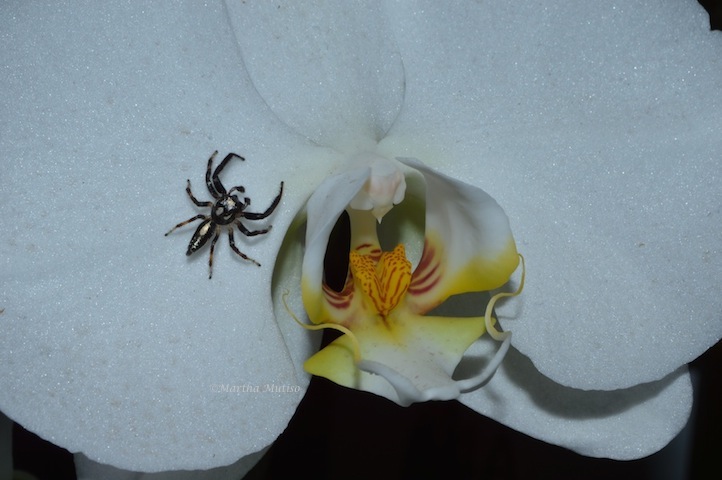
Phalaenopsis-They resemble a winged insect in flight


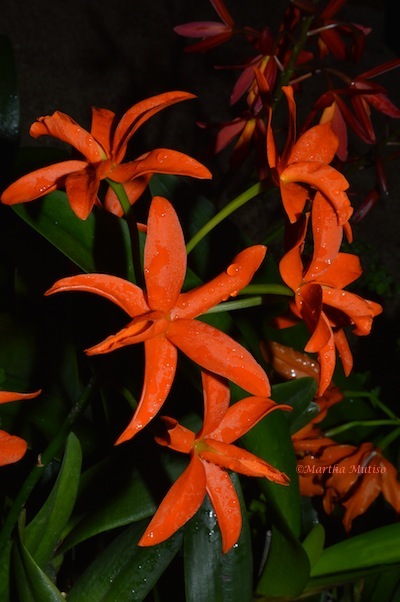
Orange princess
Orange princess


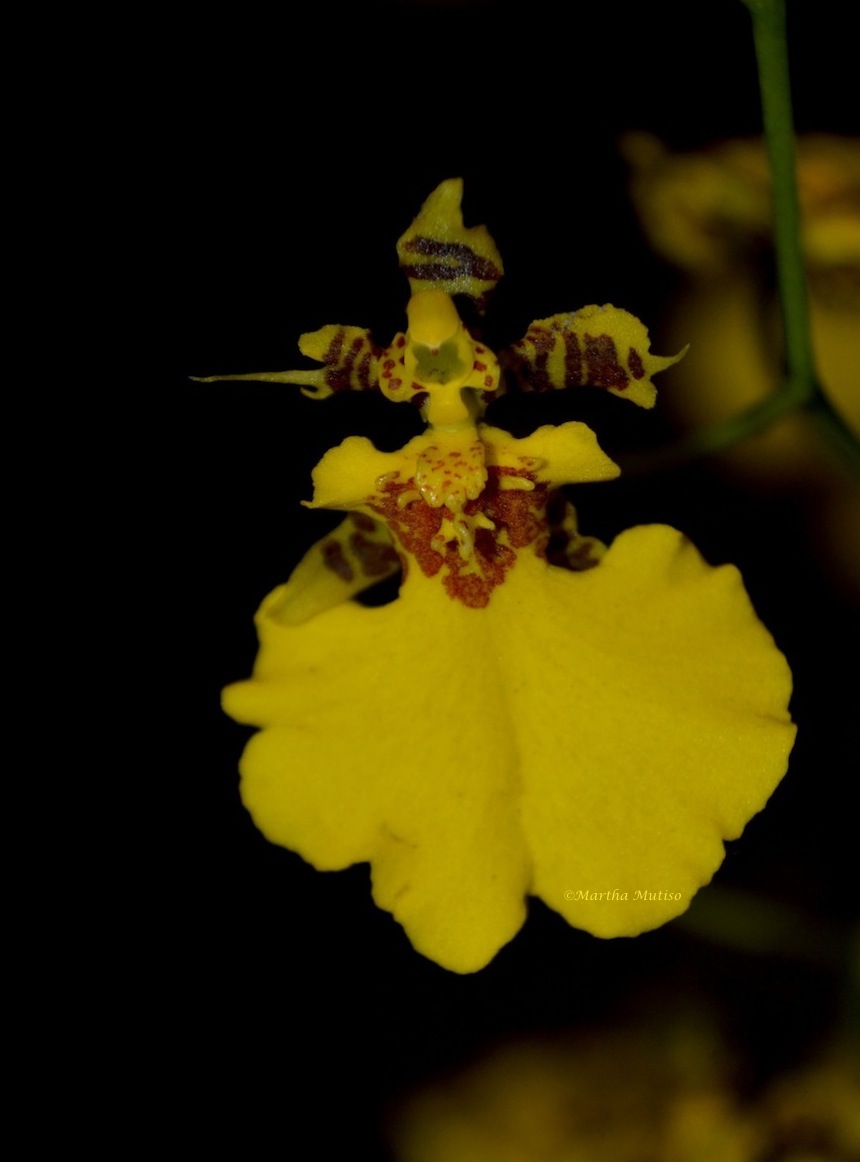
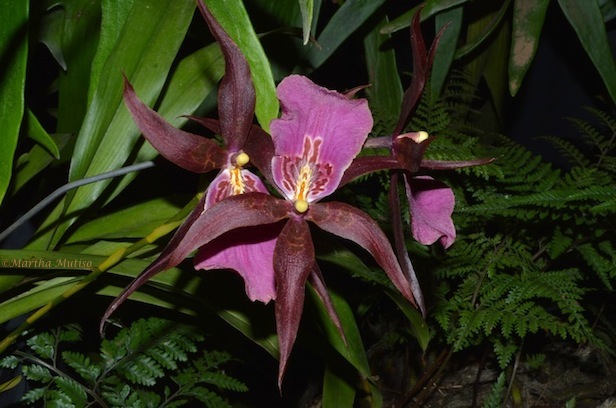
Oncidium Orchid-dubbed dancing ladies,they feature long, arching sprays adorned with numerous flowers with broad lips-the ladies' skirts-and spreading petals-their arms
Oncidium Orchid-dubbed dancing ladies, they feature long, arching sprays adorned with numerous flowers with broad lips-the ladies’ skirts-and spreading petals-their arms


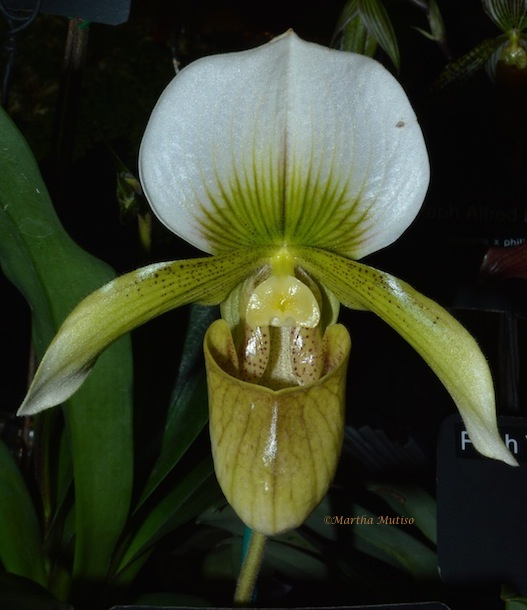
Nicknamed Slipper orchid because the lips are shaped in a pouch that looks like a slipper toe.


Naked man
Naked man


Miltonia clowesii
Miltonia clowesii


Le Gold digger
Le Gold digger


Lovely colour mix
Lovely colour mix


Interesting growth behaviour


Golden beauty
Golden beauty


Formosan gold
Formosan gold


Dendrochilum cobbianum


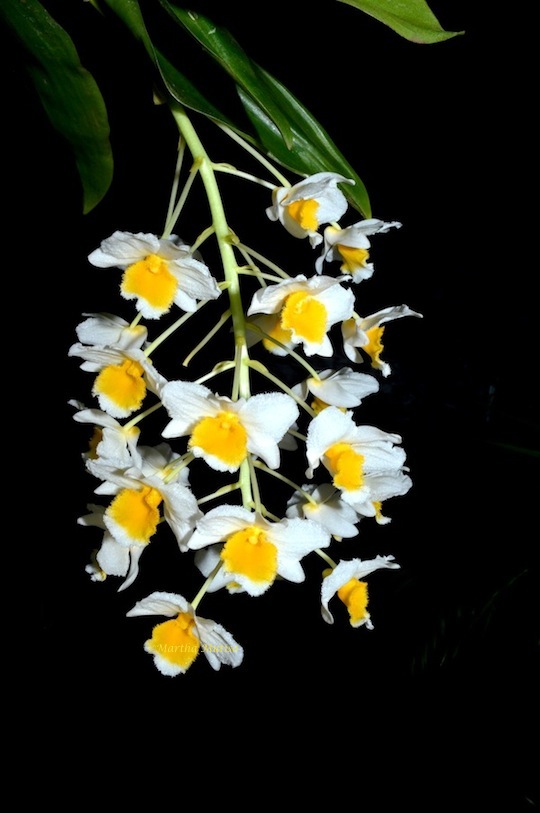
Dendrobium
Dendrobium


Cattleya Hybrid
Cattleya Hybrid


Blue butterfly
Blue butterfly


Admiring orchids in art
Admiring orchids art


Turns out I wasn't the only admirer!
Turns out I wasn’t the only admirer!


The Splendid Crow, one dive at a time

Bold, noisy, abundant and almost totally unafraid of people is the best way to describe the Indian House Crow, Corvus splendens, an exotic bird, which has become a major problem in cities along the East Coast of Africa. This crow has become widespread by introduction around the Indian Ocean and the East African Coast.

As an avian intruder, the Indian House Crow has been given the scientific name Corvus splendens: the ‘Splendid Crow’ is ironically undesirable for a number of reasons. It is an aggressive and opportunistic forager; it feeds largely on human scraps, small reptiles and other animals such as insects and other small invertebrates, eggs, nestlings, grain and fruits. Most food is taken from the ground, but also from trees as opportunity arises. It is a highly opportunistic bird and given its omnivorous diet, it can survive on nearly anything that is edible.

It has a devastating impact on indigenous bird populations by eating eggs and mobbing other birds that might compete with it or just for the sheer fun of it. Indian House Crows have also been blamed for causing power cuts in some areas, as they often construct nests on electric poles. They are now found in every East African coastal city, often scrabbling in large flocks through piles of garbage at the sides of roads.

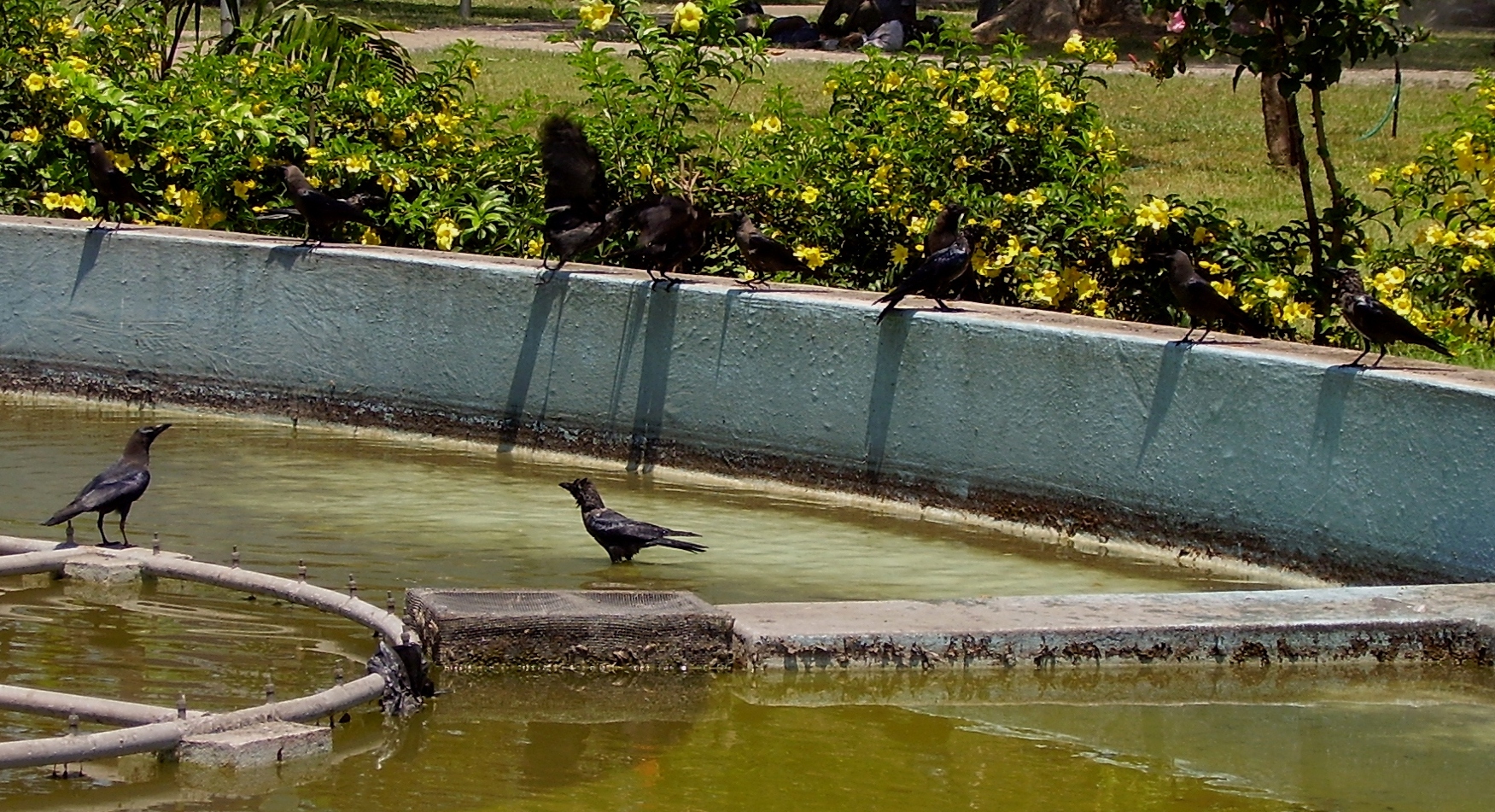
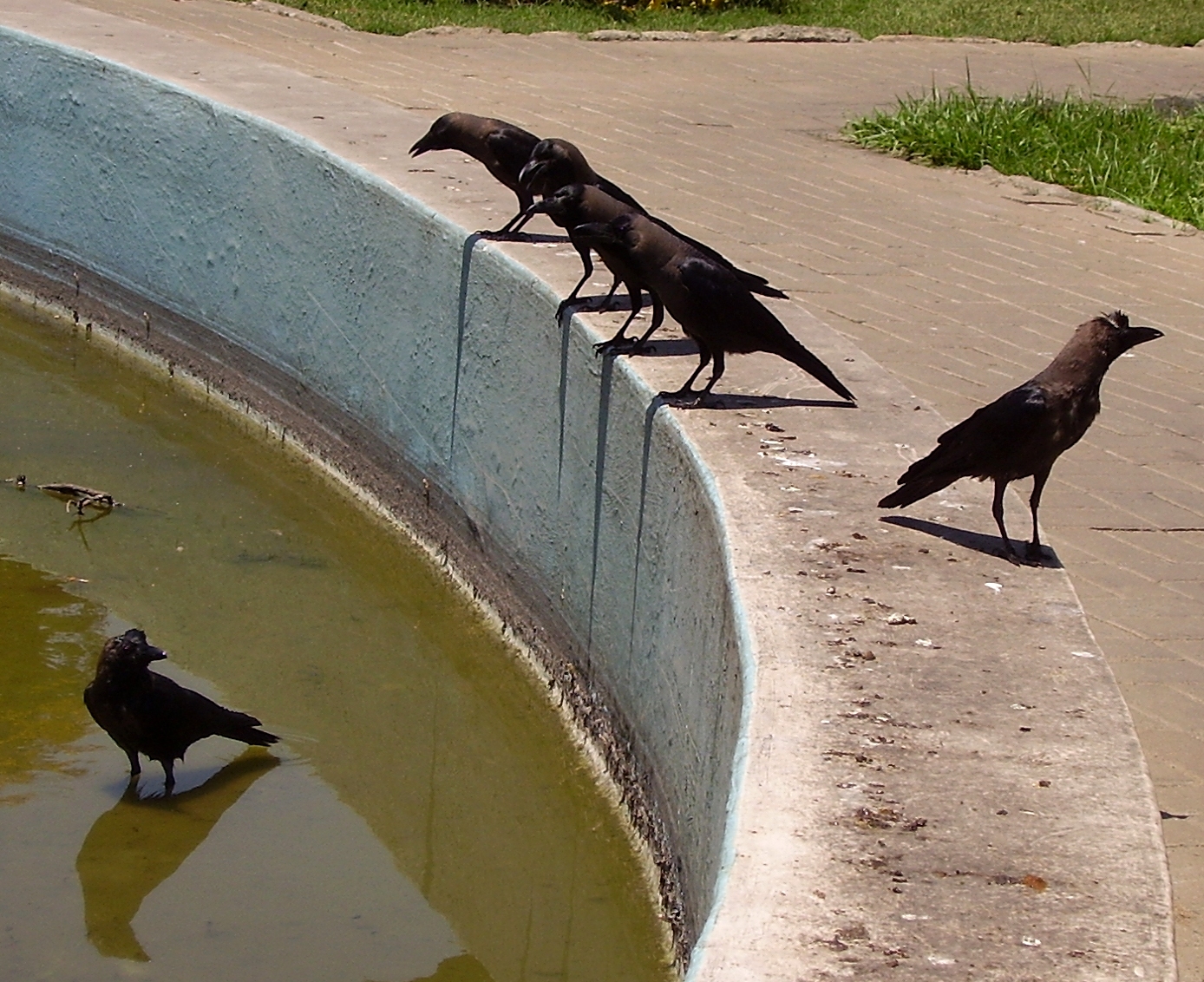
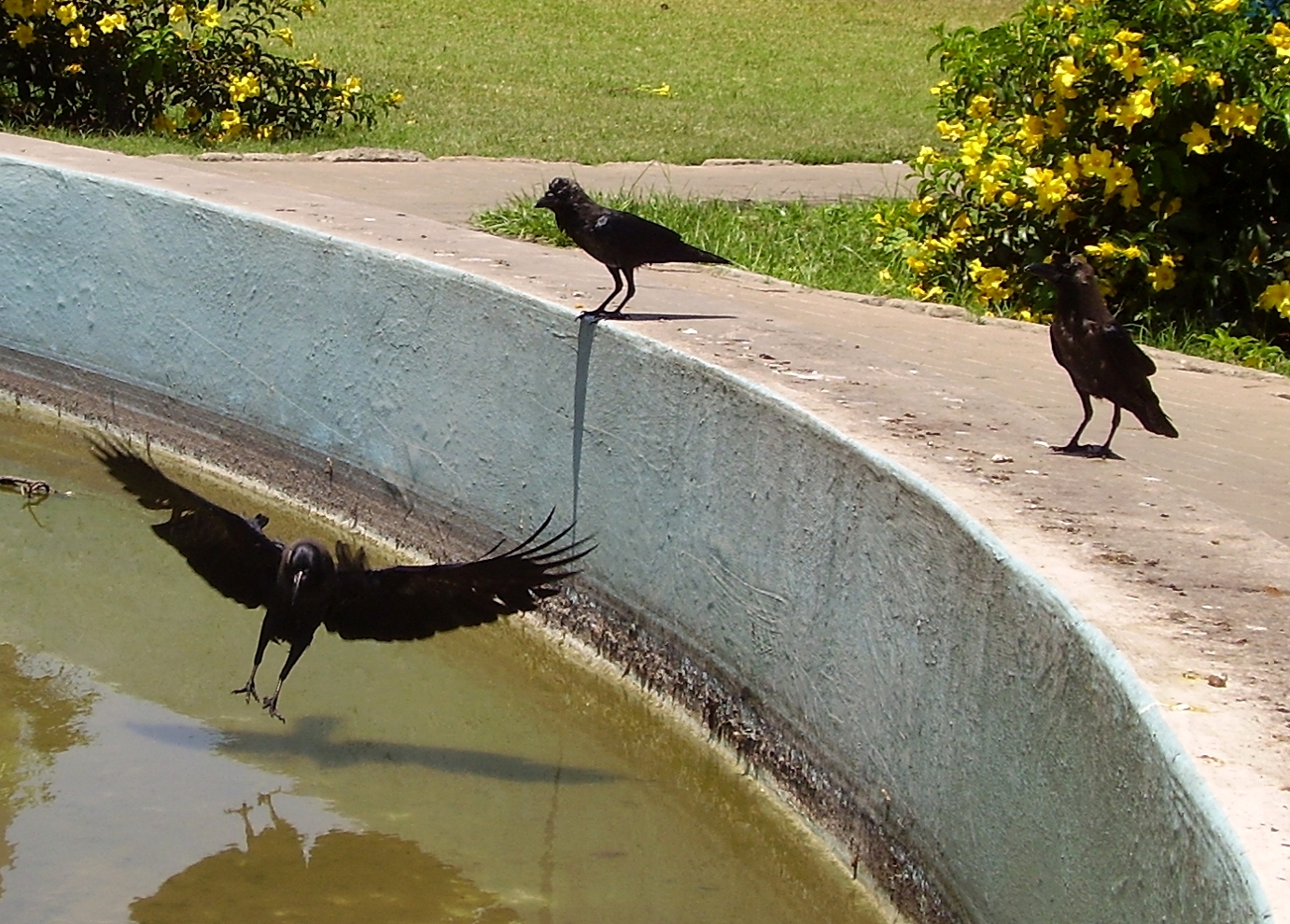
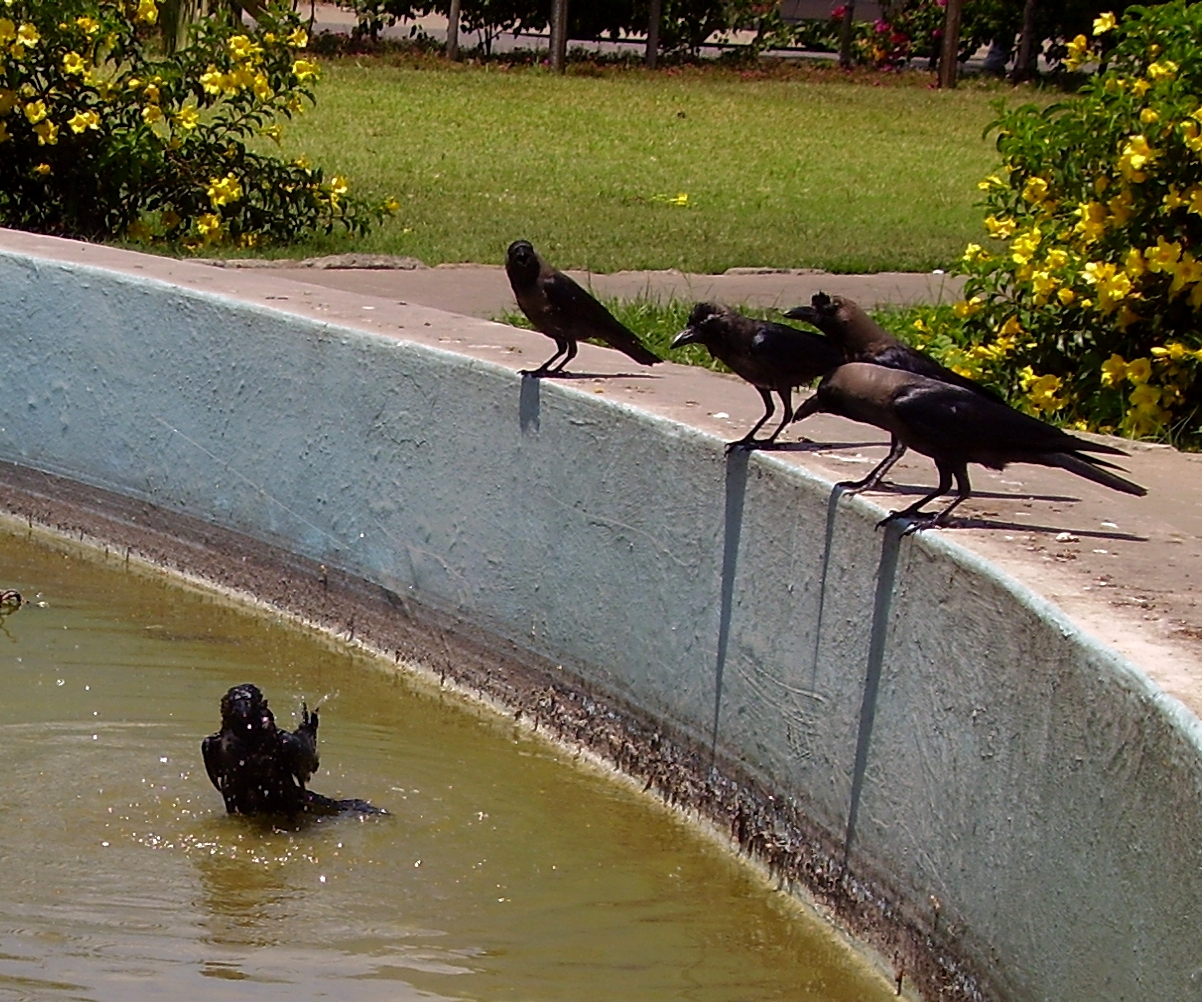
However, it might not be the same case with this flock of Indian House Crows at a water fountain opposite the Mombasa Railway Station. At mid day, with the heat of the sun at a higher degree, they would fly out in flock, circle around the water fountain and the garden and after five minutes they would, totally undisturbed by the passers by, dive in for a bath. This bath, done in turns, would last about two minutes and the next crow in line would dive in the water for the same period of time. This is unlike the Indian House Crow which is always associated with garbage sites and poor sanitation.

Indian House crows at the water fountain

The crows decide who goes first

They look on as they each wait for their turn

It's his turn
It’s his turn

“The Buffalo Rhino”

During a game drive in Nairobi National Park our group was very excited to spot the first Rhino of the day. The Nairobi National Park is one of the safest haven for both Black Rhinos (Diceros bicornis) and White Rhinos (Ceratotherium simum). The two species can be differentiated by their physical appearance, eating habits and social behavior. The White Rhinos are square-lipped, social and grazers; the Black Rhinos are hook-lipped, solitary and browsers.

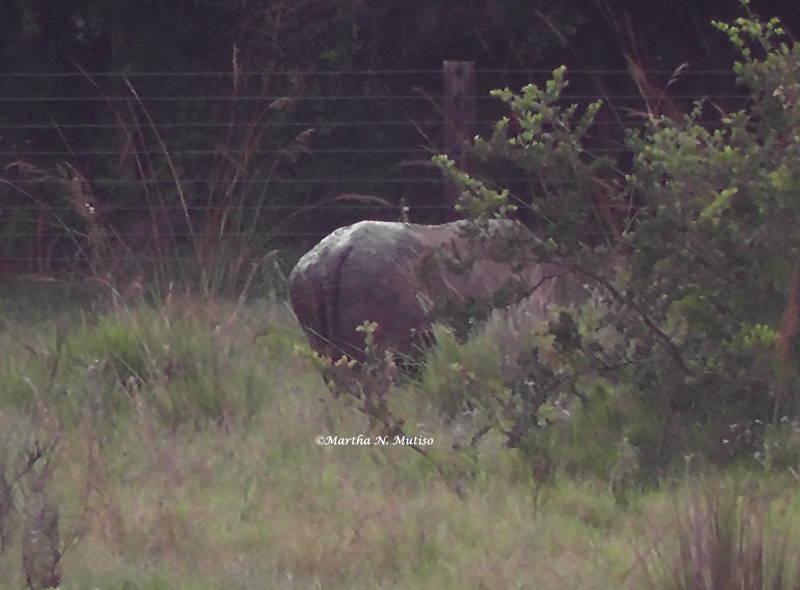
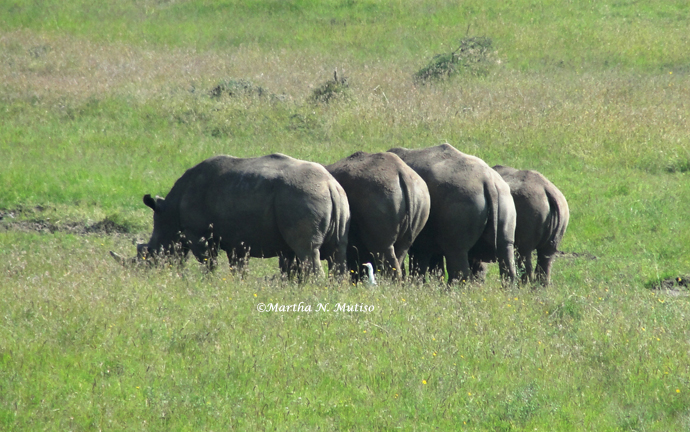
“Our Rhino” was very far and we all had turns using the binoculars to get a closer look at it. What we couldn’t tell was if it was Black Rhino or White Rhino, we could only see the rump.

The "rear" view
The “rear” view

Well, our group was a patient bunch and didn’t mind waiting for the Rhino to lift up its head. It didn’t take very long; it lifted its head to look at us. It was my turn to look the binoculars, and I could see its head very well. The head didn’t look like it belonged to a Rhino and the horns weren’t where they are supposed to be…

I don't look like a Rhino, do I?
I don’t look like a Rhino, do I?

It was humorously disappointing, but had a good laugh about our “special Rhino”, which turned out to be a Cape Buffalo. And every day after that, we all laughed and still do laugh at our Buffalo Rhino!!

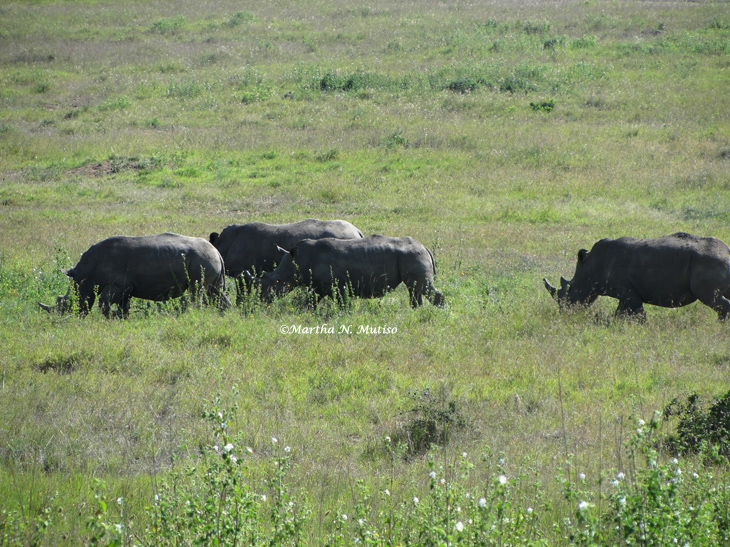
The excitement didn’t go to waste. Before we could call it a day at the Park, we were rewarded by our first sighting of not one but four Rhinos of the day, the White Rhinos. And this time round, we could clearly identify that they were Rhino Rhinos!

The White Rhinos (Ceratotherium simum)

We drove back to our camp, and reflected on how the rhino’s population is currently in decline due to poaching, habitat loss and illegal horn trade. We silently hoped that the species would survive long enough for future generations to marvel at their gracefulness and beauty.

We are where we belong, this planet is our home.

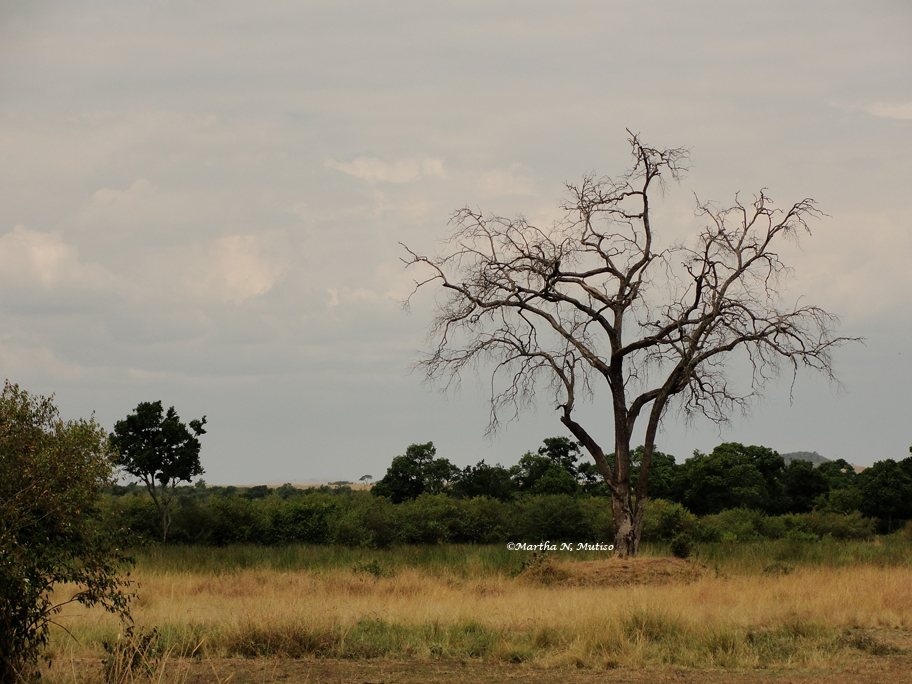
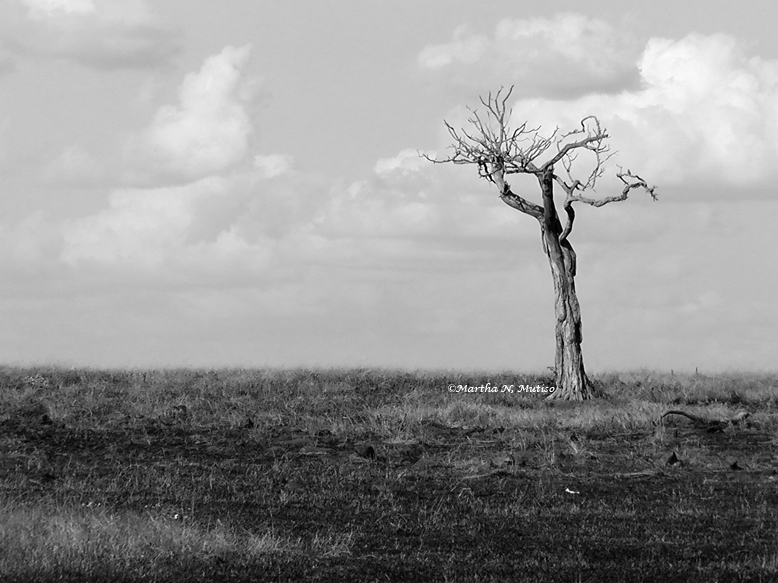
Look at that gorgeous dead tree!

Often times we look at dead trees and frown. I had a different reaction recently when my friend Elaine echoed my thoughts after passing a very dead dry tree during a game drive in Maasai Mara. Shelley, Elaine’s daughter, was quick to assure me that I would get this reaction for the rest of the trip. Dave, Elaine’s son-in-law, also made sure to let me know that Elaine would stop and photograph all the beauty along the way. As anyone would expect any foreigner’s reaction to a lion, cheetah or leopard sighting, it was refreshing to listen to oohs and aahs of a dead tree sighting. And for once during my outdoor activities, I knew I was bound to have the greatest time of my life with this lovely crew.

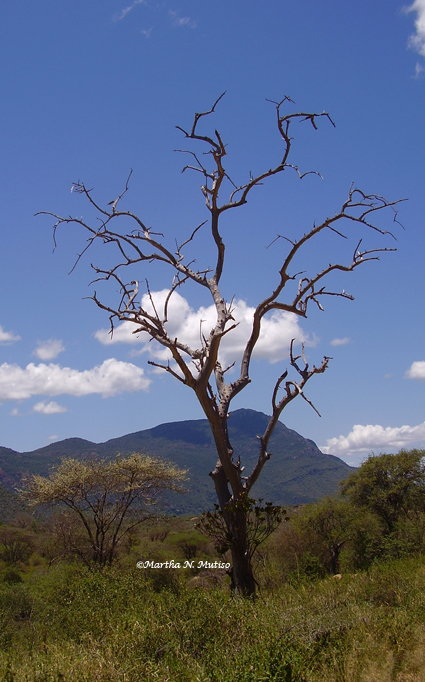
We came across many of these beautiful skeletons

Back to the dead trees, they often stand out in far away landscapes and decorate them in the most awe striking beauty I have ever witnessed. The importance of dead trees in the ecosystem has rarely received the consideration that it deserves. It has been found out that the removal of dead wood and dead trees may seriously affect the long-term availability and viability of habitat and diversity. It may also threaten primates, reptiles, insects and birds, which depend on dead wood and forest litter for their survival.

A gorgeous dead tree in Maasai Mara landscape

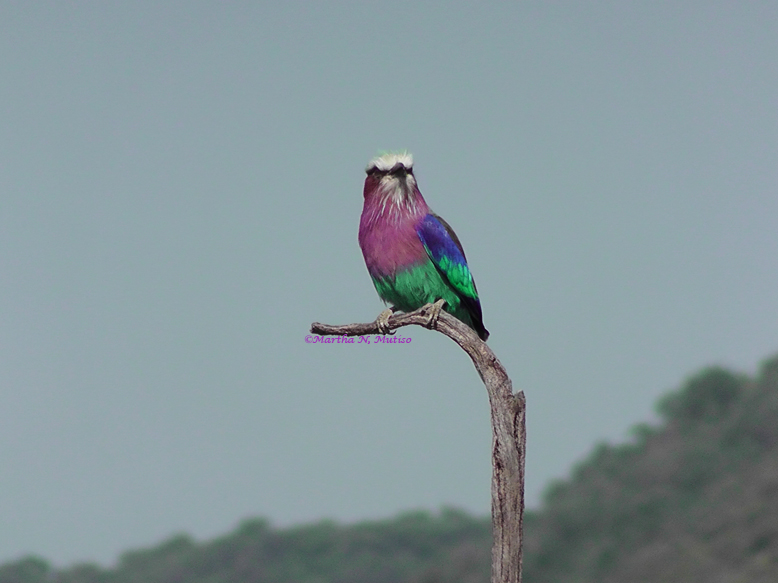
A Lilac Breasted Roller perched on a dead tree branch

My appreciation for gorgeous dead trees and other nature’s beauty was renewed during this trip. Like Elaine says, continue to enjoy dead tree skeletons as much as you can; they are the mirror of their past and each has a story to tell.

If i had a bumper sticker it would read “I love gorgeous dead trees”

The Four-eyed Frog

During a recent birding trip to Northern Rift Valley we visited a wetland that’s rich with bird diversity. But, this is not the only attraction in the area. The area had received heavy rains in the last couple of days and everything was alive and celebrating in their own unique ways.

The frogs and toads croaked and their songs filled the air on one section of the wetland. Wilson, my birding friend calls me and tells me to come and see a frog with four eyes!!

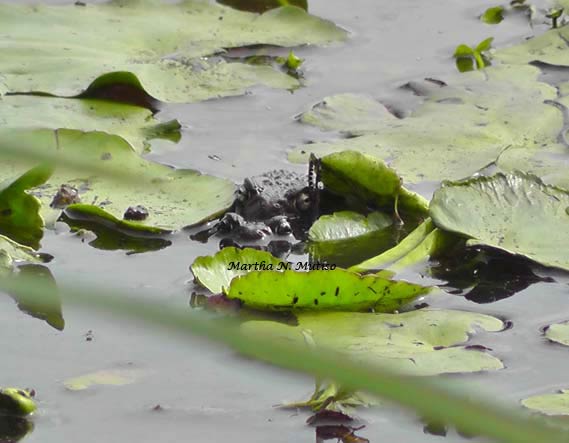
Really?! I’m curious, way too curious and ever ready to record any unusual occurrences in the wild. A four-eyed frog would just be enough for today. My gaze follows where his fingers are pointing. I can see the water lilies moving, but not because of the wind; it’s very calm. Within few minutes all I see is just two pairs of eyes peering just above the lilies. My camera is in motion-in video motion because they are not very close to me.

The birds are forgotten at this moment!! The movement goes on in the water, and still, nothing much can be seen except for the two pairs of eyes.

My patience pays off and atleast am sure I have more than just couple of eyes. It turns out that the four-eyed frog is none other than a couple of Guttural Toads mating!!

An injured Toad, a goat must have stepped on it 😉

Phew, am a bit disappointed that it wasn’t a Four-eyed Frog, but just excited that I have witnessed the behavior first-hand and happy to go back to birding after the croaky break!

Birding at Ahero Rice Scheme, Kisumu

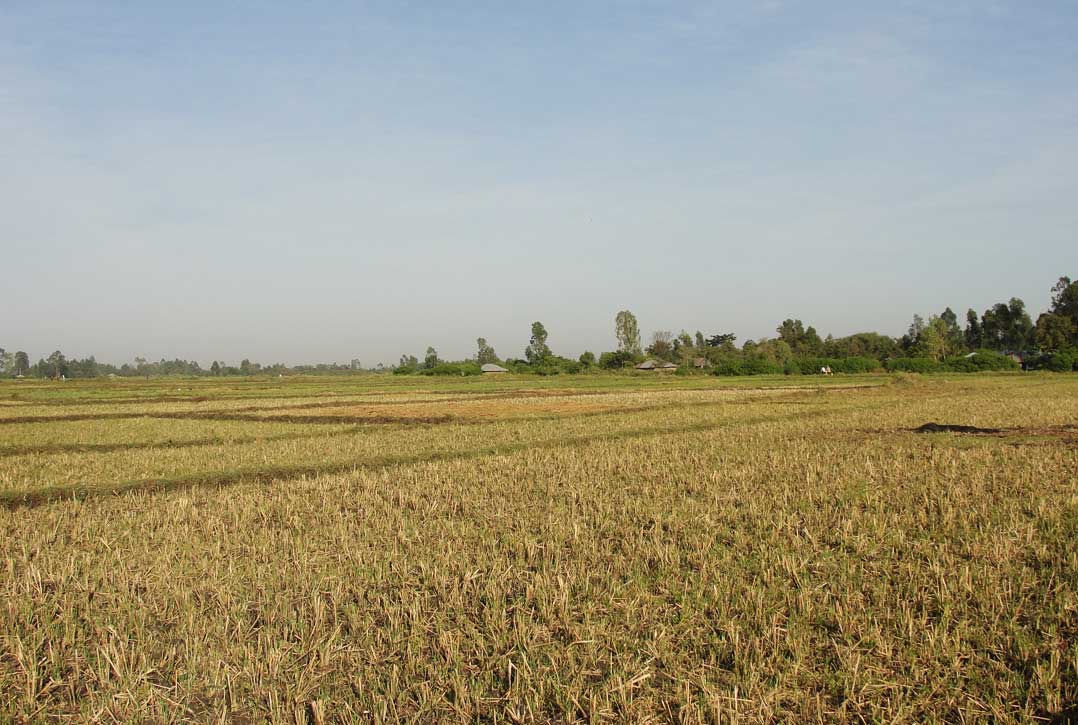
In January I joined Lake Victoria Sunset Birders for their waterfowl census in Kisumu. Due to limited funds, we only visited one site-the Ahero Rice Scheme, which was just as great. The Rice Scheme is managed by the National Irrigation Board and has provided Kisumu residents with employment, income and food security.

The Rice scheme, which is normally filled with water, was dry but it had variety of interesting waterfowl…and non-waterfowl…and non-avifauna!! We recorded Sandpipers, Storks, Ibises, Ducks, Herons, Egrets, Geese, and Hamerkops… and as usual, I managed to get some few photos that am proud of 😉

The Ahero Rice Scheme fields

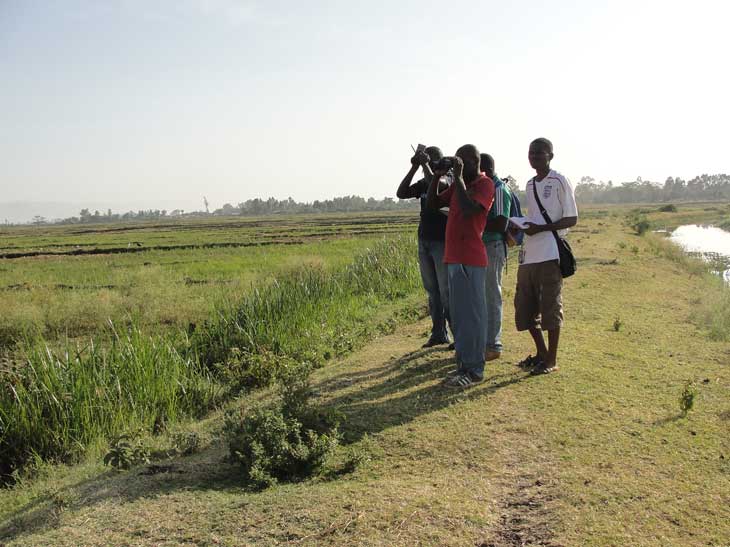
My group members scanning the fields

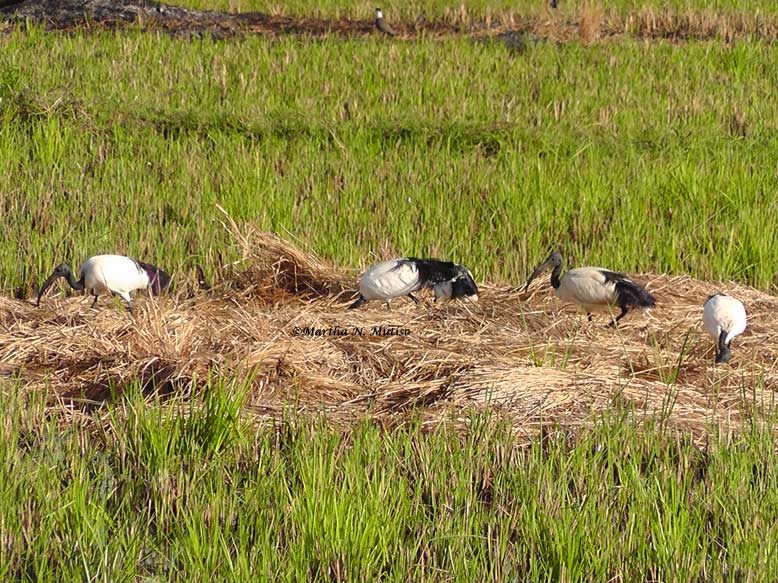
Sacred Ibis feeding on rice in the fields

The Open Billed Storks were special for me

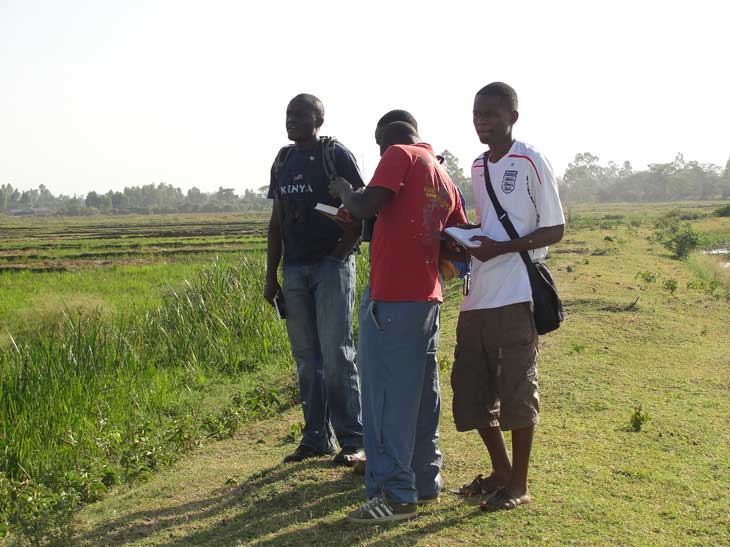
When in doubt, a field guide book is always handy for consultation

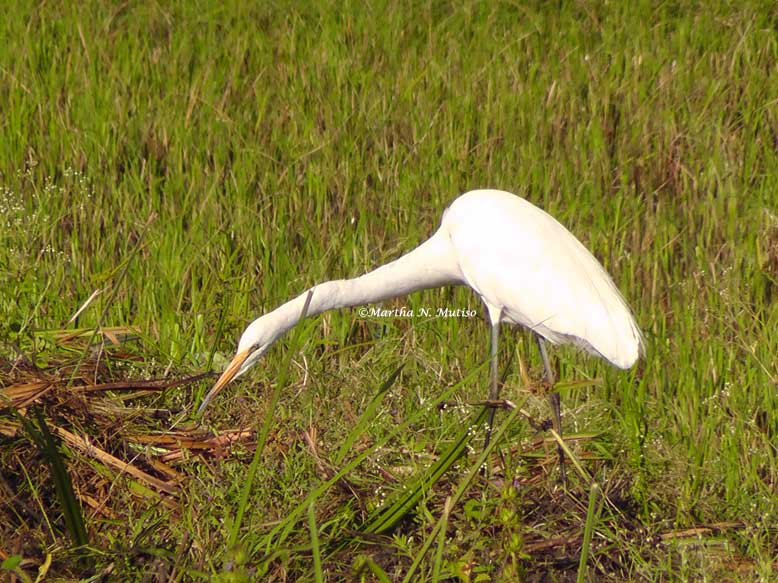
A Great Egret looking for worms in the soggy fields

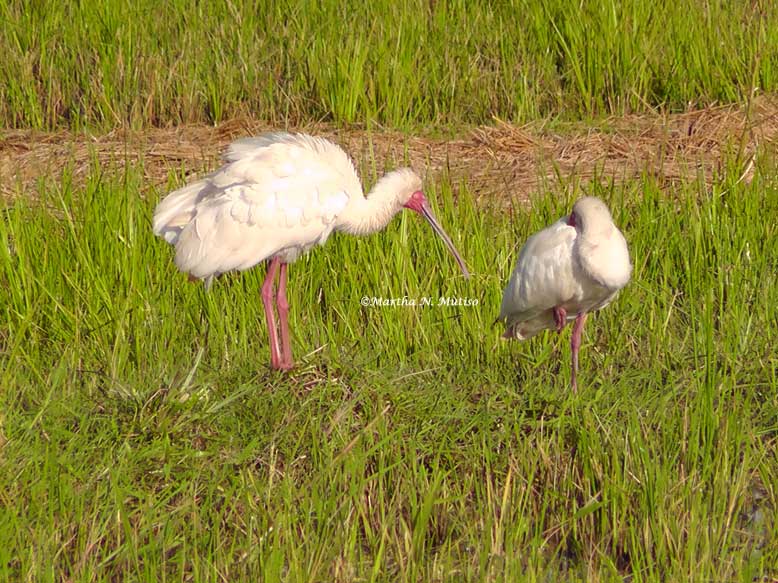
African Spoonbills

The Southern Red Bishops were stunning in their breeding plumages

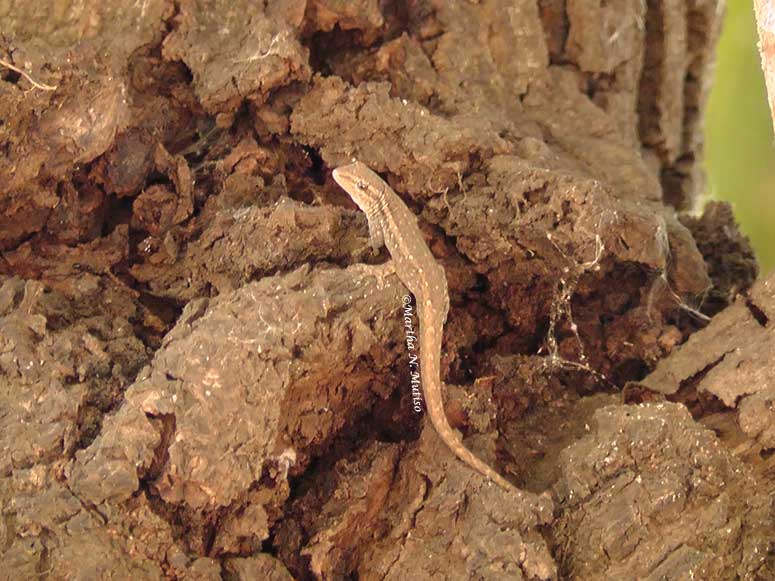
The Jackson’s Forest Lizard spotted during a detour away from the fields

My awesome and fun birding buddies, The Lake Victoria Sunset Birders 🙂

Beauty of Mt. Kenya National Park

The Mount Kenya National Park boasts of diverse flora, fauna and breath-taking scenery. A recent mountaineering expedition to Mt. Kenya revealed some of its well-hidden and best-kept secrets.

Mt Kenya, which is one of the attraction in the park, is the highest mountain in Kenya and the second highest in Africa, after Mt Kilimanjaro and is located in central Kenya. It lies just south of the equator. The highest peaks of the mountain are Batian (5,199 metres (17,057 ft)), Nelion (5,188 metres (17,021 ft)) and Point Lenana (4,985 metres (16,355 ft)).

The flora and fauna in the park is like no other in the country. During our 5 day expedition we encountered insects like beetles, ladybugs, flies and the fierce safari ants decorated the paths; colourful birds catching insects and sipping nectar from flowers; and mammals like the striped mice, Rock Hyrax, which were larger than the rock hyraxes am used to and the mischievous Syke’s monkeys which played on the bamboo forests. We also came across tracks and signs that other wildlife left behind as they roamed the park. These included Elephant and buffalo dung. The landscapes were breath taking; the rivers, whose water remained ice-cold, flowed gracefully.

Below is a slideshow of some of the biodiversity and landscapes of the park.

This slideshow requires JavaScript.