Hello. My name is Martha and I love nature, wildlife, wild expeditions, photography, film and wildlife acoustics. This site is about the places I visit and the wild things I encounter and capture; but most of all, it's about the people who I learn from and who make these moments enjoyable and memorable.
Warning-The blog may have too many photos ;-)
The World Bee Day is celebrated annually on May 20th to create awareness about the importance of bees and other pollinators, the threats faced by them and their essential role in sustainable development.
Bees are crucial for pollinating plants, essential for producing fruits, vegetables, and seeds. Their pollination efforts support ecosystem health, food security, and biodiversity.
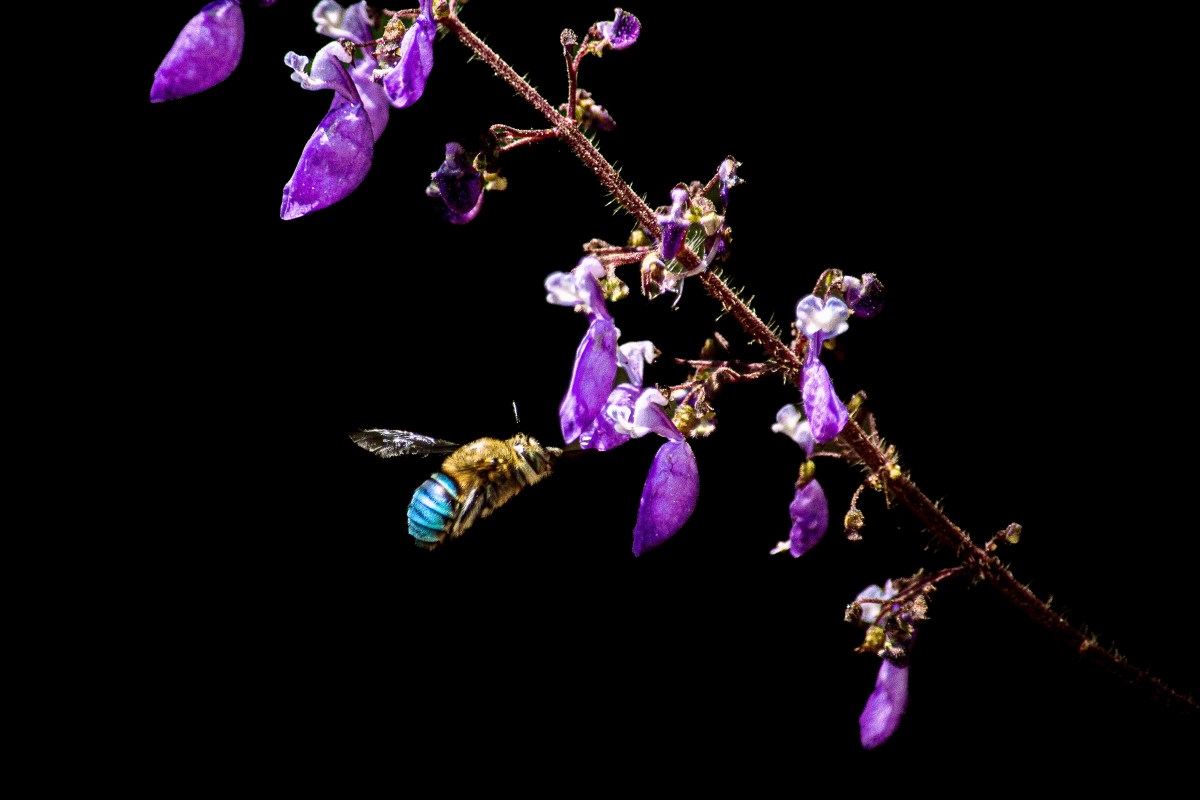
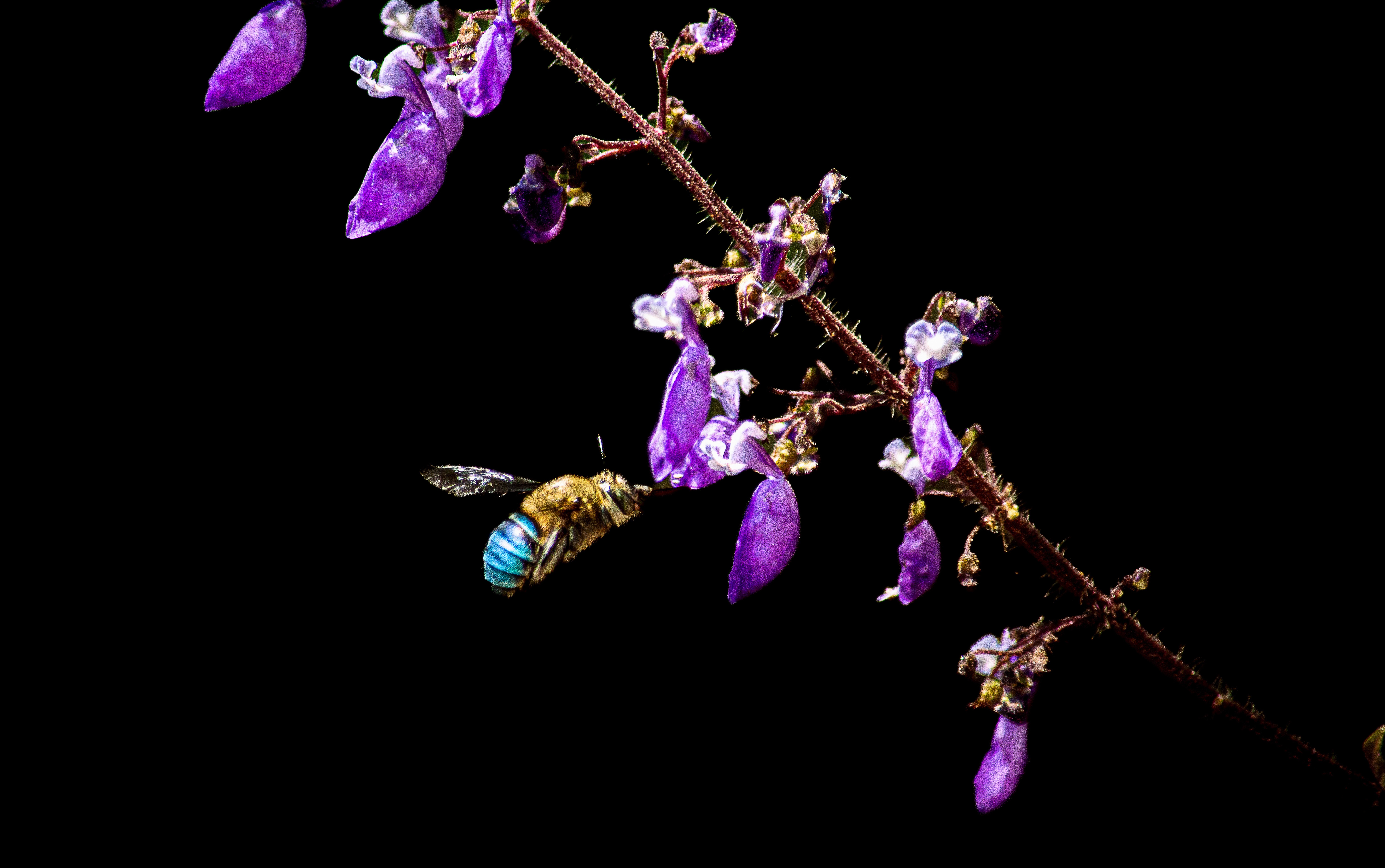
Amegilla bee photographed in Burundi
In this short video, Dr. Grace Asiko, former Director of the National Bee Keeping Institute, discusses the significance of World Bee Day for Kenya, its people, and its beekeepers, emphasizing bees’ roles in the ecosystem and food security.
Bees featured include Leafcutter bees, Stingless bees, African Honey bees, and Amegilla bees.
Have you encountered a bee lately? Share your experiences in the comments!
Happy to celebrate this year’s Endangered Species Day by sharing the exciting and timely win of my Sound of the Year Awards Highly Commended submission in the Disappearing Sound-Sound worth saving Category (Tree Hyrax Call in Mt. Kenya).
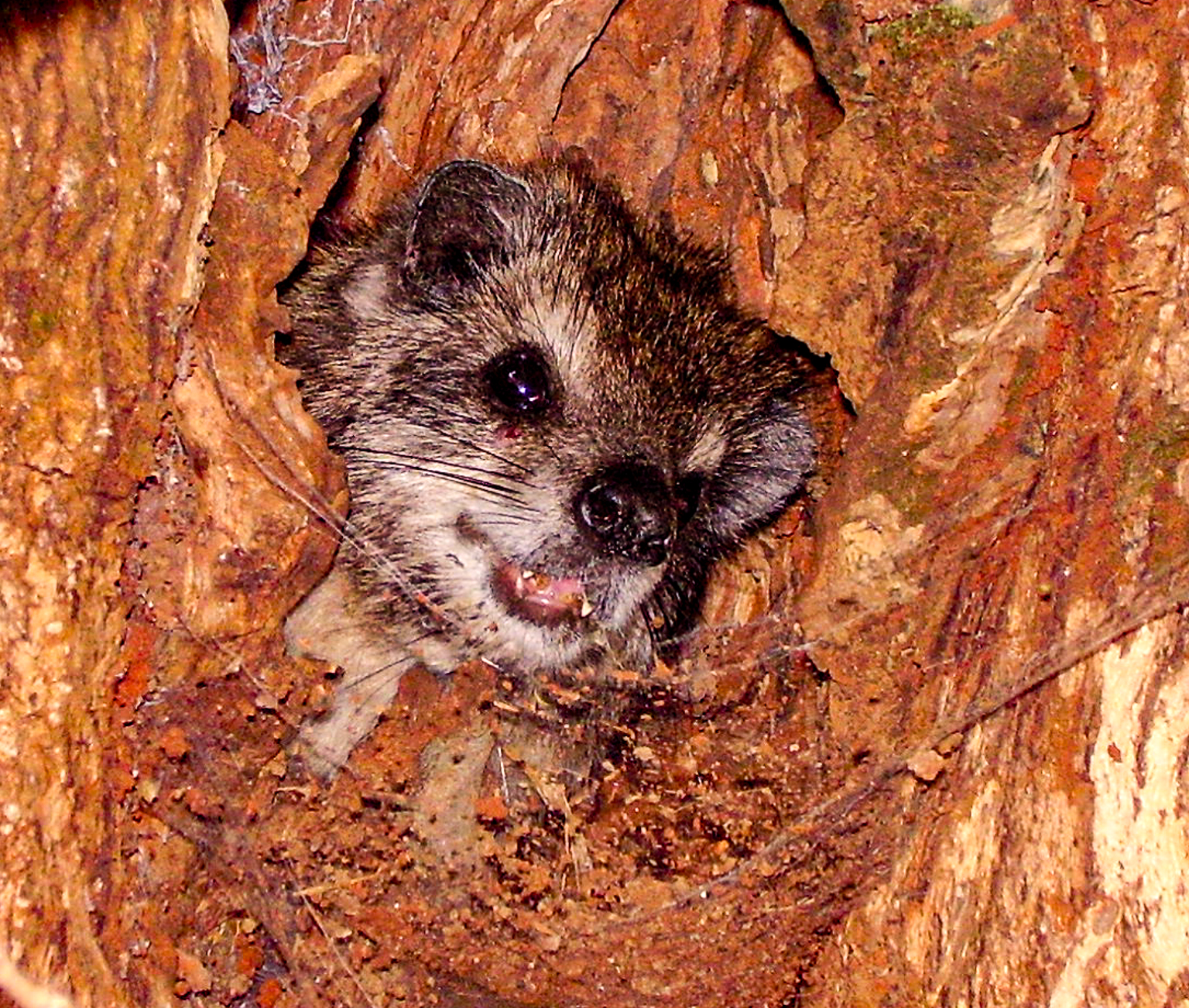
The Eastern Tree Hyraxes are medium-sized solitary mammals living in the canopies of tropical forests. They communicate with each other via loud, repetitive vocal calls. They are shy and only move at night, to forage for food or look for mates. In 2015, the IUCN designated the Eastern Tree Hyrax as Near Threatened. Their sounds are some of the loudest and creepiest of all, especially when they echo through the night. They’re so spooky that upon arrival at some of the hotels in Mt. Kenya, guests are notified of strange noises and calls that may be heard at night. They are assured that the hotel they have checked into is not haunted. Guests exchange bewildered looks, shrug, and immediately forget the warning as soon as they settle into their rooms.
Tree Hyrax in a tree hole
Then it begins. The deafening loud shrieks of the Tree hyraxes invade the night. As the night unfolds, so do the calls, echoing throughout the forest. They eventually quiet down, and then rise once more in the wee hours of the morning. These are my favorite times of the day. While the world slumbers, I listen to the haunting shrieks of the Tree Hyrax, a unique and captivating melody that unfolds in the stillness of the night!
Due to the recent forest fires and logging that have ravaged Mt. Kenya Forest, the loud, haunting calls of the Tree Hyraxes in our forests may become a sound of the past. The Sound of the year Awards celebrates sound in all its forms and from all corners of the world. In the Disappearing Sounds category, participants submitted sounds that are worth saving. But how do you save a sound? By saving wildlife and their habitats! Enjoy the sound of the Tree Hyrax, a sound worth saving in Mt Kenya. Happy Endangered Species Day.
I’m joining this year’s International Dawn Chorus Day celebrations by sharing the beautiful dawn chorus from the Kirandich dam. Kirandich dam is a man-made dam that was constructed to supply clean, drinking water to the people of Kabarnet in Baringo County. International Dawn Chorus Day is the worldwide celebration of nature’s greatest symphony that takes place every first Sunday of May. People across the world rise early to listen, record and share the sounds of birdsong in their backyards.
Nestled in scenic hills, rivers, riverine forests, and dense woodlands, Kirandich dam serves as a hot spot for diverse flora and fauna. At dawn, the serene atmosphere is disrupted by the vibrant calls of Hadada Ibises, signaling the start of a new day. They are joined by more bird species singing including White-browed Robin Chats, Common Bulbuls, Tinkerbirds, and Tropical Boubous, filling the air with fascinating avian tunes. The loud call of the African Fish Eagle further confirms the dam’s thriving aquatic ecosystem, teeming with life. Happy International Dawn Chorus Day!
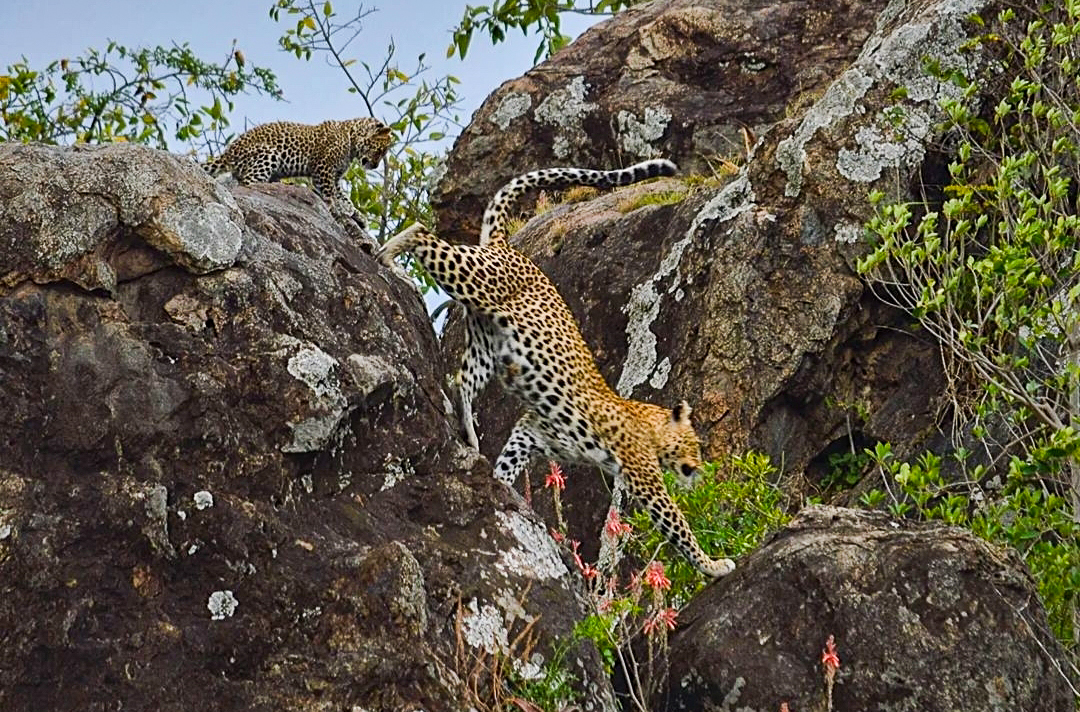
While on an afternoon game drive in Serengeti National Park, we encountered a leopard laying on one of the many rocky outcrops in the park. As we watched it, it slowly sat up, yawned and stared at us. As with nature, we were not quite sure what would unfold before our eyes. From our safari vehicle, we could see that the leopard had a swollen belly; an indication of a pregnancy or a full belly after a good meal. As we debated what the reason could be, we were amazed by a quick entry of a tiny, fluffy ball of presence, that blended well with the rocky outcrop. It was a leopard cub!
Mama Leopard on the move!
After giving birth, leopards hide their cubs for few weeks to protect them from predators. They are then moved from one hideout to another until they are old and strong enough to venture out on their own. Our group was excited about the unfolding scene of the cub playfully jumping around mom and tagging her tail, as if to celebrate her short-lived freedom in the open. This went on for a few minutes until the mom gave her a tender smack, as if to tell the cub to go back into hiding. Witnessing the cub’s playful antics alongside its mom was a special moment for us, a gentle reminder that these cats need our appreciation and protection to safeguard their future.
On this International Day of the Leopard, may we reflect on their beauty and the importance of conserving these them and their habitats. Let’s treasure moments like these, the connection, wonder, and admiration for the wild. Happy International Leopard Day!
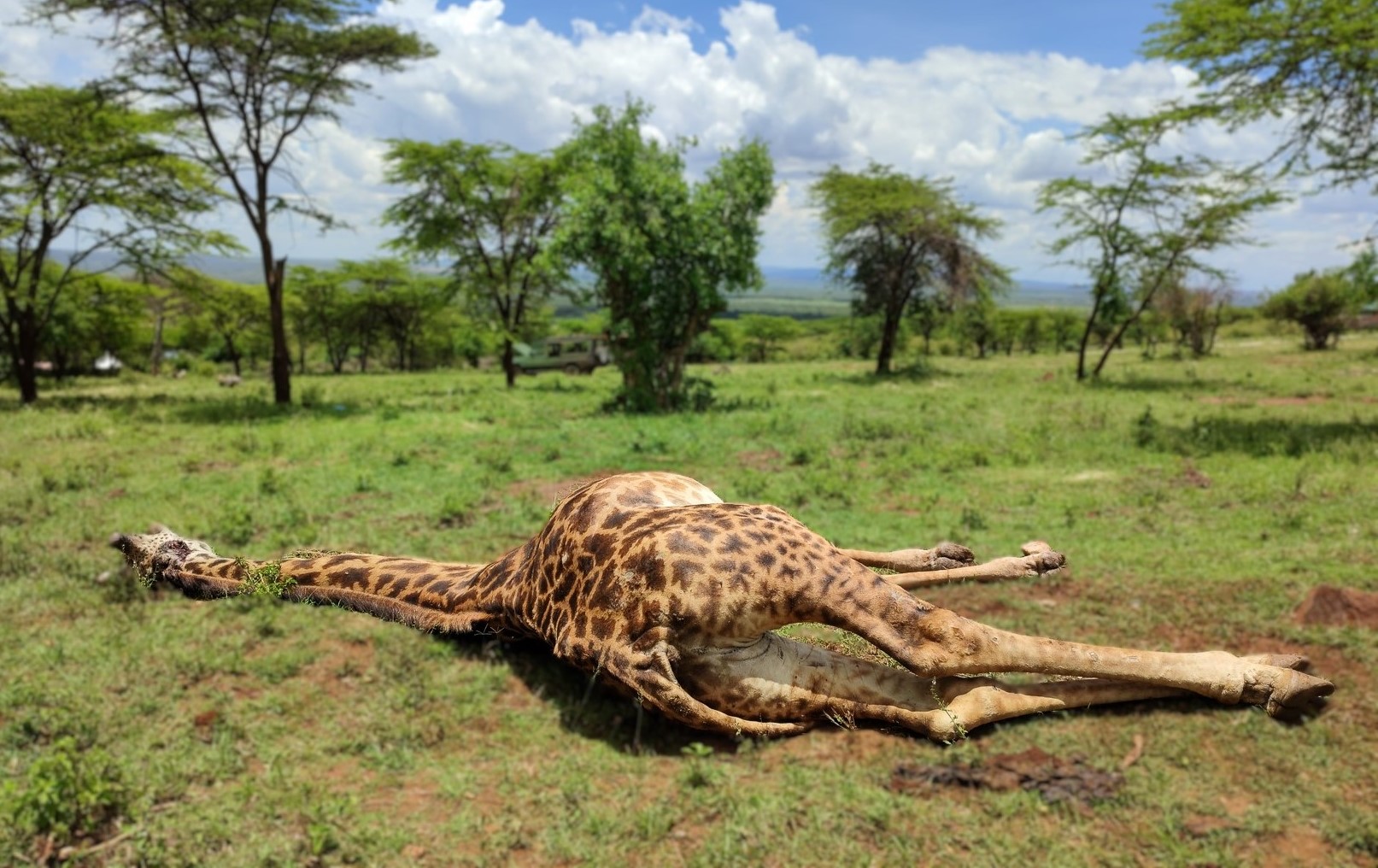
The world recently marked International Hyena Day, which is celebrated every year on April 27th.The day is dedicated to highlighting the important role they play in the ecosystem. During a recent visit in Maasai Mara, nature took its course when a giraffe died of old age. This was confirmed by knowledgeable wildlife vets and local wardens. According to them, there were no signs of attacks by humans or other predators, or of disease. From the way the body lay, it seemed to have fallen, but wasn’t able to stand due to being weak after hitting its head on the ground. Additionally, the giraffe had teeth missing, probably due to old age.
Giraffe on Day 1
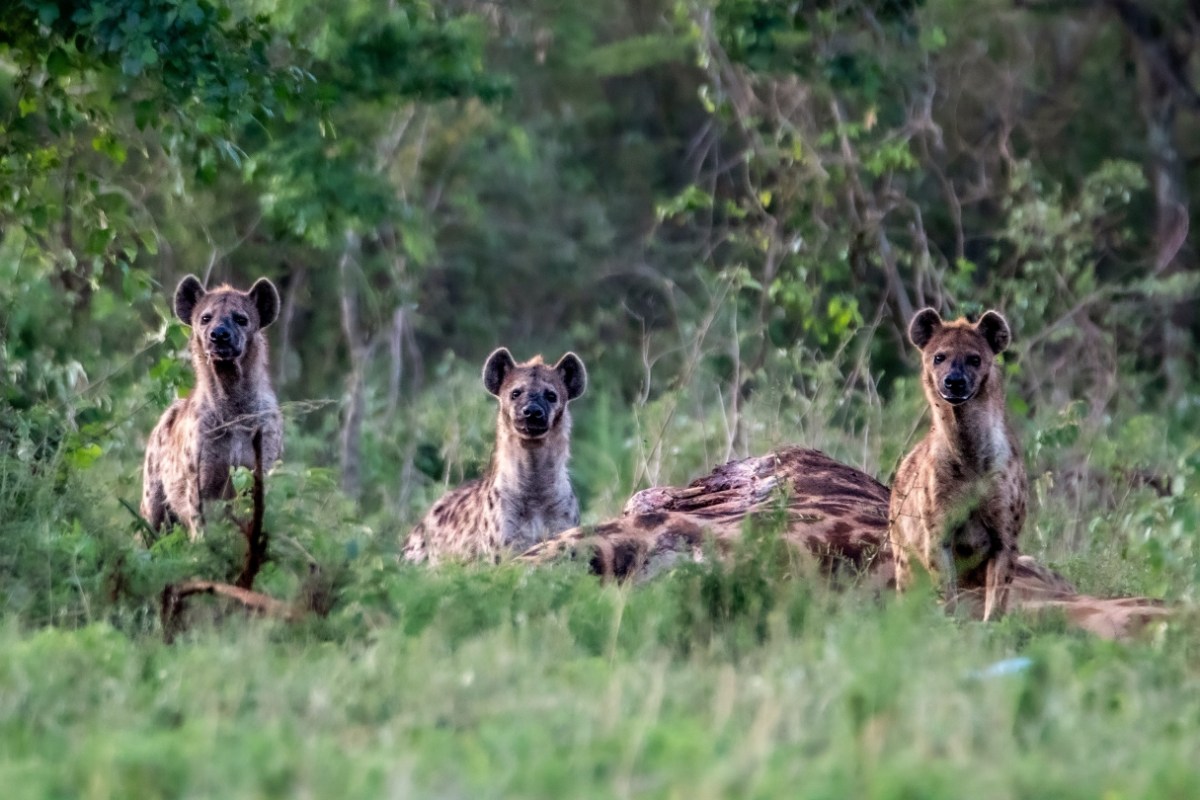
Having watched and heard scavengers on a kill, I wanted to have a recording of the same. Because these species are mainly active at night, I placed my recorder in a tree next to the carcass in order to capture the sounds of the feeding frenzy that would follow. As expected, the carcass soon attracted scavengers as the day progressed; jackals and hyenas showed up to survey the scene. They would try to bite off some meat, before running away.
Hyenas ready for the feast
Soon, the otherwise silent night was filled with the spooky symphony of hyenas laughing and shrieking, while the jackals barked and growled at each other as they all tried to have a piece of the carcass. As it was a huge giraffe, this nocturnal feast went on for the rest of the week.
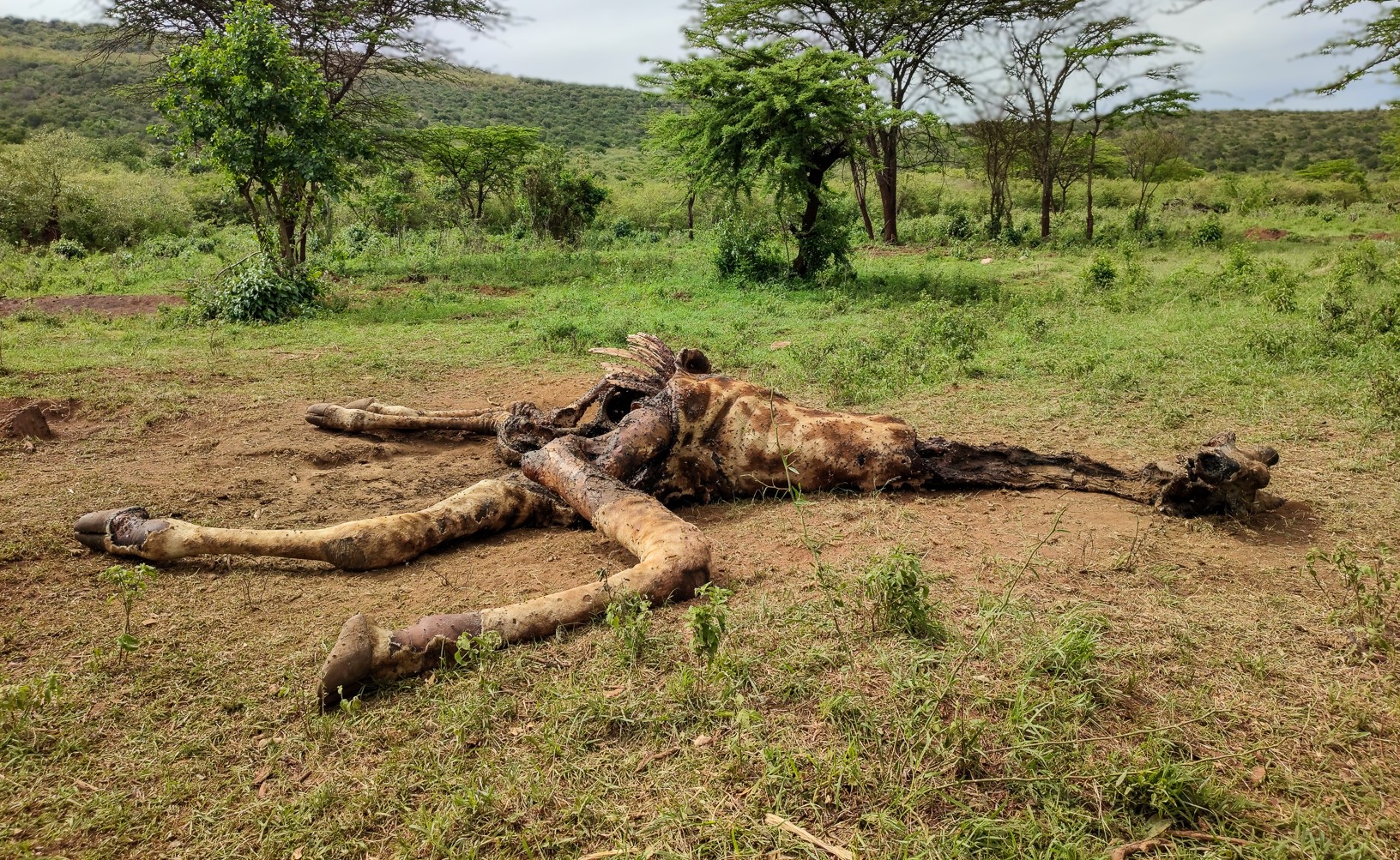
On the fourth day, the carcass was almost stripped to the bone, proving how quickly the hyenas and jackals can finish a carcass. This event was an emotional reminder that in the midst of nature’s beauty and tranquility, there also exists an undeniable air of sadness and unpredictability. Scavengers’ role in consuming the remains of dead animals is vital for maintaining ecological balance, preventing the spread of disease, and ensuring the continuity of the circle of life!
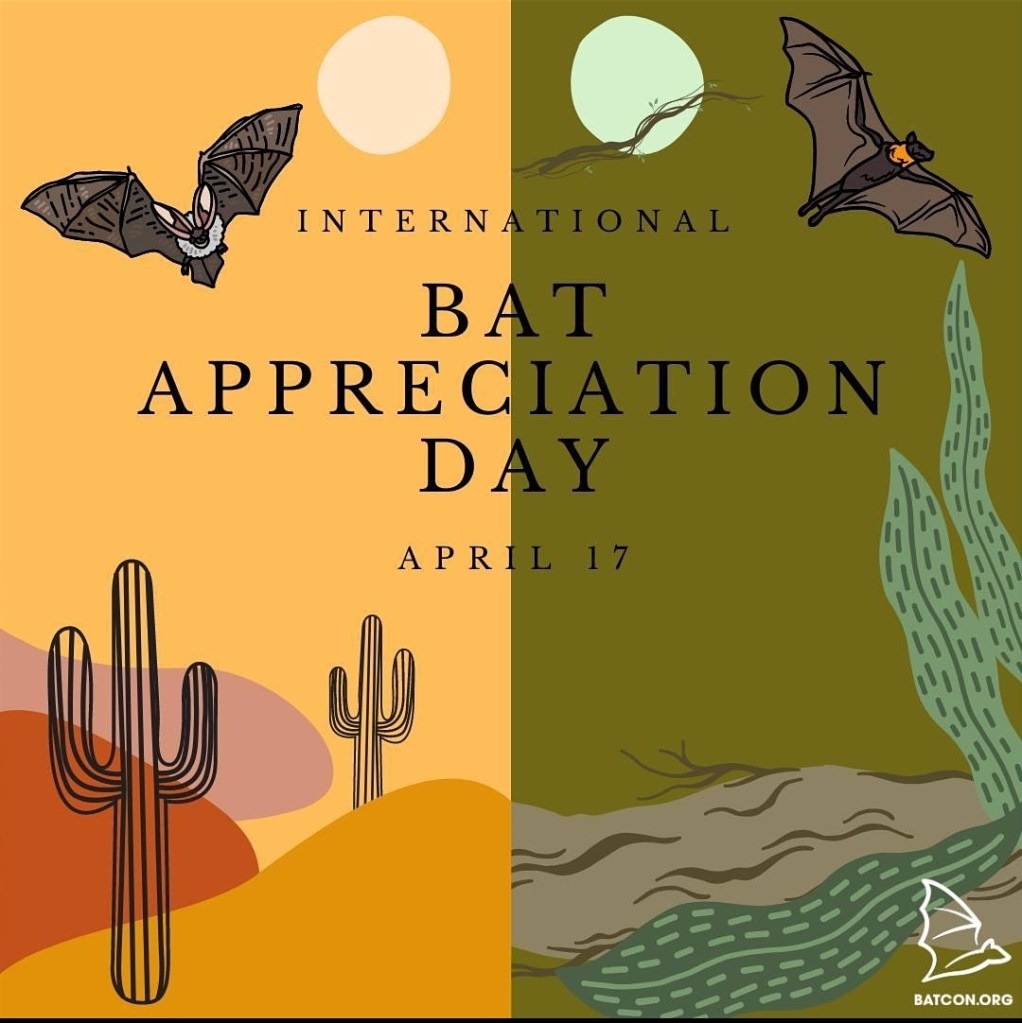
Every year on April 17, the world celebrates International Bat Appreciation Day to remind us of the important role that bats play in our daily lives. They help pollinate flowers and fruits, control agricultural pests and create rich fertilizer for communities.
I recently had one of the most interesting bat encounters during a recent field recording expedition to Mpanga Forest Reserve in Uganda. On a quest to record some of Africa’s quiet places, I was treated to one of the most weird and beautiful animal sounds I’ve ever heard, the Hammer headed fruit bat’s honk! It’s a sound I would not have associated with bats.
I learnt that the males of this bat species use the honk to compete against each other and attract females. The bat with the loudest honk wins a mate!
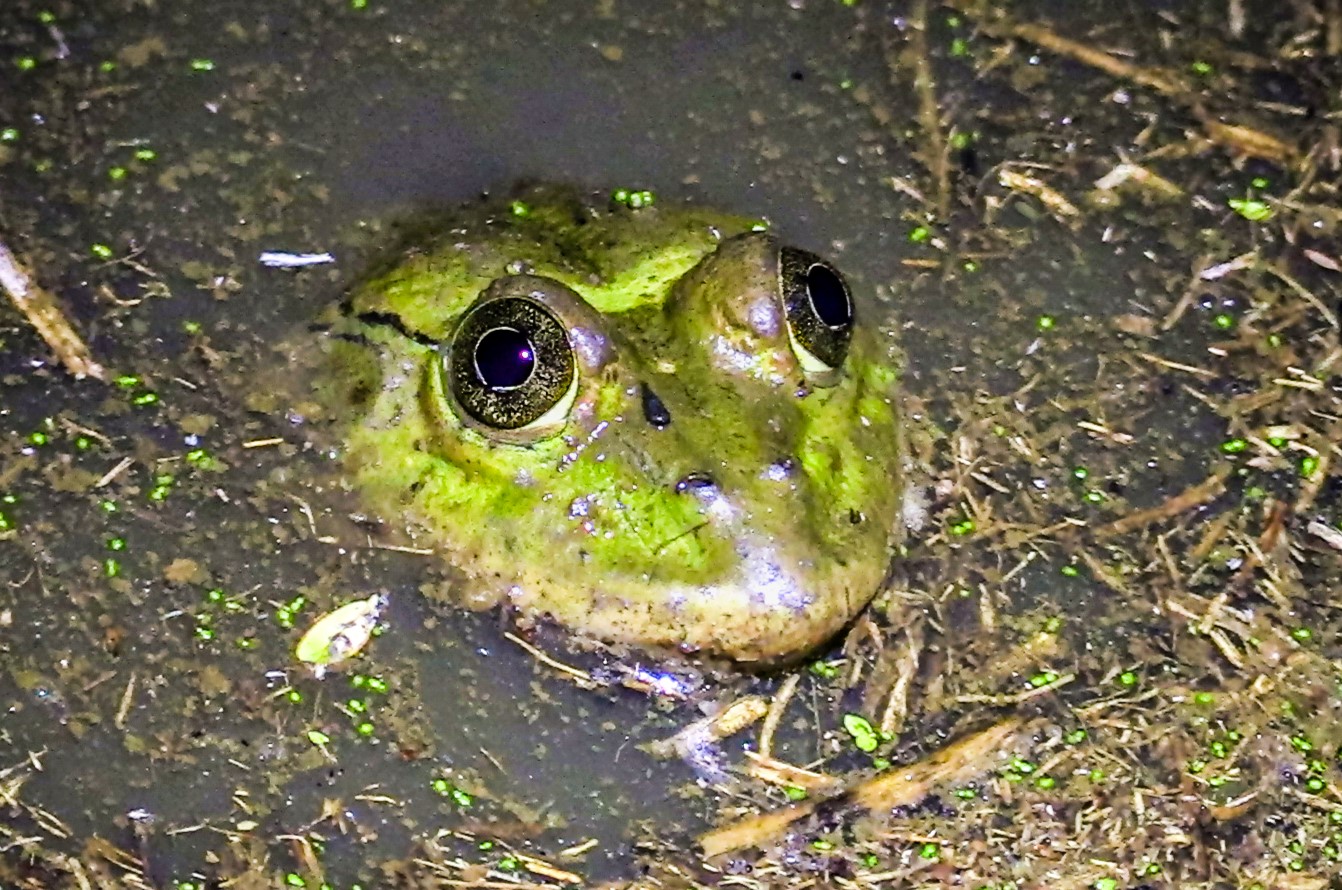
Happy World Frog Day! Today marks the annual celebration on March 20th dedicated to raising awareness about the significance of amphibians, especially frogs, and their ecosystems. Frogs are crucial in maintaining ecological balance by controlling insect populations and acting as environmental health indicators, particularly in wetlands. However, they face various threats like habitat loss, pollution, climate change, and disease.
Groove Crowned Bullfrog photographed in Sawaiti Swamp, Mogotio
Recording frog sounds is vital for conservation efforts, helping scientists in population monitoring, behavioral studies, and habitat health assessments. Conservation biologists worldwide are diligently researching these species, seeking solutions to these challenges. Understanding their behaviors, including vocalizations, provides crucial data for conservation strategies, ensuring the preservation of these species and their habitats for generations to come. I extend my gratitude to Dr. Patrick Malonza and other herpetologists for their contributions to amphibian research, especially frogs. Enjoy one of many amphibian choruses recorded during a visit to Nashulai Maasai Mara Conservancy, recently published by Earth.fm! Have a listen!
Crowned Bullfrog’s advertisement call, a slightly rising low gnarl, emerging above the Puddle frogs’ dominant call
It’s been a long while since I posted on this space and it’s only fair to follow up from where I left off in my last post – with some colour and fragrance! I have been going to the Orchid Show every year and it keeps getting better and bigger and more creative. I invited my friend to last year’s Orchid Show in Nairobi, and we had an incredible time interacting with different orchid exhibitors, hobbyists, and enthusiasts. He had a blast and made an incredible short film about it. Have a watch…and follow/subscribe to our channels for more wild videos! Read about this year’s Orchid show here.
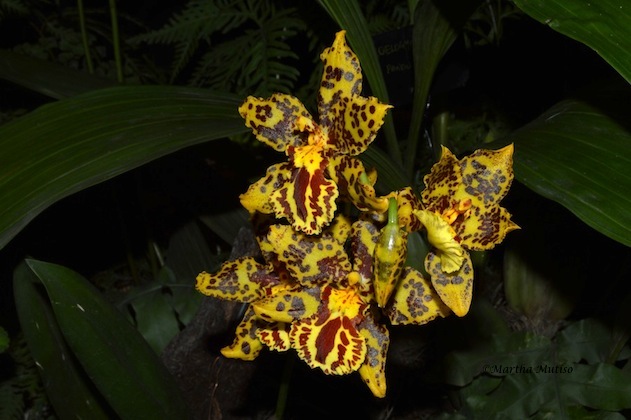
Today’s post is to celebrate colour, shape, size, form, character and diversity of a group of plants called Orchids. The other day I went for an Orchid festival in Nairobi, where orchid enthusiasts and growers come together to celebrate and exchange these beautiful plants. Shortly after that, a friend of mine shared some photos from a photographer who had gotten closer to the orchids’ characters; more than I did mine. And it got me thinking of this post and sharing photos of these lovely flowers.
Orchids have an amazing array of plant sizes, forms and aspects. They are plants of mystery with exotic colour combinations and enticing fragrances. The Family name Orchidaceae is derived from the Greek word Orchis. Orchis means “testicles” and refers to the shape of the tubers of a group of terrestrial orchids.
Orchid flowers can be huge or tiny. As with colour and scent, flower size is influenced by the orchid’s pollinators. Night flying moths are the frequent pollinators of the large sized orchid flowers, while clouds of tiny insects swarming through the forest are the pollinators of the smaller sized orchid flowers.
Some orchids have attractive fragrance and this adds an advantage of luring the pollinators from farther away than visual cues. In the wild, some fragrant orchids will release their perfume to coincide with the time of day when their pollinators are most active. Some orchids have fragrance early in the morning, others during the warmest part of the day and others in the evening after sunset.
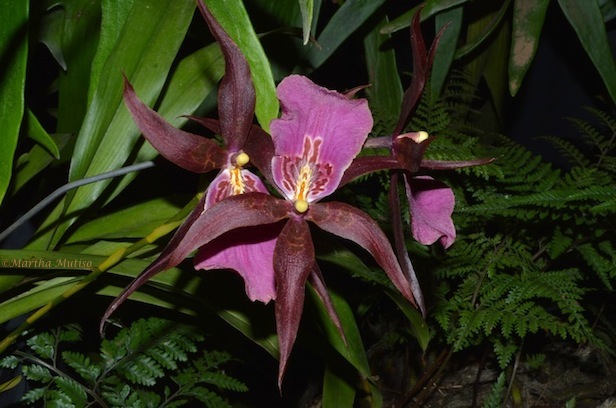
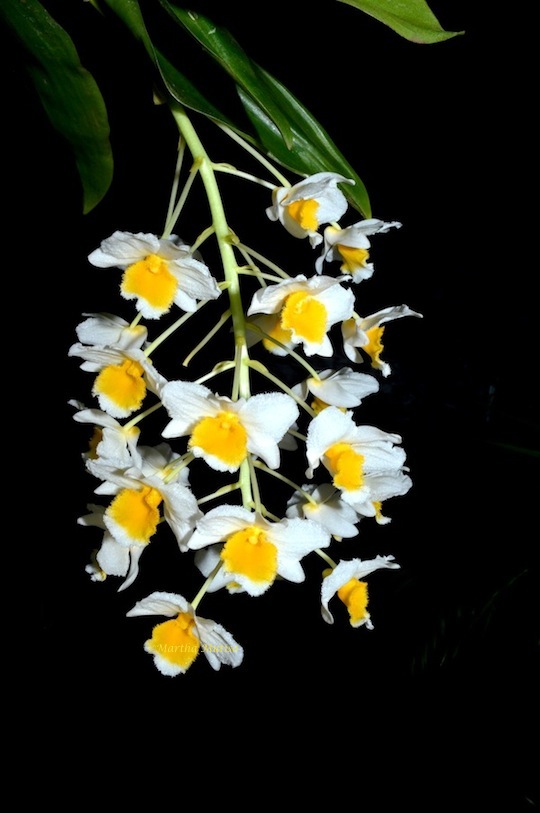
Simply enjoy these colourful and “shapeful” shots that I got from the Orchid festival!
Wildcat
The butterfly orchid often called so because its yellow and brown flowers resemble and insect, from the broad lip to the prominent dorsal sepal and slender upright petals that look like antennae
Tay Sweet King
Tahoma glacier
Swiss Beauty
Pink Slipper
Pink delight
Pink dawn
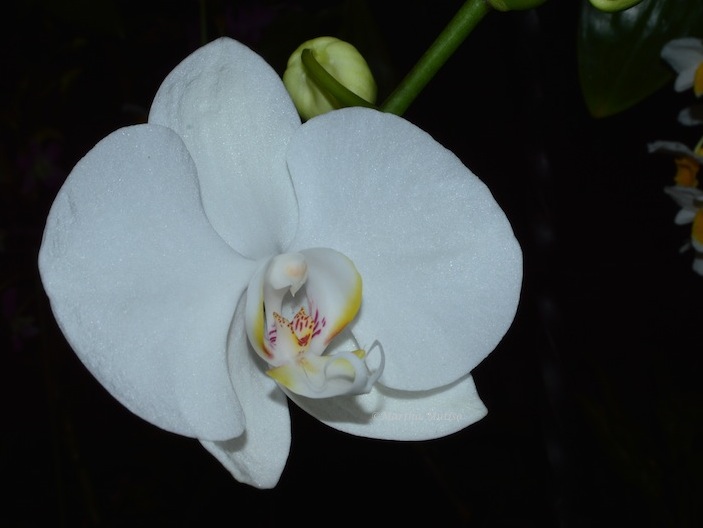
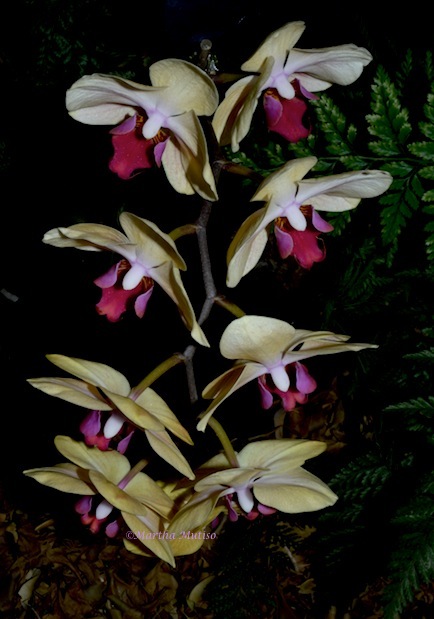
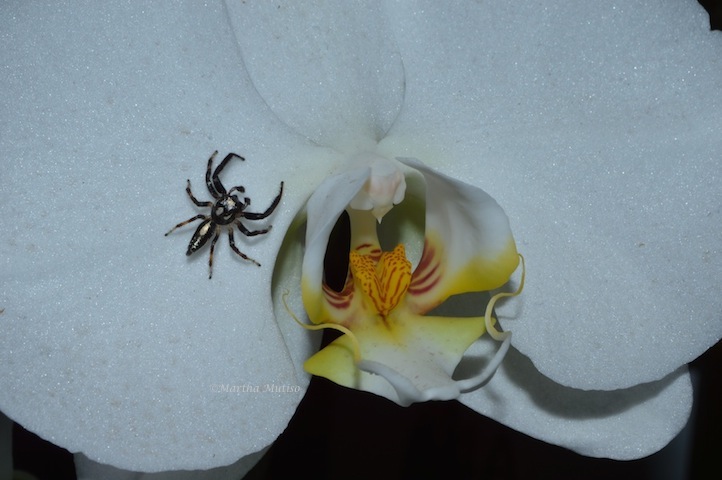
Phalaenopsis-They resemble a winged insect in flight
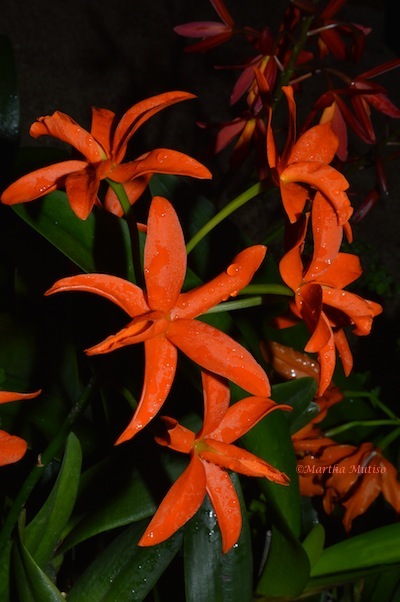
Orange princess
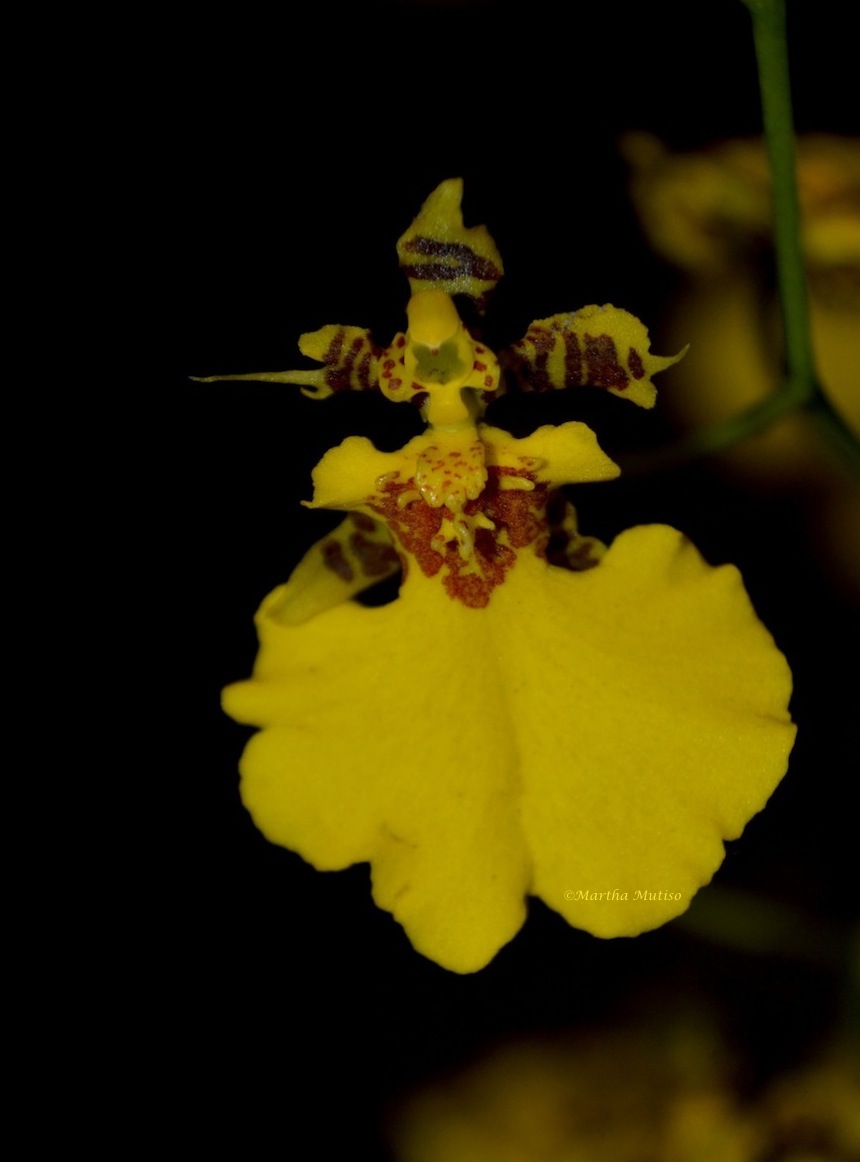
Oncidium Orchid-dubbed dancing ladies, they feature long, arching sprays adorned with numerous flowers with broad lips-the ladies’ skirts-and spreading petals-their arms
Nicknamed Slipper orchid because the lips are shaped in a pouch that looks like a slipper toe.
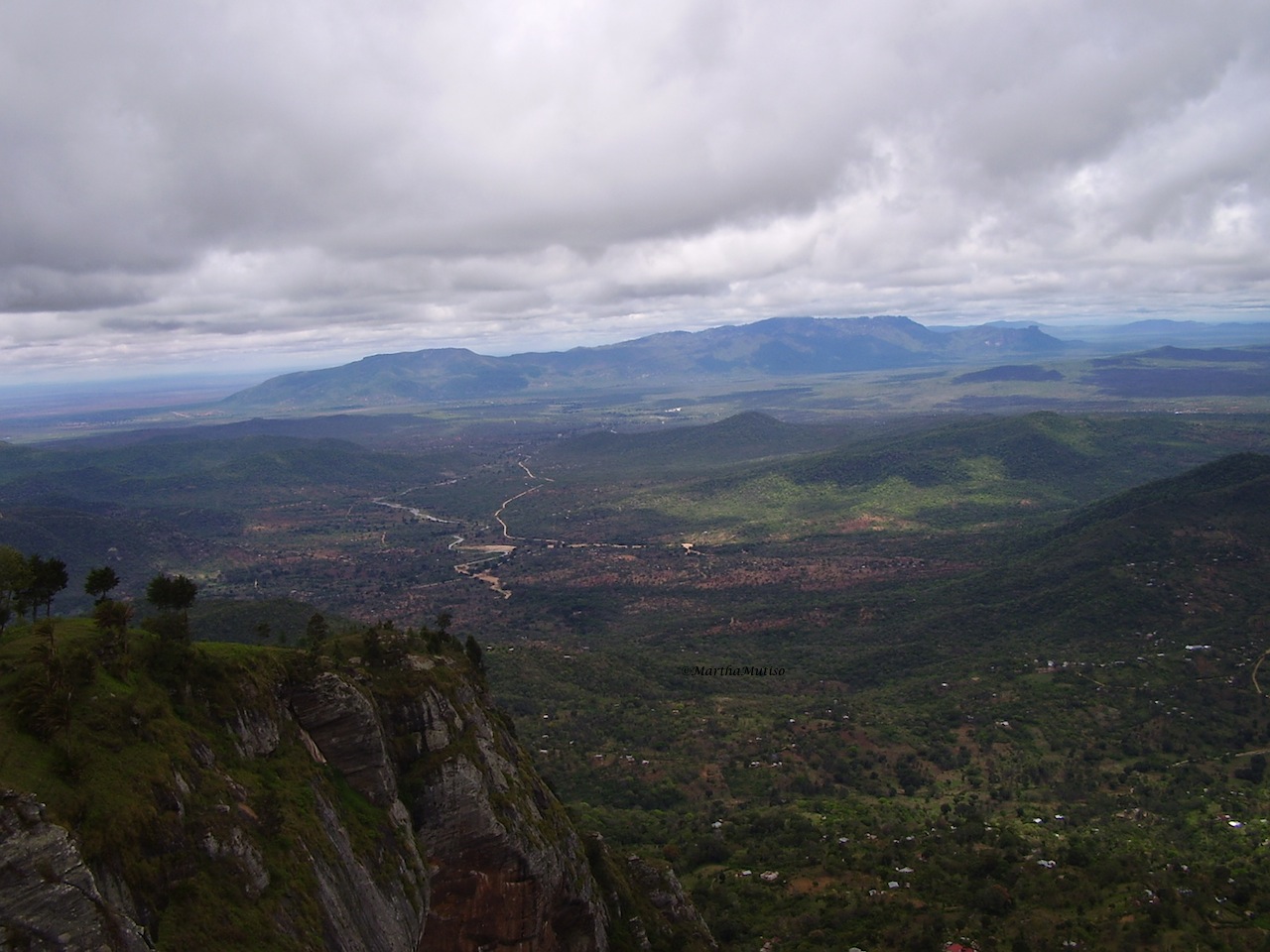
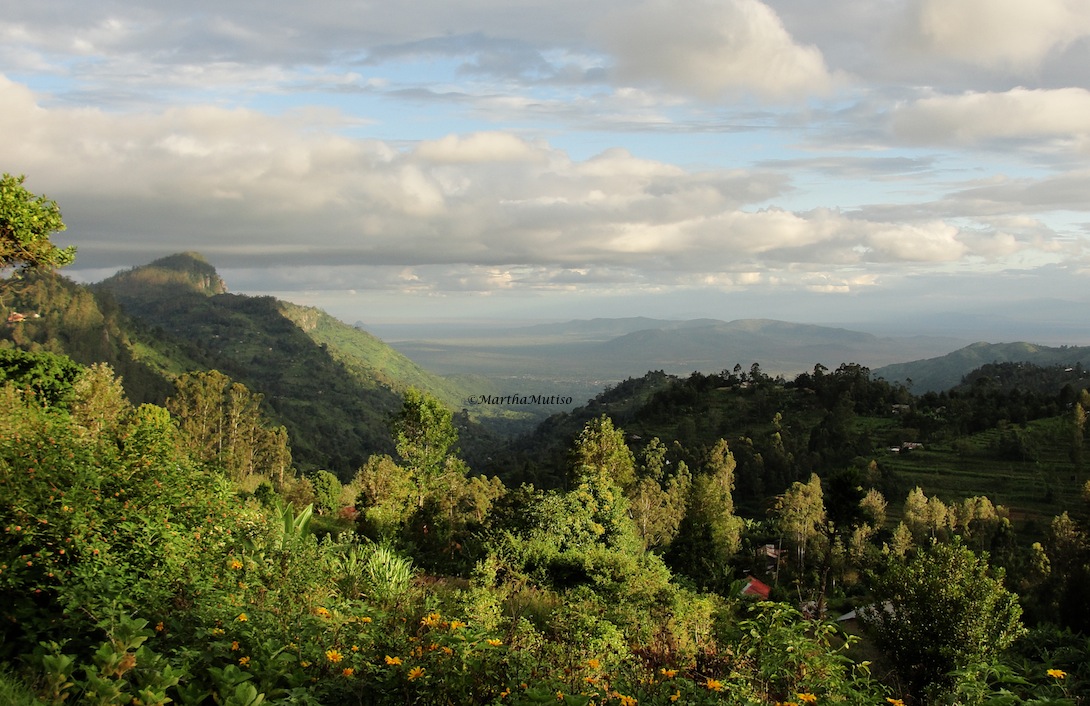
Taita Hills is a mountainous area in Southeastern Kenya forming the northernmost outcrop of the Eastern Arc Mountains. The area is favored by regular rainfall and is known for endemic wildlife including African Violets, endangered birds and amphibians. The Taita plains are used mainly for grazing and sisal cultivation, while the hills, which were once covered by large forests, are used for agricultural activities, and more uniquely, they host sites that are considered sacred by the local communities.
Our journey starts with a short hike to Mwachora hills which, as our guide enlightens us, were where sorcerers were executed-by throwing them over the hill. The local people believed that the sorcerers were evil to the society and this was only punishable by death. From the hills one has a great view of the surrounding towns like Wundanyi and Voi town.
View of Taita environs from Mwachora Hill
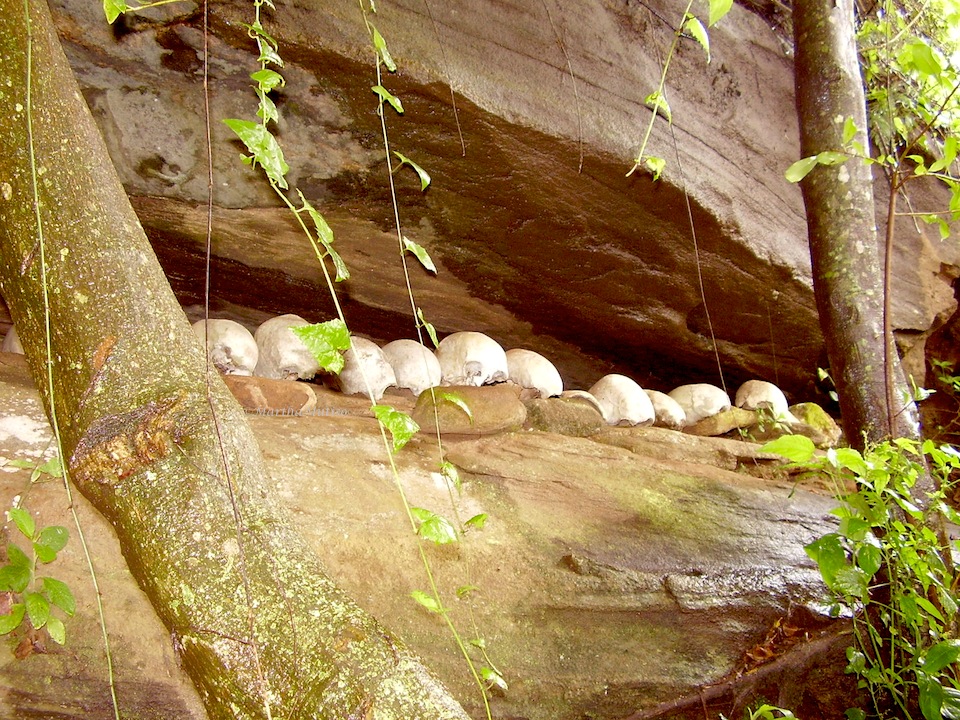
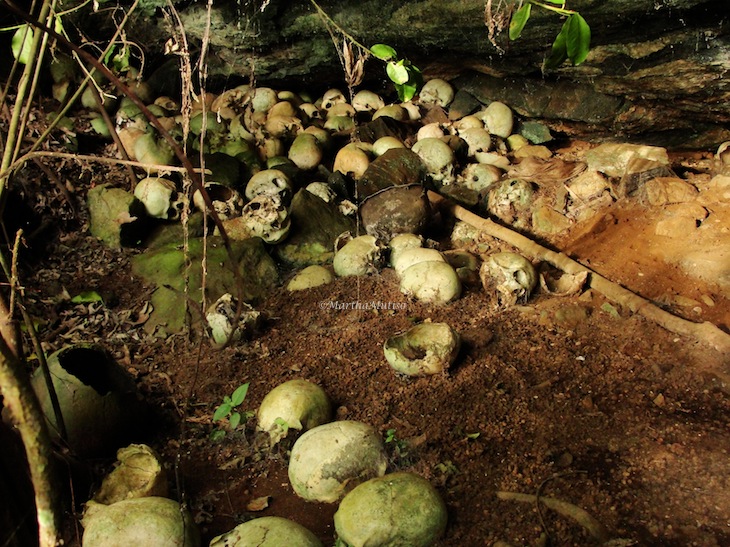
We also get treated to a sporadic chance of visiting the Ngomenyi cave, which is one of the sacred sites of the Taita hills. The cave, like most other sacred caves around the area, is situated in a private farm. We also hike to Yale Hill, where, after maneuvering our way through thick bush, we come to an opening and the guide points out that it’s yet another sacred cave. Both caves are full of human skulls, which are a bit eerie, and are still unspoiled by the local community surrounding them.
Ngomenyi Caves-Taita Hills
The guide highlighted that these caves were the dwelling place of their Higher Being, called Mulungu; the ancestors’ spirits were also called milungu. It was in these caves that sacrifices were conducted in cases of famines, epidemics, drought and sicknesses. Sacrifices in form of slaughtered goats were offered to the spirits of the dead. A council of elders conducted these sacrifices. Incase of domestic affairs sacrificial ceremonies were conducted by an elder of a home or a village and by a clan elder in charge of general clan affairs. Local brew, sheep and goats were offered. The sacrifices were meant to end disasters by appeasing the ancestors’ spirits and were offered in these caves, which are also considered as shrines.
Yale Cave-Taita Hills
Asked about how the skulls got to the caves, our guide says that they were normally placed there after someone died. After burial they would wait until at least a month was over and then they would exhume the body and remove the head, which only belonged to an old person or a village hero and kept in the caves. They believed that the birth of an albino or child with any form of disability was a curse and was not allowed in the public; even after death, an albino or disabled person’s body would not be exhumed. This tradition however, has changed and people with disabilities are no longer considered as curse.
View from Yale Hill, Taita
These ancient traditions and taboos surrounding these sites have so far demanded respect for nature, or simply kept people away from these sites because nobody was supposed to cut trees or collect firewood from these “holy places”. This in turn has led to the conservation and preservation of the hills and indigenous knowledge. However, many of the sites are now under threat as the traditional practices and activities fade and pressures from natural calamities like landslides, development and tourism increase. Some of these caves are also threatened by direct destruction by people, a threat that the local guides are currently addressing through educational programmes to schools on the importance of such sites in the area.
Bold, noisy, abundant and almost totally unafraid of people is the best way to describe the Indian House Crow, Corvus splendens, an exotic bird, which has become a major problem in cities along the East Coast of Africa. This crow has become widespread by introduction around the Indian Ocean and the East African Coast.
As an avian intruder, the Indian House Crow has been given the scientific name Corvus splendens: the ‘Splendid Crow’ is ironically undesirable for a number of reasons. It is an aggressive and opportunistic forager; it feeds largely on human scraps, small reptiles and other animals such as insects and other small invertebrates, eggs, nestlings, grain and fruits. Most food is taken from the ground, but also from trees as opportunity arises. It is a highly opportunistic bird and given its omnivorous diet, it can survive on nearly anything that is edible.
It has a devastating impact on indigenous bird populations by eating eggs and mobbing other birds that might compete with it or just for the sheer fun of it. Indian House Crows have also been blamed for causing power cuts in some areas, as they often construct nests on electric poles. They are now found in every East African coastal city, often scrabbling in large flocks through piles of garbage at the sides of roads.
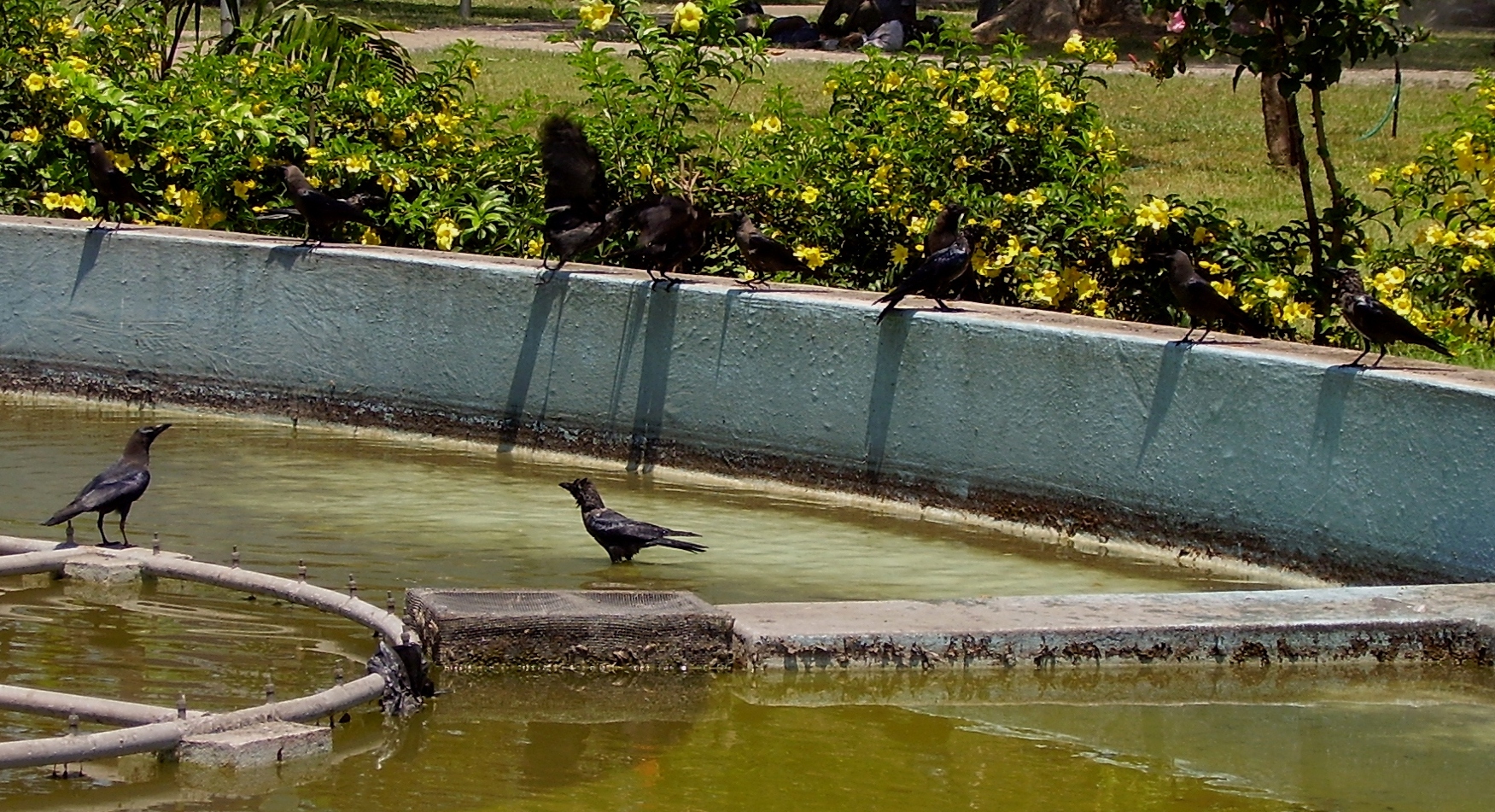
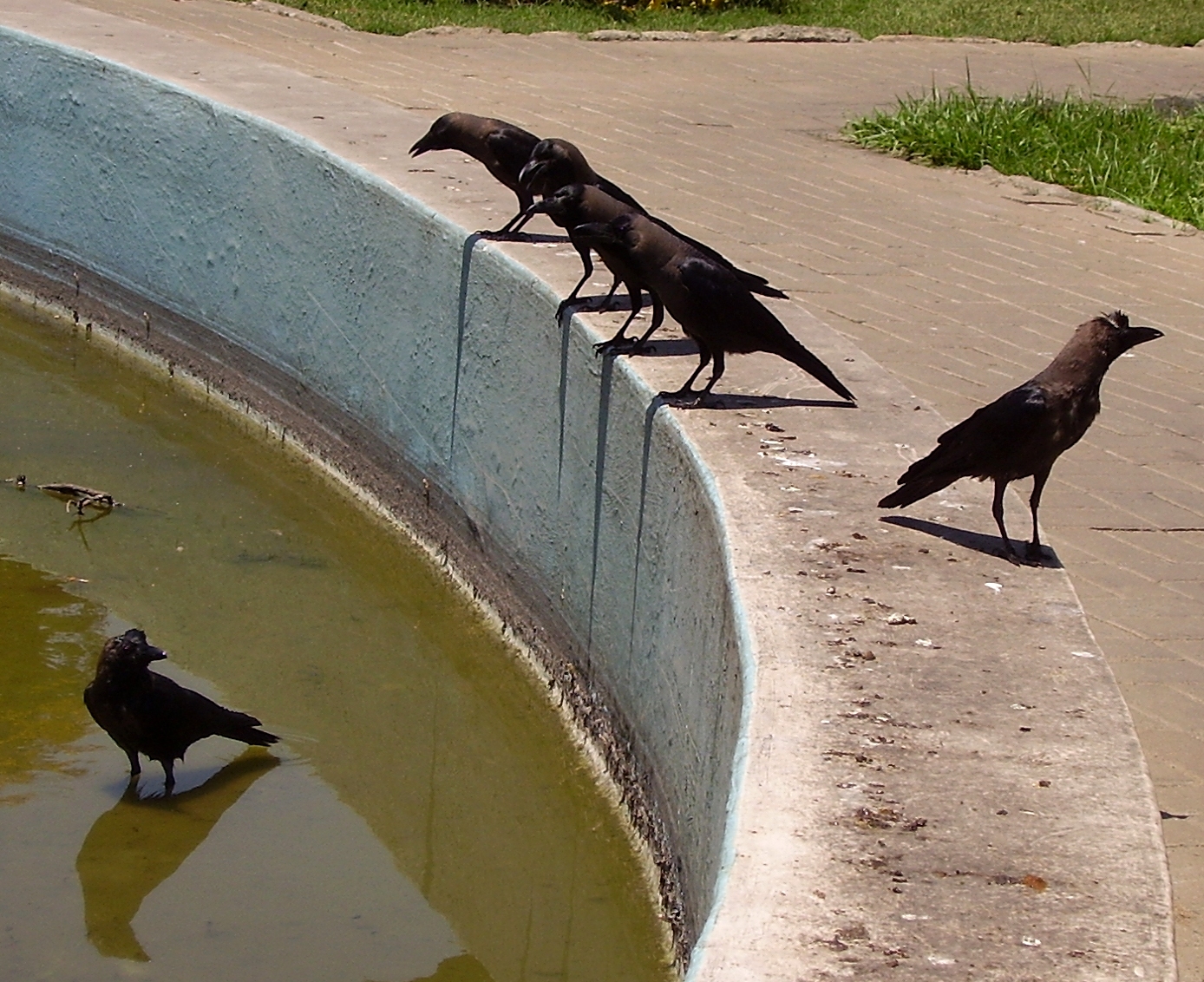
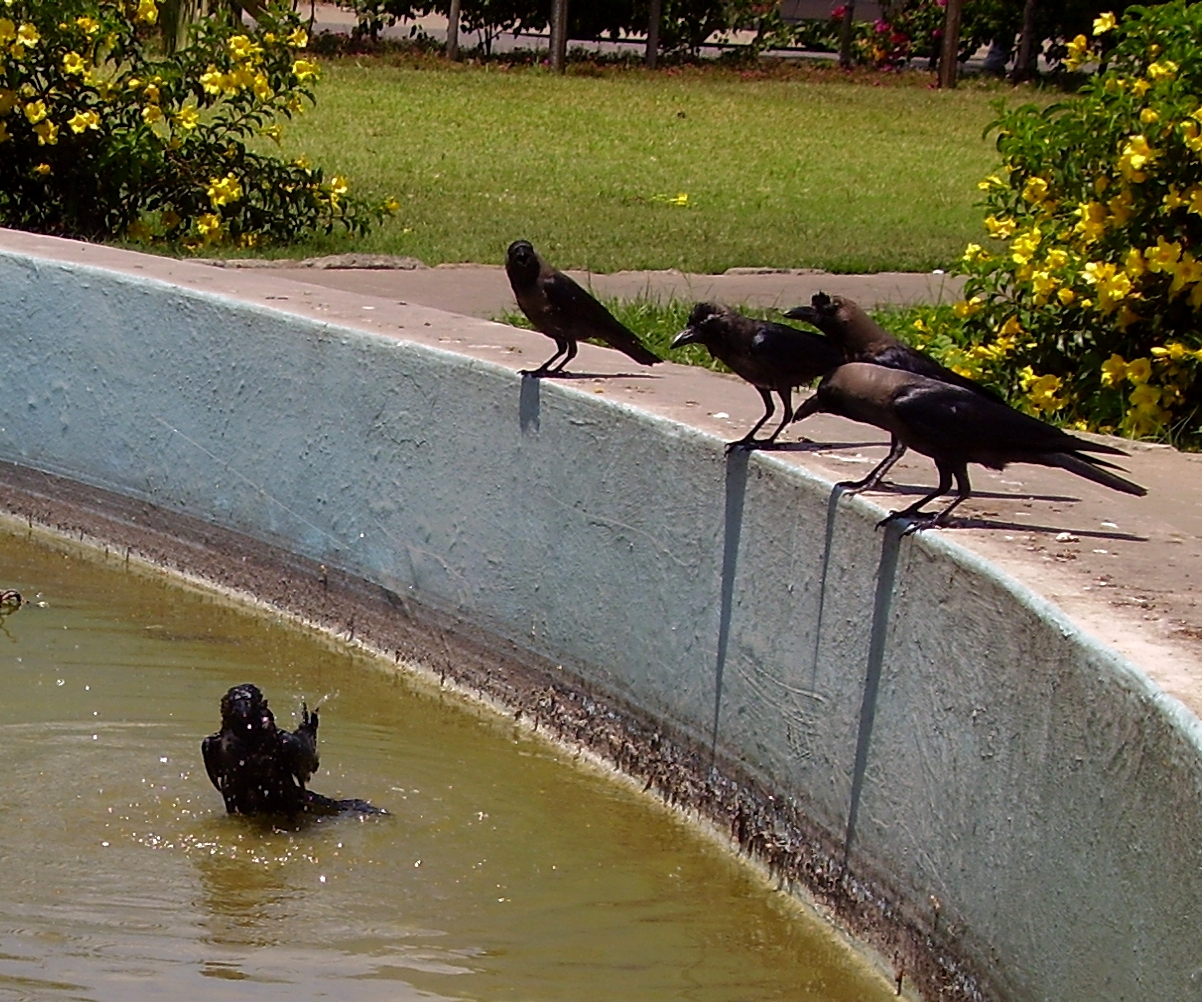
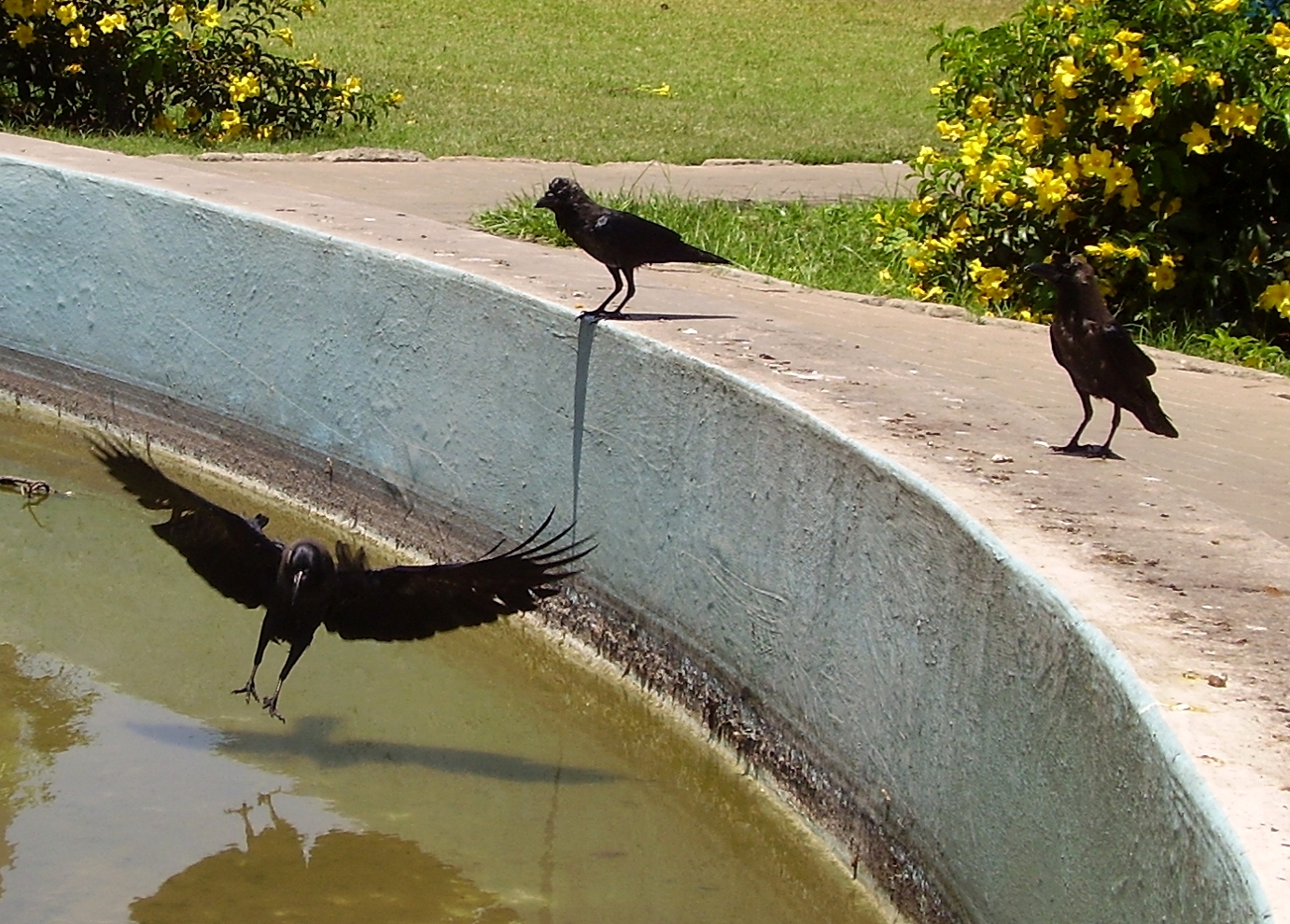
However, it might not be the same case with this flock of Indian House Crows at a water fountain opposite the Mombasa Railway Station. At mid day, with the heat of the sun at a higher degree, they would fly out in flock, circle around the water fountain and the garden and after five minutes they would, totally undisturbed by the passers by, dive in for a bath. This bath, done in turns, would last about two minutes and the next crow in line would dive in the water for the same period of time. This is unlike the Indian House Crow which is always associated with garbage sites and poor sanitation.
“There is nothing more peaceful than a sleeping child”.-Murray Dryden, SCAW Co-founder.
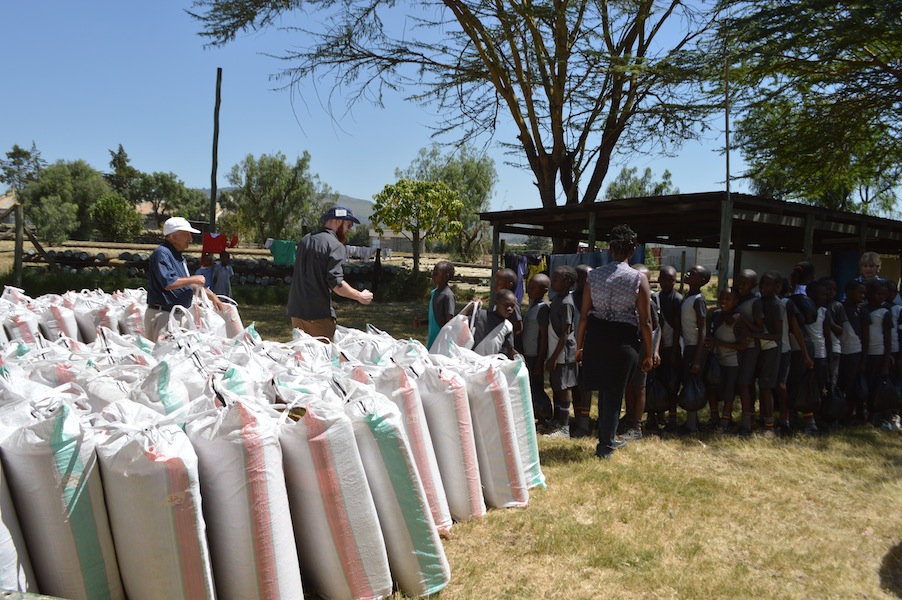
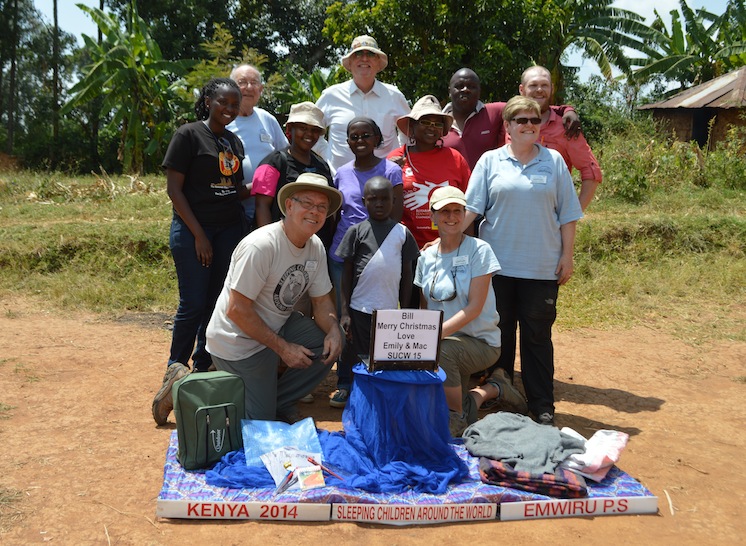
Once again, Rotary Club of Nairobi in conjunction with Rotaract Clubs and Sleeping Children Around the World (SCAW) have lived their “service above self” motto. The Canadian charity, SCAW, together with the Rotary Club of Nairobi and Rotaract Club of Nairobi Central helped distribute bed-kits to children from underprivileged communities around the country including Nairobi slums (Kibera, Kayole and Mathare), Kajiado and Kakamega. This was achieved through support from various donors, which saw 5000 children benefit from bed-kits. Each bed-kit consisted of a mattress, blanket, mosquito net, clothes outfit, and stationary.
The packaged bed-kits
Bed-kit contents
The distribution was made a success not just by the donors and volunteers but also by the kids who braved the long queues and the heat; you couldn’t wipe off their excited smiles.
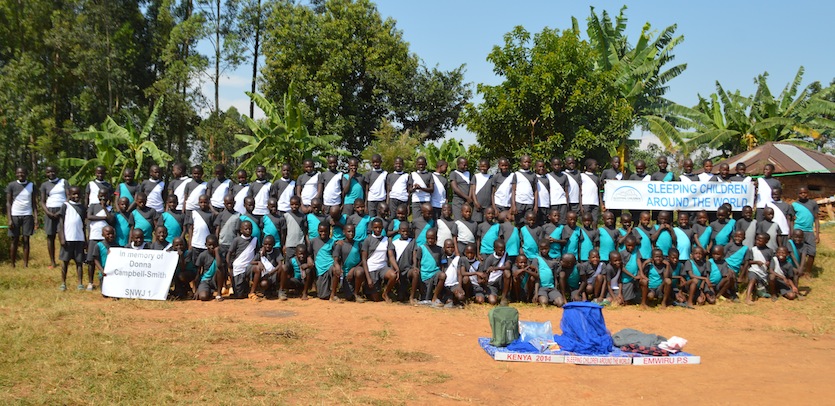
A group of a hundred beneficiaries in Kakamega
A group of beneficiaries in Kajiado.
Since its formation by Murray and Margaret Dryden in 1970, SCAW has raised over 23 million dollars to provide bed-kits for children in 33 countries; the millionth child was reached in 2009. More information about SCAW can be found on their website.
Some of the distribution volunteers
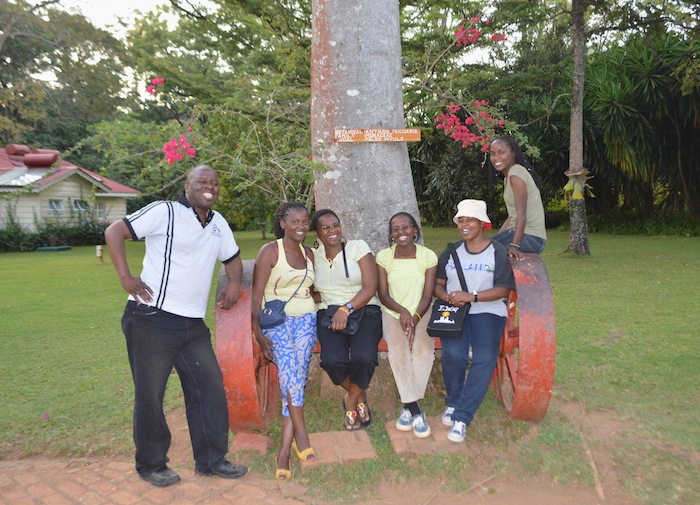
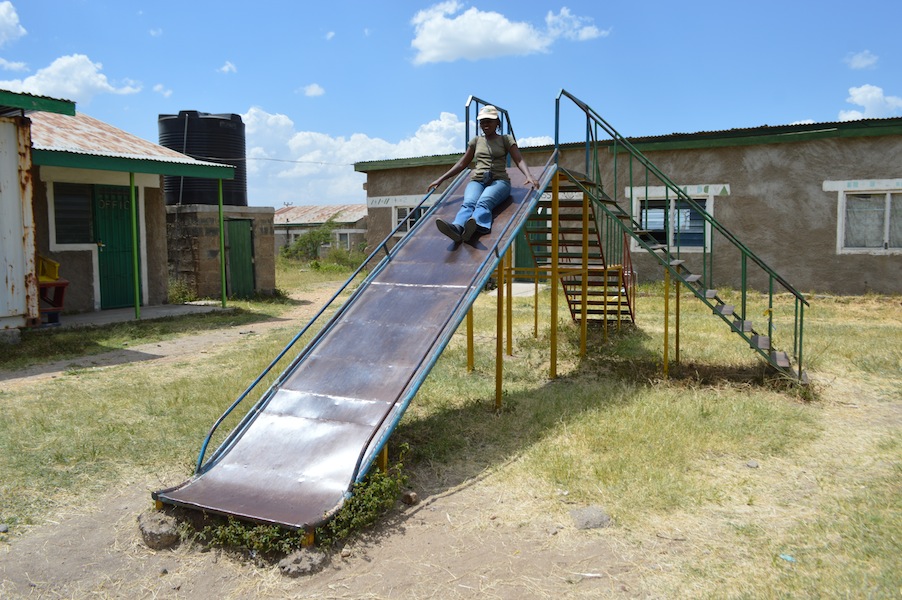
Some light moments from the distribution exercise.
Volunteers’ excursion before distribution in Kakamega.
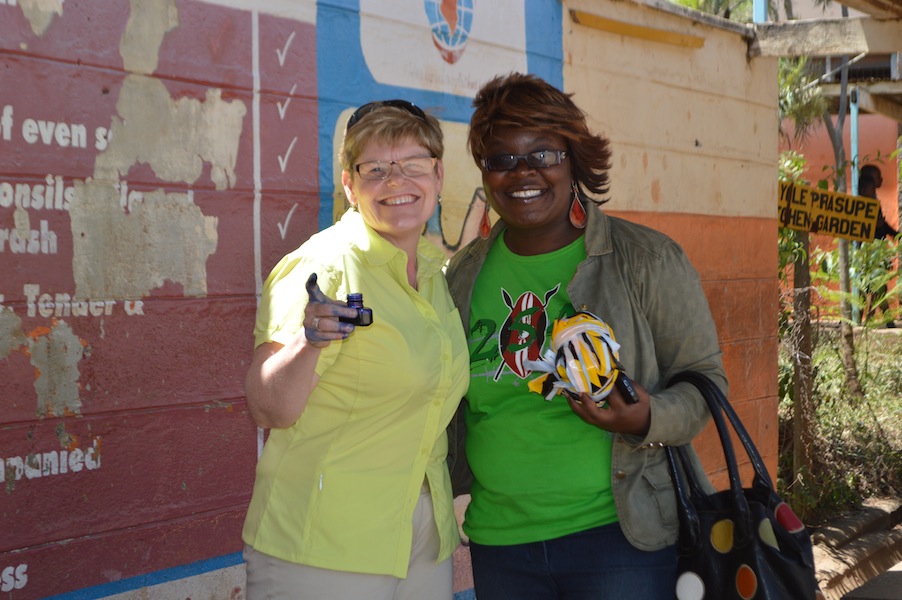
Together we happily take on the world!
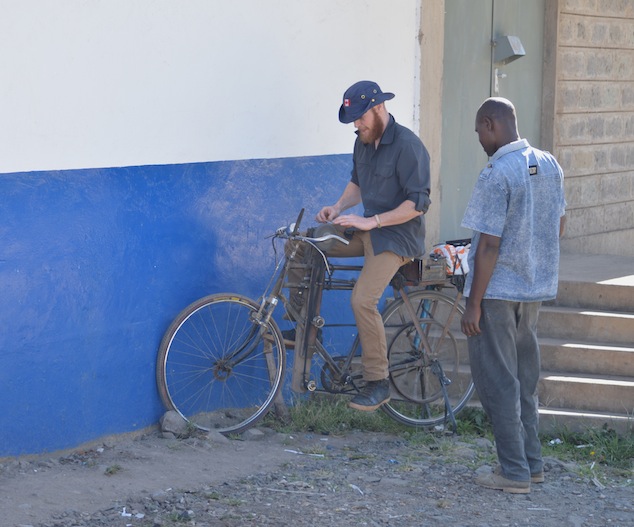
New lessons learnt, Evan learning to sharpen a knife on a bike 😉
This is where I come from
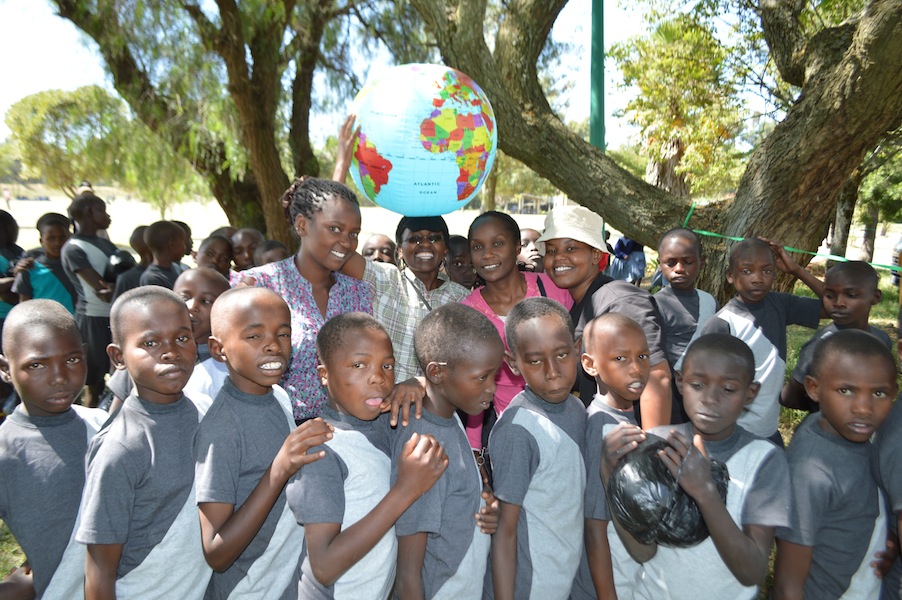
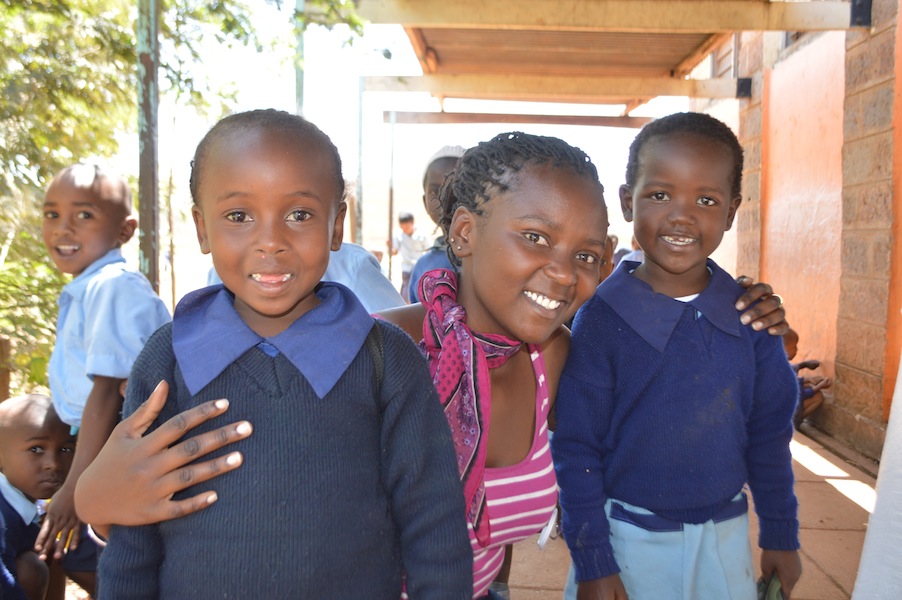
These beautiful smiles brightened our day
And more smiles shared!
One of the “baby” in our volunteer group 🙂
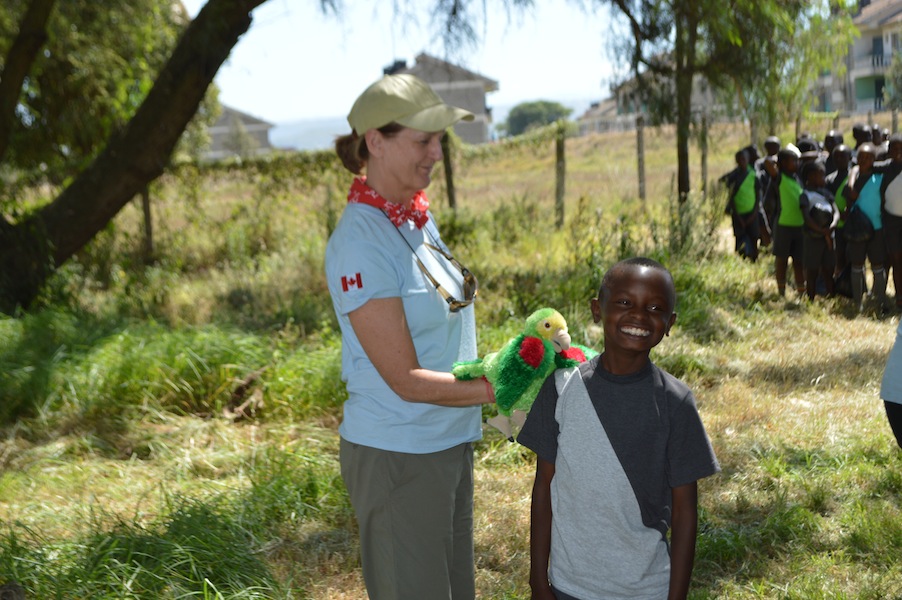
Some volunteers were made in Canada 😉
No, it wasn’t a ‘clean’ job
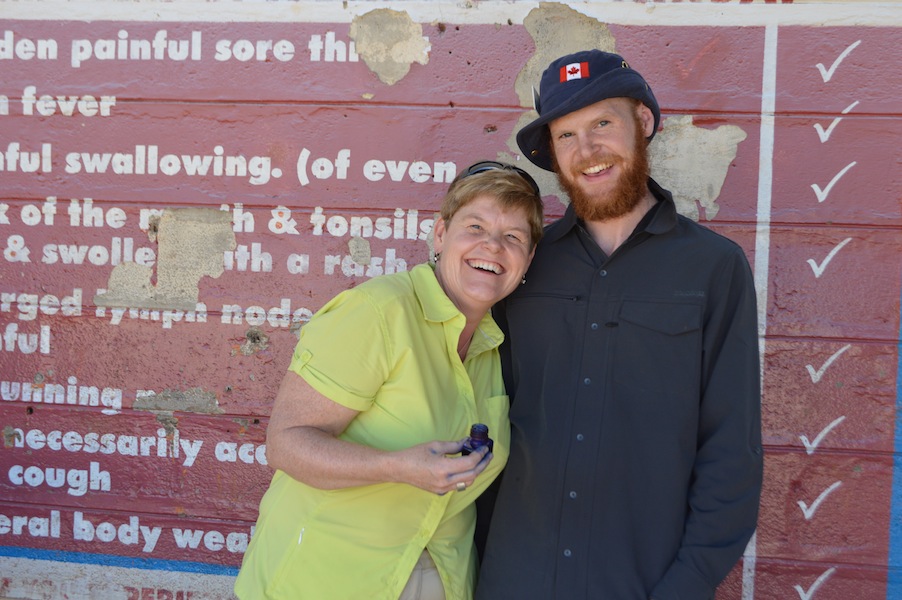
The funniest moment when some kids told Brenda (mom) and Evan (son) that they looked like husband and wife 😀
These desks are nostalgic!
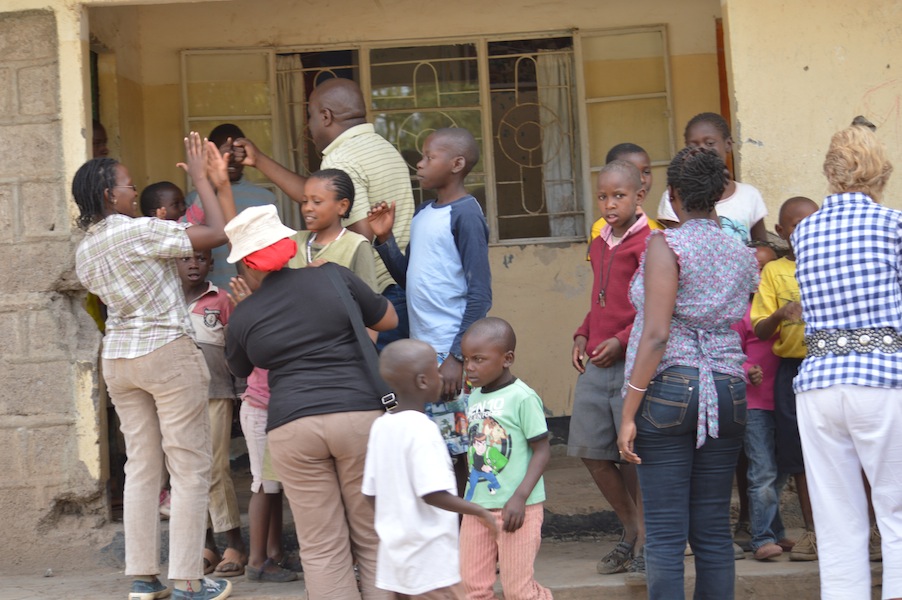
High fives for a job well done.
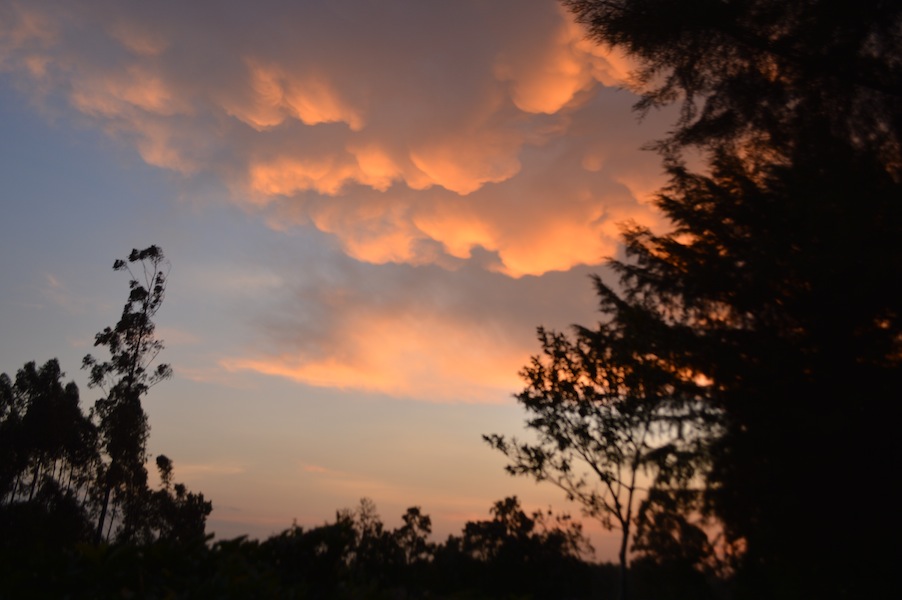
These beautiful clouds in Kakamega have a sad story. Check back soon for the story.
































 Ecoescapades