
The African waterfowl census is an ongoing waterbirds and wetlands monitoring project in Kenya that has been taking place for the last ten years. It’s a collaboration project between the National Museums of Kenya, Kenya Wildlife Service and Nature Kenya and is coordinated worldwide by the Wetlands International. The National coordinator for Kenya is the Ornithology Section of the National Museums of Kenya. It covers major lakes and other wetlands in Kenya. The main idea is estimation of bird numbers in a particular wetland. A short briefing is normally held prior to the counting activity and this is used to familiarize the participants with water birds and other monitoring techniques. The participants are then divided into smaller groups and cover a certain area of the wetland.
The first counting site this year was Lake Bogoria in Rift Valley. Lake Bogoria is an alkaline lake is currently home to one of the world’s largest populations of flamingos. It also has the highest number of hot springs and geysers in Kenya. The water level is high this year and most of the hot-springs are covered. Apart from the flamingos, other waders are also found in and around the lake, these include Plovers, Storks, Sandpipers and birds of prey, some of which are Eurasian migrants. Below are some images from Lake Bogoria.
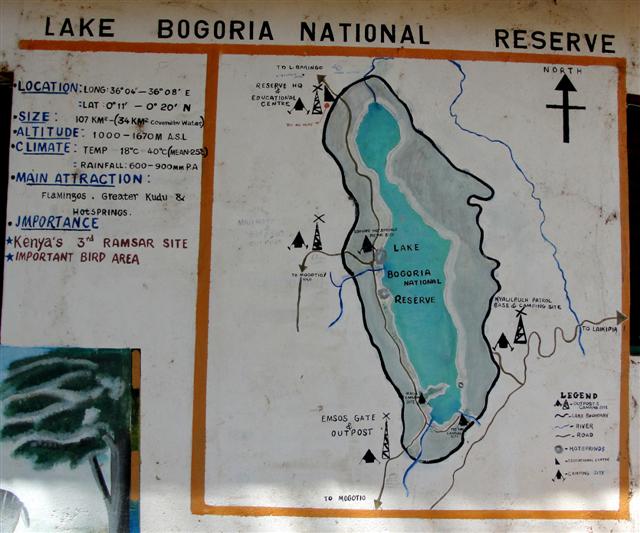 An artistic image of the lake
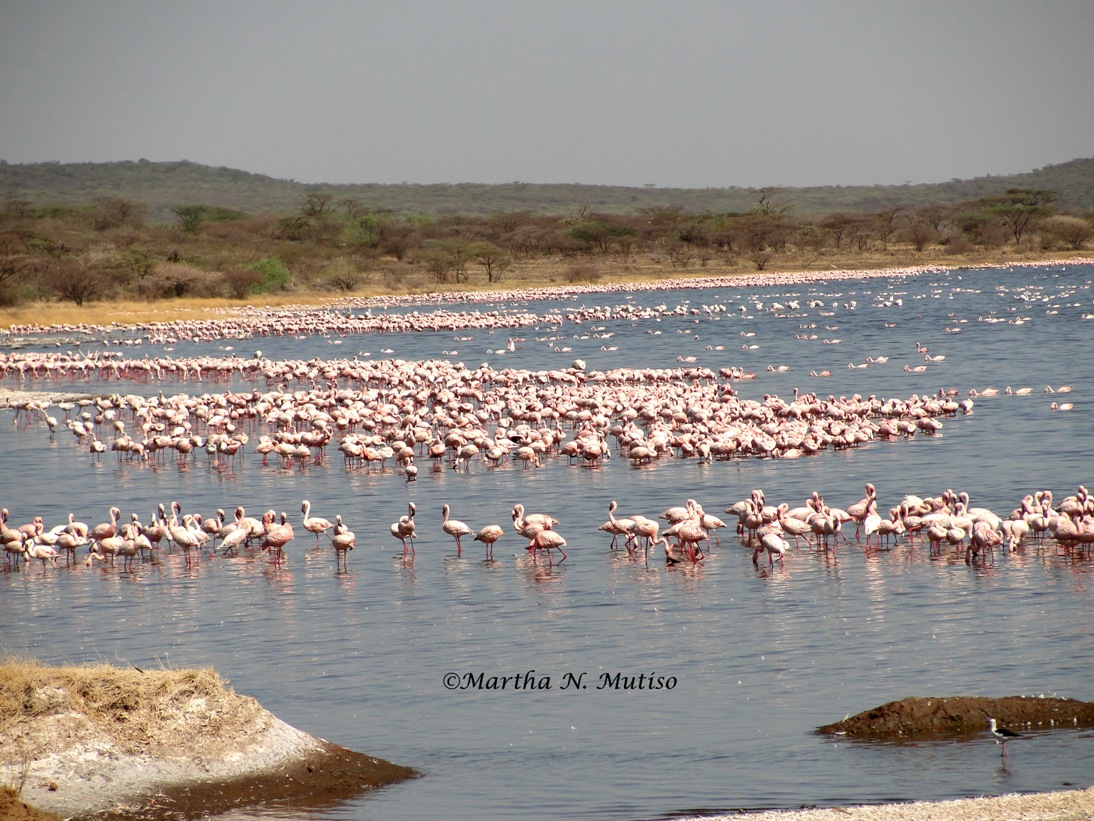 Lesser flamingos and greater flamimgos on part of the lake
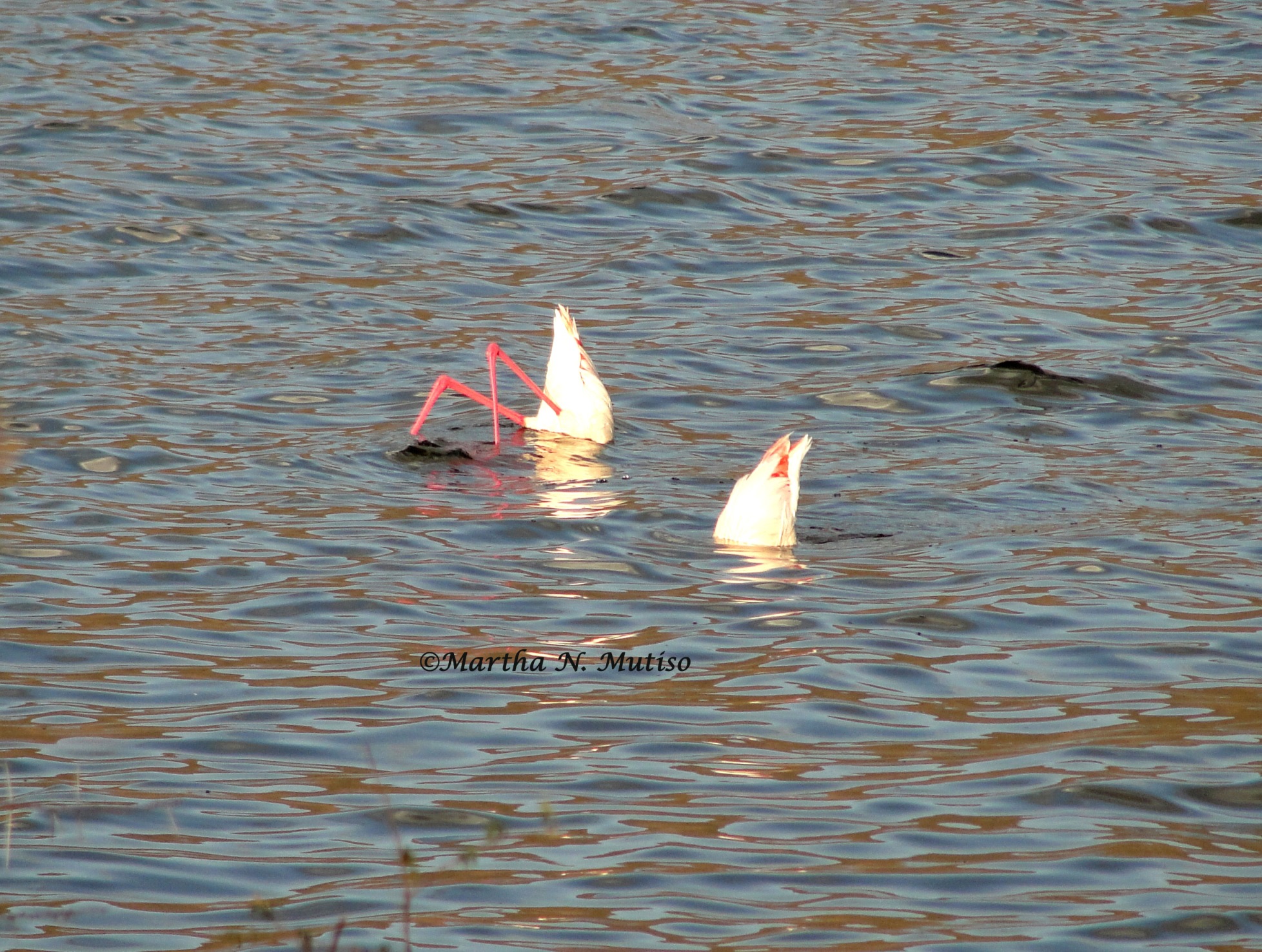 Greater flamingos feeding in the lake
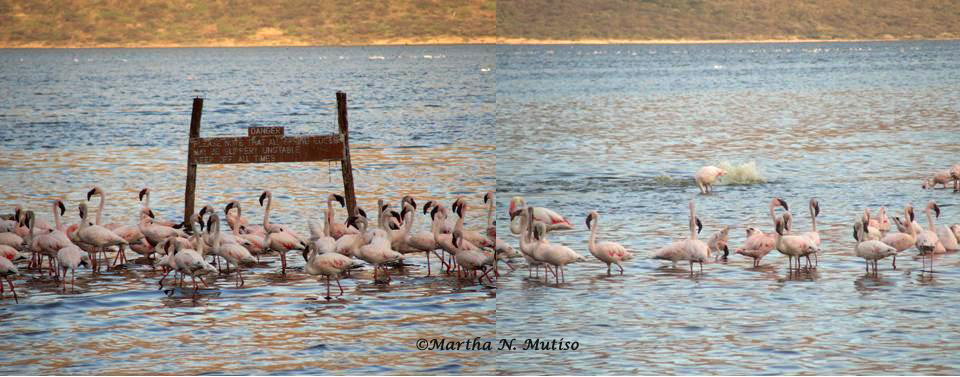 Hot-springs fully covered by water. The post is normally not in the water.
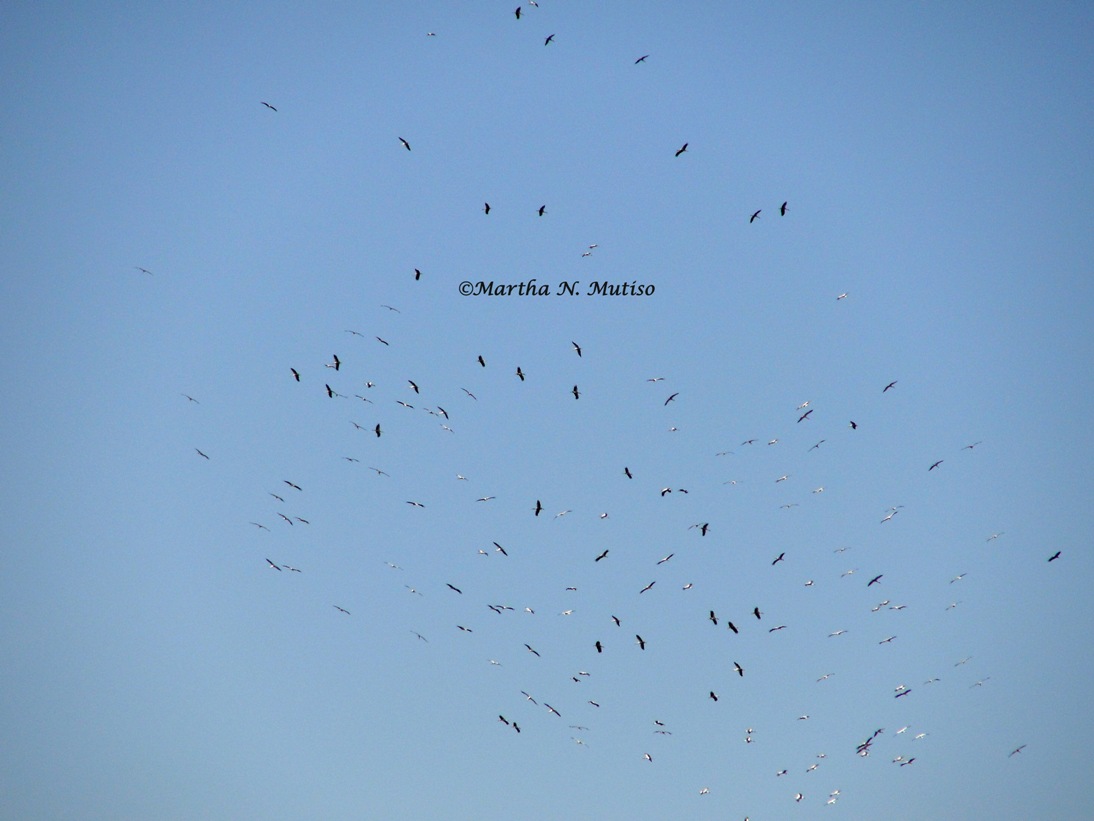 A flock of White Storks and Yellow-billed storks
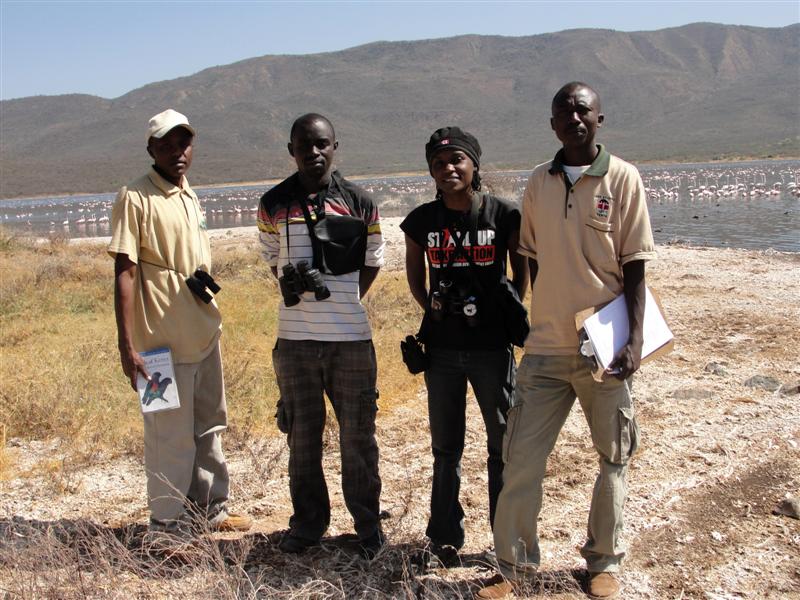 My counting team; Matthew, David and Anthony
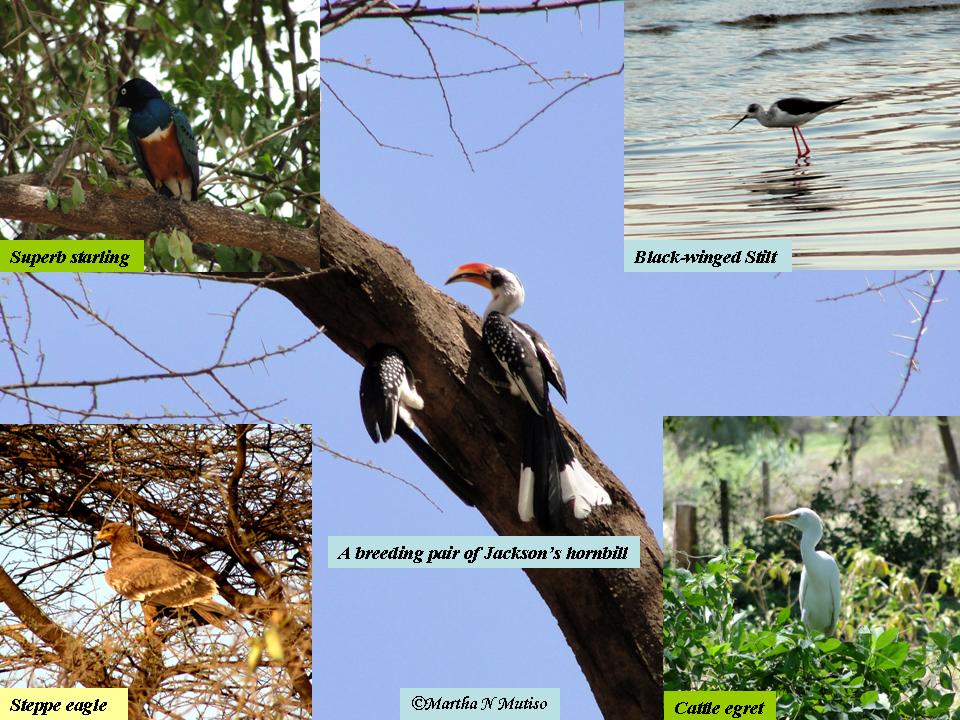 Other birds
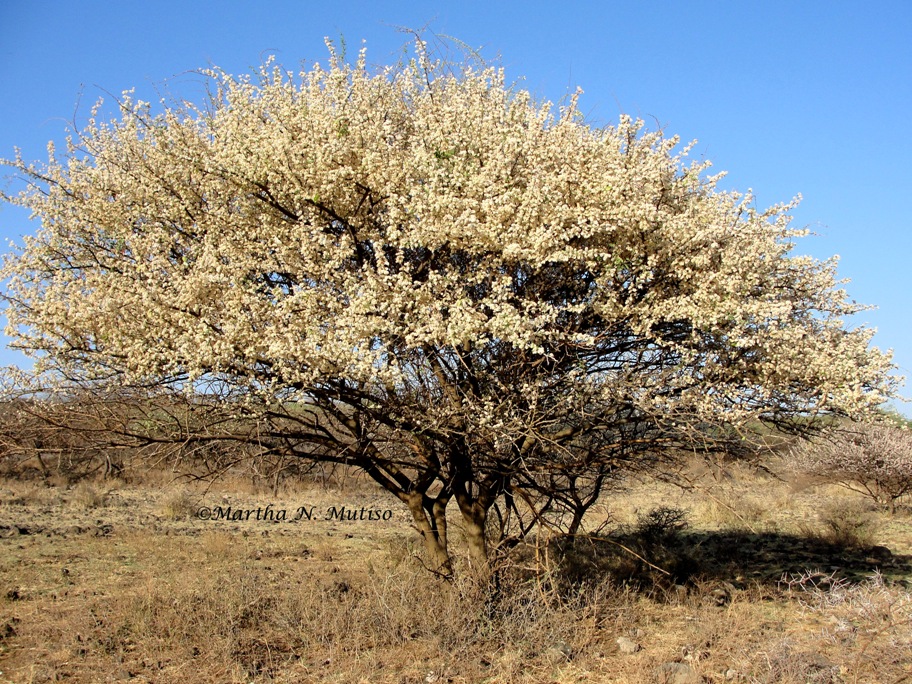 A flowering acacia in the park
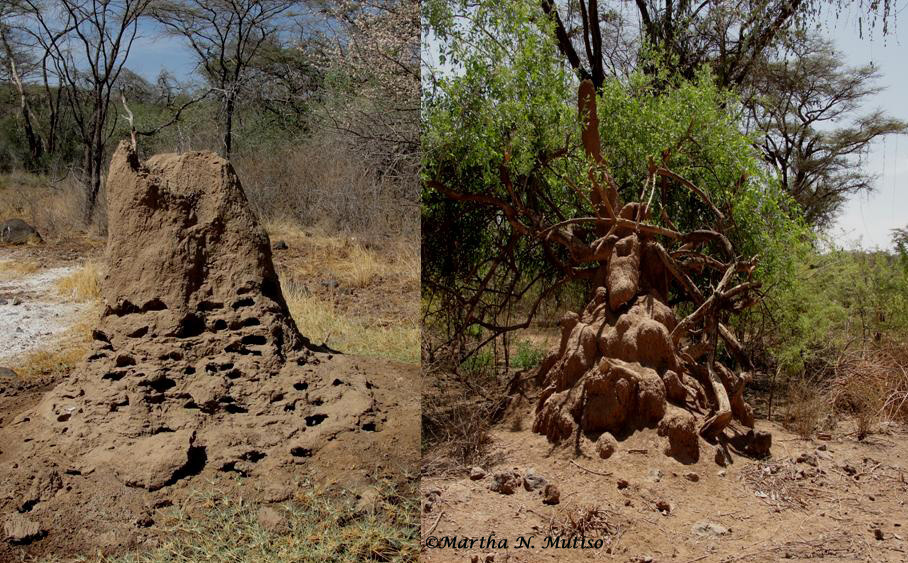 Termite mounts in the park
 Ecoescapades